


























Medical Device Regulatory Due Diligence: A Market-Entry Document Checklist for Buyers
CE Marking Under EU MDR: What Medical Device Buyers Should Verify
FROM: INTCO Medical|31 Oct 2026
When you get a medical device for the EU, the CE symbol is just the starting line. You have to connect a few dots. This means tying together the intended purpose, exact model, and the legal manufacturer. You also need to check the conformity route, the label, the IFU, and the actual item you receive. This guide makes CE marking under EU MDR easy for buying and quality teams.
The applicable CE marking requirements depend on the product's intended purpose and regulatory classification. Medical devices, personal protective equipment, and general consumer products may follow different EU conformity assessment requirements. A product catalogue might give you a hint. But it can never replace the real device file.
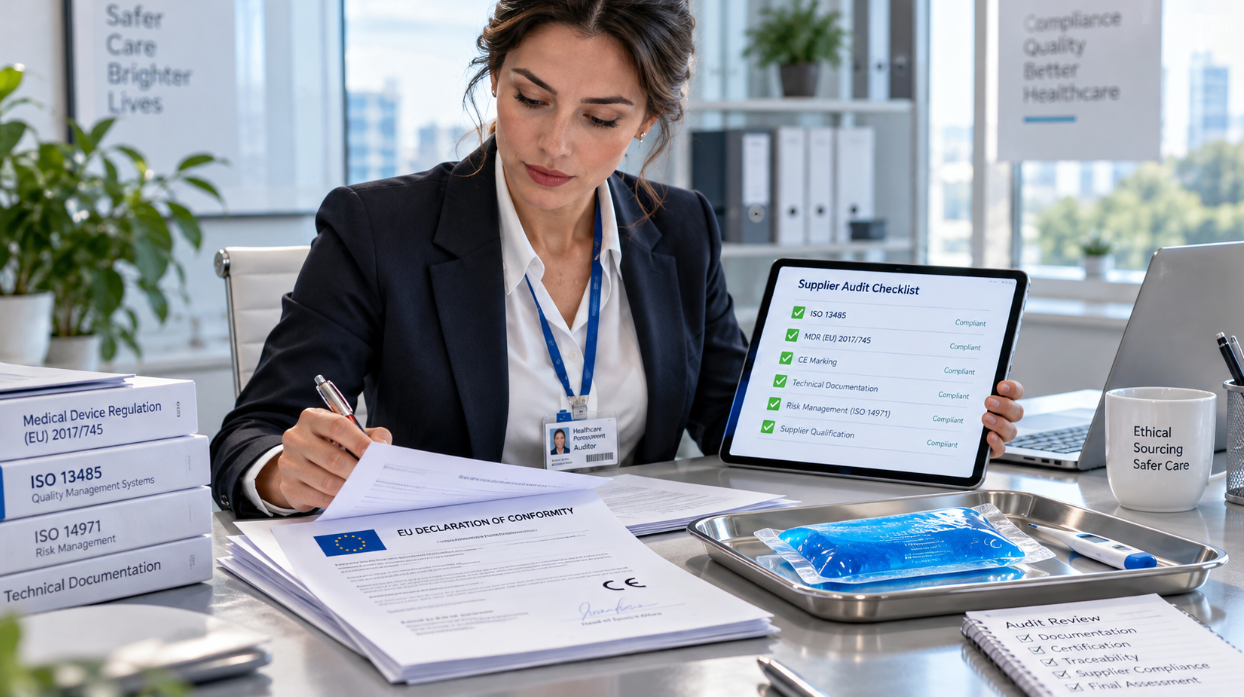
What Does CE Marking Under EU MDR Tell Buyers?
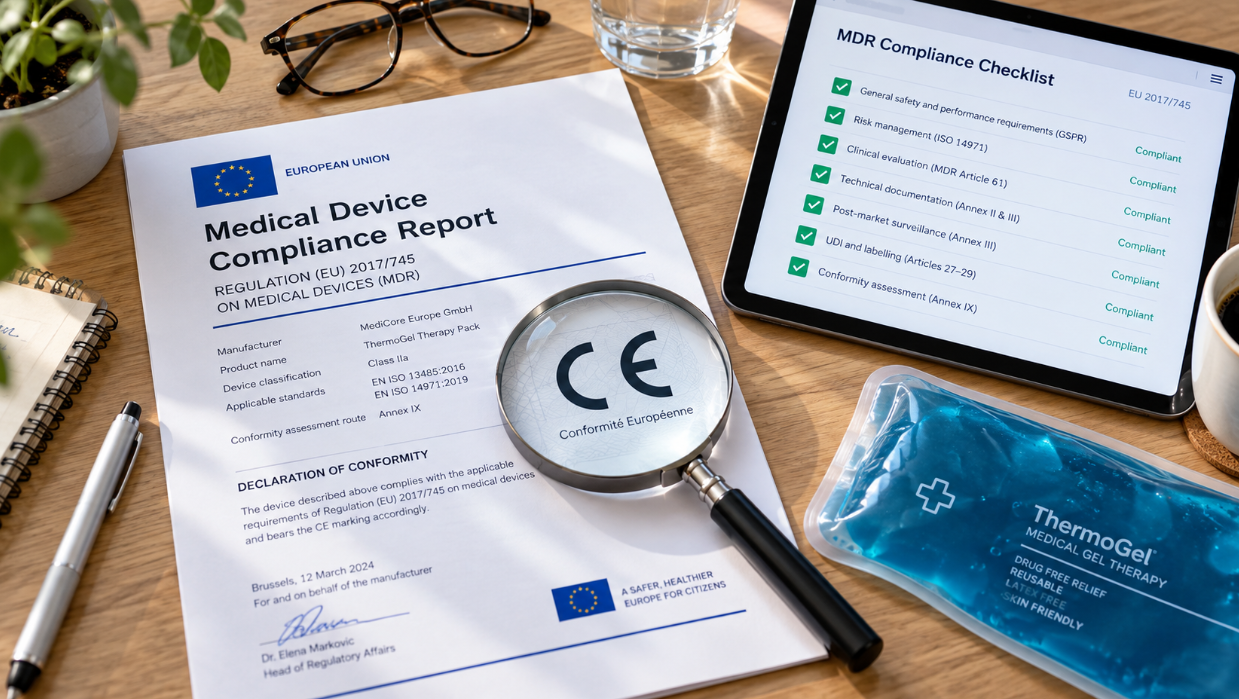
The CE mark indicates that the manufacturer has declared the device's conformity with applicable EU requirements following the relevant conformity assessment procedure. Depending on the device classification and conformity assessment route, a Notified Body may also be involved. The big rulebook here is Regulation (EU) 2017/745, also called the MDR. How risky the device is, and what it does, will decide the path they take. This class also decides what proof they need and if a Notified Body must step in.
Start with Intended Purpose and Device Identity
Begin by recording the precise device purpose. Identify the specific user. Note the usage location. Document the model, size, and version. Collect the UDI if available. Next, compare these facts directly against the label and the IFU. Ensure they align with the original sales pitch. Verify them using your purchase order. A basic cold pack for a bruised knee follows simple guidelines. However, claiming to treat an actual medical condition alters the regulatory rules instantly.
Identify the Responsible Parties
Next, find out who is actually in charge. Find the legal manufacturer. If the manufacturer is established outside the EU, identify its EU Authorized Representative. You must also list the importer and the distributor. Look closely at all the names and addresses. Verify that the names, addresses, and roles of the relevant economic operators are consistent across the applicable documents, labels, packaging, and shipping records. This is step one for EU MDR compliance for medical devices.
Which Documents Should You Request Before Approval?
Always ask for fresh, current papers for your exact SKU. If they group items into a family, get those papers. Note down the date and the version for every paper. Write down who owns it and what it covers. Every single page needs to talk about the item you want to buy.
Document | What You Check |
EU Declaration of Conformity | Check the maker and device name. Look at the MDR path and rules used. See who signed it and the date. |
Notified Body certificate | Check who issued it. Is it still good? Look at the scope, test site, device family, and strict limits. |
Label and packaging artwork | Find the CE mark, model, and lot or serial numbers. Look for the maker, rep, warnings, and UDI facts. |
Instructions for Use | Check what it is for. Who uses it? Find warnings, storage rules, when NOT to use it, and the right language. |
Quality and test records | Look for a matching ISO 13485 scope. Check for risk checks, test results, box rules, and expiration dates. |
Importer and representative records | Look for clear tracking data. Find the complaint contact. Check how they store it and who moves it. |
The term EU Declaration of Conformity medical device means a real, signed paper for that specific item. A simple ISO 13485 certificate is nice for checking overall quality. But it does not prove the device itself passes the test.
When Does a Notified Body Certificate Matter?
Do you always need a Notified Body? No. It depends on the device class and the chosen path. First, check the rule path for its main use. Then, look up the testing group on the official European Commission lists. Don't just get the front page of the certificate. Ask for all the extra pages, too.
Review the Certificate Scope
When you do a Notified Body certificate MDR review, look for a four-digit number. Match up the legal manufacturer, the factory site, and the device family. Check the exact MDR rule, the dates, and any limits. Make absolutely sure your specific model is on that list. Sometimes, a general family certificate leaves out your exact version.
If the rules demand it, the actual CE mark on the box will show that four-digit number. Always link your checks back to their stated path.
How Can You Verify the Product and Importer Records?
Grab a simple MDR buyer checklist. Do this before you send the order to the money team. Put the physical sample next to the label and the box. Compare them to the IFU, the DoC, and the certificate scope. Finally, check your order sheet. Look at the model, lot number, UDI, warnings, and what the item is for.
Six Checks for a Received Sample
- Take a clear picture of the label. Write down the model, lot, serial, and UDI.
- Put the label and the IFU next to the signed DoC. Make sure they match.
- Look closely at the CE mark. Does it need a four-digit Notified Body number? If yes, find it.
- Make sure the maker and the EU rep details are correct.
- Check the sample against the approved artwork and your buying sheet.
- Save all these checked papers. Keep the seller's emails, the reviewer's name, and the date.
If your team is trying to verify CE certificate medical device papers, this desk check is very handy. If you see a weird UDI, a wrong scope, or a bad date, stop right there. Flag the issue before you pay.
Check Medical Device Importer EU Requirements
The importer shoulders heavy responsibilities. They must verify the manufacturer's tests, the DoC, and tech files. Furthermore, they inspect labels, the IFU, and the UDI when necessary. This entity requires a traceable name and physical address. They must establish strict guidelines for secure storage and transit. A reliable system for managing complaints and defective goods is also essential. Always evaluate the specific Article 13 duties for your agreement.
What Does the 2026 Product Catalogue Help You Check?
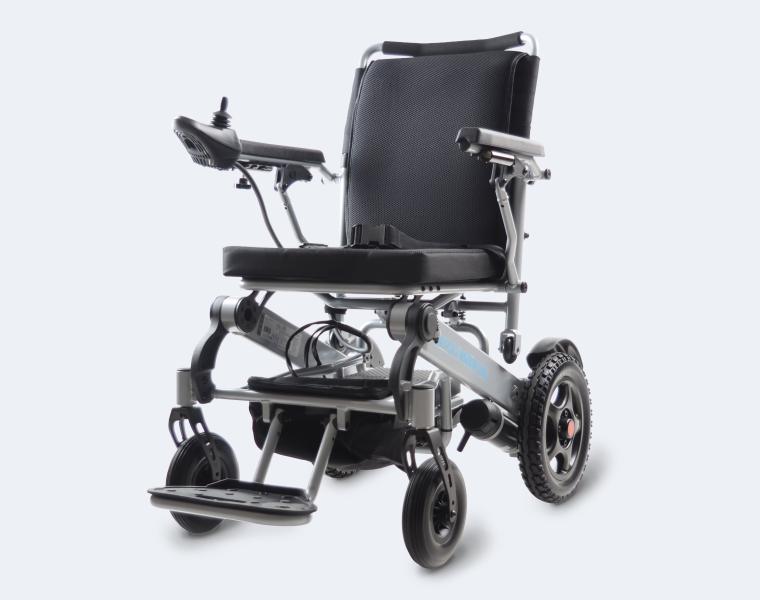
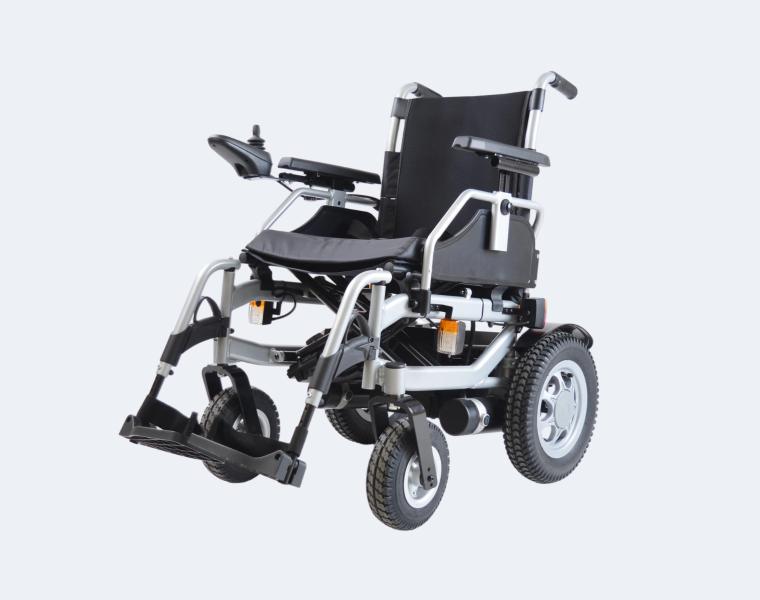
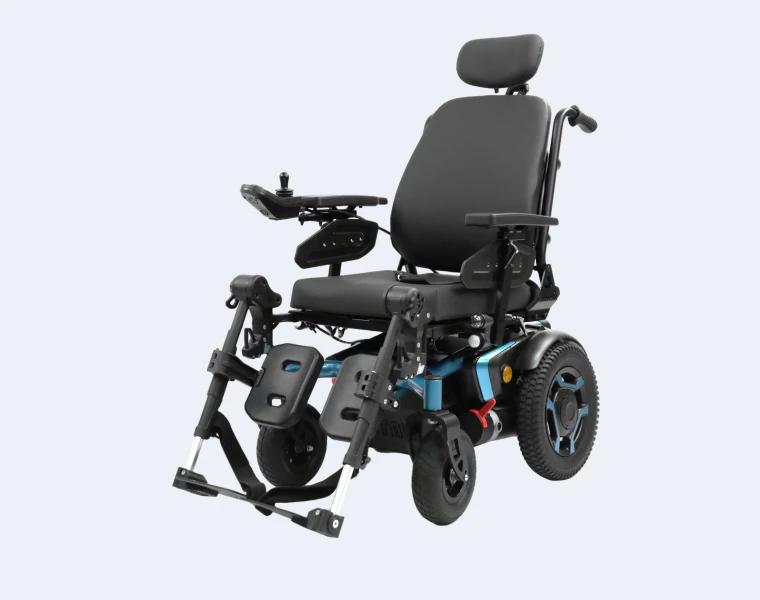
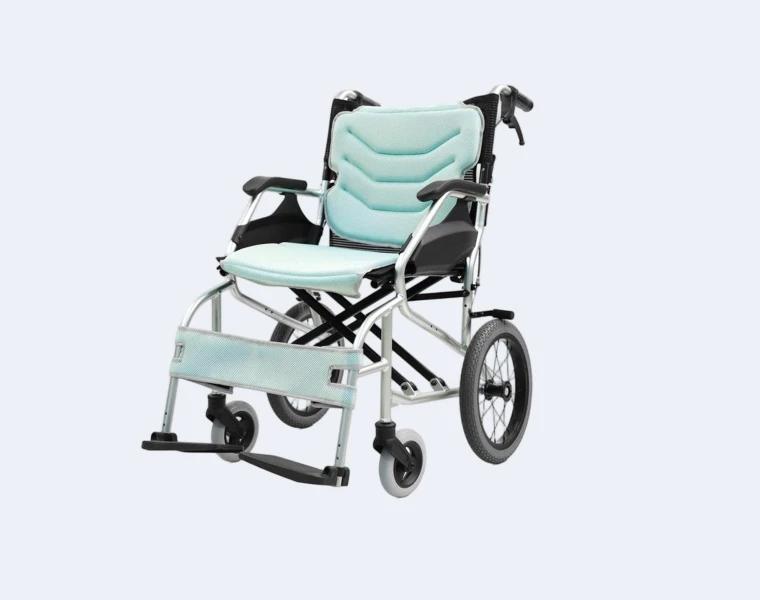
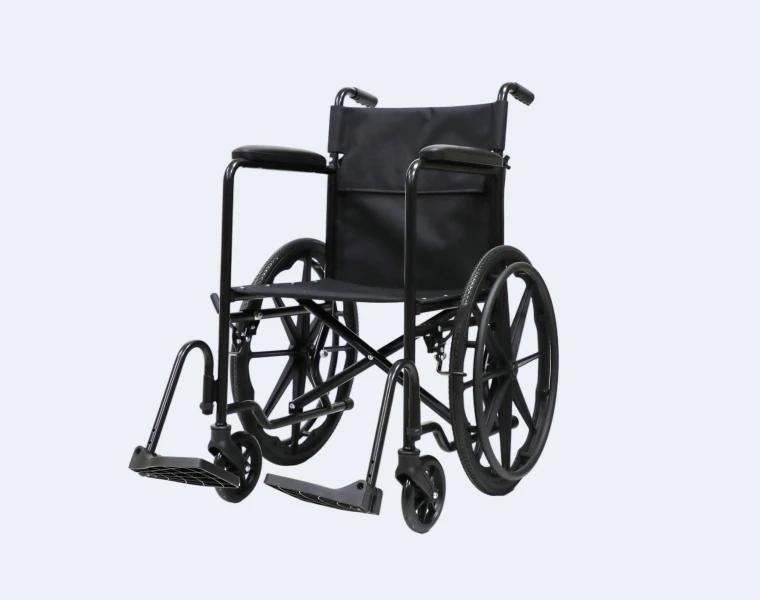
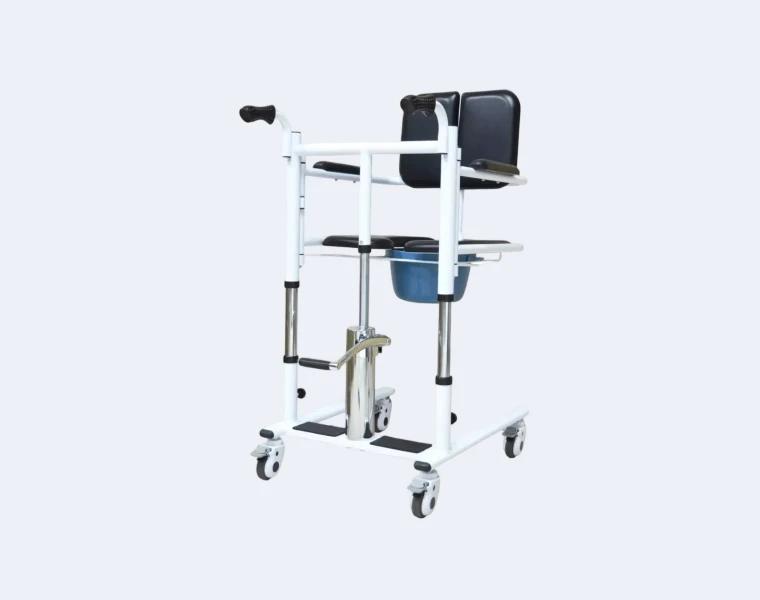
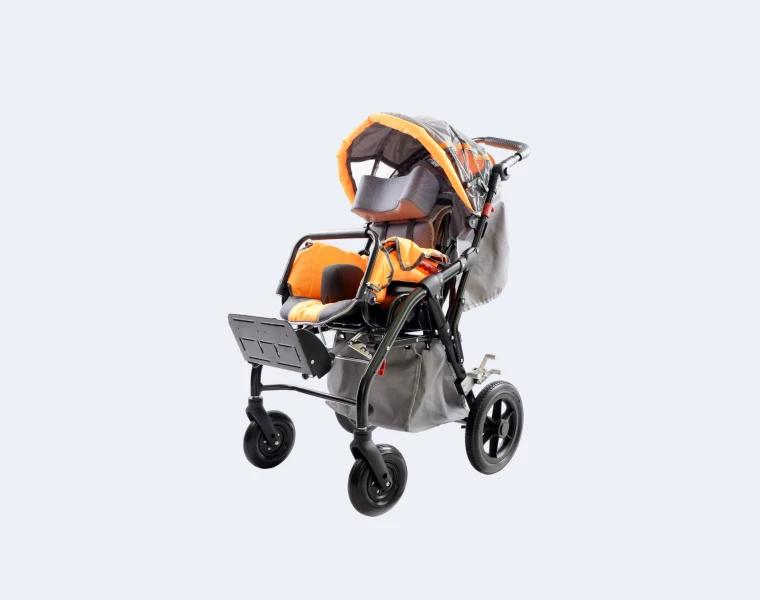
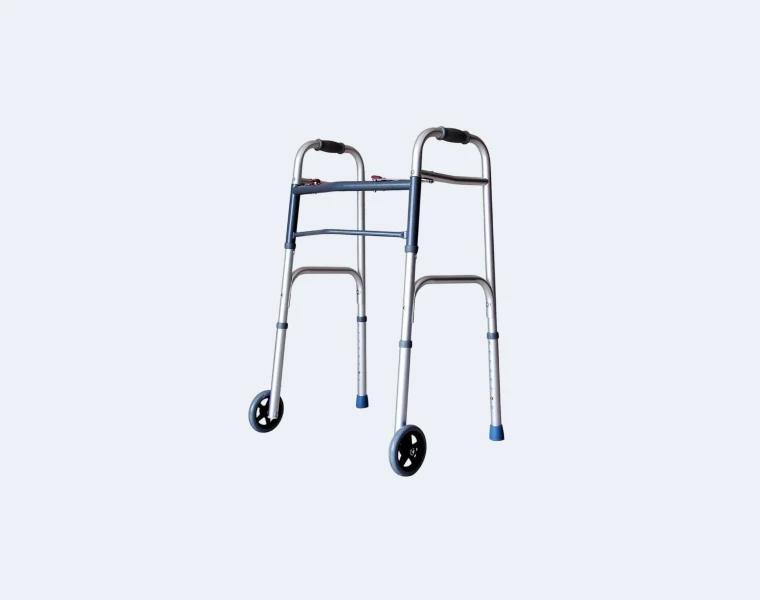
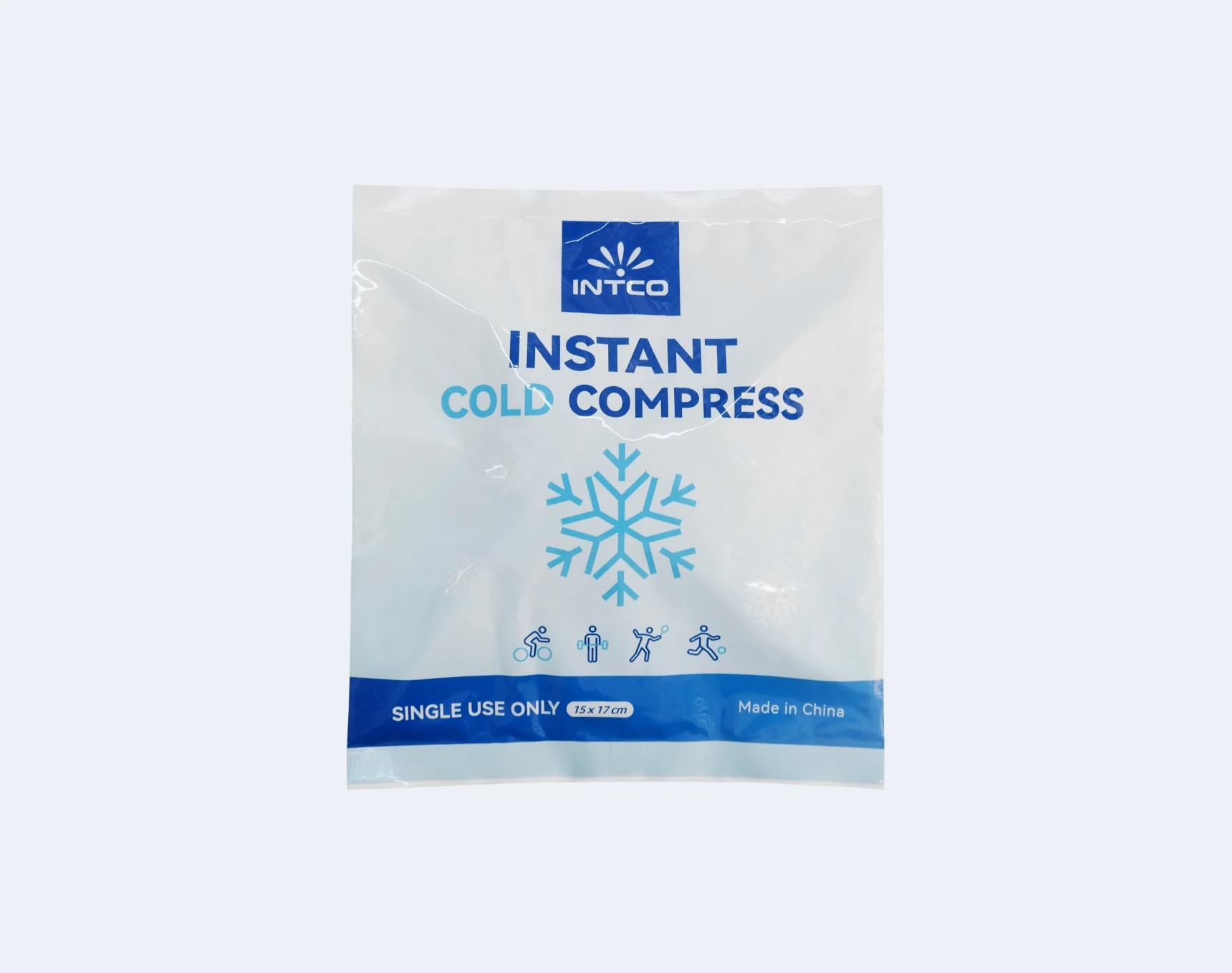
The 2026 catalogue gives you a quick place to start asking for papers. It lists many things. You will find hand, respiratory, and facial items. It shows body, ECG and ESU gear, plus personal care and disinfection supplies. It also lists cold and hot items, and wheelchair rehabilitation products.
Catalogue Product | Mark Displayed | Buyer Question |
Instant cold pack, p. 55 | CE 0197, FDA, EN ISO 13485 | What size, model, and purpose does it have? Do the DoC and scope fit this exact SKU? |
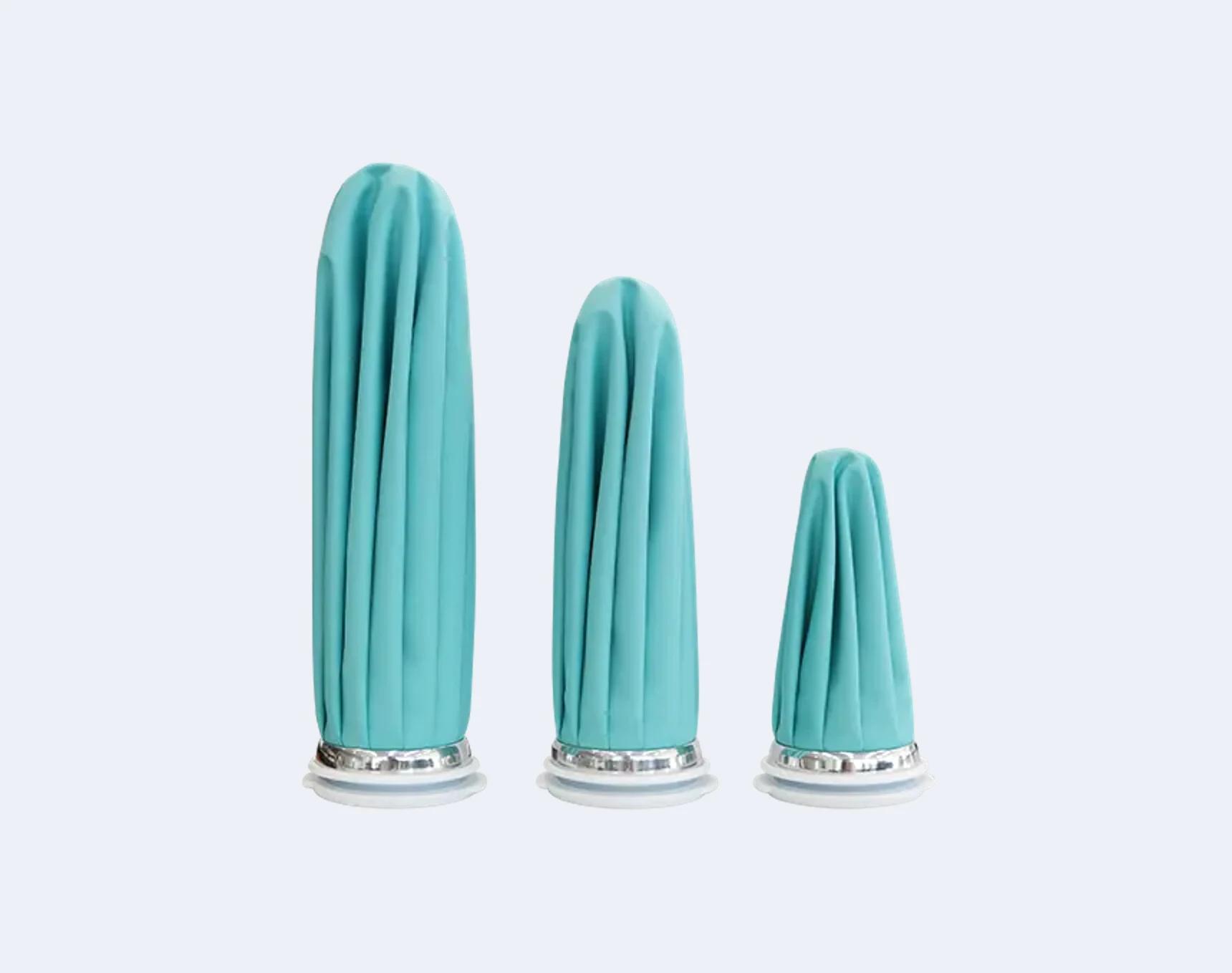
Ice bag, p. 56 | CE (Class I self-declaration), FDA device listing | What rule path covers this newest version and its label? |
Instant hot pack, p. 58 | CE 0197, FDA, EN ISO 13485 | Is this exact item and its stated use in the certificate scope? |
Gel pack, p. 60 | CE 0197, FDA, EN ISO 13485 | Exactly what materials, model, and artwork are tracked? |
Fever cooling patch, p. 64 | CE (Class I self-declaration), EN ISO 13485 | What class and exact use show up in the current EU file? |
Note: FDA establishment registration and device listing do not constitute FDA approval or 510(k) clearance. CE marking routes and certification requirements vary according to the product's regulatory classification.
These catalogue marks are just tiny clues. They help you screen items. Always ask for the real SKU-specific DoC and the certificate scope. Get the label, IFU, and tracking papers before you call an item MDR compliant.
How Can INTCO Medical Support a Traceable Buying File?
When you buy many different medical items, keeping track of papers is a big part of the job. INTCO Medical sells a lot of things. Their list includes medical consumables, cold and hot therapy products, and ECG accessories. They also have personal care items and rehabilitation equipment. Because of this, you can do one big supplier check. But you still keep your strict rules for each single SKU.
The best part is the deep detail on each product. The catalogue shows sizes, materials, and how to use them. It shows the packaging forms and clear certification marks for some items. Use these facts to write up an RFQ and plan your samples. After that, ask for the matching DoC and test results. Get the label artwork and find out how they will tell you if they change a part.
FAQ
Q1: Is a CE mark enough to prove EU MDR compliance?
A: No. The CE mark indicates that the manufacturer has declared the device's conformity with applicable EU requirements following the relevant conformity assessment procedure. You still need to gather the signed DoC and any Notified Body proof. You also need the label, IFU, exact device details, and scope for the item you are buying.
Q2: What should an EU buyer request first?
A: First, ask for the exact model and what it is meant to do. Get the most recent EU Declaration of Conformity medical device paper. Grab the label, the IFU, and all pages of the Notified Body certificate scope if that applies.
Q3: Does every device need a Notified Body certificate?
A: No, it depends on the MDR class and the chosen testing path. Check the specific rule path for that item. Then, double-check any certificate and scope with the group that issued it.
Q4: What are the main medical device importer EU requirements?
A: You have to check the maker's tests, the DoC, and the tech files. Look at the labels, the IFU, and the UDI if needed. Also, make sure they have good storage, clear tracking, a way to handle complaints, and plans for bad items.
Q5: How should a buyer use a catalogue CE mark?
A: Treat it like a simple hint. Use it to ask more questions. Request the true SKU-specific DoC and the certificate scope. Get the label, IFU, and papers that link your specific item to the legal maker and its true purpose.