







Medical Device Quality Control: What Buyers Should Verify Before Supplier Approval
ISO 13485 Medical Device Manufacturer: What the Certification Means for Buyers
FROM: INTCO Medical|27 Oct 2026
ISO 13485 is an international standard for quality management systems used by medical device organizations. It sets requirements for how organizations manage quality-related processes, including documentation, production controls, traceability, and corrective actions.
For medical device buyers, ISO 13485 certification helps assess whether a supplier has an established quality management system within the certified scope. However, it does not automatically mean that every product is approved for sale in every market or that every product meets all applicable regulatory requirements.
Before choosing a supplier, buyers should verify the certificate holder, manufacturing site, certification scope, and validity period. Product-specific specifications, test reports, and regulatory documents should also be reviewed separately.
What Does ISO 13485 Certification Mean for a Medical Device Buyer?
An ISO 13485 certificate provides evidence that a quality management system has been assessed against the applicable requirements within the certificate’s scope. Buyers should verify the certified legal entity, manufacturing site, covered activities, and product scope. The certificate does not, by itself, establish that every product meets all regulatory requirements for every target market. Product-specific approvals and compliance documentation should be reviewed separately during supplier qualification.
Which Details Should You Read on the Certificate?
Look for the legal maker's name, the factory place, and the types of devices. Also, check their tasks, like designing, making, packing, or cleaning the goods. They might also store or ship the items. Write down who gave the certificate, its number, the dates, and if it is fully approved. Check what is left out, and make sure the paper matches the exact factory making your order.
Which ISO 13485 Controls Affect Supplier Qualification?
ISO 13485 links your buying choices to written proof. When you do an ISO 13485 supplier audit, ask how every rule creates proof. Make sure your team can easily find and read these notes.
What Records Should a Supplier Show?
Design controls and risk management: You need to see approved rules, risk files, and design-change papers.
Purchasing and process validation: Check how they approve their own suppliers and look at incoming checks. See their machine settings and tool-checking records.
Nonconforming product and CAPA: Look for how they lock up bad items and decide what to do with them. Check their plans to fix problems for good.
Complaint handling and feedback: Find their complaint log, see how they look into bad feedback, and who steps in to help.
Change control: They must review parts, steps, factories, labels, and boxes before shipping.
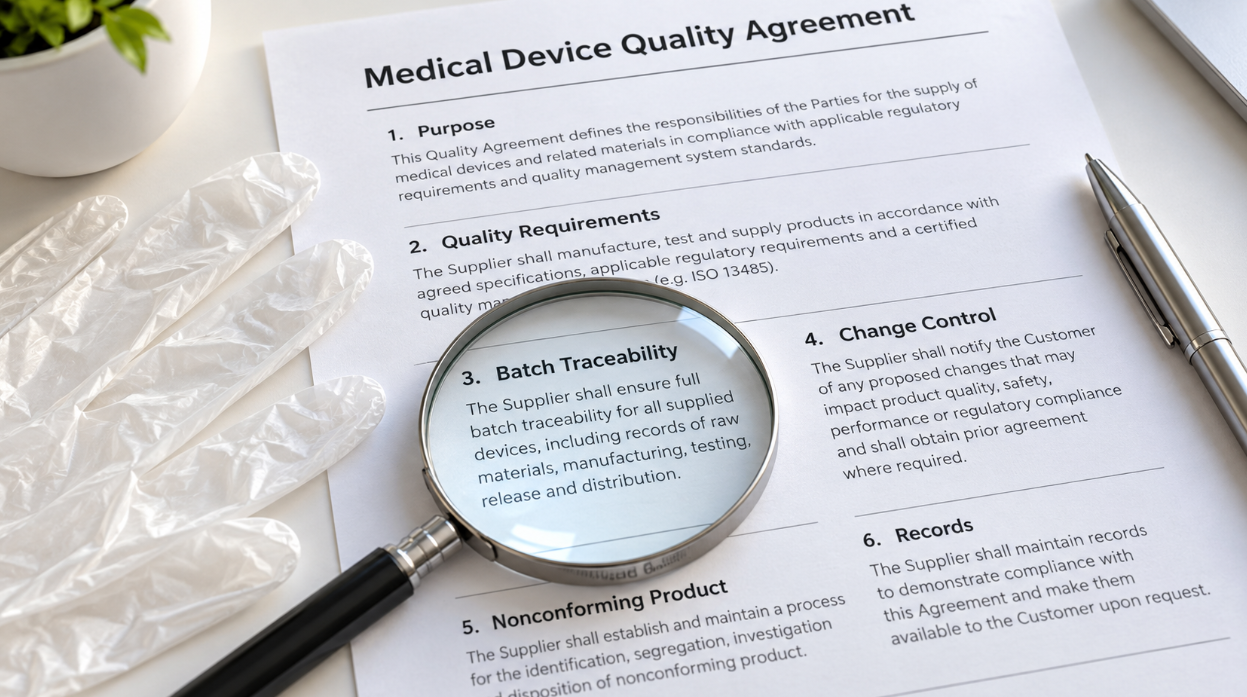
Identification, batch traceability, and lot release: Look for clear links connecting raw materials, making steps, and tests. They must also connect to final release and shipping.
This trail of proof is the real value of a medical device quality management system. It gives you clear answers, like telling you exactly which batch of parts went into your shipment.
What Does the Certificate Leave for the Buyer to Verify?
The certificate helps you check the factory, but you still have to check the product itself. You must look at the exact SKU, the making line, the planned use, and the target market. Also, check the pass rules listed in your buying order.
Which Product Documents Belong in the File?
Ask for the approved details, a sample, drawings, and the box art. Get the technical file index, risk notes, test plans, and test results. You also need the analysis paper, proof of rules met, and the release form. If the item is clean and germ-free, ask for those cleaning records. For every single batch, get a tracking example and the lot release paper. Your quality deal must name the people in charge, how fast they will answer you, and rules for telling you about changes.
How Should You Run an ISO 13485 Supplier Audit?
Use this step-by-step plan before you say yes to buying, and use it again when you check them later.
Six Checks for a Medical Device OEM Supplier
Match the entity: Look at the name on the certificate and make sure it is the same as the factory making your goods.
Match the scope: Check the device type to make sure the factory's work covers your exact SKU.
Verify the issuer: Note who gave out the paper, its valid dates, and its number.
Sample the records: Follow one finished batch from the raw parts all the way through the middle checks, final test, and release.
Review change control: Ask how they tell buyers about new parts, box changes, or moving factories.
Test the response path: Look at one past complaint or bad product record, making sure they hide private names.
These steps help you make a good buying choice and test the whole medical device OEM process across design, making, and feedback.
What Should You Request Before Ordering OEM Medical Supplies?
Always connect your product idea to the shipping papers when buying custom medical goods for different places.
Pre-Order Evidence Checklist
- Get the newest ISO 13485 certificate and check what it covers.
- Get a chart showing who is in charge at the factory.
- Keep the approved sample, details, and the test rules.
- Get the parts papers, incoming test notes, and tool-checking records.
- Ask for the technical file index, regulatory documentation for medical devices, and market papers.
- Look at the box art, the label history, and the translation checks.
- See how they handle complaints and fix bad items.
- Check tracking examples for different batches.
- Know their making plans and speed.
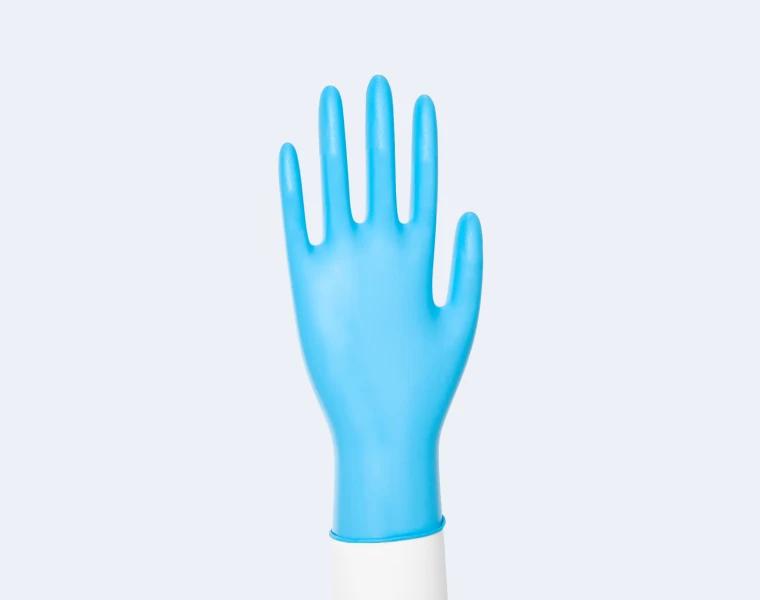
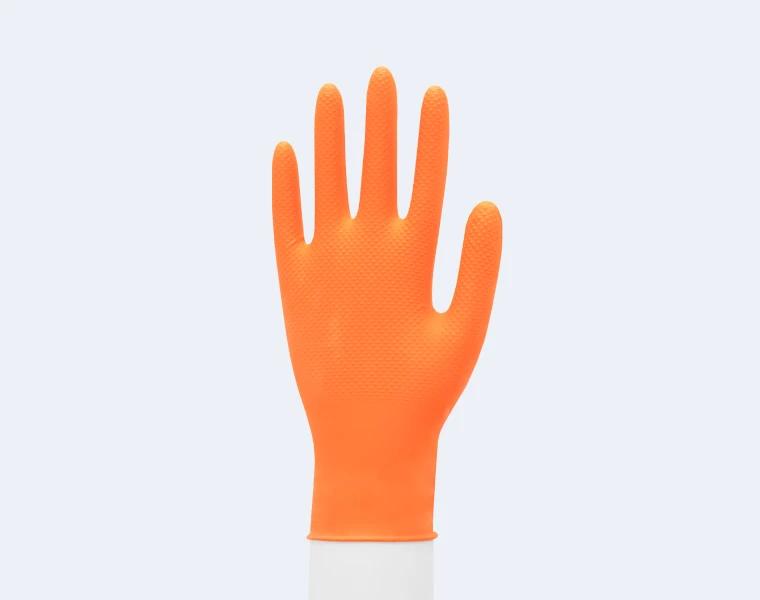
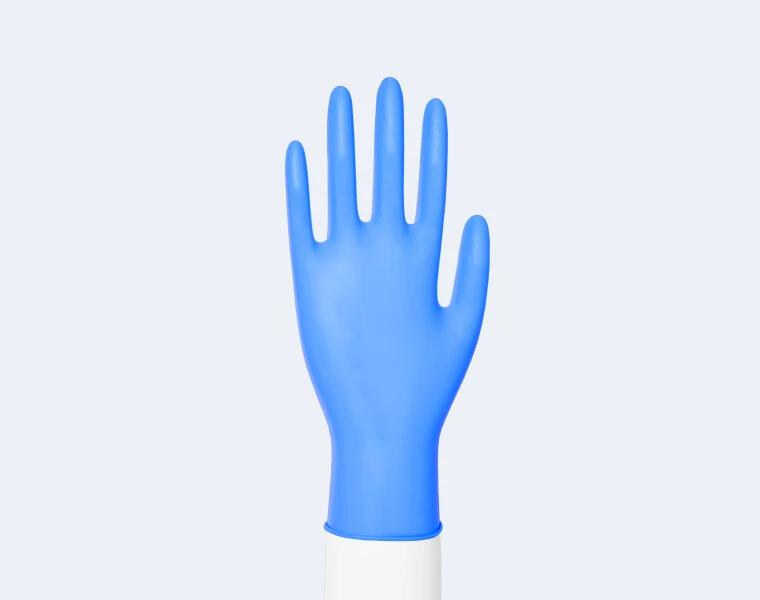
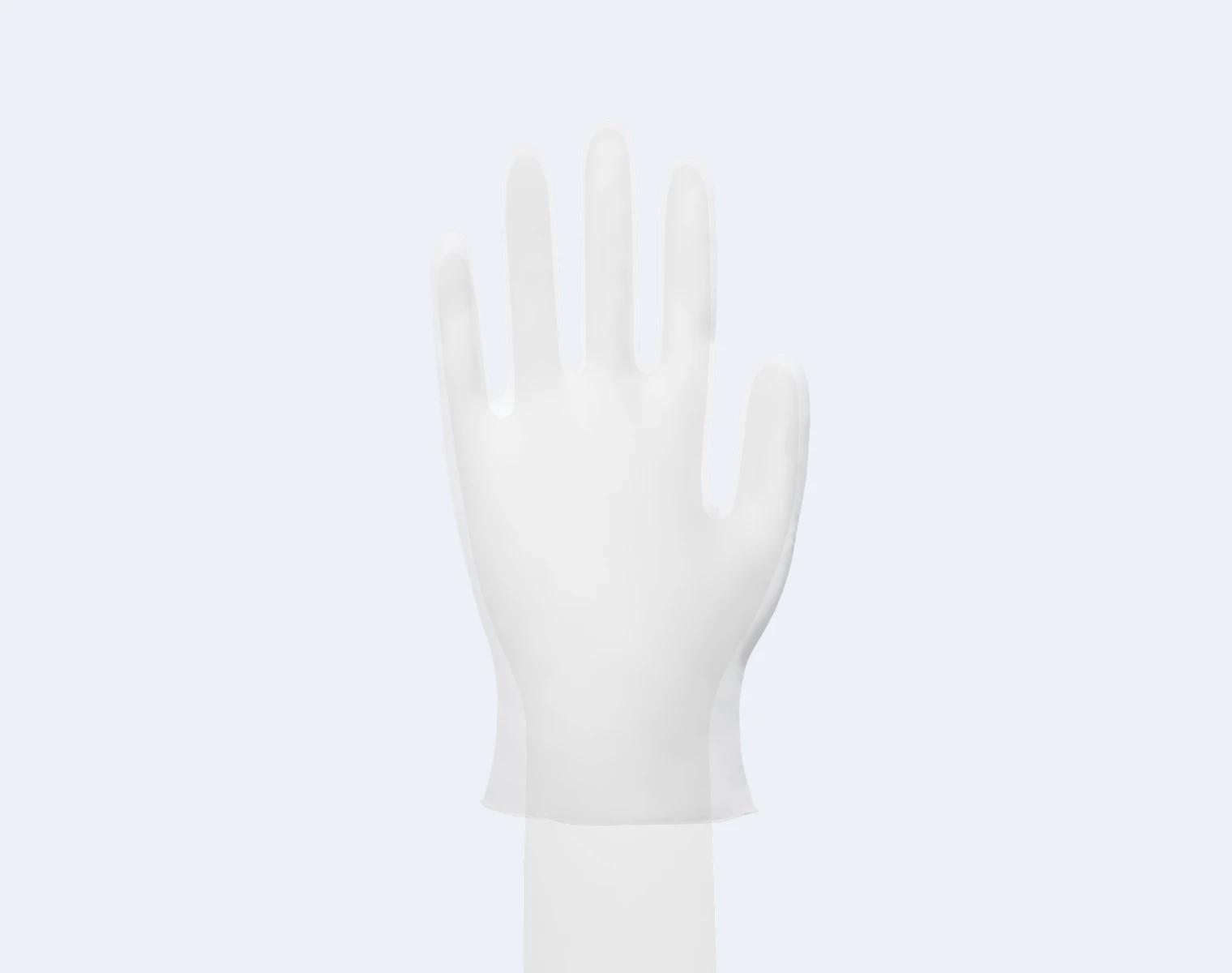
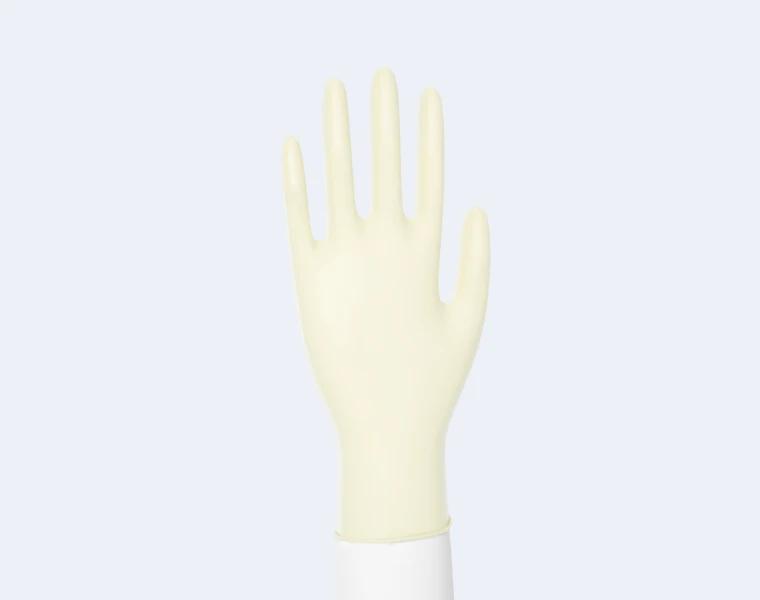
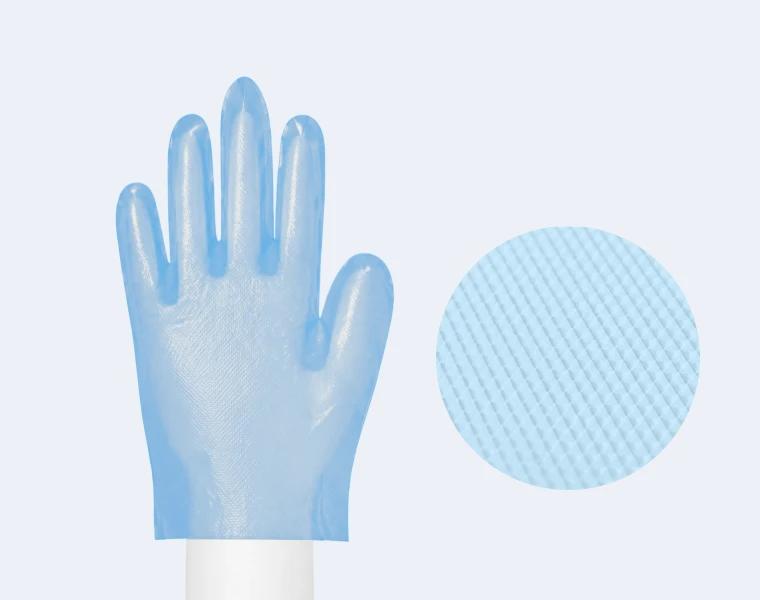
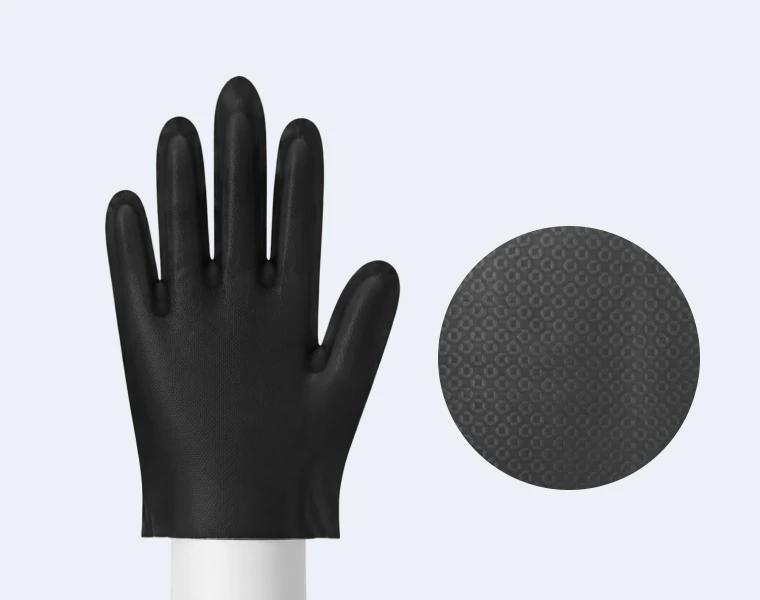
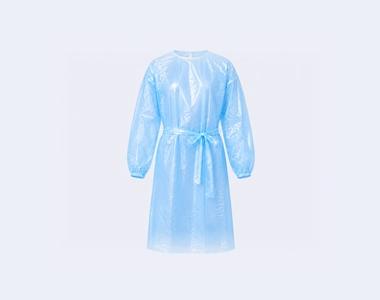
For an examination glove OEM project, verify the raw material, thickness, size, color, powder status, and applicable performance test results. For a surgical mask OEM project, review the layers, breathability, ear loops, packaging, and applicable test results. For a protective gown OEM project, review the material, seams, sizing, and applicable protective performance requirements. Each SKU should have product-specific specifications and supporting quality records.
How Can You Turn the Review into an Ongoing Control?
Saying "yes" is an ongoing job because parts, labels, and needs always change. Keep a grade card for the factory. Track their certificate, open problems, past complaints, shipping speed, and change notes. Connect every check to the SKU and the sales place.
What Should the Scorecard Track?
Track if the certificate is still good and fits your needs. Track the product papers, tracking notes, and how they fix problems. For private label medical products, add the art version, importer facts, language approvals, and market status. A clear history lets all your buying, quality, and shipping teams share the exact same facts.

Where Can a Multi-Category Supplier Fit This Review?
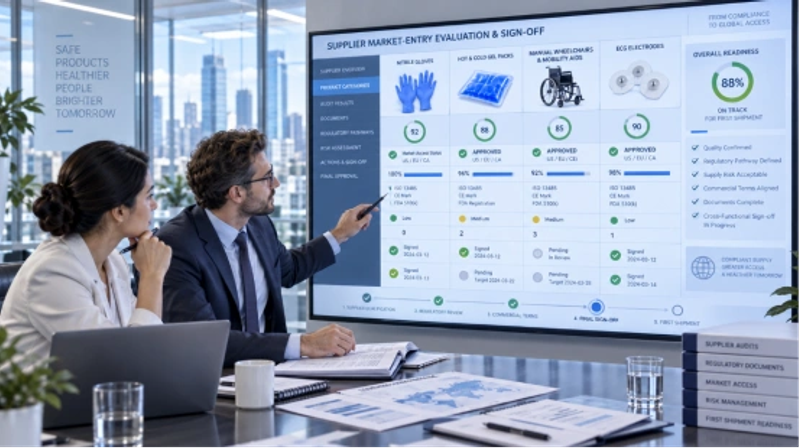
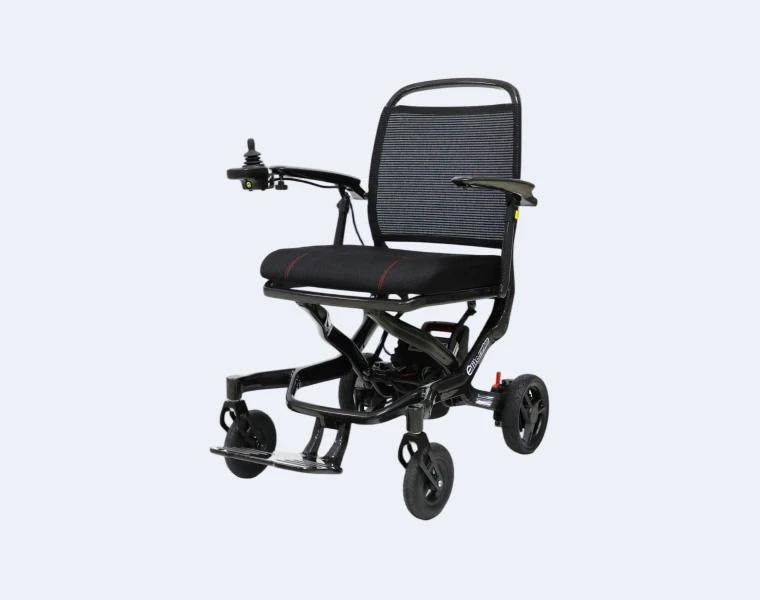
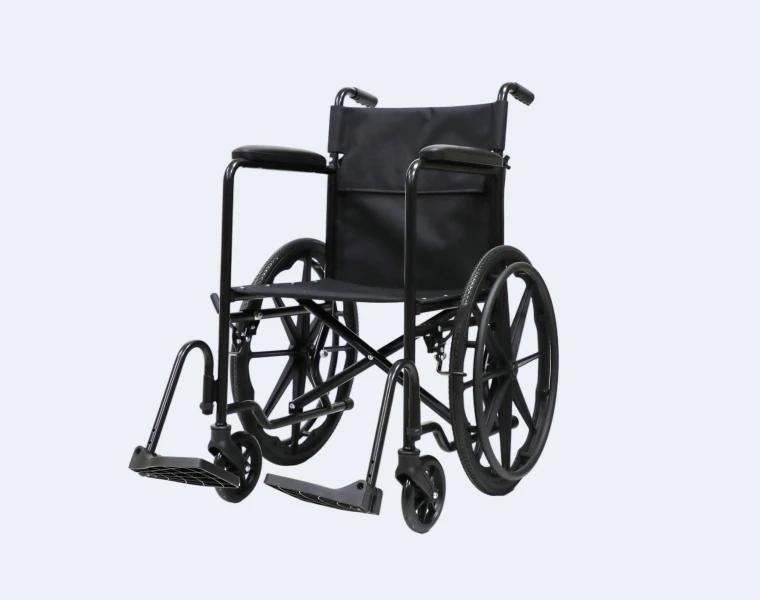
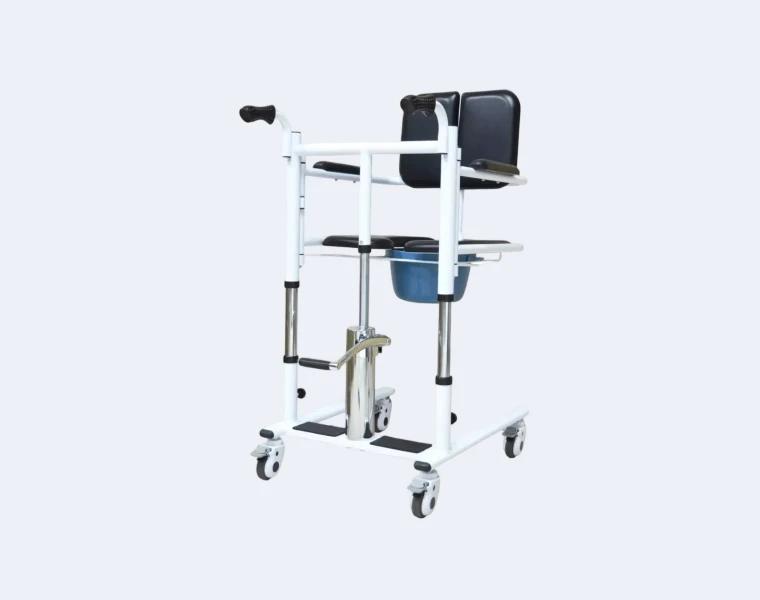
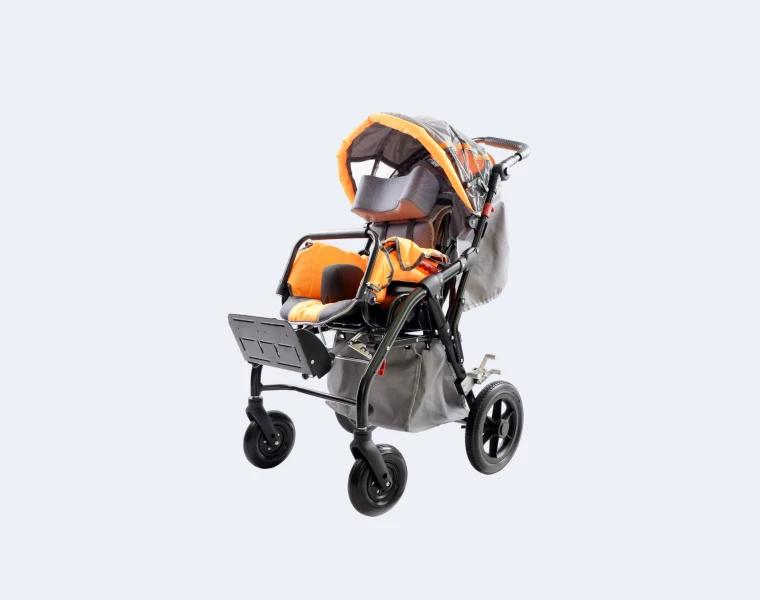
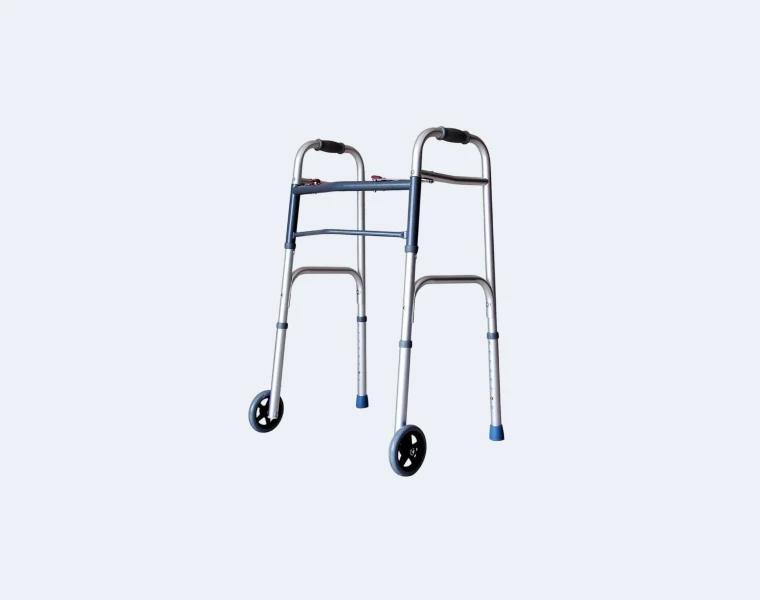
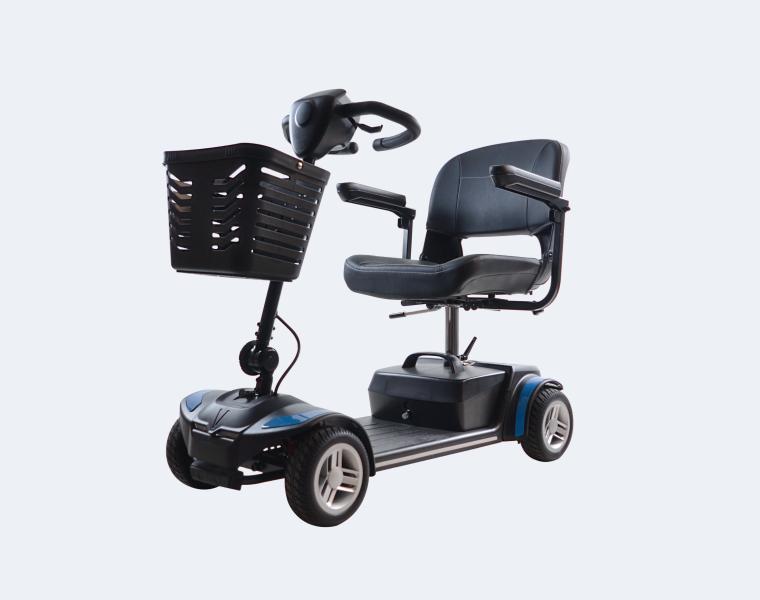
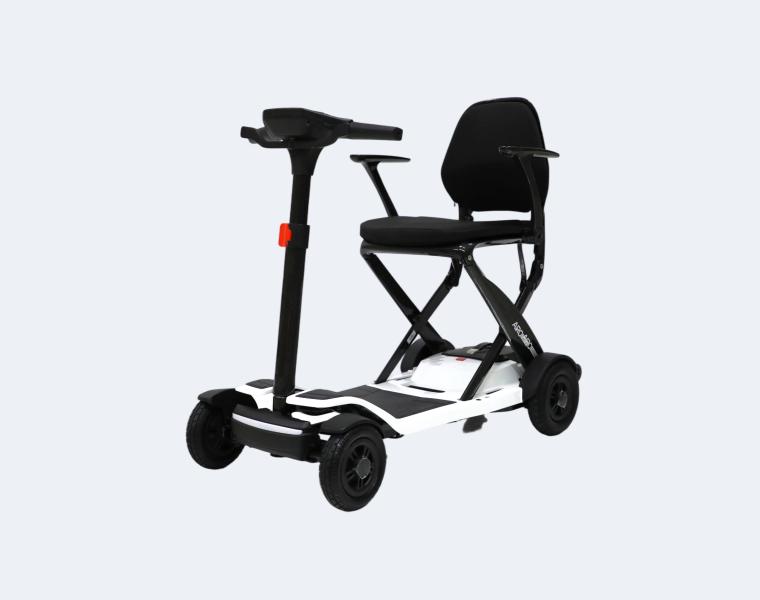
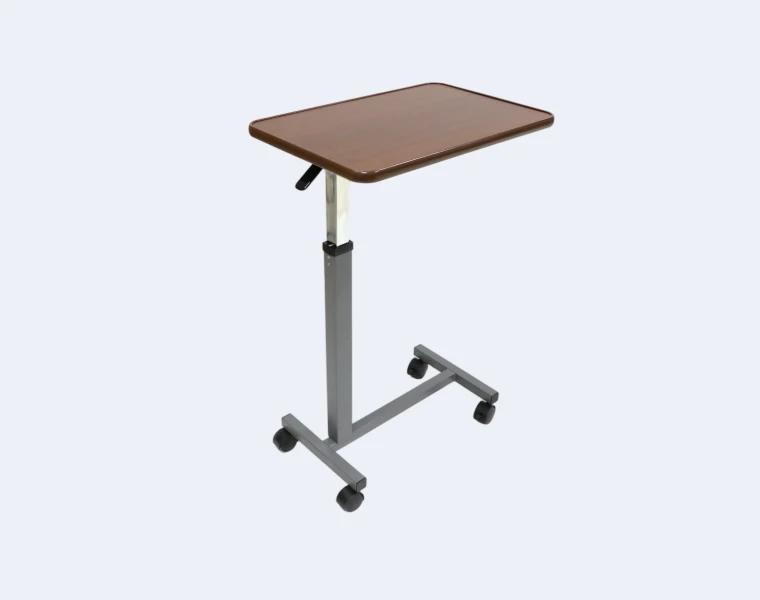
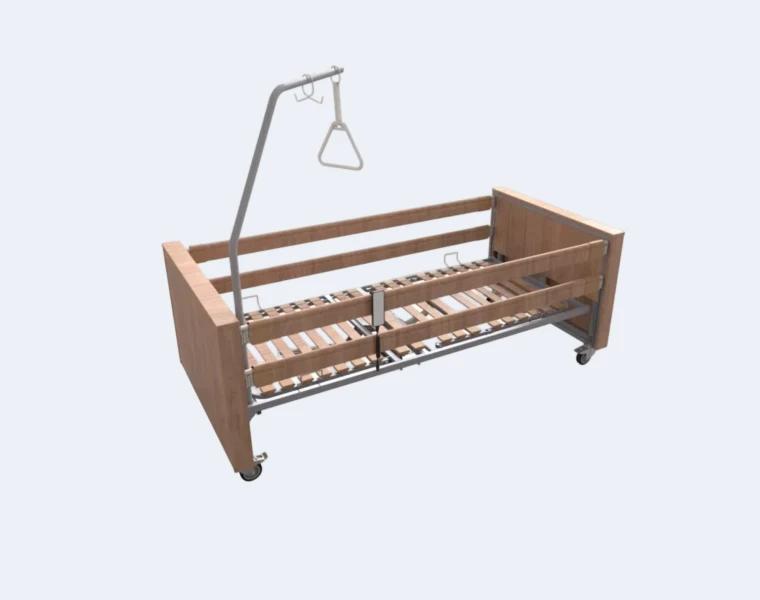
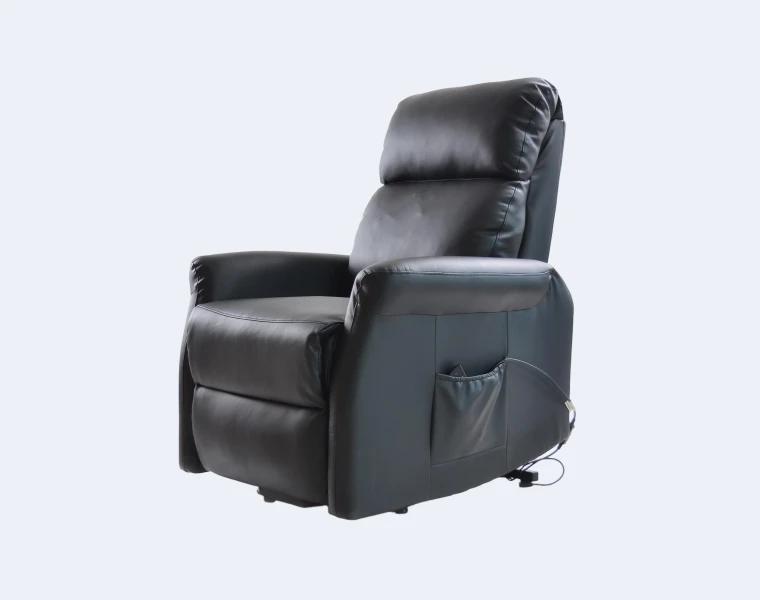
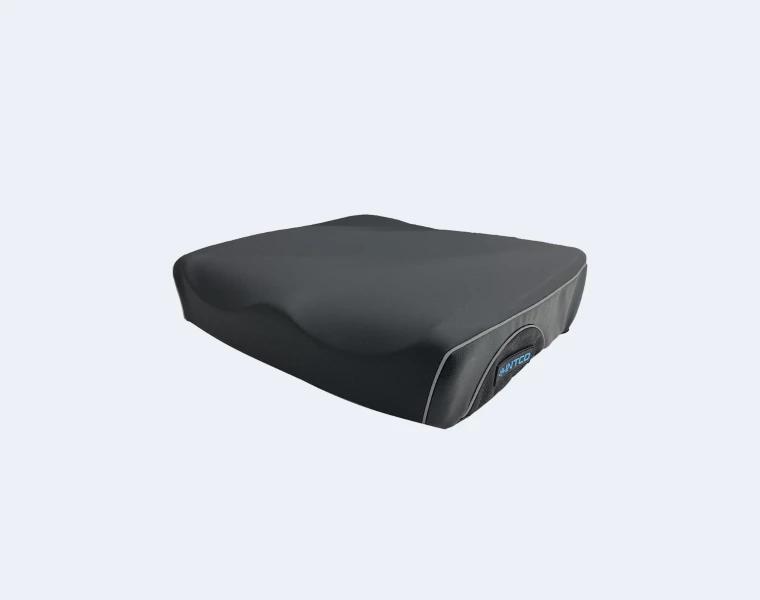
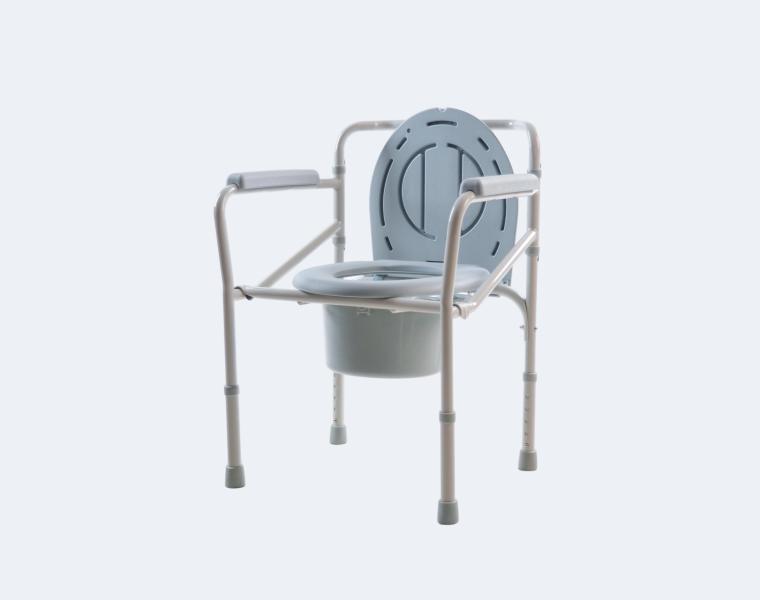
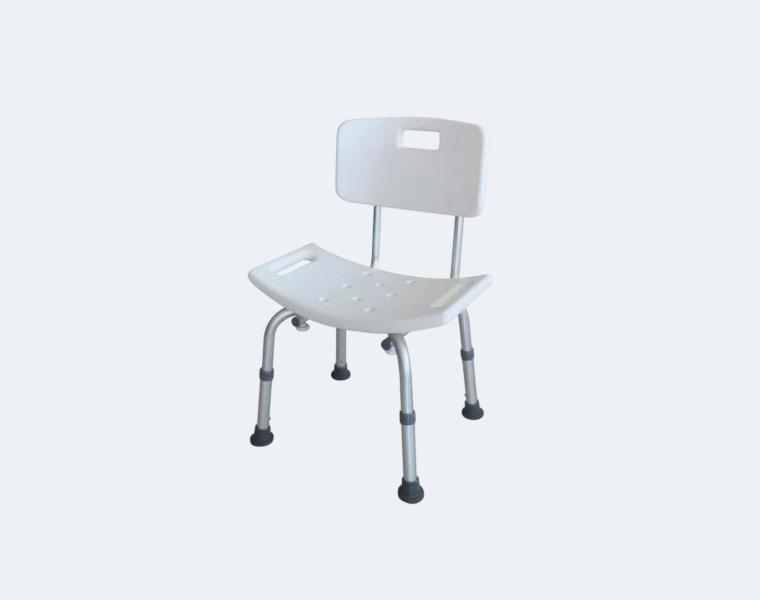
When evaluating a multi-category medical supplier, buyers should verify the documentation for each specific product. INTCO Medical’s product portfolio includes medical consumables, rehabilitation equipment, physical therapy products, hand protection, face masks, ECG and ESU products, and personal care products. Product availability and applicable documentation should be confirmed for each category.
INTCO Medical offers OEM and ODM services for selected product categories, subject to product-specific capabilities and requirements. Buyers should confirm the available services, manufacturing site, and applicable quality documentation for each product before placing an order.
You might inspect nitrile gloves, PVC gloves, or latex examination gloves. You can also review isolation gowns and protective clothing. They need different specs but share just one quality agreement. INTCO Medical serves customers in 150+ countries and regions, operates 10 R&D and production bases, and serves 15,000+ customers worldwide. These figures prompt smart questions about site mapping and global medical supply chain planning.
For any buyer, the real test is hard proof. Push the medical gloves manufacturer for the exact certificate. Demand batch notes for your specific order. Request box art and regulatory documentation for every market you serve.
FAQ
Q1: What does an ISO 13485 medical device manufacturer provide?
A: They deliver a certified quality framework for exact items. Furthermore, they supply product specs and testing evidence. You also get production logs, release sheets, and shared guidelines for managing changes.
Q2: Does ISO 13485 certification cover every product from a supplier?
A: No. It strictly applies to the listed factory and the device categories shown on the document. You must still gather unique technical notes and compliance proof for every single item.
Q3: Which record proves batch traceability?
A: Look for a redacted lot record. It ties raw materials directly to production data. Plus, it links in-process checks, final tests, lot release, and the shipping ID.
Q4: How does medical glove manufacturing fit an ISO 13485 review?
A: You look at the plastic, thickness, size, cuffs, and tests for the exact glove. Prototype validation for healthcare products should tie the approved sample to those factory notes.
Q5: What separates medical device OEM and medical device ODM work?
A: OEM follows your exact rules and approved design. ODM starts with an existing base design, and then records your changes in the details, boxes, and rule files.