




























Previous
How to Evaluate a Wheelchair Manufacturer: Quality & Supply


A low unit price can become expensive after a failed inspection, an incomplete technical file, or a shipment that misses a hospital rollout. This medical supplies sourcing guide gives you a practical framework for medical supply sourcing, from the first specification sheet to post-delivery review. It also answers a common B2B question: how to source medical supplies across medical consumables, diagnostic accessories, protective apparel, and rehabilitation products while retaining control of quality, cost, and continuity.
The working principle is simple. Every claim needs a document, every document needs a matching product, and every critical specification needs a test or inspection record. That discipline gives B2B medical supplies sourcing teams a clean trail for purchasing, quality, regulatory, and finance reviews.

Start with intended use and the risk created by product failure. A glove used for food handling carries a different exposure profile from a sterile examination glove. A manual wheelchair also needs a different review from an ECG electrode. Good medical product evaluation connects the application, product specification, applicable market rules, packaging, and acceptance test.
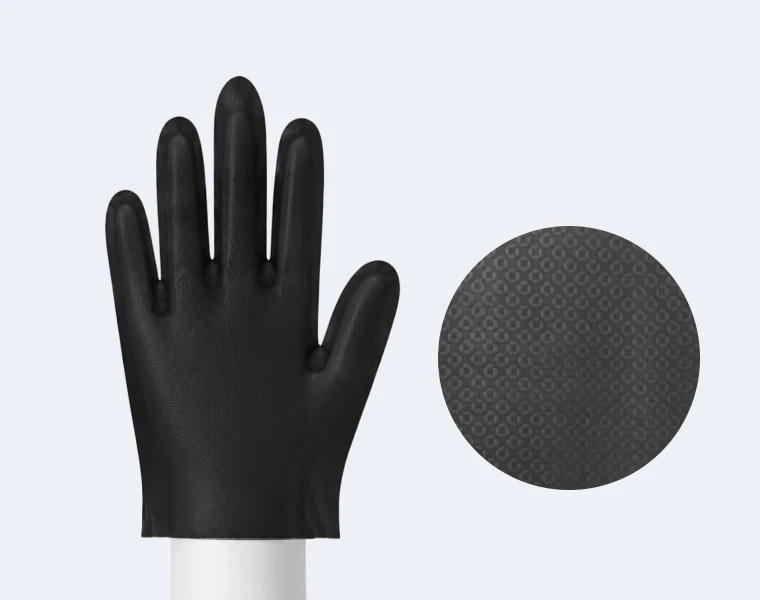
Build a specification sheet that purchasing and quality teams can read the same way. For examination gloves, specify material, powder status, length, thickness, texture, cuff design, freedom from natural latex, and required standards. One current product catalogue, for example, lists nitrile examination gloves in 9-inch and 12-inch lengths with 3 to 6 mil thickness, plus references to ASTM D6319, ASTM F1671, ASTM D6978, EN 455, and EN ISO 21420. Your purchase order should state which values and standards apply to the exact SKU.
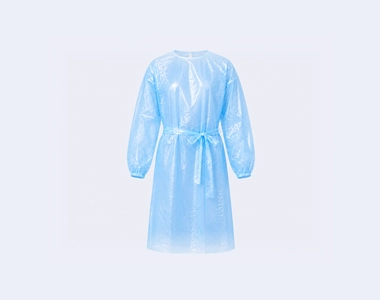
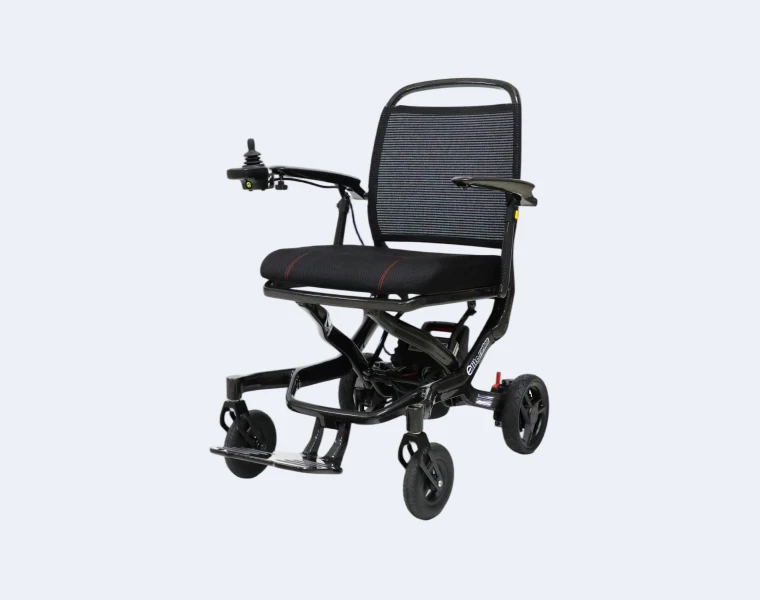
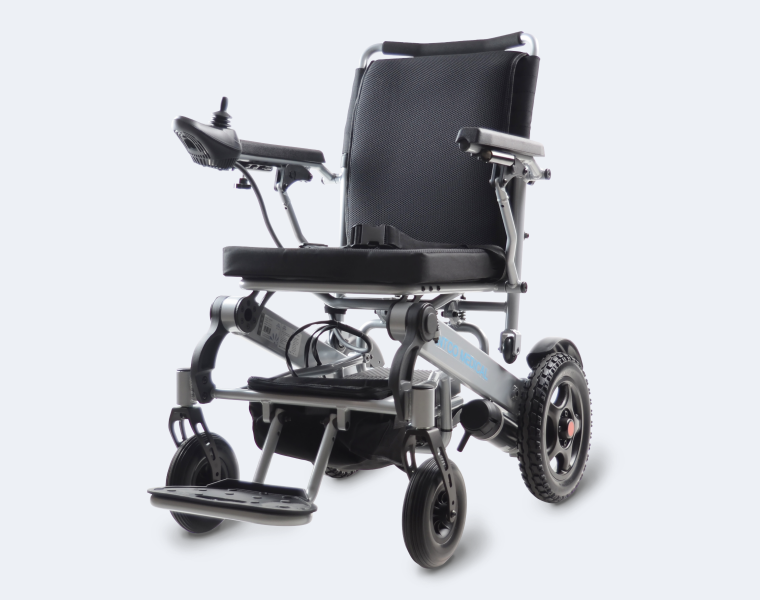
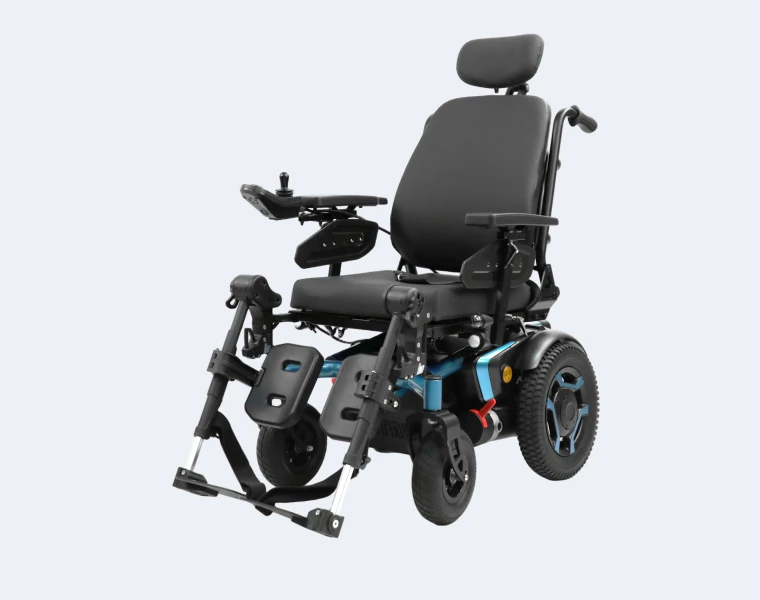
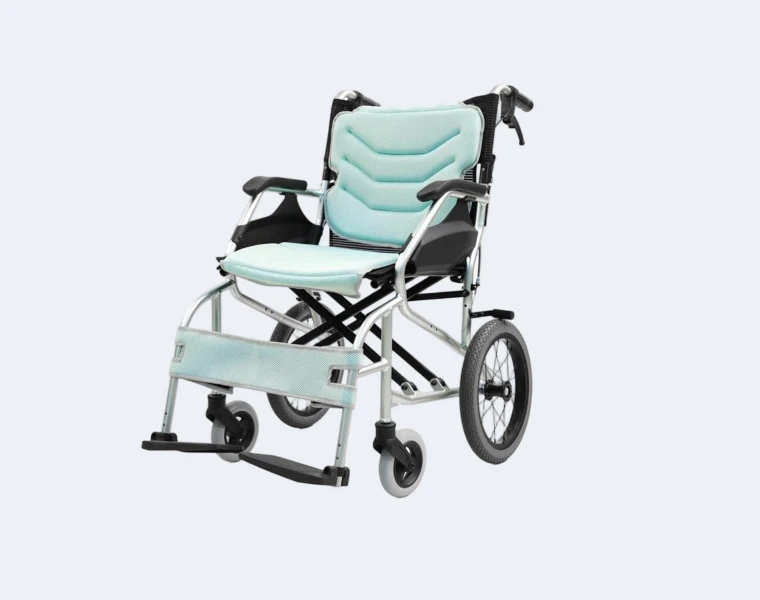
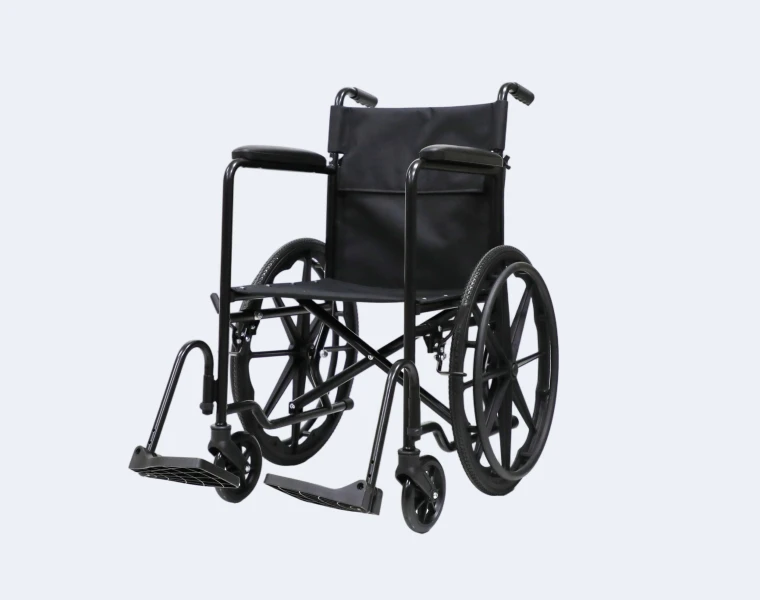
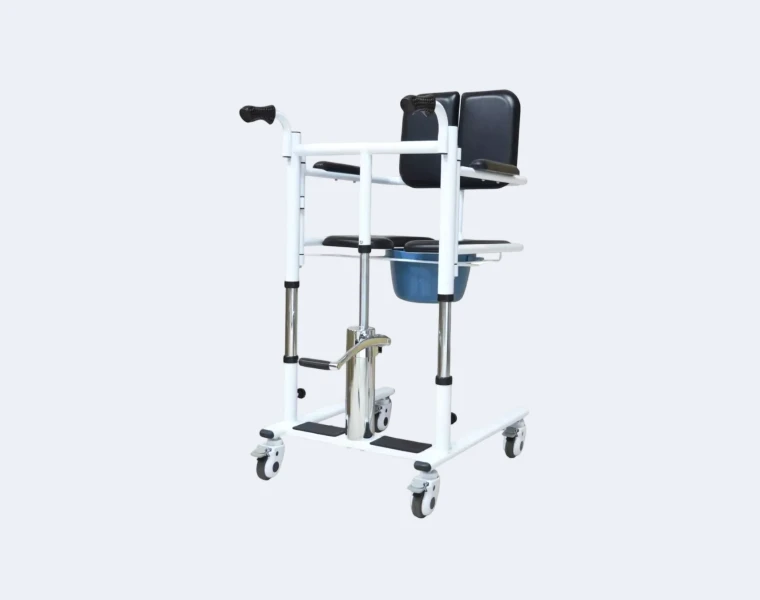
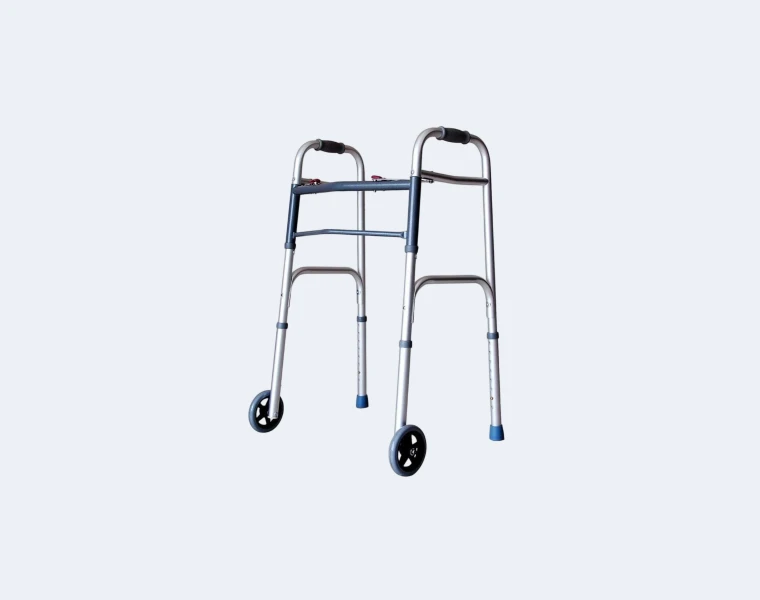
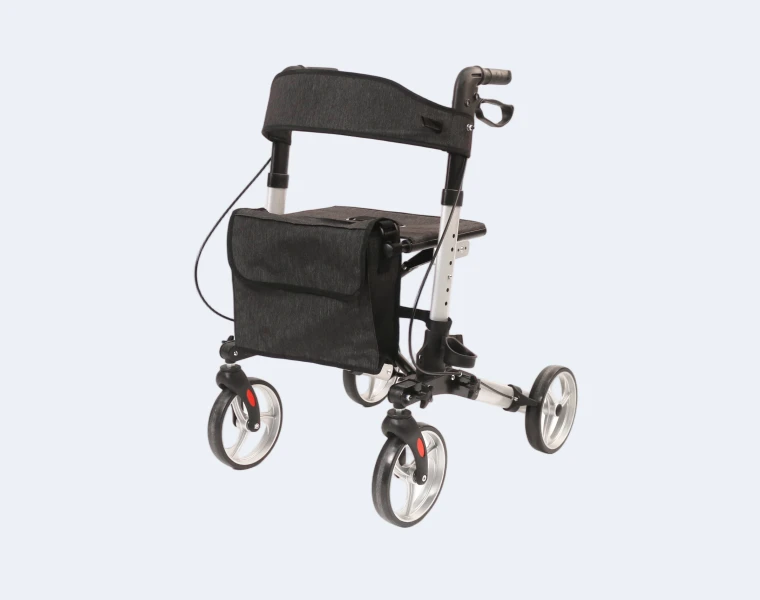
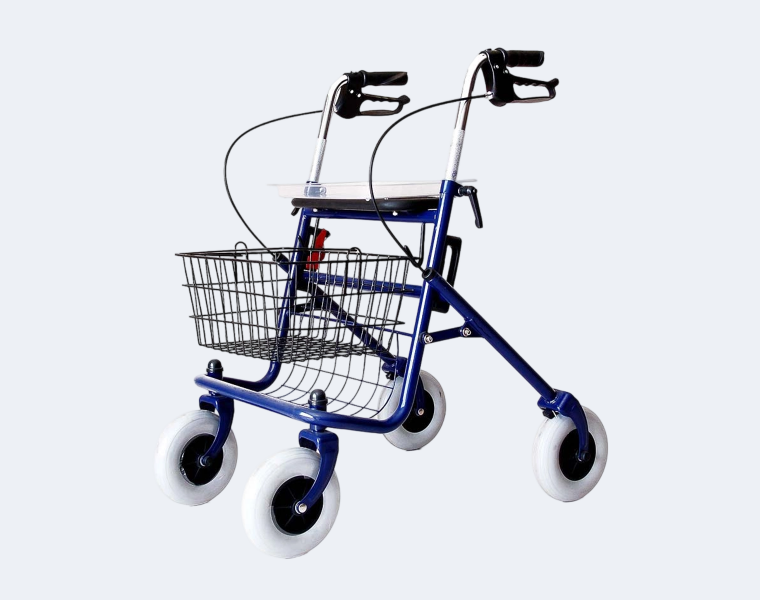
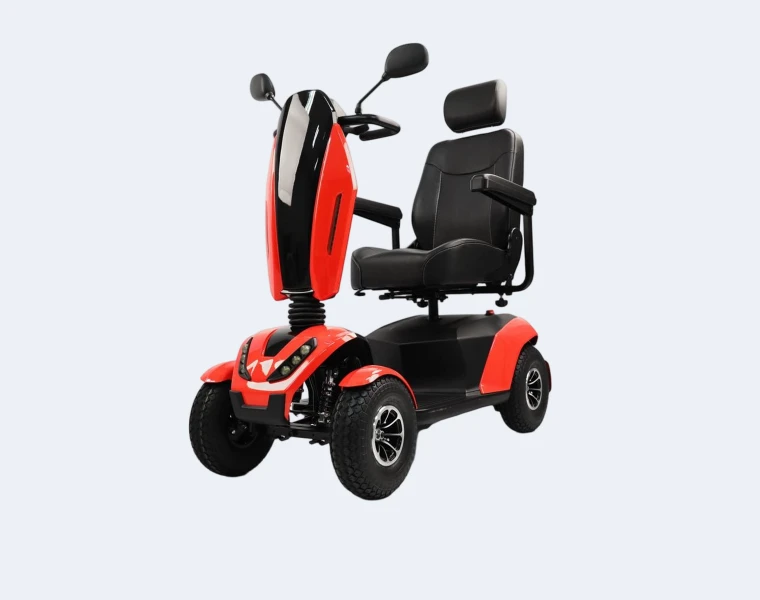
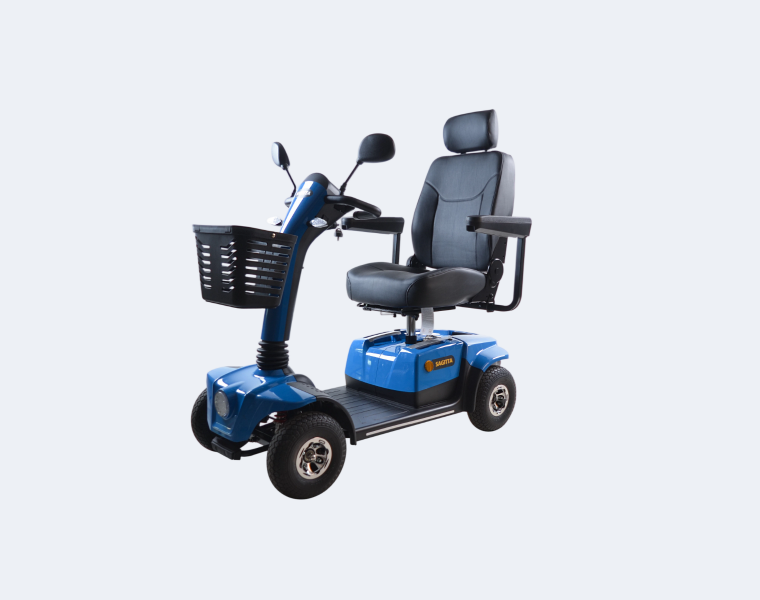
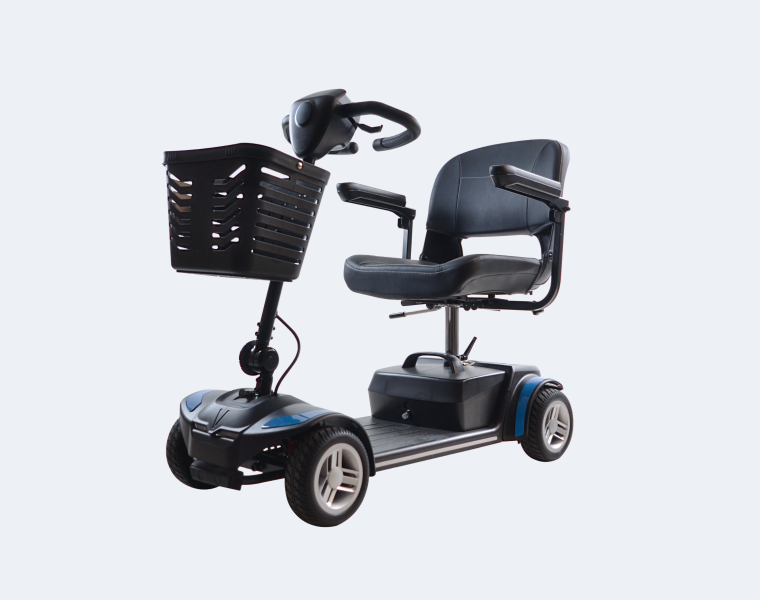
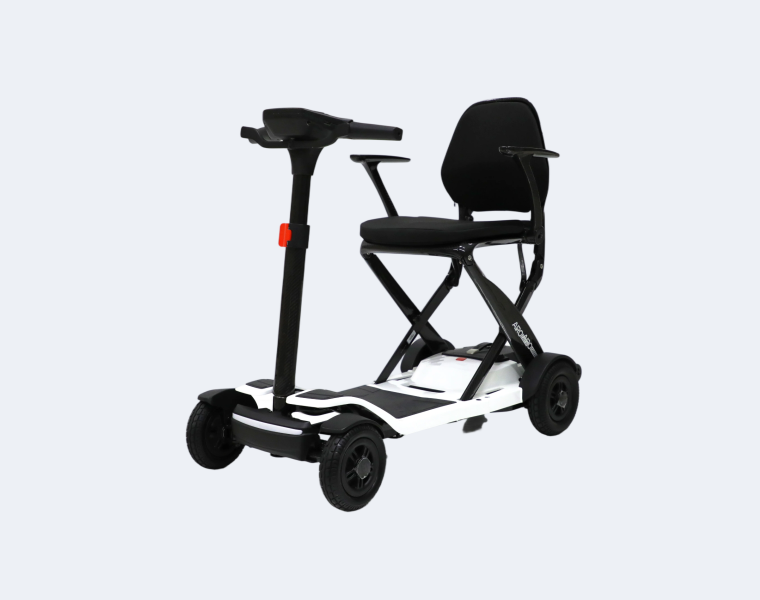
The same method works across other categories. Isolation gowns may use SPP, SMMS, or SPP plus PE, with weights from 20 to 45 gsm and protection levels from general use through AAMI Level 3. Particle-filtering masks may require FFP1, FFP2, or FFP3 classification under EN 149. Rehabilitation products need frame material, user weight capacity, brake type, wheel configuration, folded size, and carton data.
Regulatory compliance starts with the destination country and intended use. Ask for certificates, declarations, test reports, labeling samples, and registration evidence where applicable. Check the legal manufacturer, product name, model, standard edition, issue date, expiry date, and issuing body. A certificate for one glove family does not automatically cover another formulation or thickness.
Your quality assurance protocols should also define incoming inspection. Useful checks include dimensions, appearance, packaging integrity, lot coding, functional performance, and sample-based testing. For sterile products, review the sterilization method, validation summary, sterile barrier, and shelf-life evidence.
Strong medical supplier evaluation looks past a polished catalogue. You need evidence that the factory can make the approved product repeatedly, control changes, investigate defects, and ship within the agreed window. This applies to a medical device supplier and a medical consumables supplier, though the audit depth should reflect product risk.
A practical medical supplies supplier qualification process has five gates:
This sequence is also the clearest answer to how to evaluate medical supply suppliers. A useful supplier audit checklist records evidence, owner, due date, and closure status for every finding. It should include subcontractors and outsourced sterilization when those steps affect product safety.
Ask how the supplier handles mix changes, seasonal demand, raw-material shortages, artwork revisions, and split shipments. Compare forecast lead time with committed lead time. Review minimum order quantities by SKU and the number of units per carton. A small detail such as an oversized carton can add storage pressure across hundreds of pallets.
Communication also deserves a test. Send a short technical question set and record response time, completeness, and document version control. One vague answer can be corrected. A pattern of vague answers belongs in the risk score.
Purchase price covers one line in the cost model. Total cost of ownership includes inspection, testing, freight, duties, storage, damage, expiry, training, returns, and the labor needed to manage quality events. It also includes the cost of clinical or operational disruption when a product arrives late or performs poorly.
|
Cost Area |
Evidence to Request |
Typical Risk Signal |
|
Product |
Quotation by SKU and Incoterm |
Unclear specification basis |
|
Quality |
Test plan and inspection level |
Testing quoted after order placement |
|
Logistics |
Carton size, weight, lead time |
Freight estimate based on sample cartons |
|
Inventory |
Shelf life and minimum order quantity |
Large batches with short remaining life |
|
Service |
Complaint and replacement process |
No response target or root-cause format |
A product design can also change downstream cost. A catalogue describes a cuff-first glove dispensing format and reports reductions of 20% in glove waste, 50% in donning time, and 40% in transport and storage cost. Treat figures like these as supplier claims. Ask for the test protocol, sample size, baseline packaging, and conditions before adding them to a savings model.
A supplier risk assessment should score product severity, regulatory exposure, source concentration, process complexity, financial health, logistics route, and recovery time. Review the score at onboarding, after major changes, and after quality or delivery events. This turns medical supply chain risk into a set of owned actions.
To reduce risk in medical supply procurement, link each major failure mode to a control. Counterfeit or unauthorized product calls for approved-channel checks and lot verification. Specification drift calls for signed samples and written change approval. Delivery failure calls for buffer rules, alternate routes, or a qualified second source. Repeated defects call for containment, root-cause analysis, corrective action, and effectiveness checks.
Track a short supplier scorecard each month. On-time delivery, lot acceptance, complaint rate, corrective-action closure, and document accuracy give you a usable view. Procurement teams sometimes collect twenty metrics and discuss none of them. Five owned metrics are usually more useful.

Once your controls are defined, supplier range becomes relevant because category consolidation can reduce audits, document handling, and shipment complexity. INTCO Medical connects medical consumables with rehabilitation products, physical therapy, ECG electrodes, and personal care products. That range supports a sourcing review built around shared quality and logistics requirements while preserving product-specific checks.
The useful distinction lies in the technical breadth visible across the portfolio. Glove options cover examination, sterile, chemical-resistant, and dispensing formats. Protective products include masks, face shields, gowns, caps, shoe covers, and sleeves. ECG electrodes list multiple backing materials and snap formats, while rehabilitation products publish user capacity, battery, wheel, brake, folded-design, and carton details.
You can compare these specifications against one qualification framework, then set separate acceptance criteria for each risk class. Product category data also gives procurement teams a practical starting point for building an RFQ around application and product-level requirements.
A: Define intended use, users, environment, destination market, and measurable acceptance criteria before requesting prices.
A: Verify the business license, quality system certificates, product certificates, declarations, test reports, labeling, traceability records, and any market registration required for the target country.
A: Compare samples with the written specification, artwork, packaging, functional requirements, and test plan. Keep an approved reference sample for production comparison.
A: Review critical suppliers monthly or quarterly, and repeat the review after major process, material, site, ownership, regulatory, or quality changes.
A: Link every product claim to evidence, every supplier approval to a recorded assessment, and every identified risk to a named control and review date.
A: A medical supplies manufacturer with multiple product categories can help buyers simplify supplier management, improve documentation efficiency, and build more consistent quality control processes across different product lines. However, each product category should still be evaluated based on its specific application, regulatory requirements, and acceptance criteria.


