
























Previous
Evaluating Medical Glove Manufacturers: Capacity, Quality & Supply Guide


Choosing a wheelchair manufacturer affects user safety, service costs, and your ability to maintain a stable supply. For distributors, healthcare providers, and medical equipment buyers, selecting the right supplier is essential for long-term business success.Start with a written specification for user group, load, terrain, shipping market, target price, and annual demand.
Then ask each supplier to map its products and evidence to that specification. A useful review compares three areas: product fit, quality controls, and supply capability.
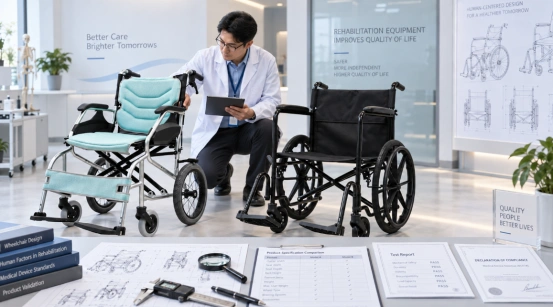
A credible product range gives you options for different users and care settings. Review the engineering details, catalogue coverage, and model documentation together. Ask for the technical file, including product specifications, test reports, compliance documents, available sizes, spare-parts lists, packaging data, and the production status of each model.
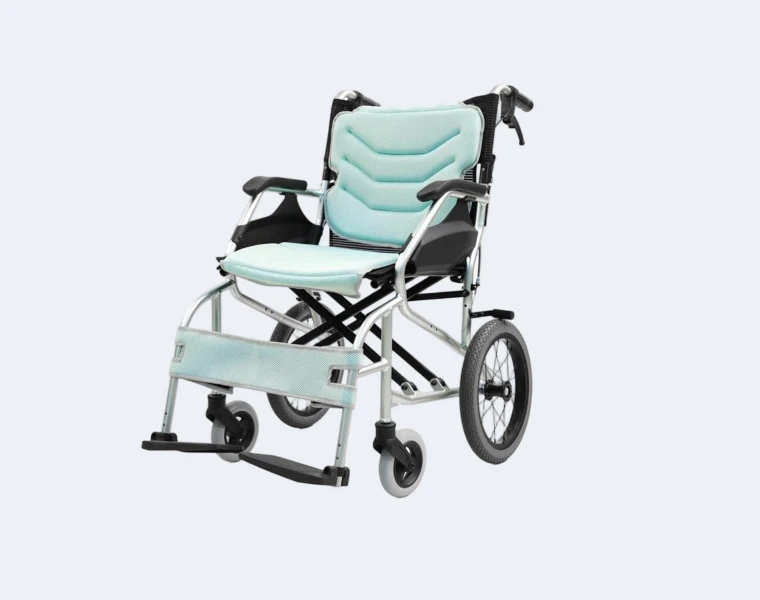
For a manual wheelchair manufacturer, check frame material, brace design, wheel and tyre type, armrest configuration, footrest removal, seat upholstery, and folding method. Different models may offer different configurations, such as double cross braces, various front and rear wheel sizes, detachable options, and different weight capacities. Some models also provide anti-tip protection options for enhanced stability.
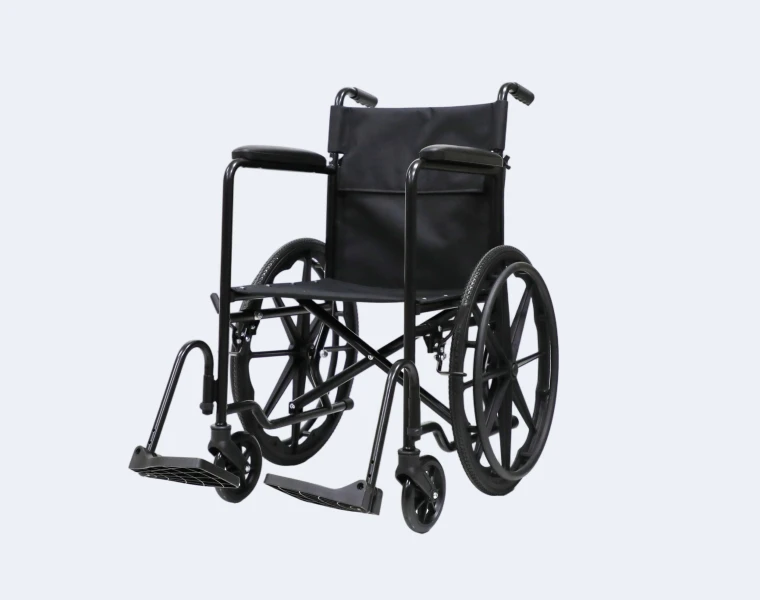
A steel model, such as ECO, uses a single cross brace, detachable footrests, and a 100 kg capacity. Other steel wheelchair models may offer different weight capacities depending on their design. These details affect transport weight, cleaning, repair time, and the user’s daily transfer routine.
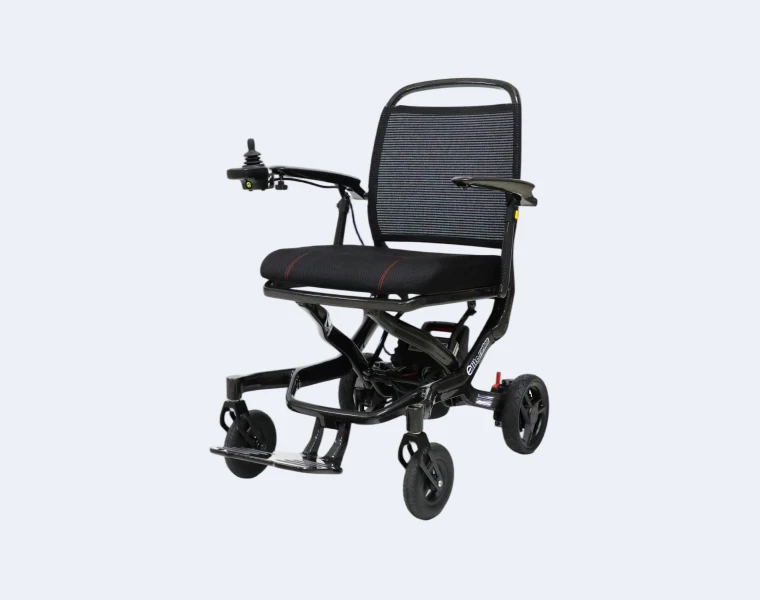
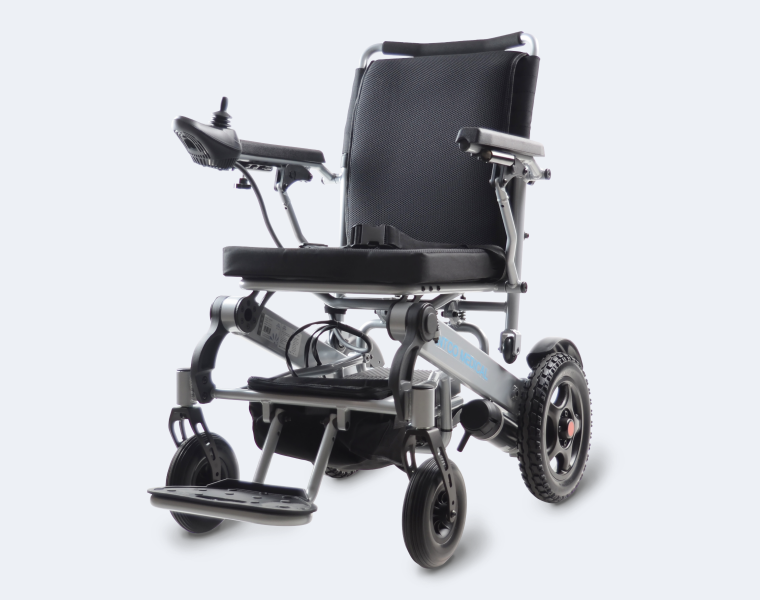
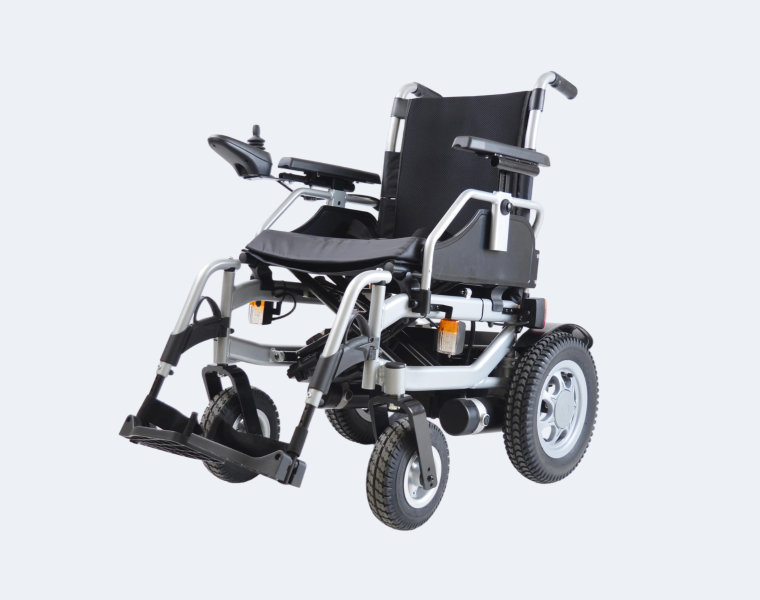
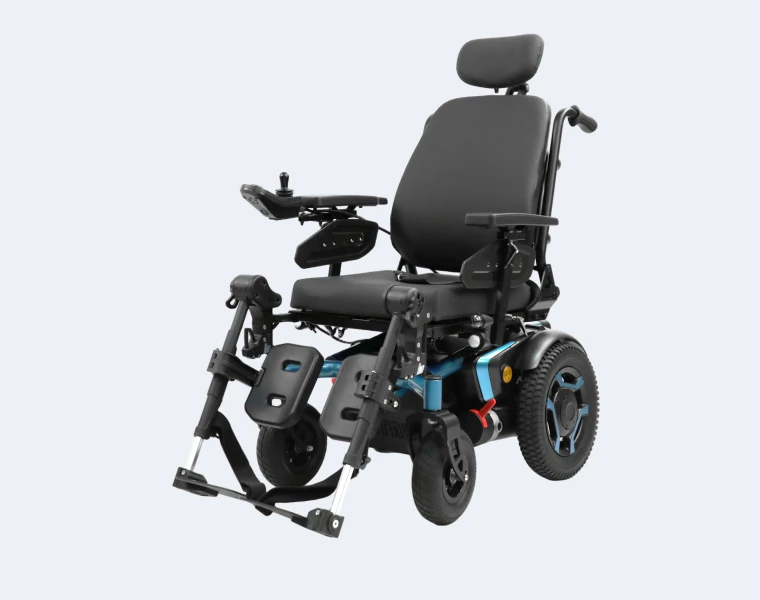
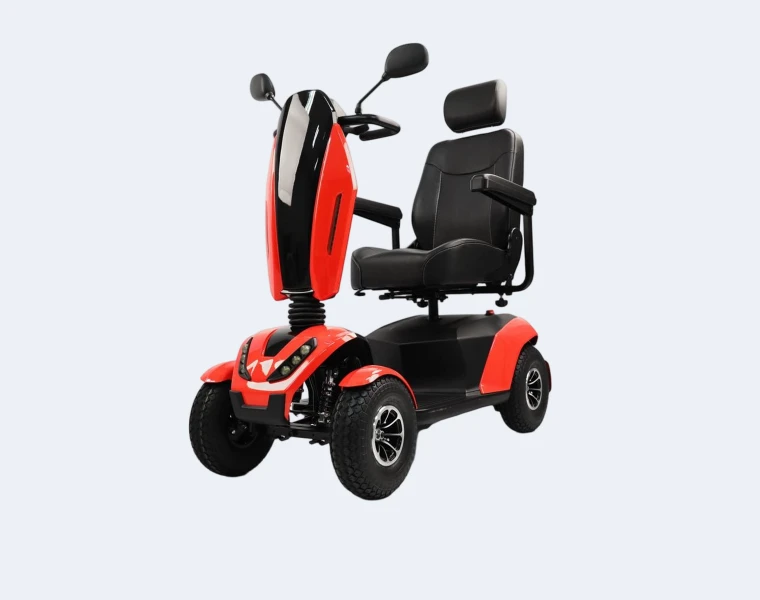
For an electric wheelchair manufacturer, request a complete drive specification.
When evaluating electric wheelchairs, key specifications to review include:
Motor configuration
Electromagnetic braking
Maximum speed depending on configuration
Battery capacity
Driving range
Other important factors include:
Maximum safe slope
Turning radius
Suspension system
Weight capacity
Ask how the range was measured, which rider mass was used, and how batteries are packed for your destination market.
Wheelchair quality comes from repeatable controls, documented tests, and traceable corrective action. A certificate by itself is a starting point. Ask for the applicable standard, certificate scope, test date, sample identification, and surveillance status. Your wheelchair manufacturer checklist should connect each safety claim to a document or test record.
Request incoming inspection records for tubing, welds, tyres, batteries, and fasteners. A reliable wheelchair manufacturer should also maintain a documented quality management system with production traceability, inspection records, and applicable medical device certifications.Review in-process checks for frame alignment, brake function, torque, charging, and folding cycles. For final inspection, ask for a sampling plan, defect classification, batch release record, and complaint trend.
Useful checks include:
The relevant medical products may comply with applicable regulatory requirements, including FDA registration status, CE marking under applicable regulations, and quality management system certification such as EN ISO 13485 where applicable. For your market, confirm that the exact wheelchair model, importer, labelling, and technical documentation match the claim. This is the practical core of wheelchair testing and certification.

Wheelchair supply capability means a supplier can reproduce exact specifications every time. They must manage components well. Also, they should share changes early so customers stay unaffected. Next, production capability information, lead times, minimum order quantity, and forecast rules. Always verify their shortage escalation path.
How Do You Test Delivery and Service Readiness?
Try a small pilot order first. Then, track sample approval speed, production updates, and packing precision. Check carton marks and document completeness too. Inquire about parts stocked locally versus centrally. Ask for dispatch speeds for wheels, armrests, controllers, chargers, and batteries. Also, see how they review warranty returns.
For wheelchair OEM and ODM projects, finalize the change-control process before artwork begins.For wheelchair OEM, ODM, or private label projects, finalize the change-control process before artwork begins. Confirm requirements for drawings, materials, software, labels, packaging, and pre-shipment samples before mass production. Lastly, a wheelchair wholesale supplier must provide a clear spare-parts matrix alongside translated service manuals for your distributors.
Use a weighted score so a low price does not hide a supply or compliance gap.
|
Area |
Evidence to Request |
Suggested Weight |
|
Product fit |
Drawings, specifications, samples |
25% |
|
Quality system |
Certificates, test reports, CAPA records |
25% |
|
Supply capability |
Capacity plan, lead times, component controls |
20% |
|
Service support |
Spare-parts list, manuals, warranty process |
15% |
|
Commercial fit |
MOQ, payment, packaging, landed-cost data |
15% |
Score each item from 1 to 5 and record the evidence beside the score. A supplier that cannot provide a document should receive a blank score until the gap is closed.
Once your requirements are set, a supplier with a broad medical-device portfolio helps significantly. This approach reduces the number of separate qualification tracks. INTCO Medical provides a range of manual and electric wheelchairs designed for distributors, healthcare institutions, and rehabilitation channels. They provide exact model-level specifications. These details cover key product specifications, including frames, wheels, braking systems, batteries, speed, range, and other performance indicators. Furthermore, you can easily check the slope, turning radius, weight capacity, and carton dimensions.
These facts help you compare options smoothly. You can compare different wheelchair models based on specifications such as frame material, weight capacity, configuration, and intended application. You simply use the exact same review sheet for all of them. The portfolio also connects wheelchair rehabilitation directly with other care products. This link simplifies packaging and documentation. It also eases distributor training when your assortment spans several care settings. Just review the product range. Then, request current technical files for models matching your specific market.
A: Start by asking for updated technical specifications. Next, obtain the certificate covering that exact model. Lastly, secure the test report and inspection plan.
A: Evaluate frame and seating designs for manual chairs. For electric chairs, demand motor, battery, and brake proofs. Also, track range, slope, and turning-radius stats.
A: Check production capability, lead times, part availability, minimum order quantity, and forecast rules. Moreover, examine minimum order quantity, forecast rules, and spare-parts response speeds.
A: Not quite. Align the certificate scope directly with your model. Afterward, confirm load, stability, and brake logs. Also review folding, battery, packaging, and final-inspection records.
A: Bring suppliers in after mapping user, regulatory, packaging, and service needs. Next, sign off on drawings, samples, and labels. Finally, lock down change-control rules before production.


