






























What to Verify When Sourcing from a Nitrile Glove Manufacturer
Medical Device Supplier Evaluation: How to Build Strategic Long-Term Partnerships
FROM: INTCO Medical|17 Nov 2026
Medical device supplier evaluation should test whether a supplier can support your product, market, quality system, and supply plan over time. Strong medical device supplier evaluation criteria cover regulatory fit, specification control, manufacturing consistency, communication, change management, commercial discipline, and post-market support. A long-term supplier partnership grows from verified performance and clear operating rules.
The first order matters. The fifth specification revision, the first complaint, and the first demand surge reveal much more. Your evaluation should examine how both parties will make decisions after routine purchasing gives way to real operational pressure.
1. Confirm Product and Market Fit
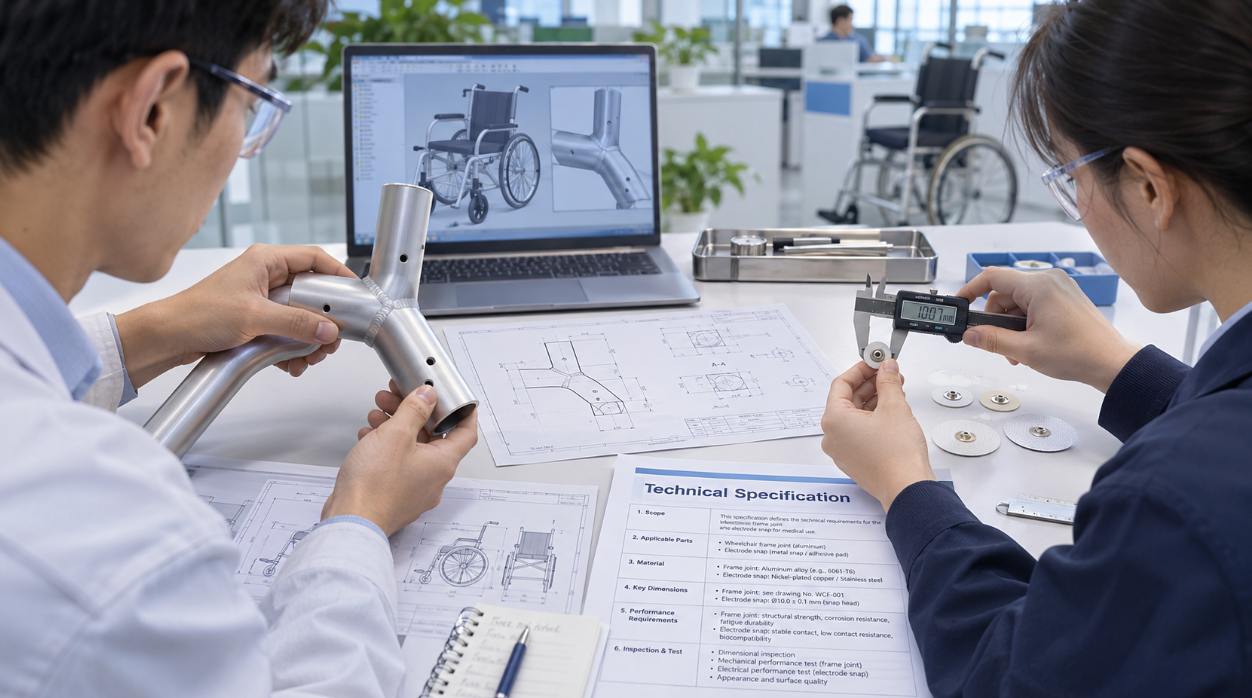
Start with the exact product, intended use, destination market, and buying model. Review the supplier’s product portfolio at model and configuration level. Then match regulatory documents, quality-system scope, test evidence, and labeling to the manufacturing site that will serve your order.
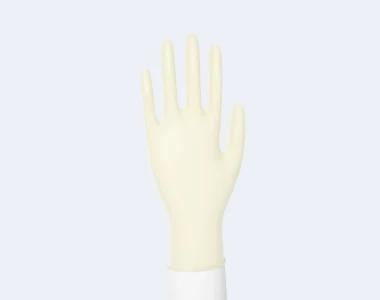
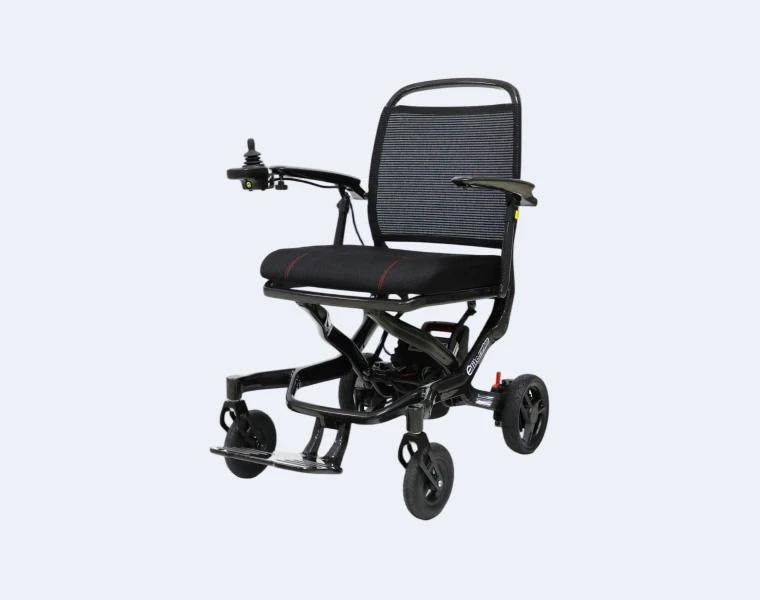
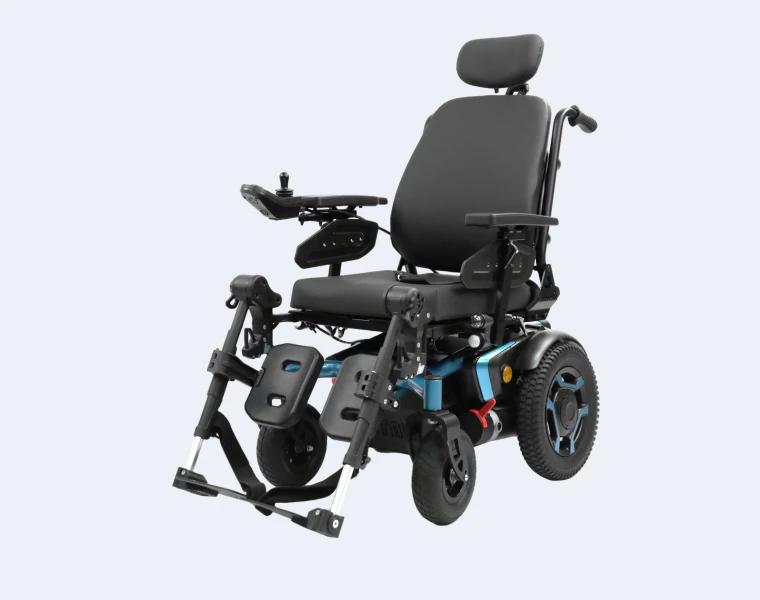
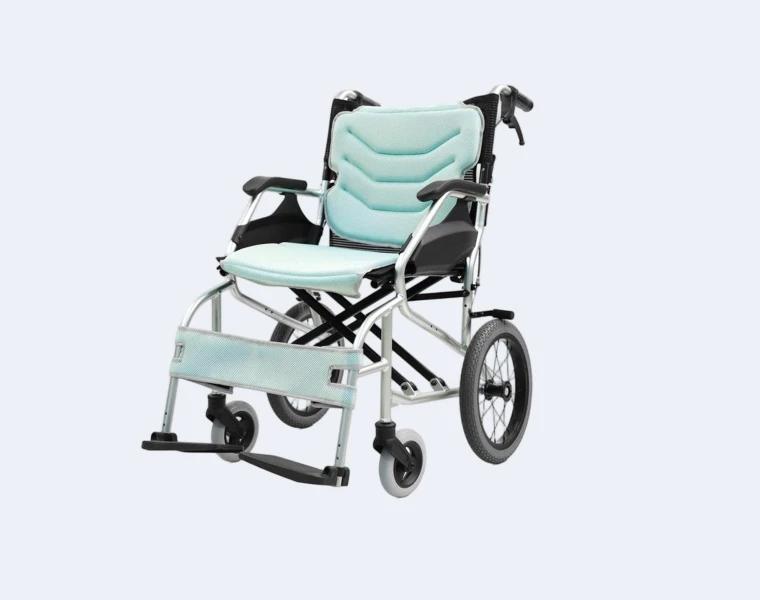
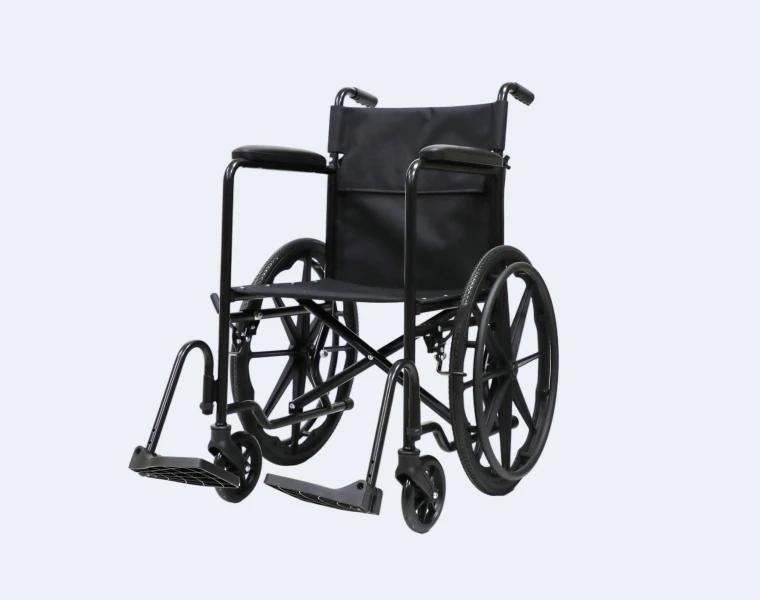
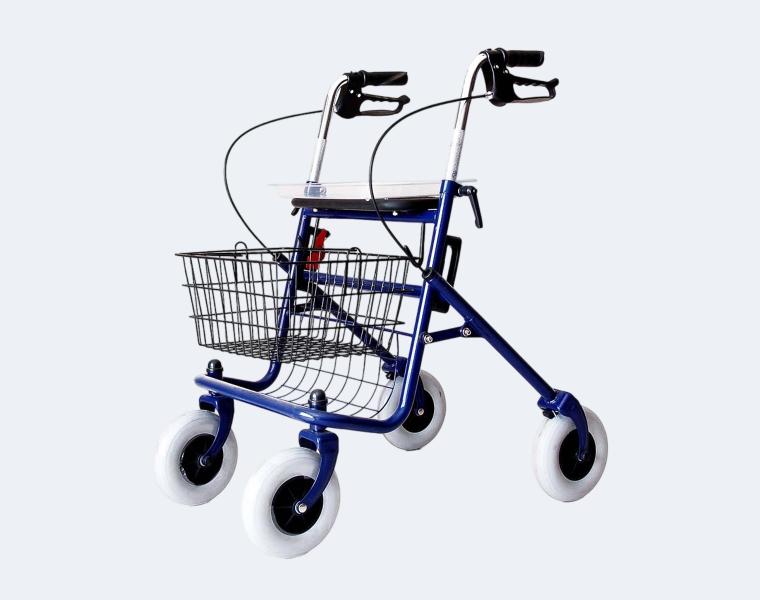
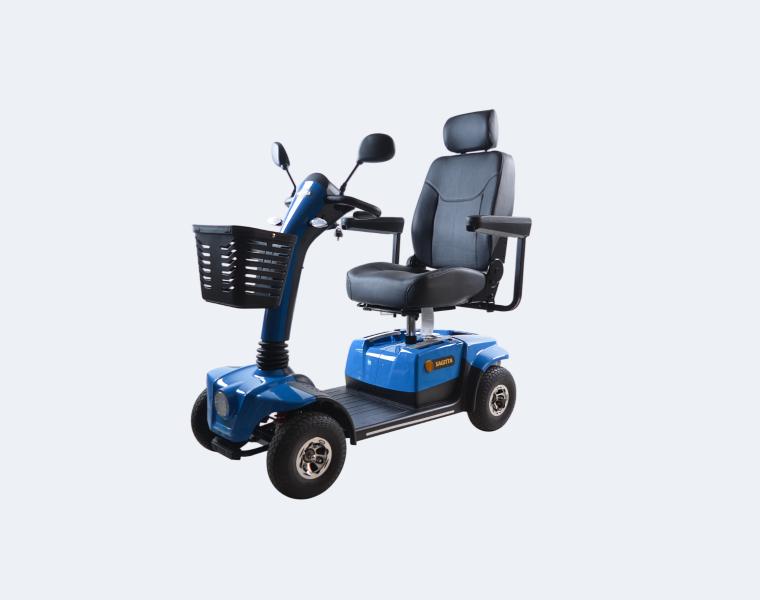
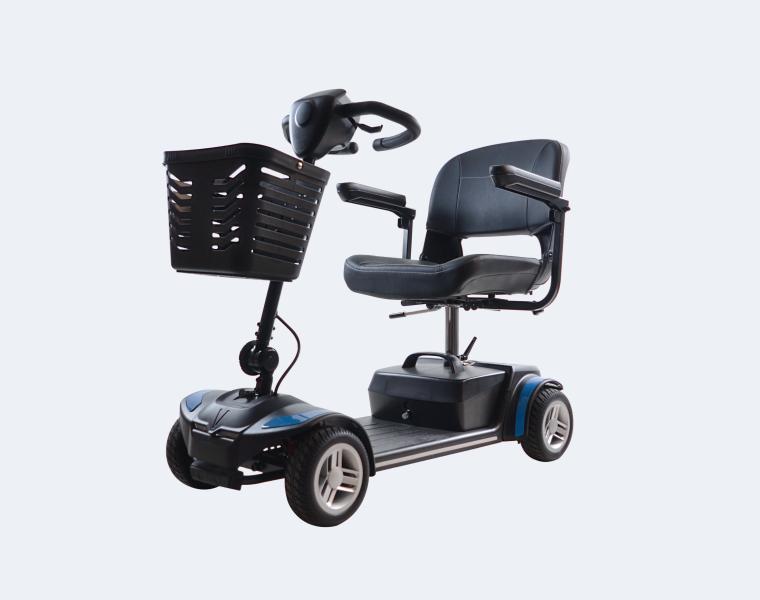
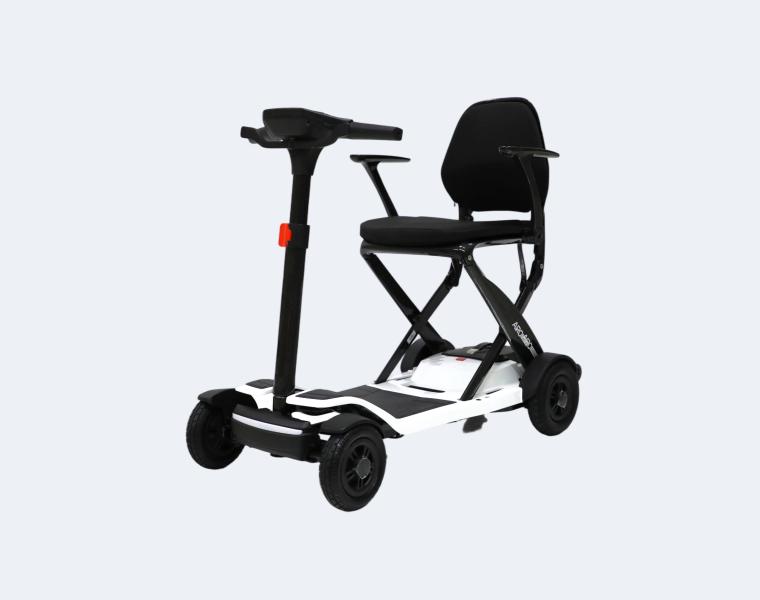
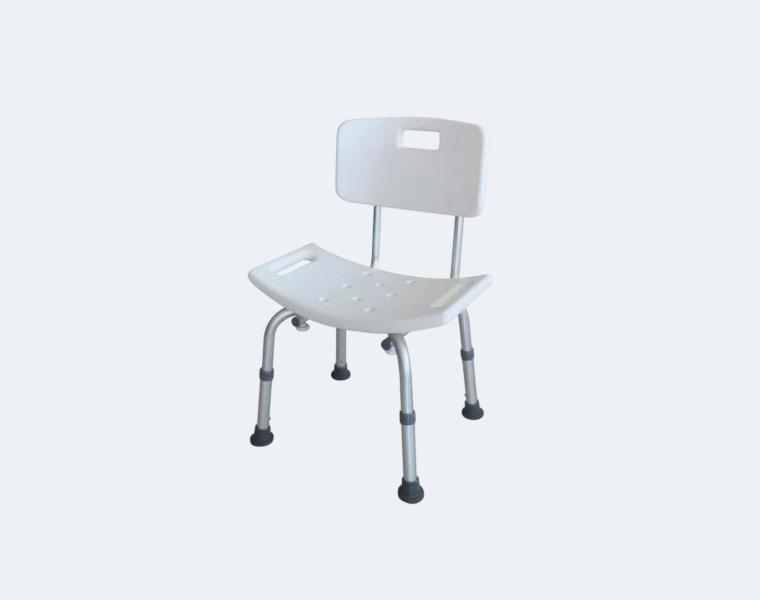
Product families need different evidence. Nitrile examination glove options may vary by length, thickness, and color. ECG electrodes may use foam, cloth, medical tape, or micropore backing with different snap materials. Manual wheelchairs vary by frame, wheel, load rating, and packing configuration. Approve the exact model, materials, specifications, and manufacturing site.
2. Test Specification Control and Product Consistency
Write acceptance criteria before comparing quotations. Include dimensions, material, performance, tolerances, test methods, packaging, storage conditions, and required records. The specification should use one controlled revision across samples, purchase orders, inspection, and production.
Published glove options include 9 or 12-inch lengths and 3 to 6 mil thickness. These ranges are useful starting points, though your order still needs an exact option, measurement location, and tolerance. Ask the supplier to show how it links incoming materials, production lots, inspection results, and released batches.
3. Evaluate Quality and Regulatory Discipline
Review certificates by legal entity, site, scope, and validity period. Ask for a recent audit summary, corrective-action example, nonconforming-product procedure, and change-control workflow. A polished certificate folder says little about daily execution when product names and facility addresses fail to match.
Check how the team handles missing evidence. A disciplined response identifies the gap, assigns an owner, and gives a document date. Quality staff should participate before commercial approval, particularly when the product carries patient-contact, electrical, load-bearing, or protective functions.
4. Measure Supply and Delivery Performance
Medical device supplier performance needs agreed definitions. Record available capacity for your selected item, normal lead-time components, material constraints, and contingency arrangements. Separate quoted capacity from capacity allocated to your account.
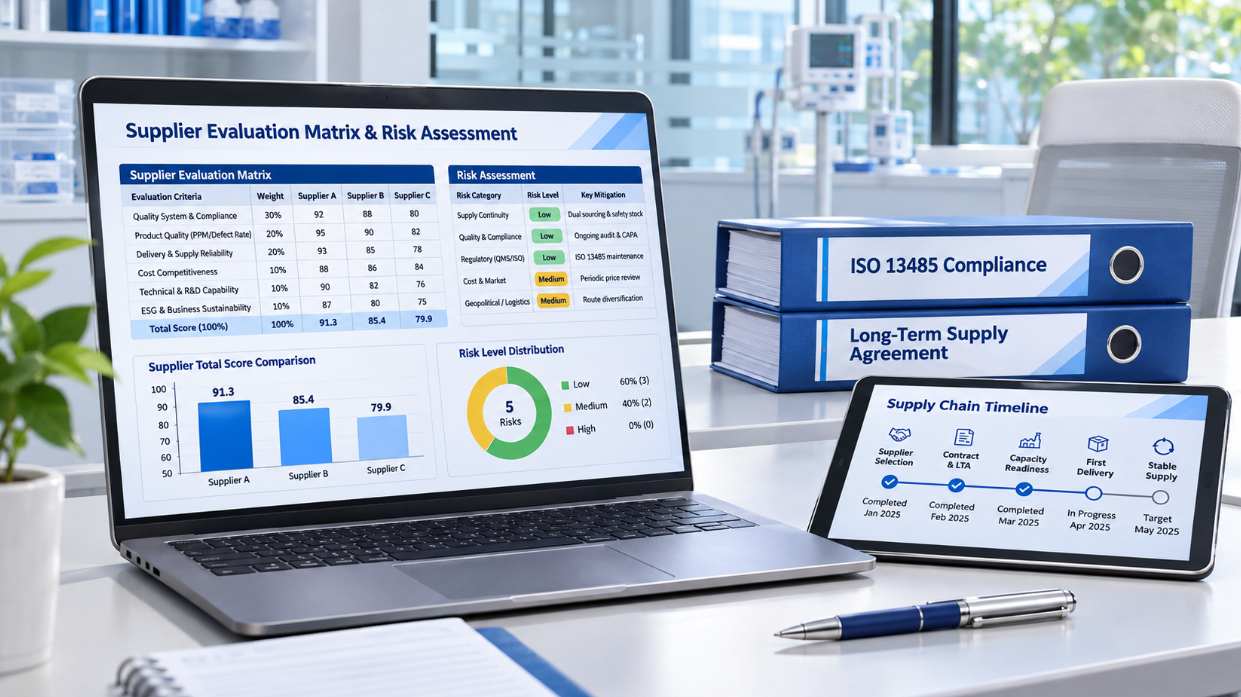
Build a supplier performance scorecard with a small set of usable measures.
Measure | Definition to Agree | Partnership Use |
On-time, in-full delivery | Delivery point, promised date, and complete quantity | Production and inventory planning |
Incoming defect rate | Defect classes, inspected units, and reporting period | Quality review and corrective action |
Complaint closure | Start point, investigation steps, and closure standard | Post-market follow-up |
Change-notice compliance | Required notice and approval timing | Regulatory and supply planning |
Review the same figures each period. Changing the formula changes the story, which makes trend discussions rather pointless.
5. Examine Communication and Decision Ownership
A strategic supplier relationship needs named contacts for quality, regulatory matters, planning, engineering, and commercial decisions. Test this structure during evaluation. Send a product-specific question and review whether the answer identifies the model, document revision, evidence, and responsible person.
Set escalation routes and response targets. Record who can approve artwork, samples, deviations, substitutions, and shipment changes. Meeting notes should capture the decision, owner, and due date. This small habit prevents three teams from working from three versions of the same agreement.
6. Set Fair Commercial and Forecasting Rules
Compare total landed cost using the same specification, quantity, delivery point, currency, and trade terms. Include freight, duties, inspection, inventory, quality claims, and service requirements where they apply. Unit price remains useful; the wider model explains the operating cost.
Long-term planning requires input from the buyer as well. Share a defined forecast window, approval dates, launch assumptions, and expected order pattern. The supplier should state material commitments, capacity limits, lead-time changes, and minimum quantities. Written assumptions help both teams manage demand shifts without last-minute guesswork.
7. Assess Customization and Joint Development Controls
Customization adds decisions about design ownership, samples, labels, packaging, validation, and regulatory responsibility. Review the supplier’s OEM and ODM process and map each stage to an owner and approval record.
For a private-label glove, document color, length, thickness, packaging, and artwork. For an ECG electrode, define backing, snap type, size, and connector needs. Agree on sample approval, design freeze, change review, intellectual-property handling, and transfer into production. Product development stays manageable when each stage has a visible exit decision.
8. Create a Joint Review Rhythm
Supplier relationship management needs a calendar. Operational teams may review open orders and quality events monthly, while management reviews broader performance each quarter or according to risk. Use the meeting to make decisions, assign resources, and close overdue actions.
Keep the supplier performance scorecard short enough to use. Add open changes, forecast variance, complaints, improvement work, and upcoming regulatory needs. Record buyer actions too. Slow artwork approval or late forecast changes can affect delivery, and a fair review keeps those causes visible.
9. Review Complaint Handling and Corrective Action
Ask how the supplier receives a complaint, secures samples, identifies affected lots, investigates causes, and verifies corrective action. The process should connect batch records, distribution information, and regulatory responsibilities where applicable. Review one closed case with confidential details removed.
Product type changes the service model. Disposable gloves and ECG electrodes need batch investigation, storage review, and replacement rules. Wheelchairs also need warranty terms, spare-parts planning, and repair information. A published customer service framework can identify the support areas you should test during due diligence.
10. Agree on Improvement, Continuity, and Exit Plans
A medical device procurement partnership should maintain a joint improvement list with the expected result, owner, due date, and evidence of completion. Projects may address packaging damage, inspection efficiency, forecast accuracy, documentation turnaround, or a recurring defect. Track the effect with the same measure used at baseline.
Complete medical device supplier evaluation with continuity and exit planning. Define backup materials, alternate sites, safety stock, tooling ownership, record transfer, and requalification needs. A long-term supplier partnership remains practical when both parties know how to handle growth, disruption, and an orderly transition.
Match Partnership Controls to the Product Portfolio
INTCO Medical gives procurement teams several concrete product types for applying this framework. Its published range includes medical consumables, ECG electrodes, rehabilitation equipment, and physical therapy products. Each category creates a different partnership workload.
Glove programs require agreement on thickness, length, color, testing, packaging, and batch consistency. ECG electrode projects add backing and snap selection. Wheelchair sourcing calls for configuration control, model-specific load ratings, packing details, spare parts, and service planning. The public OEM process covers requirement confirmation through delivery, while the customer support framework identifies complaint, technical, order, and training functions. Buyers can evaluate these capabilities against named contacts, product-specific documents, samples, review meetings, and recorded performance.
FAQ
Q1: What Makes a Medical Device Supplier Suitable for a Long-Term Partnership?
A: The supplier should show product-specific compliance, consistent quality, reliable delivery, controlled changes, clear communication, and effective complaint handling. Your records should confirm these capabilities over several review periods.
Q2: How Often Should You Review a Strategic Supplier Relationship?
A: Set the frequency by product and supply risk. Review current orders and quality events regularly, then hold a broader management review quarterly or at another documented interval.
Q3: Which Metrics Belong in a Supplier Performance Scorecard?
A: Use measures tied to purchasing decisions, such as on-time, in-full delivery, incoming defects, complaint closure, corrective-action completion, and change-notice compliance. Define each formula and reporting period.
Q4: How Can Buyers Support Better Supplier Performance?
A: Provide current specifications, timely approvals, realistic forecasts, consolidated feedback, and named decision makers. Record buyer-caused delays alongside supplier results so both teams can address the actual source.
Q5: When Should You Reconsider a Long-Term Supplier Partnership?
A: Reassess the relationship after serious quality events, repeated unauthorized changes, unresolved corrective actions, persistent delivery failures, missing regulatory evidence, or declining communication. Base continuation, conditional approval, or exit on documented risk.