











How to Choose Disposable Gloves: A Procurement Guide for Buyers
What to Verify When Sourcing from a Nitrile Glove Manufacturer
FROM: INTCO Medical|25 Nov 2026
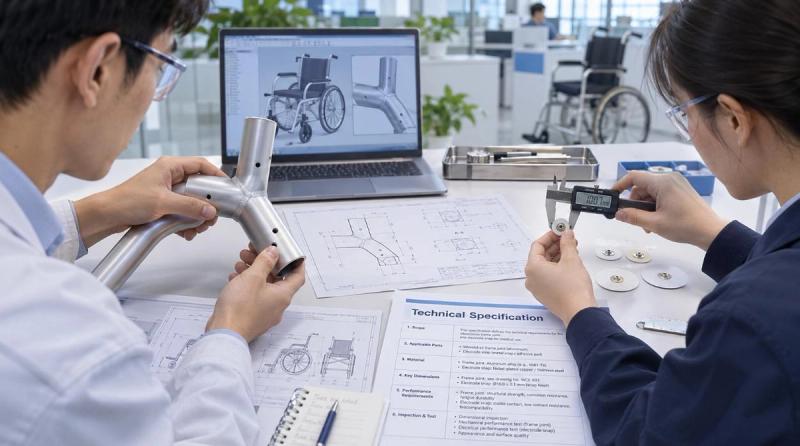
When sourcing from a nitrile glove manufacturer, verify the intended use, regulatory category, exact specification, barrier and chemical test evidence, sampling plan, manufacturing site, batch traceability, packaging, shelf life, capacity, and change controls. The approved sample, quotation, purchase order, and production specification should describe the same glove.
That sounds basic. Yet a broad request for blue nitrile gloves can still leave thickness, cuff length, texture, inspection level, test scope, and packaging open to interpretation. A precise sourcing nitrile gloves process closes those gaps before price negotiations begin.
1. Match the Glove to Its Intended Use
Start with the work performed by the wearer and the destination market. Medical examination gloves, food-contact gloves, cleanroom gloves, and industrial chemical-protection gloves follow different performance and documentation paths. Review the manufacturer’s nitrile glove range by application and exact model.
Ask which regulatory category applies to the selected glove and intended claim. Medical use, personal protective equipment, food contact, and general-purpose use may require different declarations, labeling, and supporting reports. Record the legal manufacturer and production site with the approved item.
2. Define Dimensions, Thickness, and Surface
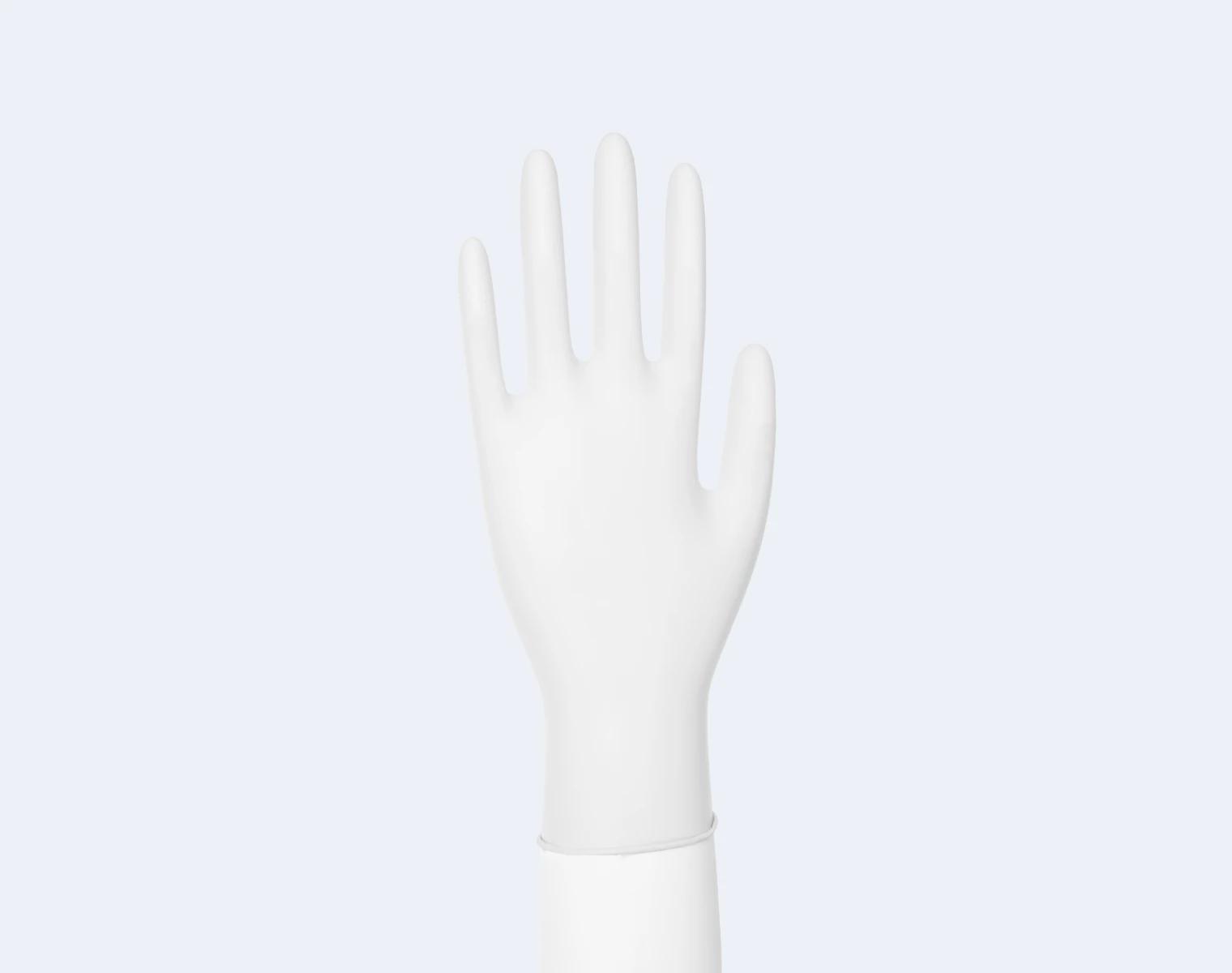
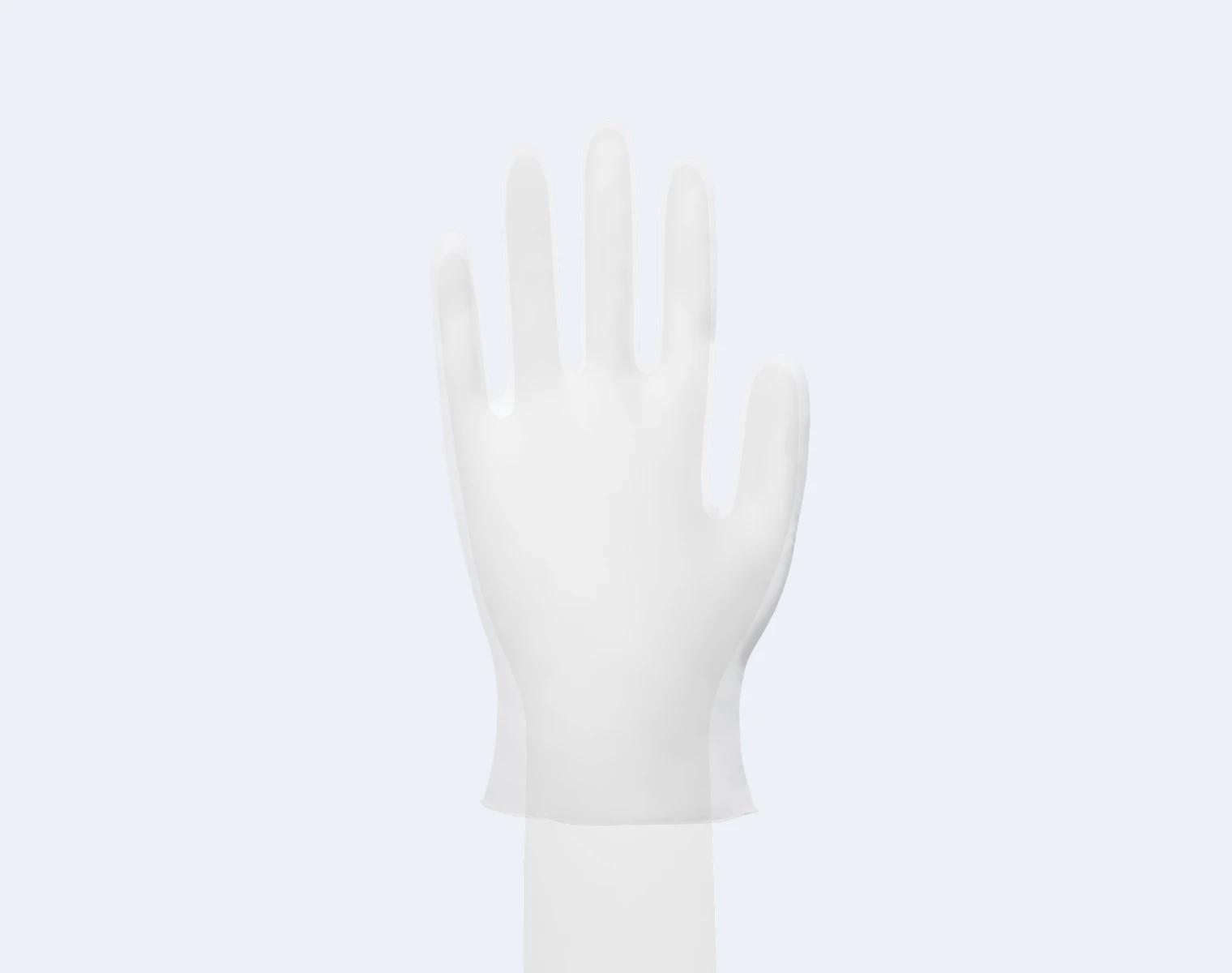
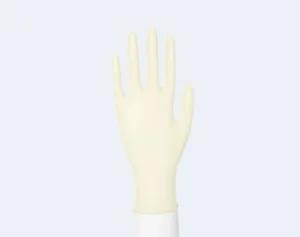
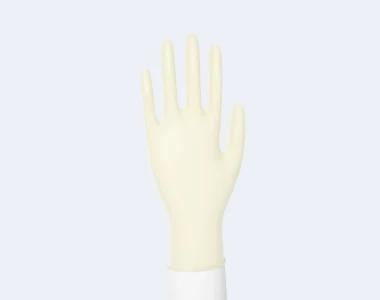
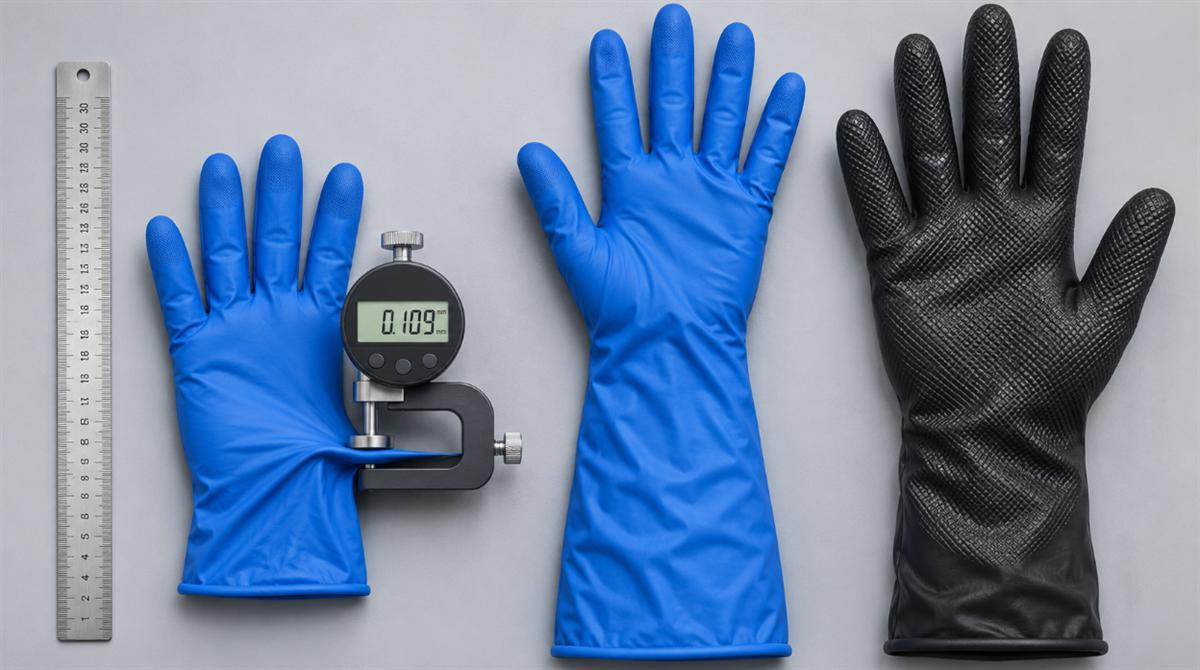
Write length, palm width, finger length, cuff design, color, texture, and thickness into the purchasing specification. Published examination-glove options include 9 or 12-inch lengths and 3 to 6 mil thickness. Finger-textured surfaces and beaded cuffs are also available.
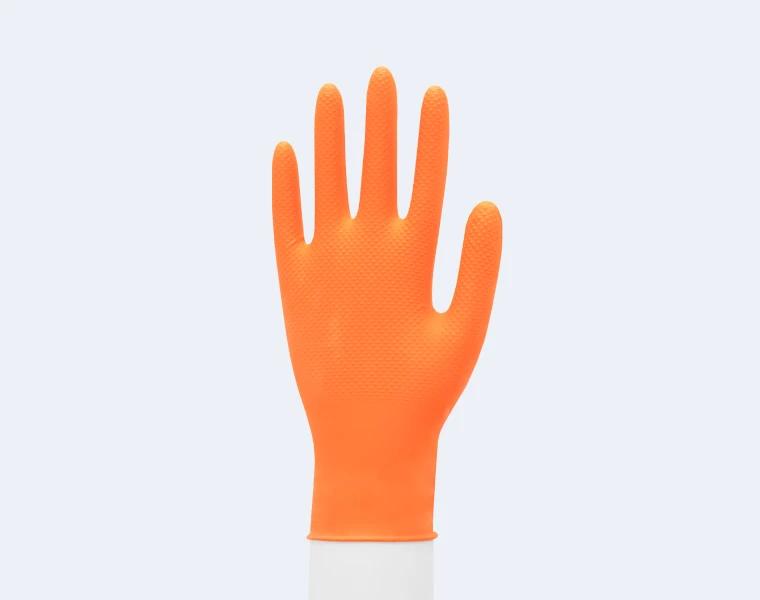
Nitrile glove thickness needs a named measurement point and tolerance. Product ranges can vary sharply. Ultra-thin options may run from 2.3 to 3 mil, while diamond-textured models may reach 5 to 8 mil. A 7 mil chemical-resistant option serves another task. Compare gloves with the same measurement method.
3. Check Fit, Grip, and Task Performance
Request size charts for each offered size and test samples across the expected user group. Check donning, finger movement, cuff stability, grip, and hand fatigue during the actual task. A short desk trial rarely reveals how a glove behaves through a full work cycle.
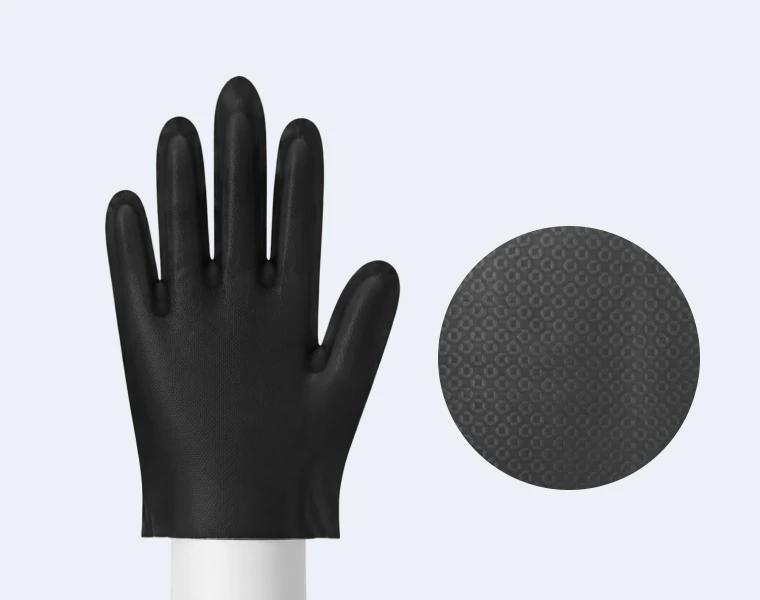
Texture should match the handling environment. Finger texture can support routine clinical or laboratory work. Diamond texture can help channel liquid during heavier industrial tasks. Ask for the texture location and production acceptance criteria; product photography gives you a visual reference, while the specification controls the order.
4. Match Standards and Reports to the Exact SKU
Nitrile glove quality standards answer different questions. ASTM D6319 and EN 455 address medical examination gloves. ASTM F1671 relates to resistance to penetration by blood-borne pathogens using a bacteriophage test system. ASTM D6978 covers permeation by chemotherapy drugs. EN ISO 374 addresses protective gloves against dangerous chemicals and microorganisms.
Use the supplier’s certification and test-document library to identify available records, then check the product name, model, color, size, thickness, manufacturer, site, sample date, test method, and result. A standard logo in a catalog prompts a document request. The report establishes the tested scope.
5. Review AQL and Physical Test Controls
Agree on the sampling standard, inspection level, acceptance quality limit, and defect classification. Separate critical defects, major defects, and minor defects. Ask how the factory tests barrier integrity and records lot release.
Review tensile strength and elongation data before and after applicable aging, plus dimensions and powder residue where relevant. Request recent production-lot results alongside the type-test report. A type test supports the tested sample; routine records show whether commercial batches stay within the approved specification.
6. Verify Formulation and Special Claims
Ask whether the glove contains natural rubber latex, powder, sulfur, or chemical accelerators. An accelerator-free option may suit purchasing programs that specifically restrict these substances, but the claim still needs a formulation declaration and relevant supporting evidence.
Treat environmental claims with the same care. One published biodegradable option reports 6.16% biodegradation over 45 days under ASTM D5511-18. Request the full report, laboratory identity, sample description, control results, conditions, and claim wording before using the figure on packaging or sales material.
7. Audit Manufacturing and Batch Traceability
Evaluate the nitrile glove supplier at the site that will manufacture your order. Review raw-material approval, compounding controls, former cleaning, dipping, curing, chlorination or coating, inspection, packing, and lot release. Record outsourced processes and laboratories.
Select one finished lot and trace it to material batches, production line, shift, inspection results, packaging materials, and shipment records. Repeat the exercise in reverse from a raw-material lot to affected finished goods. Traceability should produce a complete record chain within the supplier’s stated retrieval time.
8. Check Packaging, Sterility, and Shelf Life
Specify glove count, dispenser-box dimensions, case quantity, label languages, lot coding, manufacturing date, expiry format, storage conditions, and carton strength. Confirm whether gloves use flat packing, paired packing, or cleanroom-compatible double packaging.
Sterile examination gloves need additional evidence. A published sterile option uses irradiation and pair packaging. Request sterilization validation, routine processing records, packaging-integrity evidence, and shelf-life support for the exact configuration. Cleanroom products also need particle, ionic-content, cleanliness, and packaging evidence tied to the claimed cleanroom class.
9. Control Customization and Production Changes
Custom colors, artwork, box design, and case labels require controlled approval. The public OEM and ODM process covers requirement confirmation, prototyping, sample approval, production, quality inspection, and delivery. Map each stage to an owner and approved revision.
For private label nitrile gloves, define who approves claims, translations, barcodes, declarations, and market-specific symbols. Require written notice before changes to formulation, pigment, thickness, surface treatment, site, line, packaging, test method, or subcontractor. Keep a signed golden sample where it adds practical value.
10. Confirm Capacity, Commercial Terms, and Release Rules
Ask for available capacity for your selected model, standard lead-time components, minimum order quantity, material constraints, and contingency arrangements. Compare quotes with the same size mix, thickness, packing format, delivery point, and trade terms. A cheaper case can carry fewer gloves or a different specification. Happens more often than the spreadsheet suggests.
Complete your nitrile glove manufacturer checklist with pre-shipment inspection, release documents, remaining shelf life, complaint handling, change notification, and recall cooperation. When sourcing nitrile gloves at scale, begin with a qualified sample and a controlled pilot order where your risk assessment supports one.

Match the Product Configuration to the Evidence
INTCO Medical publishes nitrile glove options across medical examination, food handling, industrial work, cleanrooms, and chemical protection. The range includes 9 and 12-inch lengths, thickness options from 2.3 to 8 mil, finger and diamond textures, customized colors, accelerator-free formulations, cleanroom packaging, and an irradiated sterile configuration.
This range gives buyers a practical way to build product-specific requests. A 3 to 6 mil examination glove calls for medical-use documents tied to the selected SKU. A 5 to 8 mil textured glove needs evidence for the claimed industrial task. Cleanroom, sterile, biodegradable, and chemical-resistant products each add their own test and packaging files. Ask INTCO Medical for the specification and supporting documents associated with the exact product, site, intended use, and destination market.
FAQ
Q1: What Documents Should You Request from a Nitrile Glove Manufacturer?
A: Request the product specification, current declarations or registrations, applicable certificates, test reports, quality-system scope, batch inspection data, traceability records, packaging details, shelf-life evidence, and change-notification procedure.
Q2: How Should You Compare Nitrile Glove Thickness?
A: Compare the same measurement point, unit, test method, and tolerance. Record whether the figure applies to the fingertip, palm, or cuff and whether it includes one value or a permitted range.
Q3: What AQL Should You Use for Nitrile Gloves?
A: Set the acceptance quality limit according to product risk, intended use, applicable requirements, and your quality policy. Document the sampling plan, inspection level, defect classes, sample size, and release rule.
Q4: How Can You Verify a Nitrile Glove Supplier’s Test Report?
A: Match the report to the legal manufacturer, production site, product code, material, color, size, thickness, test date, method, and result. Confirm the laboratory and check the report’s current applicability.
Q5: What Should You Approve for Private Label Nitrile Gloves?
A: Approve the glove specification, samples, artwork, claims, translations, barcodes, box and carton layouts, regulatory symbols, lot-code format, manufacturing site, inspection criteria, and change-control responsibilities.