


















What to Verify When Sourcing from a Nitrile Glove Manufacturer
How to Choose Disposable Gloves: A Procurement Guide for Buyers
FROM: INTCO Medical|23 Nov 2026
Choosing disposable gloves for a business requires more than comparing nitrile, vinyl, and latex. Buyers need to consider the intended application, exposure conditions, product specifications, regulatory requirements, and total cost of use.
A reliable procurement process starts with defining the task, confirming the exact glove configuration, reviewing model-specific test evidence, and evaluating supplier consistency. This guide outlines the key checks buyers should complete before approving a disposable glove for routine purchasing or large-volume supply.
For a detailed comparison of material properties and industry applications, see our full guide to Nitrile vs Vinyl vs Latex Gloves: Full Comparison.
1. Define the Application and Procurement Requirements
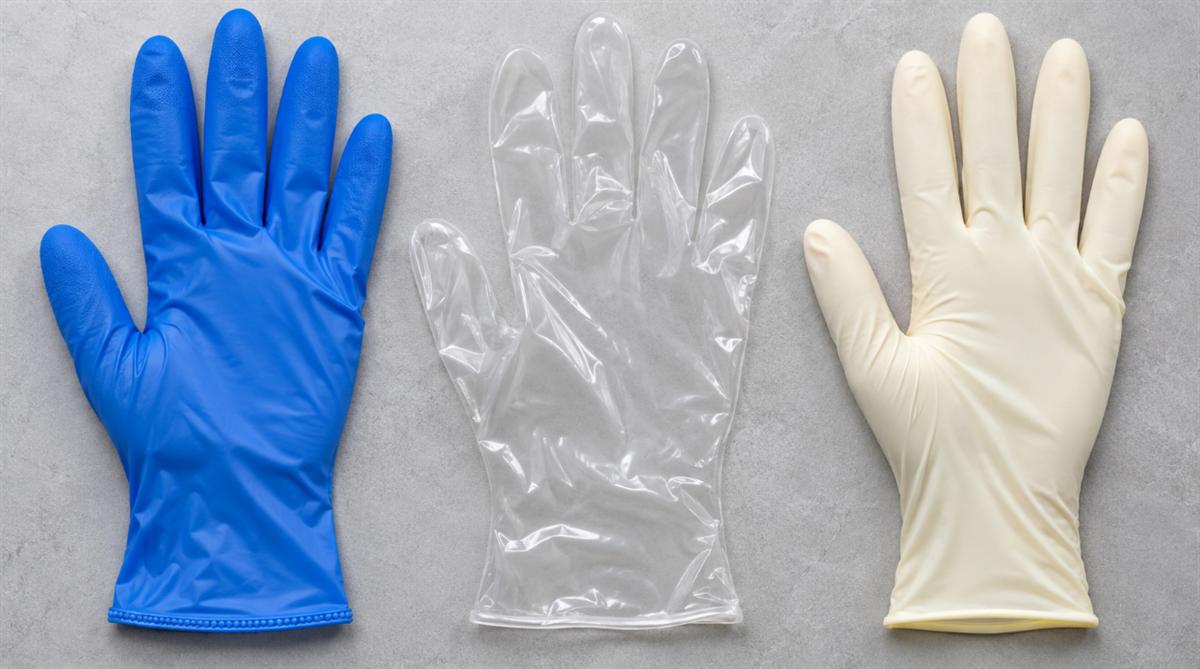
Before a quote is requested, define the product use, target market, contact risk, wear duration, material type, and purchase quantity. Material families differ in where they fit, and the final choice should rest on the exact product specification and test file rather than on a generic material claim. Confirm the intended use with the people who wear the gloves, then record it in the approval file.
Material | Typical Procurement Fit | Cataloged Configuration Example | Main Buyer Check |
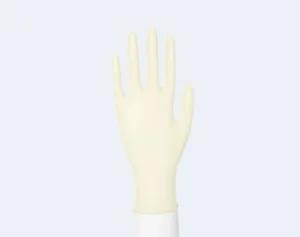
Nitrile | Medical examination, laboratory work, cleaning, selected chemical tasks | 9 or 12 inches; 3 to 6 mil for an examination range | Chemical compatibility, thickness point, pinhole level, and claim-specific reports |
Vinyl | Short food-service, beauty, housekeeping, and selected examination tasks | 9 inches; 2 to 3 mil for a light food-handling option, or 3 to 3.5 mil for examination models | Tear rate in the real task, fit, food-contact status, and change frequency |
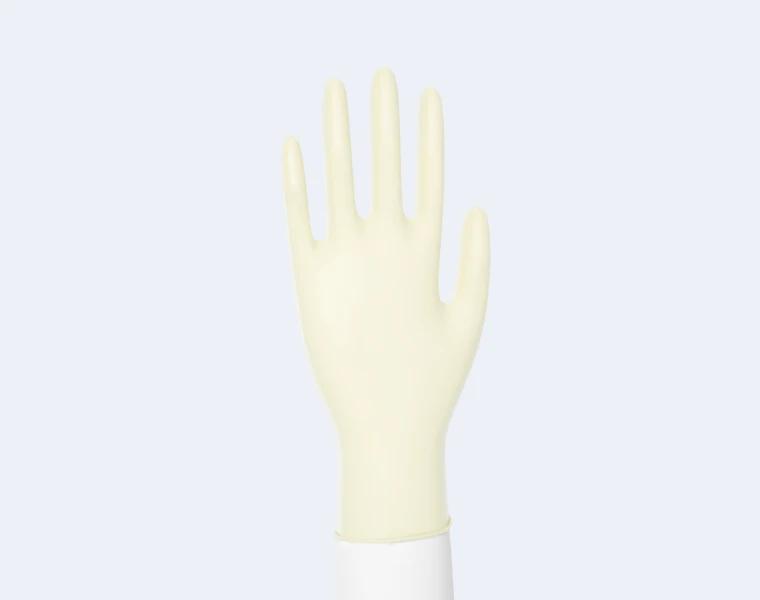
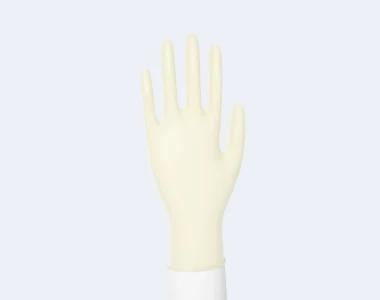
Latex | Examination or precision tasks where natural rubber latex is accepted | 9 inches; 4 to 6 mil for examination models | Latex allergy policy, protein and powder status, and model-specific regulatory evidence |
The table shows how the main material families typically fit procurement, alongside a cataloged configuration and the check that matters most. These ranges appear within the published medical consumables portfolio. Material suitability should then be confirmed against the published glove range and the approved specification, because two gloves of the same material can carry very different lengths, thicknesses, and evidence.
2. Specify Glove Dimensions, Thickness, and Surface
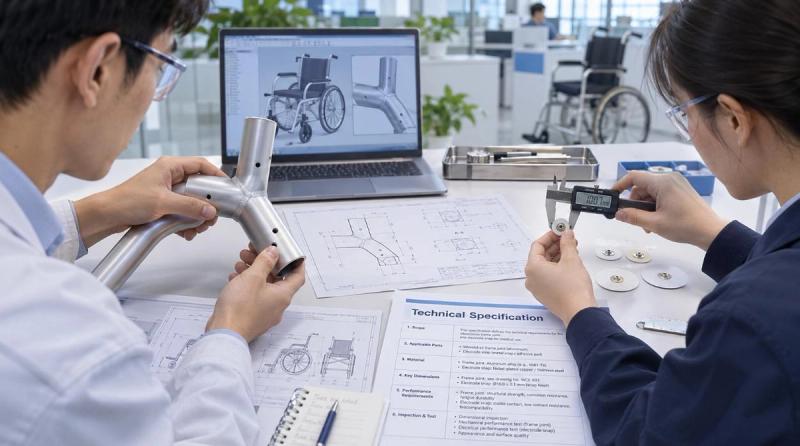
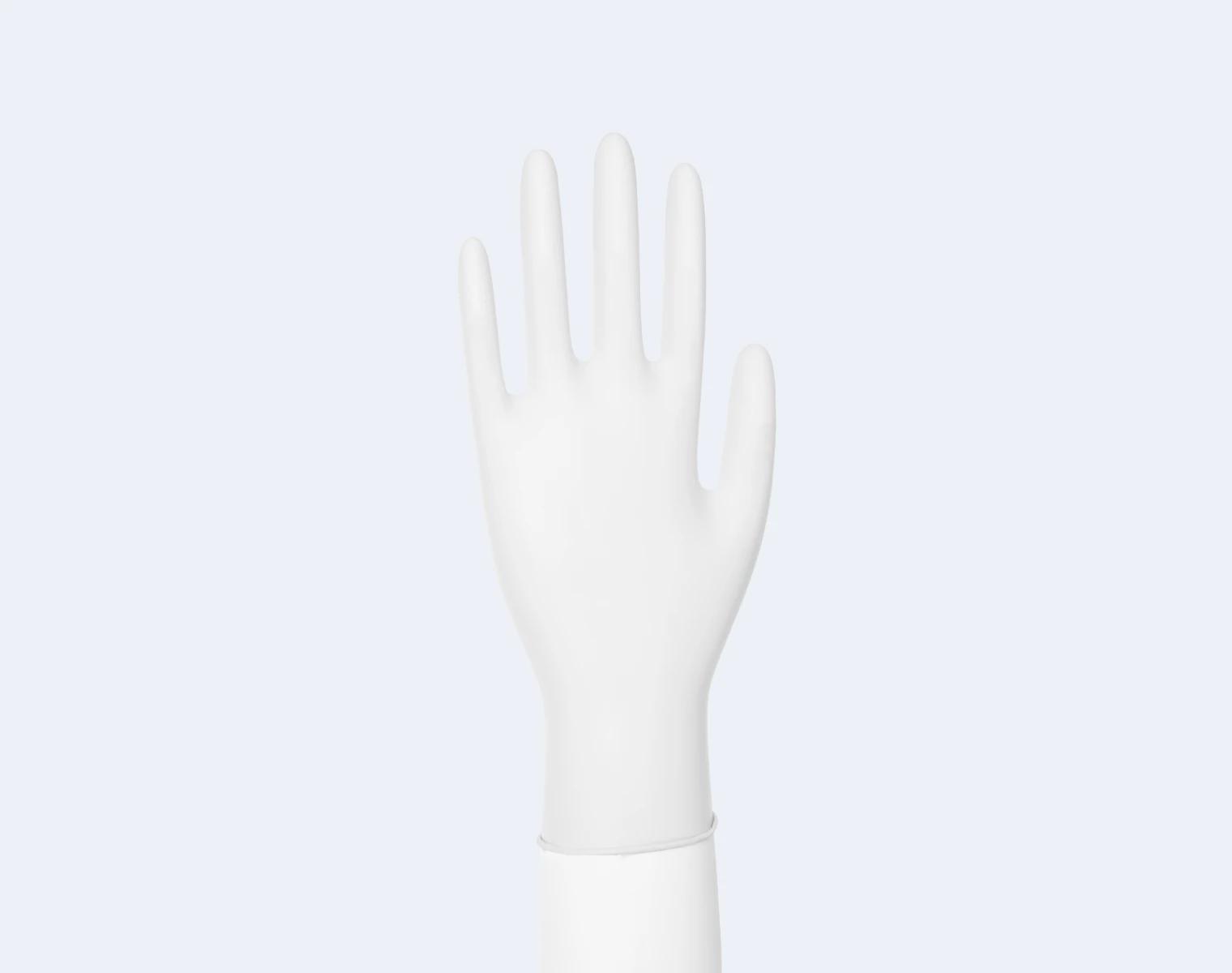
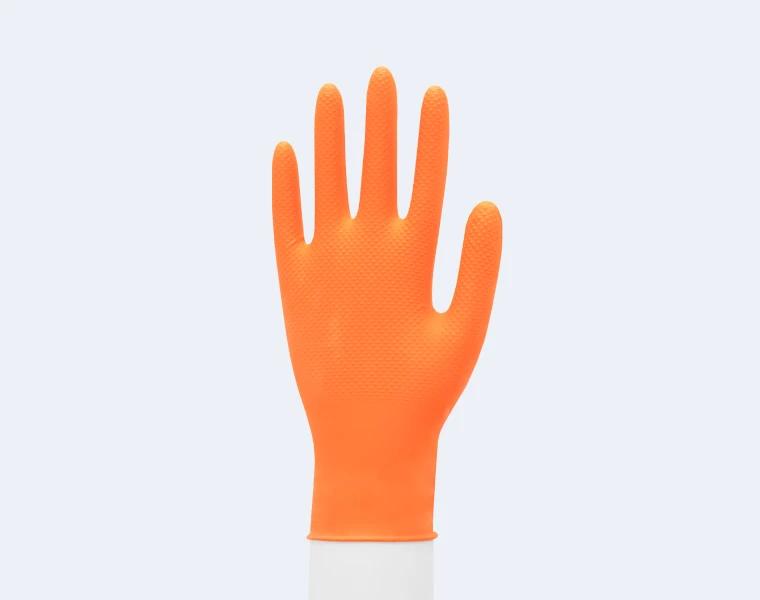
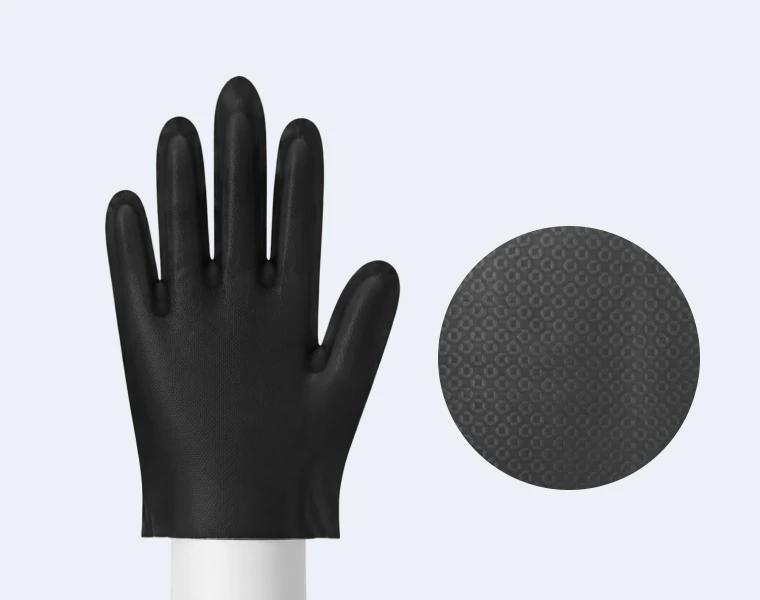
Write length, palm width, finger length, cuff design, color, texture, and thickness into the purchase specification. Cataloged examination options include 9 or 12-inch lengths, a 2.3 to 3 mil lightweight range, and diamond-textured models from 5 to 8 mil. The specification must also state where thickness is measured — fingertip, palm, or cuff — the permitted tolerance, and the method the factory uses. Finger texture and diamond texture serve different handling conditions, so name the location and acceptance criteria.
Chemical selection needs the same care. OSHA’s chemical-resistance chart rates nitrile differently across substances, including very good for diesel fuel and poor for acetone. Review the supplier’s chemical-resistance data for the exact concentration, temperature, and contact time. A general material rating does not extend to substances, concentrations, or exposures the tested data does not cover.
3. Confirm Material and Product-Specific Requirements
For short, low-complexity tasks with frequent glove changes, such as portioning food, light housekeeping, and some beauty services, vinyl remains a practical option. A 2 to 3 mil clear model is listed for food and beverage processing, while vinyl examination options are listed at 3 to 3.5 mil and 9 inches. Confirm the model, the food-contact status, and the intended task before approving it.
Buyers should test donning, cuff behavior, fingertip feel, and breakage during the actual work cycle. A low unit quote loses its advantage when workers double-glove, replace torn gloves early, or slow down to handle small items. Record gloves consumed per shift during a controlled trial; that figure turns a material discussion into a procurement decision.
For medical or food use, request documents for the exact model. A material label or food-contact symbol offers a starting clue; your compliance file needs the applicable declaration, test report, and destination-market scope.
4. Review Material Declarations and Allergy Requirements
Natural rubber latex contains proteins that can trigger allergic reactions in sensitive wearers or patients. Ask for powder status, protein data where applicable, formulation details, and label wording, and confirm that the declared material matches the model you are approving. Provide a synthetic option when your risk assessment or workplace policy calls for one.
Sterile purchasing adds another layer. Confirm the sterilization method, validation standard, sterility claim, package integrity test, shelf life, and lot-release record. A cataloged sterile surgical configuration lists a minimum length of 260 mm and a thickness range of 4 to 9 mil; treat these values as model-specific and verify them in the approved specification.
5. Verify Medical Glove Standards and Test Reports
The best gloves for medical use match the procedure and hold the required market authorization. The FDA describes examination, surgical, and chemotherapy gloves as separate medical glove types. For U.S. sourcing, confirm the applicable clearance and match the product code, manufacturer, model, and labeling to your order.
Use ASTM D6319 as a document checkpoint for nitrile examination gloves, ASTM D5250 for vinyl examination gloves, and ASTM D3578 for rubber examination gloves. EN 455 may apply in European medical programs. A standard name on a page does not replace the selected model’s report. Check laboratory identity, sample description, test date, method, result, and acceptance limit.
Chemotherapy handling requires applicable labeling and drug-specific permeation evidence under ASTM D6978. General examination documentation covers a different claim set, so keep the two files separate and never extend an examination report to a chemotherapy use.
6. Check Food-Contact Compliance and Chemical Compatibility
Gloves for food handling should match contact type, food category, temperature, and local food-contact rules. A food-contact symbol on a carton is not the same as an approved declaration for the exact model. Request the declaration and test scope that apply to the specific product, then confirm the change rule for the task.
Routine cleaning also varies. Wiping a dry counter, handling diluted detergent, and working with concentrated chemicals create separate exposure conditions. Ask for chemical compatibility data and set a change rule. Disposable gloves should leave service after contamination, tearing, puncture, or task completion.

7. Calculate Total Cost per Completed Task
Use cost per task as the purchasing metric. Track unit price, gloves used per shift, premature changes, worker acceptance, packing density, freight, inspection, and complaint rates. A glove that lasts through the approved task may reduce consumption. Your trial data should supply that conclusion.
Keep the trial controlled. Use the same task, shift length, glove size mix, and change policy. Record tears, donning failures, and early removals. Small operational details count here. A size mix that misses the workforce can distort the result before material performance even enters the picture.
8. Prepare a Disposable Glove Supplier Approval Checklist
Build the comparison into an approval file. Request the signed specification, material declaration, regulatory documents, current test reports, size chart, artwork, packing details, shelf-life evidence, lot coding, and change-notification process. Add samples from the proposed manufacturing site and a pre-shipment inspection plan.
Your supplier should also identify the legal manufacturer, factory, subcontracted tests, and complaint contact. Match those names across certificates, reports, labels, invoices, and shipping papers. One product identity across the full file reduces approval and traceability gaps, and the checklist becomes the reference every repeat order is measured against.
Evaluate Supplier Capabilities Across Product Categories
INTCO Medical supplies across medical consumables, ECG electrodes, rehabilitation equipment, and physical therapy products, and runs glove programs for medical, laboratory, food, beauty, industrial, and cleaning uses. The glove range covers nitrile, vinyl, and latex in examination, sterile examination, and surgical formats, supported by an OEM process and a customer support framework that follow the same specification and approval discipline described above.
That range lets you qualify products by task while keeping specification review, packaging discussions, and supplier communication within one program. Ask for the exact model file each time. The material category is the first line of the decision, and the approved evidence package completes it.
FAQ
Q1: What Information Should Be Included in a Disposable Glove RFQ?
A: Include the intended application, glove material, length, thickness, size range, texture, color, packaging, target market, required standards, and estimated order quantity.
Q2: How Should Buyers Verify Disposable Glove Test Reports?
A: Match the report to the exact product model, manufacturer, production site, material, size, thickness, test method, sample date, and test result. Confirm that the report applies to the intended use and destination market.
Q3: How Do You Compare Disposable Glove Thickness?
A: Compare gloves using the same measurement location, unit, test method, and tolerance. Confirm whether thickness refers to the fingertip, palm, or cuff.
Q4: What Documents Should a Disposable Glove Supplier Provide?
A: Request the product specification, material declaration, applicable regulatory documents, test reports, quality certificates, batch inspection records, packaging details, shelf-life evidence, and change-notification procedure.
Q5: How Can Buyers Calculate the Total Cost of Disposable Gloves?
A: Consider unit price, consumption per shift, replacement frequency, premature failures, packing density, freight, inspection, and complaint costs. Use controlled workplace trials to compare the cost per completed task.