




















INTCO Physical Therapy Overview: Hot and Cold Therapy, Cold Chain, and Care Applications
Cold Pack Manufacturer: What Buyers Should Evaluate in Hot and Cold Therapy Supply
FROM: INTCO Medical|22 Oct 2026
How Should You Screen a Cold Pack Manufacturer?
When you source therapy products, unit price answers one question. Launch risk also depends on product format, material files, thermal tests, labeling, packaging and replenishment.
A cold pack manufacturer should provide evidence for each point. The reviewed product range includes disposable packs, reusable gel formats, ice bags, cooling accessories and hot therapy products.
Start With the Product Use Case
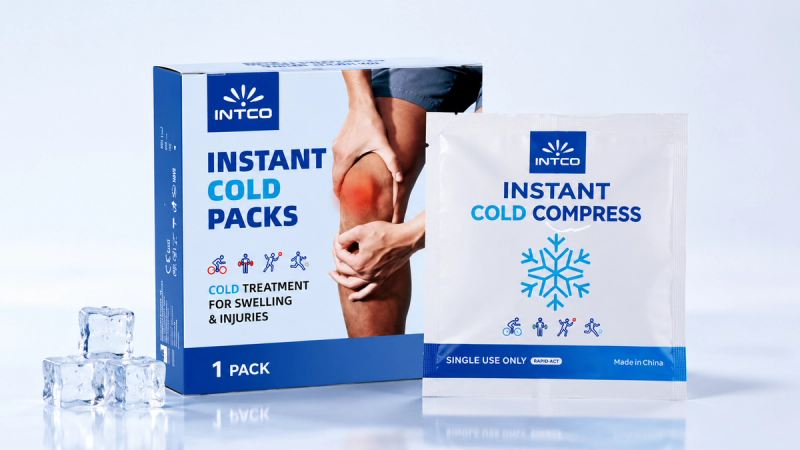
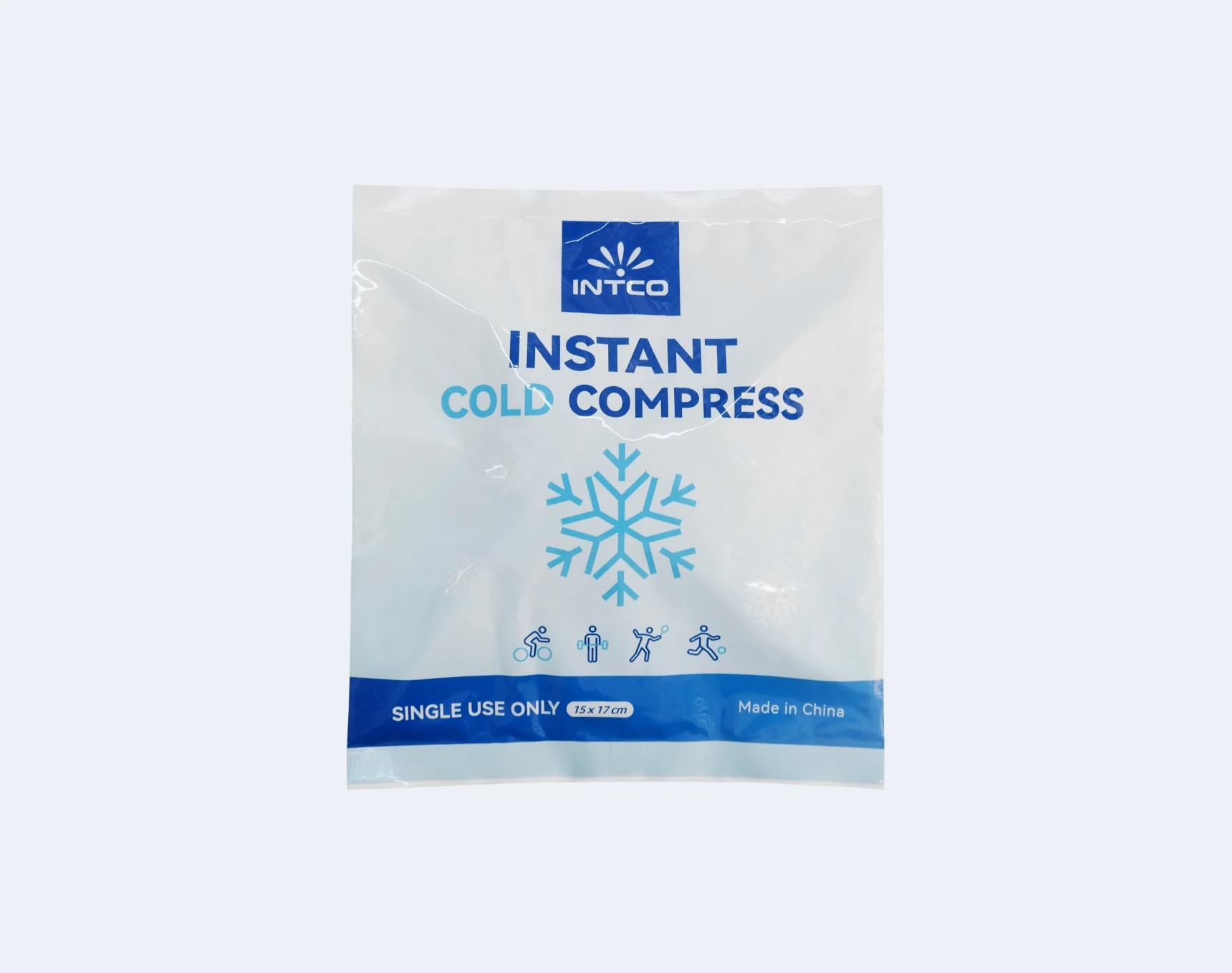
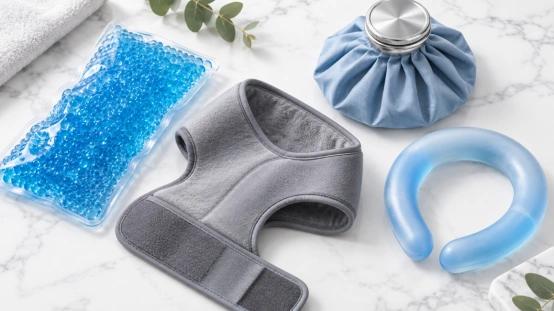
Write the use case before requesting a quotation. A pharmacy first-aid line may need a disposable instant cold pack in 5 x 6 in and 6 x 9 in sizes. A sports retailer may need a reusable gel pack, compression sleeve or PCM cooling neck ring. Home care may call for an ice bag or hot water bag. The use case sets the thermal mode, dimensions, cover, instructions and testing plan.
Separate Supplier Roles
The phrase hot and cold pack manufacturer can describe a factory, trading company or sourcing agent. Ask who controls filling, sealing, inspection, packaging release and change approval.
A hot cold therapy supplier should show the legal manufacturing entity, current certificates, sample records and batch traceability. Use the same evidence when you judge an instant cold pack supplier or medical cold pack supplier.
Which Product Formats Fit Your Therapy Range?
Your product mix affects storage, instructions, repeat purchase and handling. Review each format as a separate SKU family. The examples below give you a starting point; current test records should support the final specification.
Disposable, Reusable and Body-Specific Options
Format | Catalogue specification | Buyer checks |
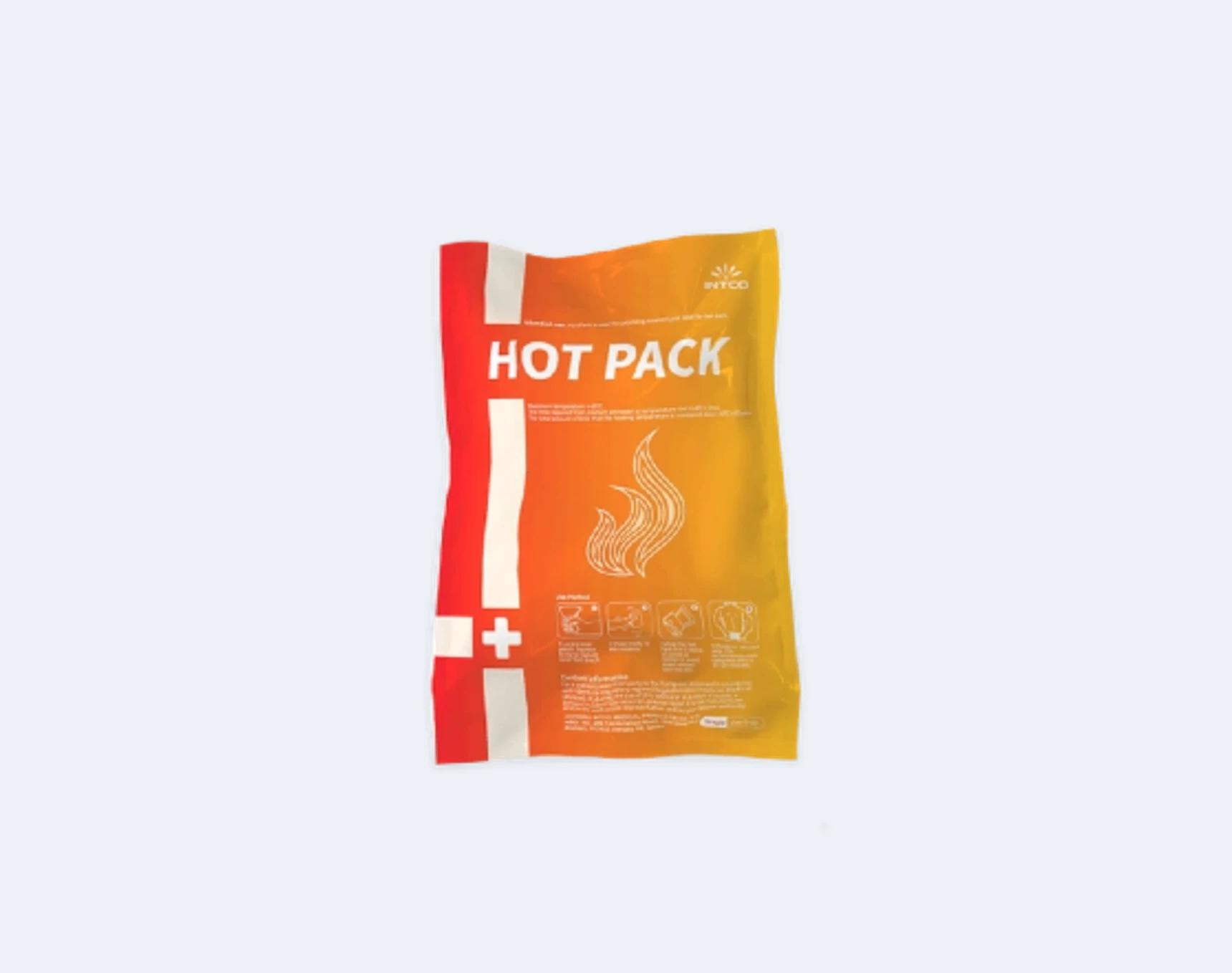
Instant cold pack | 5 x 6 in and 6 x 9 in; disposable external use; no refrigeration stated | Activation consistency, seal, shelf life and label |
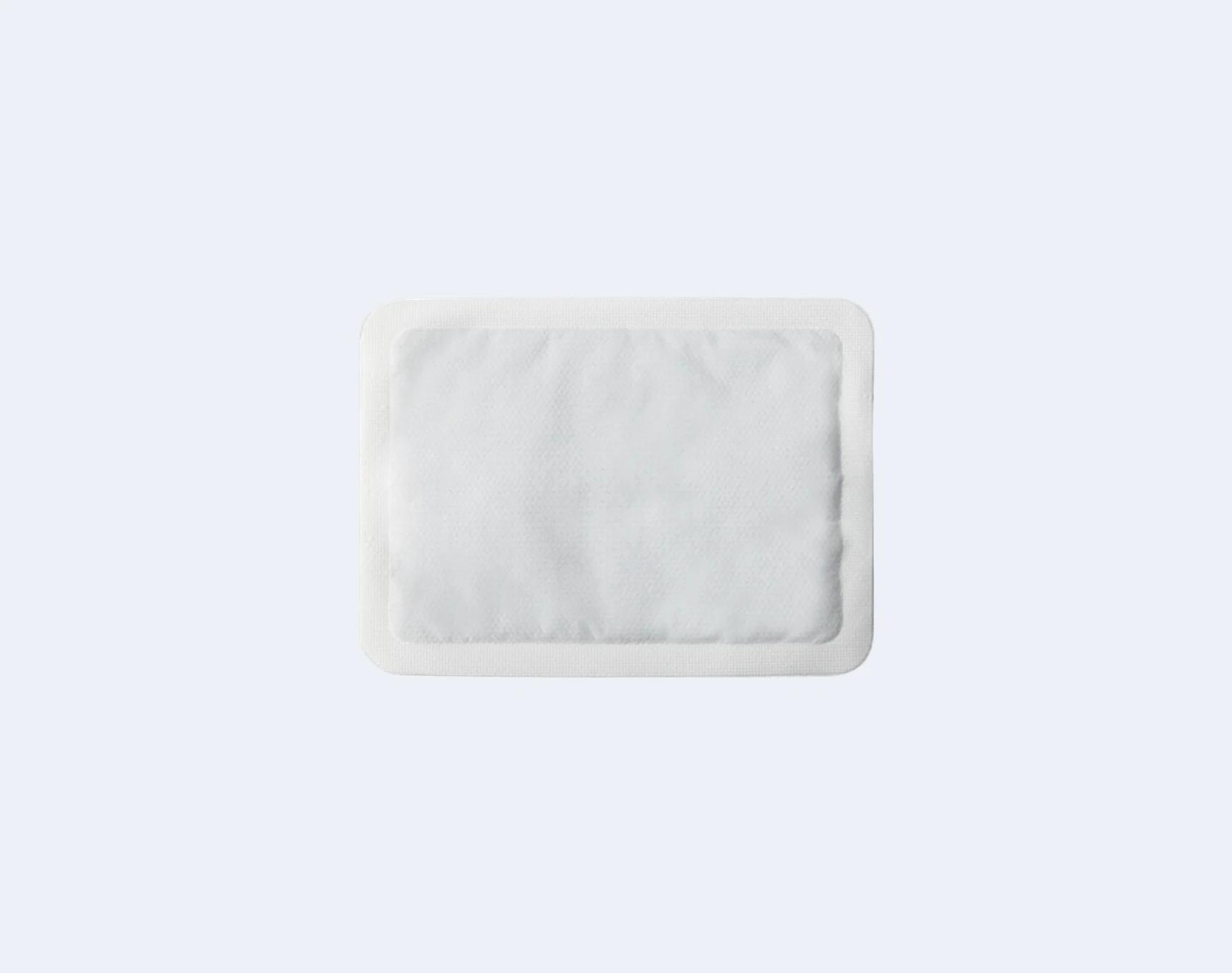
Instant hot pack | 5 x 6 in and 6 x 9 in; disposable external use; no heating stated | Heat curve, surface temperature and package seal |
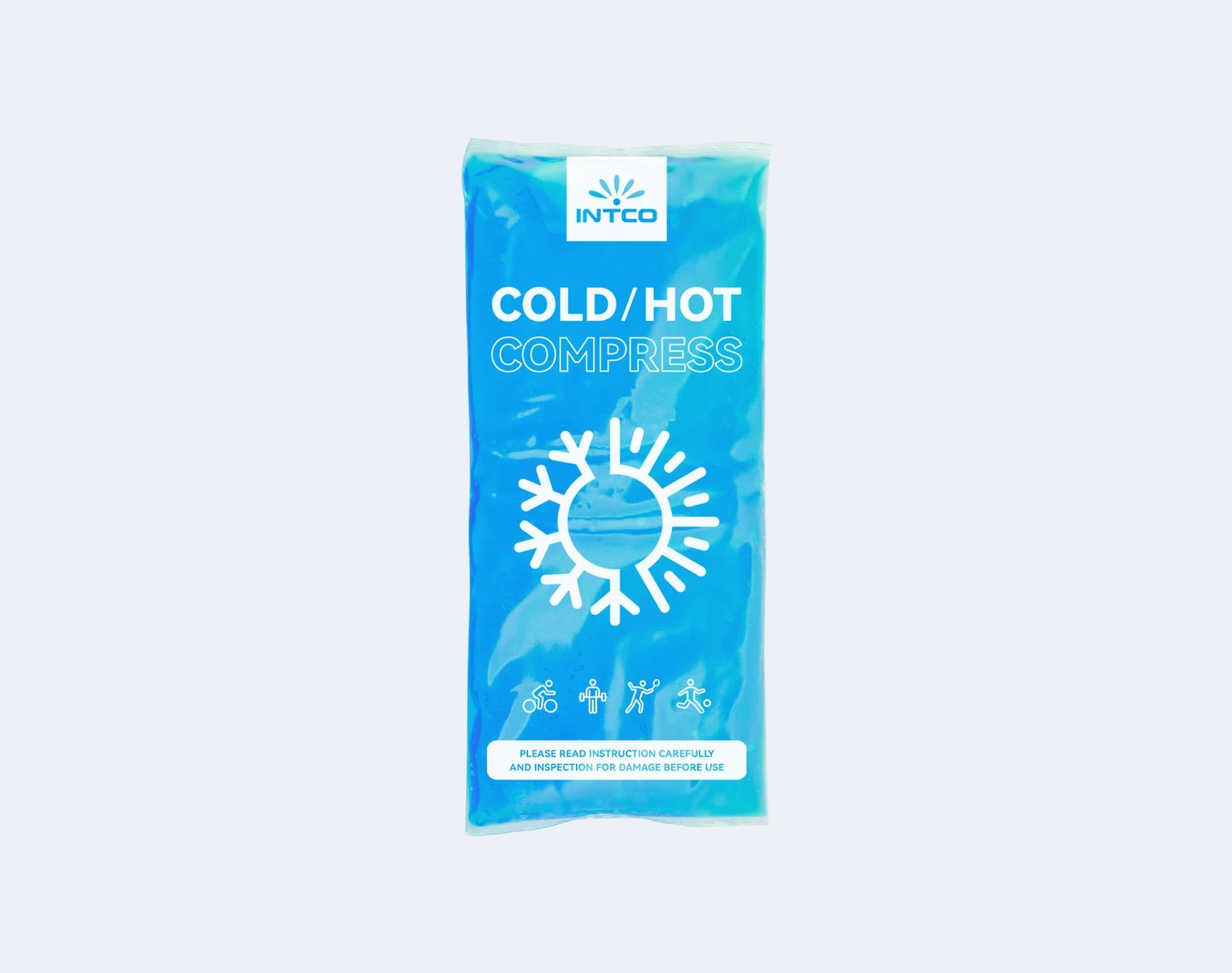
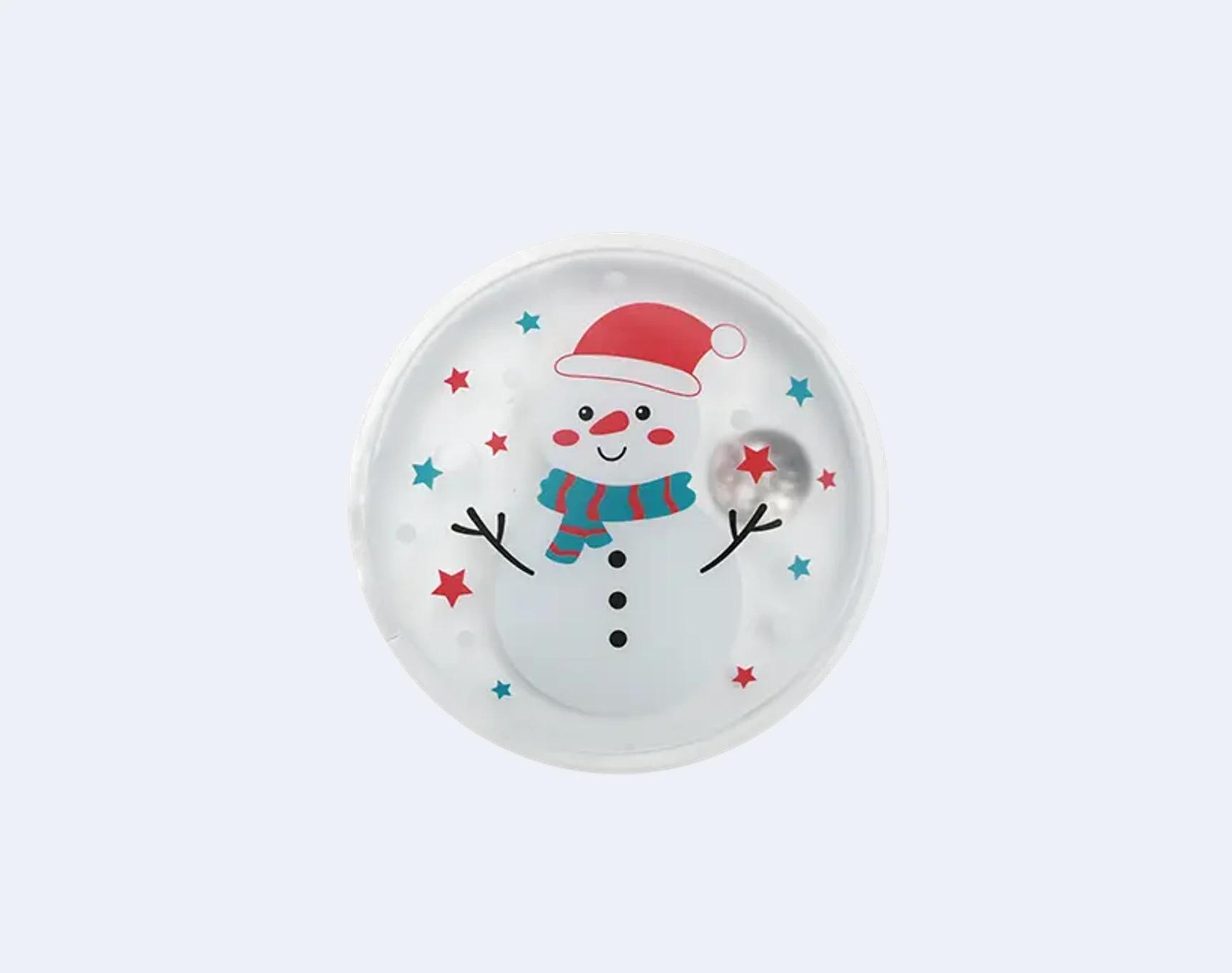
Reusable gel pack | PE/nylon or fabric constructions for hot or cold use | Freeze/heat cycles, leakage and seam strength |
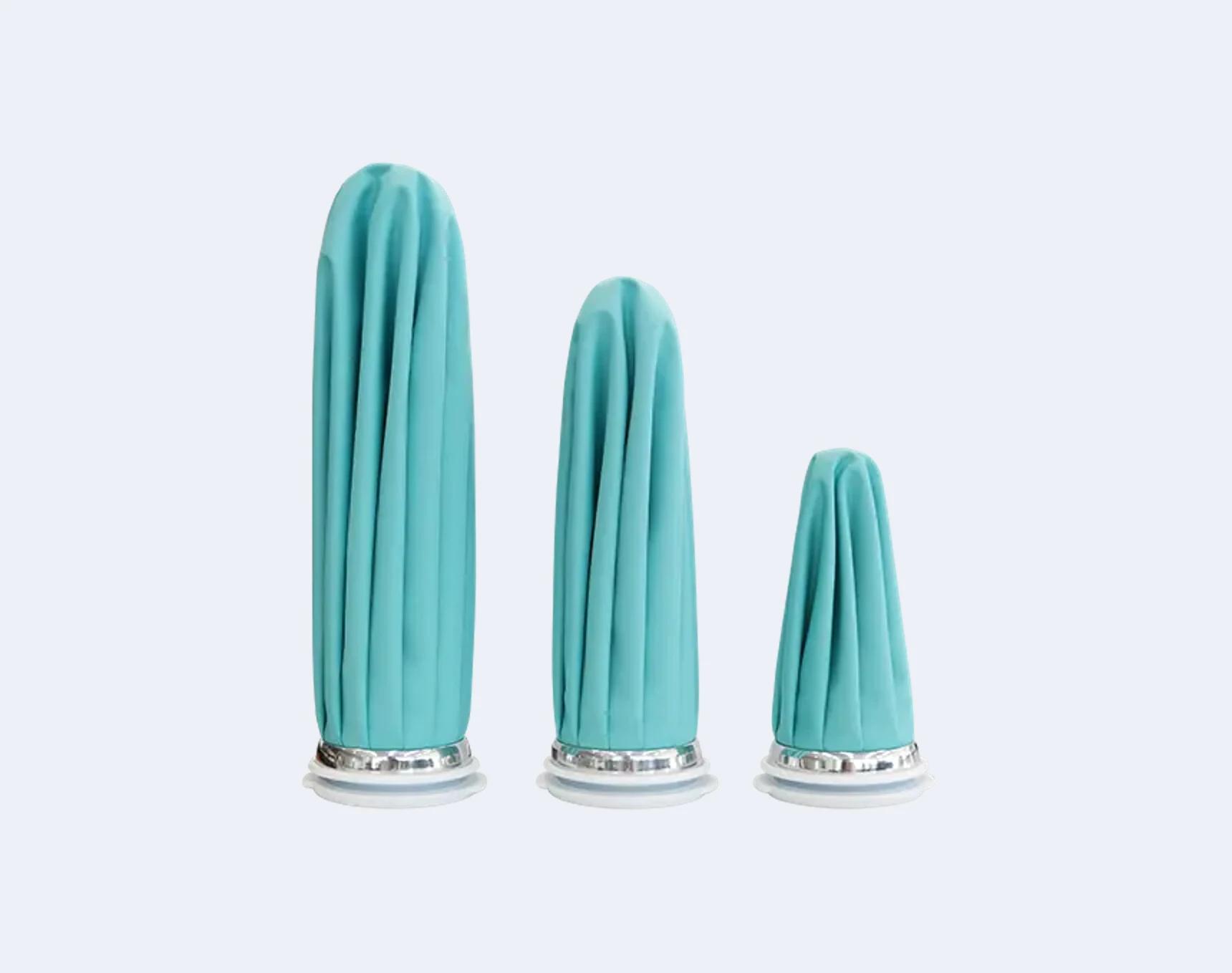
Ice bag | 5, 6, 9 and 11 in; fill with cold water or crushed ice | Closure, leak resistance and fabric conformity |
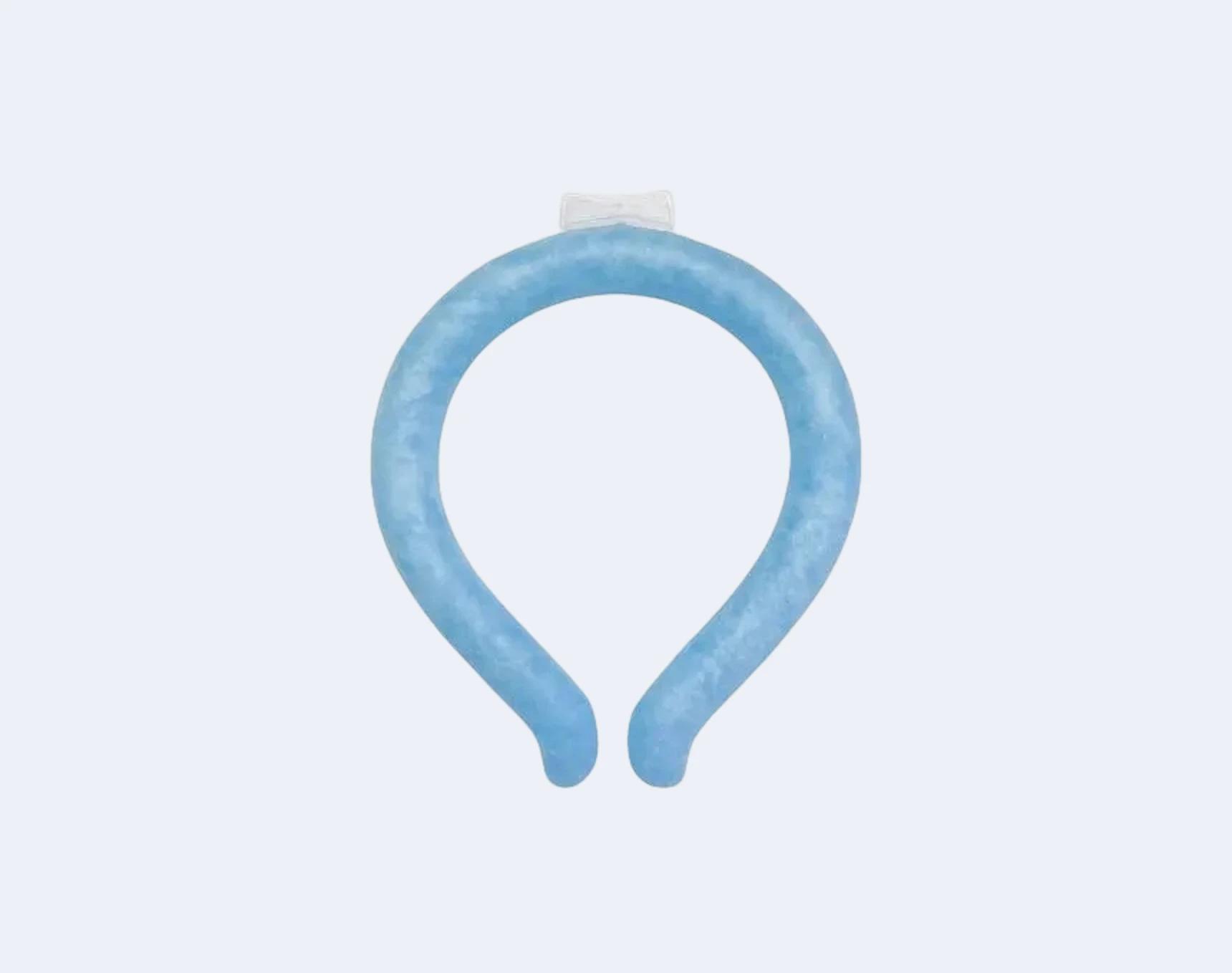
PCM cooling neck ring | Multiple sizes available; 28°C phase-change temperature; can solidify at temperatures below 28°C; 10–15 minutes of refrigerator or freezer preparation; stays cool for up to 2 hours under specified conditions. | Temperature curve, cycle life and user instructions |
Fever cooling patch | 5 x 12 cm and 9.5 x 13 cm; disposable; cooling effect up to 8 hours stated | Adhesion, skin-contact safety and duration test |
Check Material and Shape Details
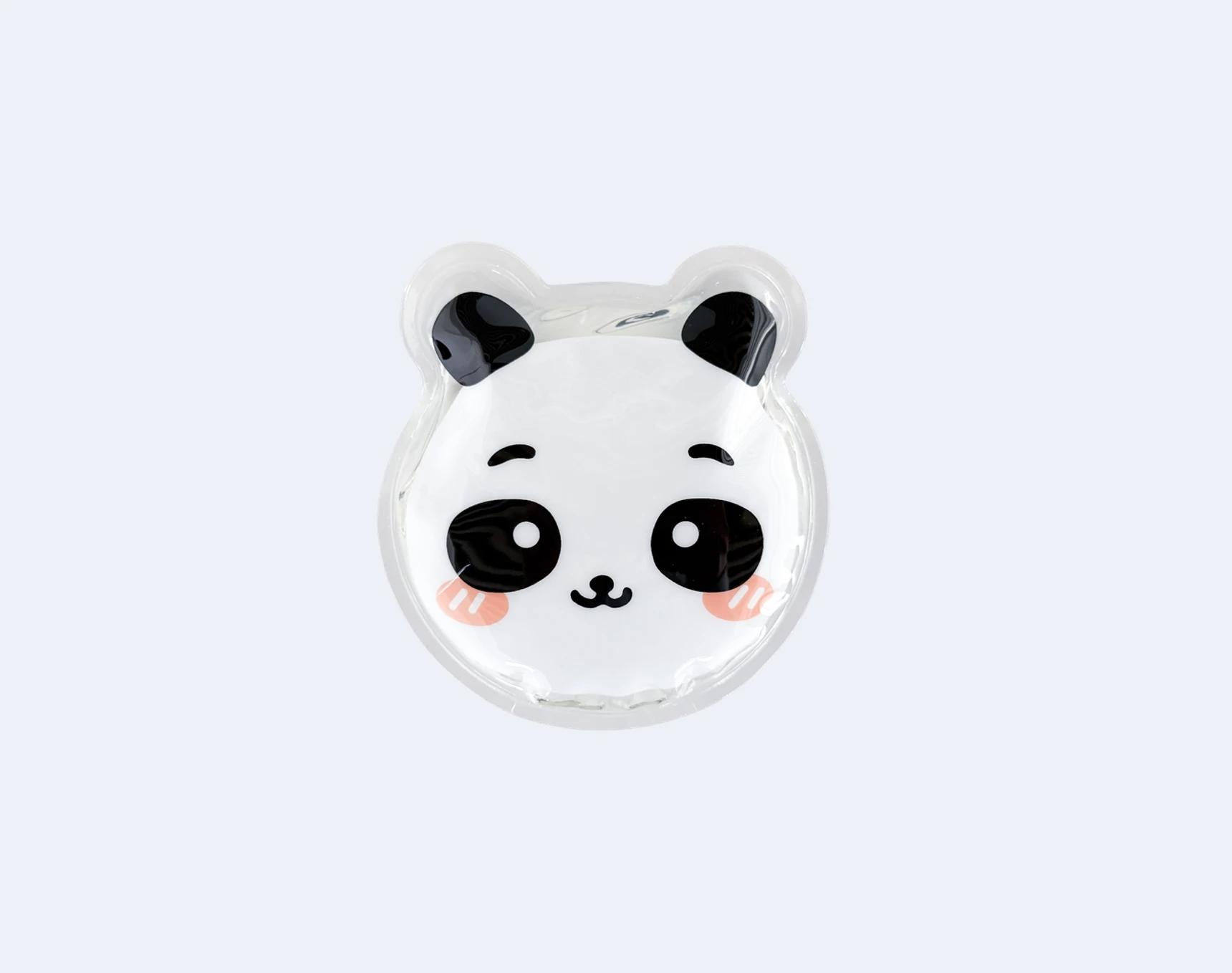
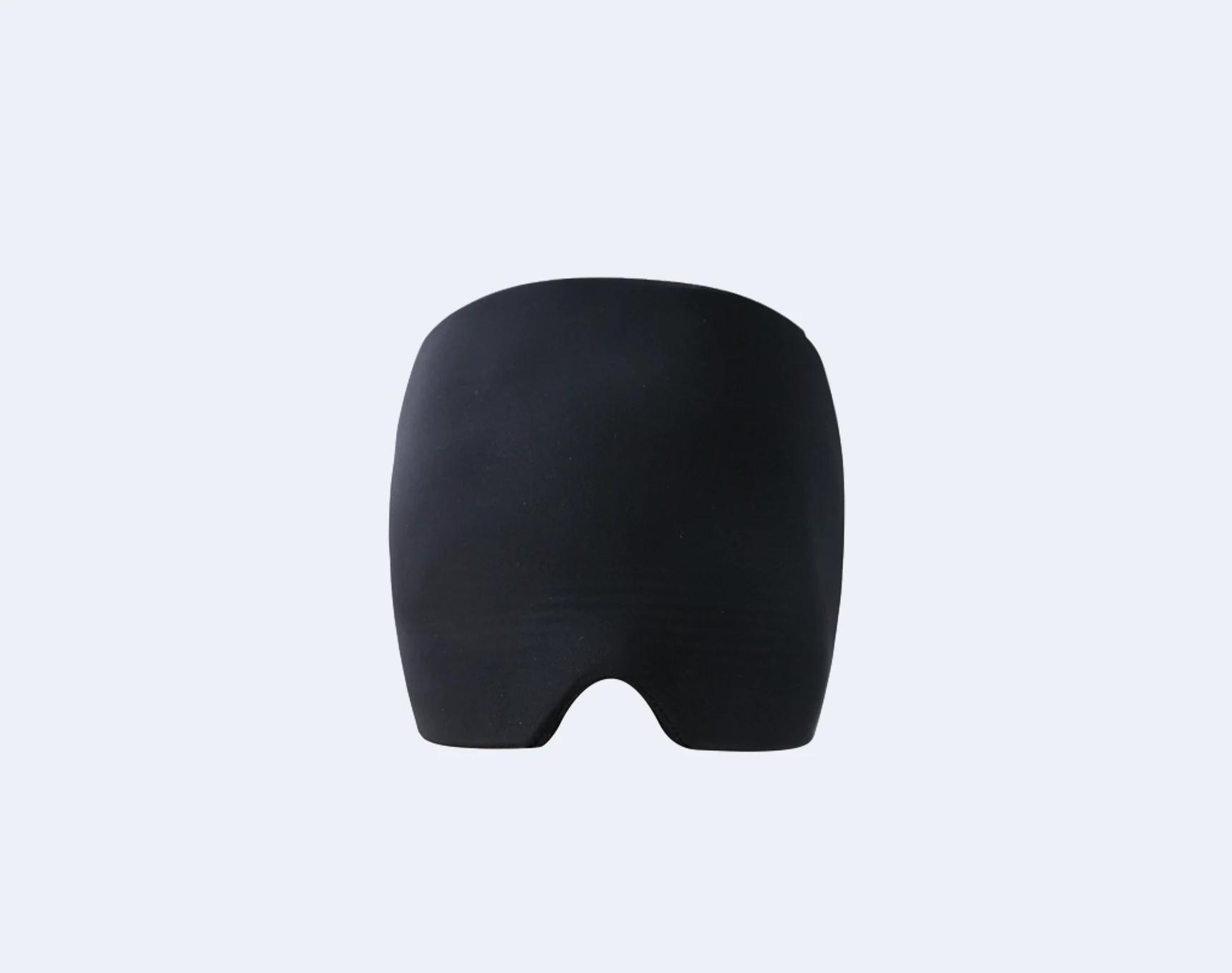
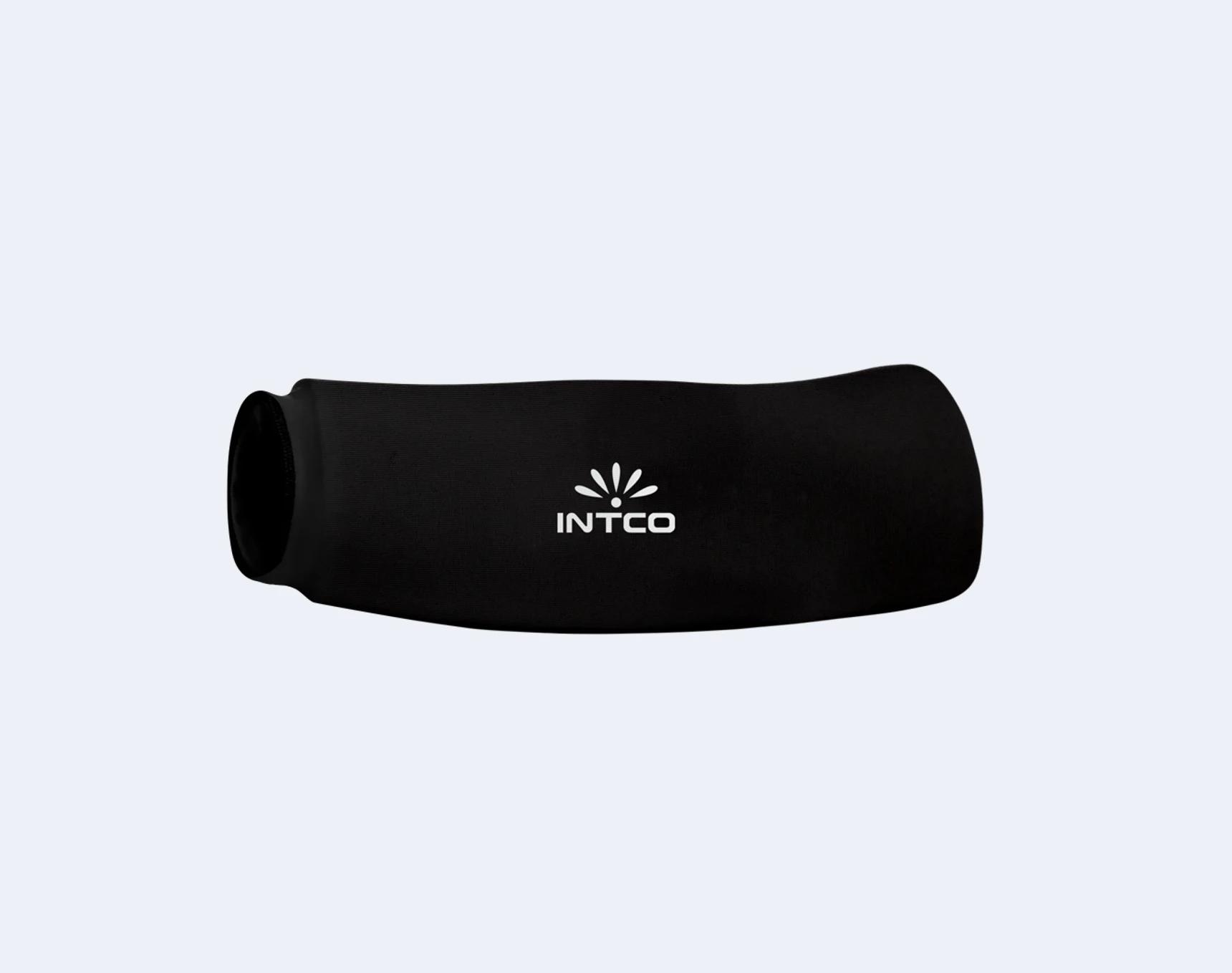
A reusable gel pack manufacturer may offer PVC, PE nylon, textile fabric, flannelette, Lycra or solid gel. A gel beads pack can suit a flexible body format; a head wrap or compression sleeve needs a different fit and cover. Ask for the material declaration, gel composition, adhesive information and skin-contact test. “Non-toxic” needs a named test method and report.
What Documents Should a Medical Cold Pack Supplier Provide?
Documentation connects a product claim to a market decision. Before approving a sample, ask for a document pack that names the legal manufacturer, product scope, certificate validity and market. A mark printed on packaging does not replace that review.
Quality and Regulatory Records
Ask for relevant quality and regulatory documentation, such as an ISO 13485 certificate with its scope, CE conformity documents where applicable, FDA establishment registration and device listing information where applicable, and SDS or MSDS files for relevant materials.
Suppliers may reference FDA registration or device listing, ISO 13485 quality management certification, or CE conformity documentation, depending on the product and target market. These represent different regulatory or quality requirements and should be verified separately. Use these regulatory and quality claims as a starting point for verification, then request current supporting documents, product labeling and batch release records.
Thermal and Durability Evidence
For cold products, request cooling curves with starting temperature, test environment, contact area and duration. For heat therapy, request activation method, maximum surface temperature and heat retention.
For reusable formats, add freeze/heat conditioning, flexing, leakage and drop tests. A catalogue may state two hours for a PCM cooling neck ring or eight hours for a fever cooling patch. Your file should show how the duration was measured.
How Do OEM and Private-Label Projects Change the Review?
Customization changes tooling, material declarations, artwork, barcodes, instructions and the regulatory file. Treat OEM hot cold pack work as a controlled specification project with one approved drawing and signed sample.
Define the Customization Scope
Record shape, size, fill, color, cover, logo, label language, carton quantity and leaflet. For a private label cold pack, ask who owns artwork, tooling and formula. Confirm how the supplier reports material, packaging and subcontractor changes. A heat therapy pack manufacturer should state activation and safe-use instructions for each SKU.
Compare Cost and Supply Continuity
Request a quote that separates product, tooling, artwork, packaging, testing, freight, duties and payment terms. Record sample, approval, production and replenishment times. Review origin, shipping lane, material backup and alternate production. This cold therapy supply review keeps the launch plan tied to evidence.

How Does INTCO Medical Fit a Technical Buyer Review?
Once you define the evidence, a supplier discussion becomes specific. INTCO Medical presents instant cold and hot packs, reusable gel packs, ice bags, cooling neck rings, hot water bags, head wraps, compression sleeves and fever cooling patches. The product pages help you match a format to an application before requesting a sample.
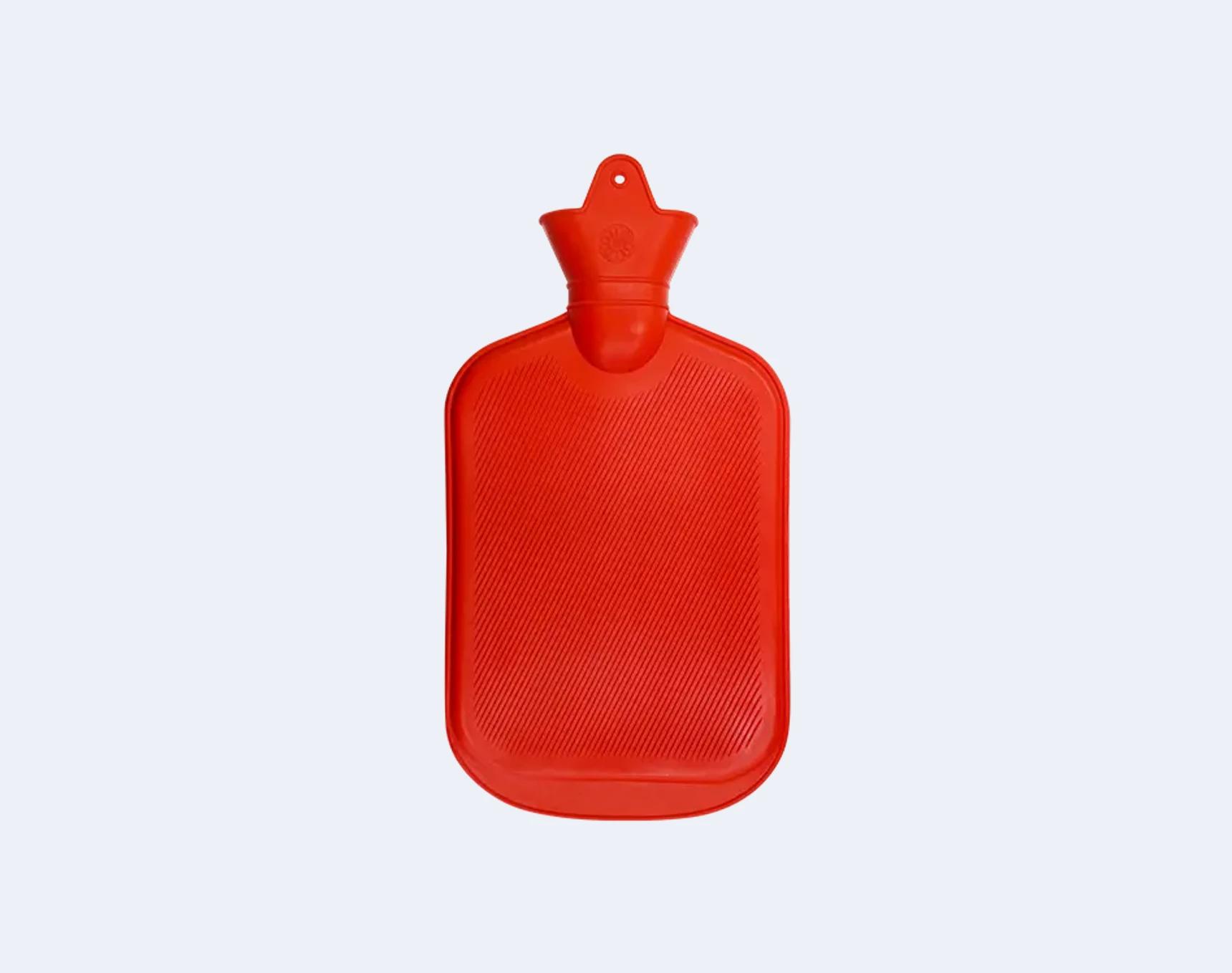
Useful starting points include 5 x 6 in and 6 x 9 in instant packs, cooling neck rings available in multiple sizes, 800 mL, 1 L and 2 L hot water bags, and body-specific gel formats. Ask for the material declaration, thermal test, cycle data, labeling file and batch records for the exact SKU. This keeps approval tied to your market.
What Should Your Cold Pack Supplier Checklist Include?
Use a short checklist during the first quotation round. It keeps suppliers on the same question set and shows which answers need documents.
RFQ Data to Send
- Target application: cold therapy, heat therapy, hot/cold therapy or PCM cooling
- Body area, application and expected user
- Dimensions, weight, shape and active material
- Film, fabric, cover, adhesive and closure requirements
- Disposable status or reusable cycle target
- Starting condition, target temperature and hold-time requirement
- Market, labeling language and certification route
- Packaging format, barcode and carton quantity
- Trial quantity, forecast volume and MOQ target
- Sample deadline, launch date, destination and inspection plan
Score product evidence, material safety, regulatory files, process control, customization, landed cost and continuity. Give the highest score to claims supported by a current document, approved sample and repeat batch record.
FAQ
Q1: What Does a Cold Pack Manufacturer Make?
A: A cold pack manufacturer produces instant cold packs, reusable gel packs, ice bags and related hot and cold therapy products such as cooling neck rings, head wraps and fever cooling patches.
Q2: What Should You Request From an ISO 13485 Cold Pack Manufacturer?
A: Request the current certificate and scope, product-specific conformity documents, material declaration, SDS or MSDS, thermal test, labeling file and lot release records.
Q3: How Do You Compare an Instant Cold Pack With a Reusable Gel Pack?
A: Compare activation, storage, shelf life, thermal curve, leakage risk, cycle life, packaging and instructions. The choice follows the use case and channel.
Q4: Which Materials Are Common in Reusable Therapy Packs?
A: Common catalogue examples include PVC, PE nylon, textile fabric, flannelette, Lycra and solid gel. Ask for the complete material and skin-contact file for the target SKU.
Q5: What Affects MOQ and Lead Time for an OEM Hot Cold Pack?
A: Existing molds, custom tooling, formula changes, artwork, packaging, testing, forecast volume and approval timing all affect MOQ and lead time.