




























How to Choose a Dental PPE Supplier: A Procurement Guide
INTCO Physical Therapy Overview: Hot and Cold Therapy, Cold Chain, and Care Applications
FROM: INTCO Medical
|
24 Sep 2026
Physical therapy teams manage two practical needs every day: controlled temperature treatment for patients and dependable temperature protection for medical materials. This INTCO Physical Therapy Overview maps the product groups, operating conditions, and care applications that connect those needs.
It gives distributors, clinic networks, and healthcare procurement teams a clear way to assess hot and cold therapy, cold chain handling, and patient-care fit.

How Do Hot and Cold Therapy Products Support Daily Care?
Temperature therapy follows a practical clinical mechanism. Cold application can limit local swelling after activity or injury. Heat application can loosen soft tissue before exercise. Your protocol, patient condition, skin checks, and treatment time determine the format.
Reusable Hot & Cold Gel Pack
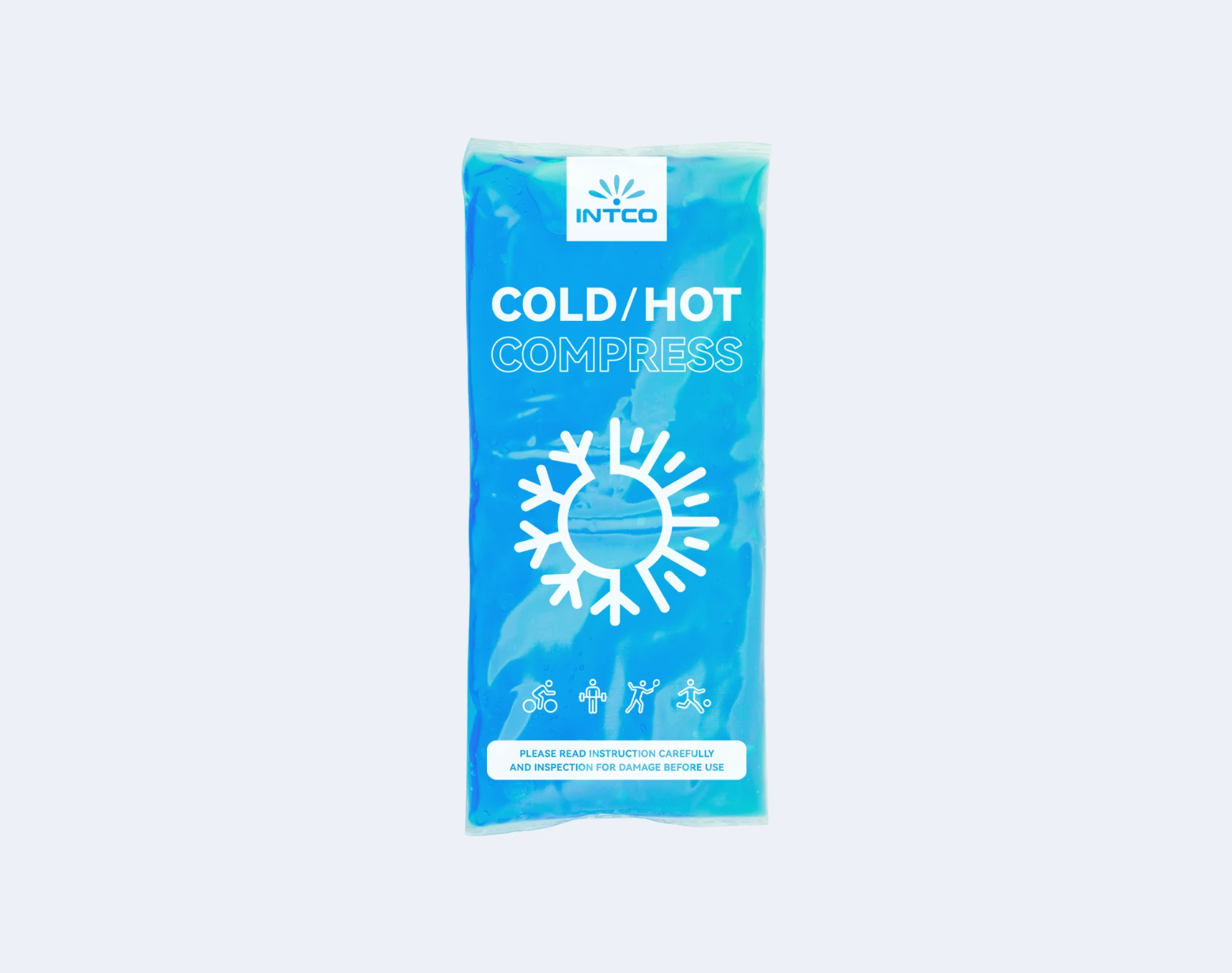
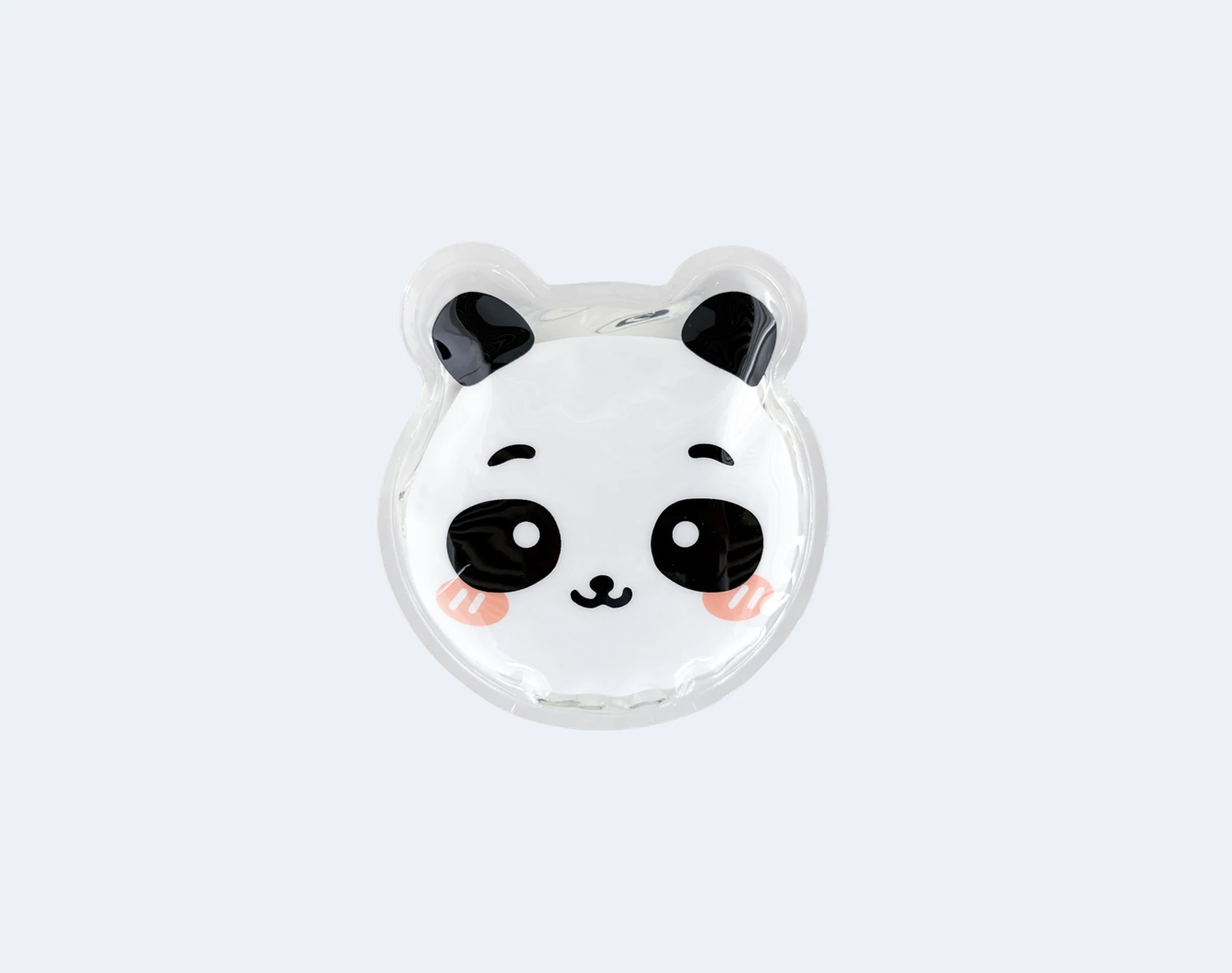
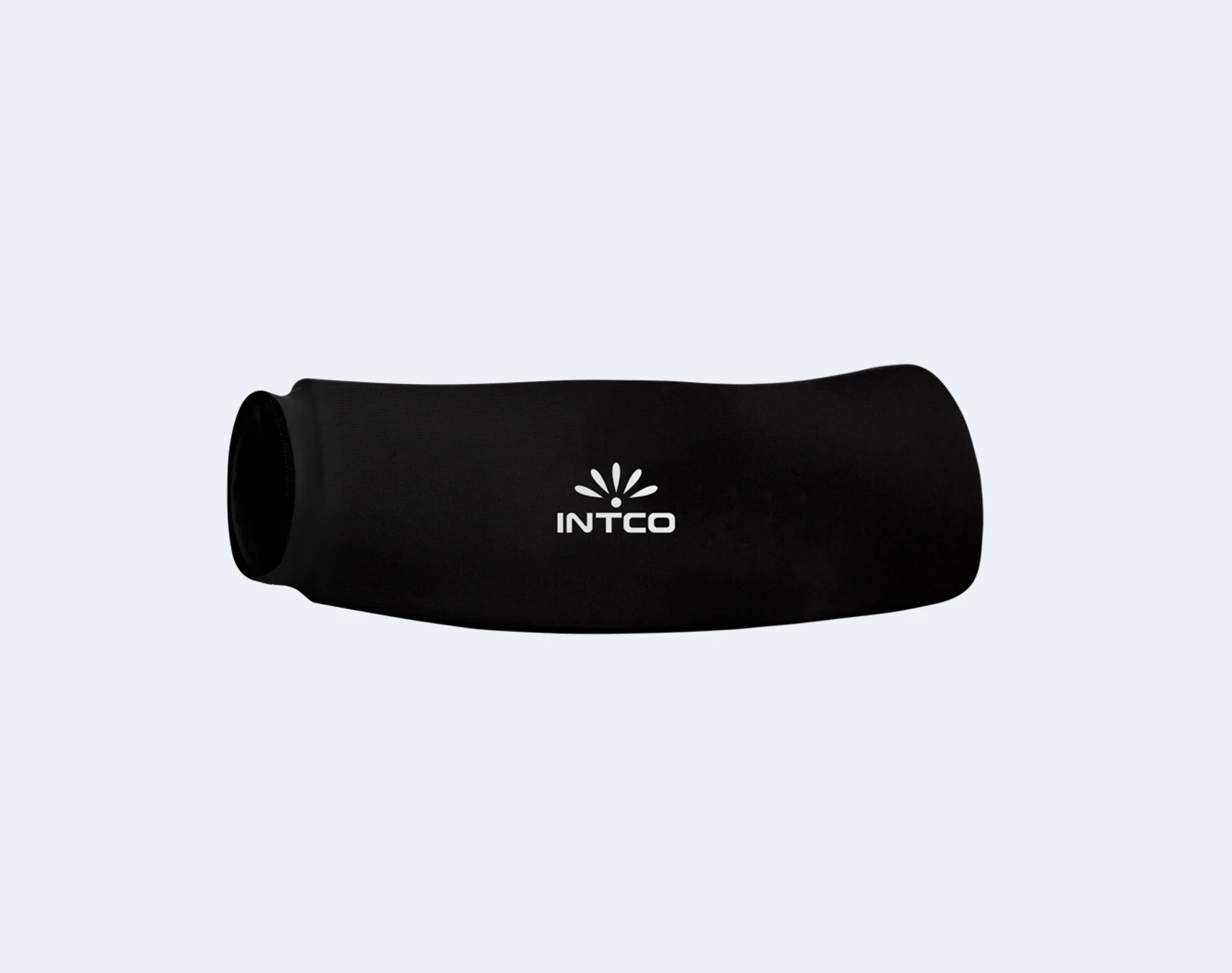
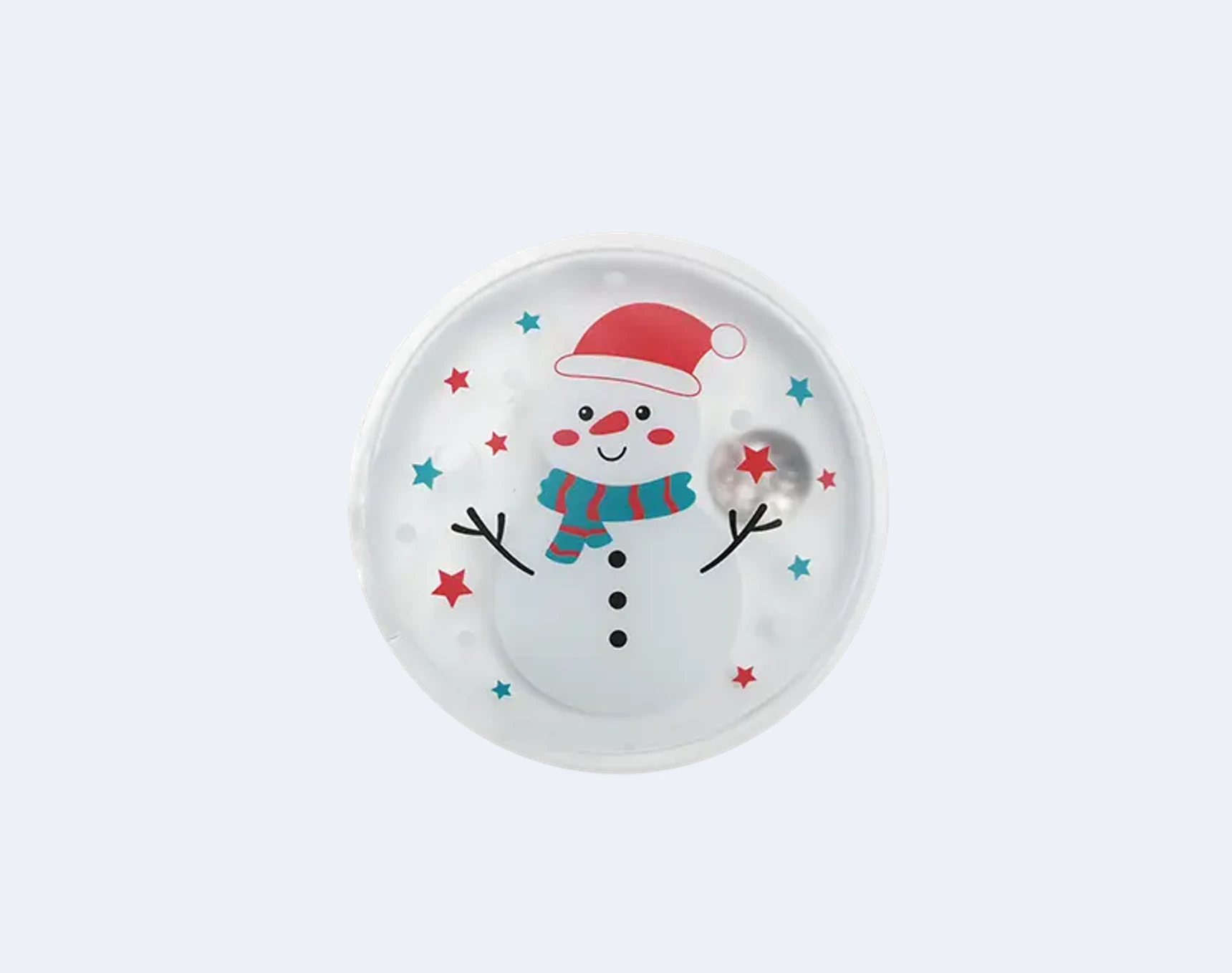
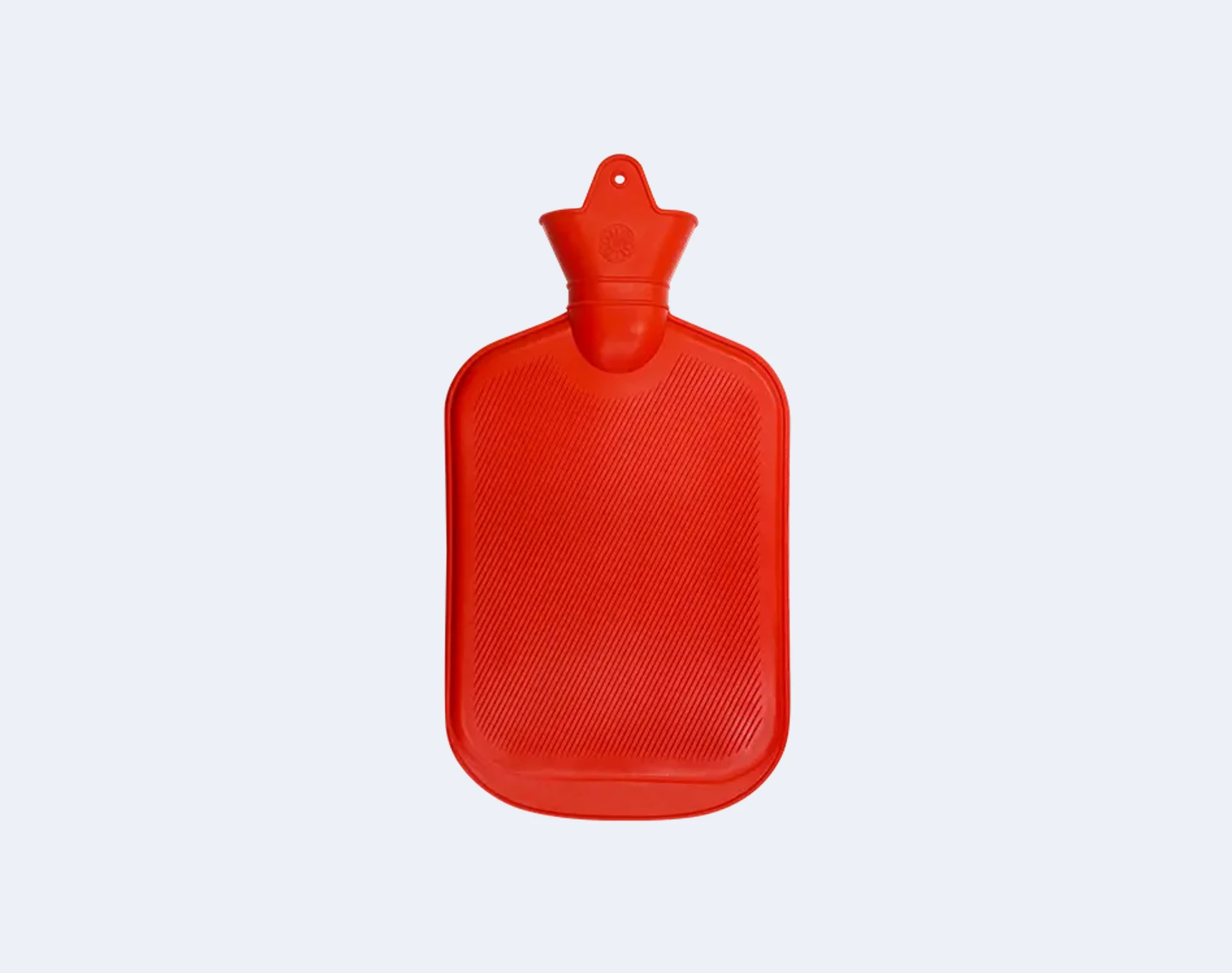
A Reusable Hot & Cold Gel Pack serves repeated appointments. You can chill it in a refrigerator or freezer, or warm it in a water bath or microwave when the product instructions allow that method. A clinic can assign packs by treatment room, clean them between patients, and maintain a rotation that matches appointment volume.
Procurement teams should check fill stability, seal integrity, cover compatibility, and temperature hold time. A flexible pack can conform to a knee, shoulder, or lower back. Product dimensions affect storage density and surface coverage.
Instant Cold Pack and Reusable Hot & Cold Gel Pack
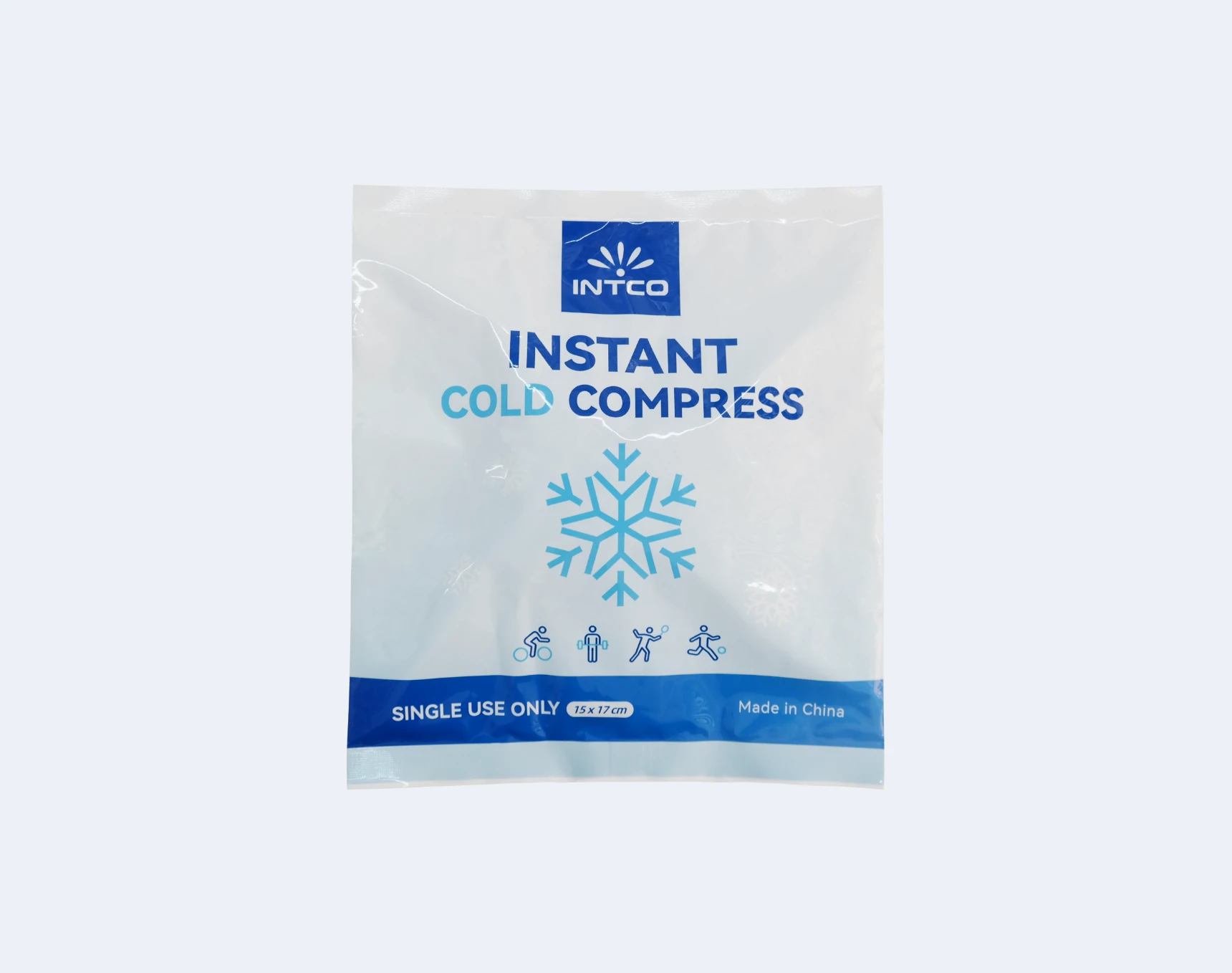
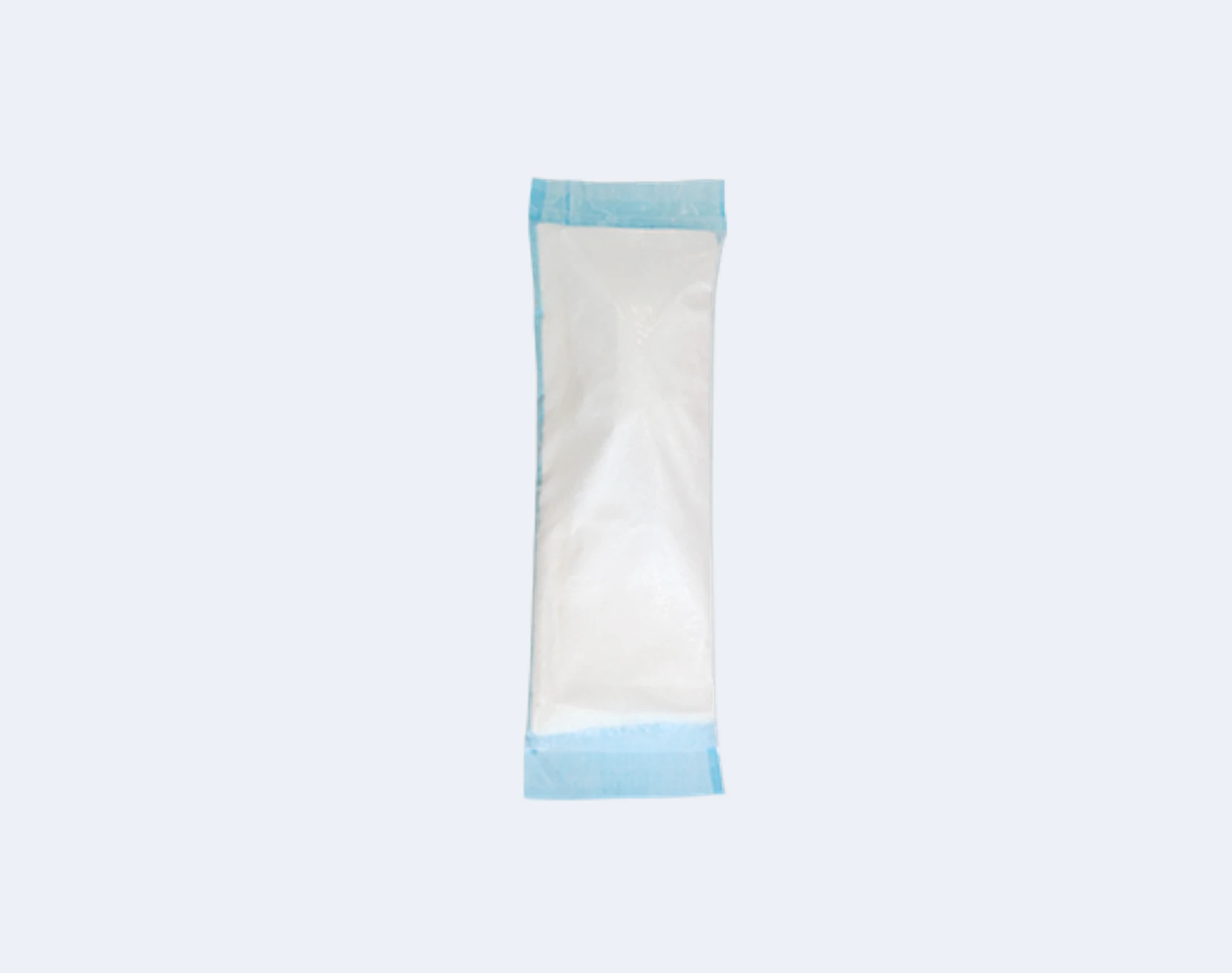
An instant cold pack activates when an internal barrier breaks and the components mix. It supports first response kits, transport bags, and mobile therapy visits because it does not require a freezer. A reusable gel pack uses a preconditioned gel and supports planned sessions where a freezer or refrigerator is available.
|
Format |
Typical Setting |
Operating Consideration |
|
Reusable Hot & Cold Gel Pack |
Clinic treatment rooms |
Requires cleaning and temperature conditioning |
|
Instant Cold Pack |
First aid and mobile care |
Single-use activation and disposal workflow |
|
Reusable Hot & Cold Gel Pack |
Rehabilitation and home-care kits |
Freezer space and rotation planning |
What Should You Check Before Buying Physical Therapy Products?
You can compare products with an evidence checklist that connects clinical handling with purchasing targets and operating cost.
Material and Safety Checks
Review the outer film, seal construction, filler behavior, and labeling. The pack should contain its contents during normal bending and compression. Confirm the stated heating method, temperature range, conditioning time, and skin barrier requirement.
Workflow and Cost Checks
Record sessions per room each day. If one room uses six packs across 18 appointments, a rotation of conditioned and in-use packs can reduce waiting time. Ask for carton dimensions, case quantity, shelf life, and lot identification to plan inventory.
Compliance and Documentation
Your quality team should match product claims with the documents required in each destination market. Request material declarations, test reports, labeling files, and traceability information. Keep a receiving record that links each case to its lot and expiry data when applicable.
How Does Cold Chain Handling Fit Physical Therapy and Care Logistics?
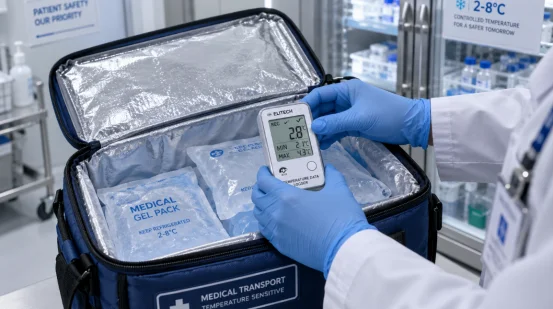
Cold chain handling can support a range of temperature-sensitive healthcare logistics. Rehabilitation networks may use gel packs and insulated packaging to support the transport of temperature-sensitive products between warehouses and clinics. Each handoff adds exposure time, so packaging, conditioning, and handling procedures should follow the temperature requirements of the specific product and application.
Conditioning and Packing Sequence
Start with a written conditioning target, such as refrigerated storage or frozen storage. Precondition packs for a documented period, place them around the payload, and leave space for air circulation when the shipper design calls for it. Where temperature monitoring is required, use an appropriate monitoring method based on the product requirements and validated shipping procedure.
Distribution Across Multiple Sites
Central procurement can standardize pack sizes and carton labels, while each clinic keeps a local par level. Set reorder points from actual weekly use. For example, a site using 40 packs per week with a two-week replenishment cycle needs a base stock that covers 80 packs plus a defined service buffer.
Cold Chain Risk Controls
Map where a package may sit on a loading dock, in a vehicle, or in a clinic receiving area. Assign an owner and time limit to each step. This helps define the response when packaging is damaged, temperature control may have been compromised, or handling conditions fall outside the established procedure.
Which Care Applications Match These Formats?
The same temperature format can support different care pathways when the handling protocol stays clear. Your clinical lead should define indication, duration, barrier use, and cleaning method.
Rehabilitation and Sports Injury Support
Cold packs commonly support early care after sprain, strain, or exercise-related soreness. Heat packs can precede stretching or range-of-motion work when a clinician approves heat. A pack with a broad, flexible surface can cover large muscle groups while a smaller format fits an ankle or wrist.
Post-Procedure and Home-Care Kits
Discharge teams can place a conditioned reusable pack or an instant cold pack in a take-home kit with written use limits. The kit label should state storage, session duration, skin inspection, and disposal steps. Clear instructions reduce calls to the clinic and help caregivers follow the care plan.
Long-Term Care and Comfort Rounds
Long-term care staff may use heat or cold for comfort routines under a care plan. Lightweight packs reduce handling strain during rounds. A wipe-clean cover and visible lot code simplify cleaning checks and replacement decisions.
How Does INTCO Medical Address Temperature Therapy and Care Supply Needs?
Your supplier choice affects product consistency, documentation, and process control across clinics, distributors, and care kits. INTCO Medical presents physical therapy and care products through its product portfolio and company information at its corporate site.
For this topic, the relevant capability is a range that links reusable and single-use temperature formats with packaging and supply support. You can specify pack dimensions, activation type, and care setting in one purchasing discussion. Ask for technical specifications, applicable test reports, packaging configuration, and lot traceability for the item under review.
FAQ
Q1: What is the main difference between a Reusable Hot & Cold Gel Pack and an Instant Cold Pack?
A: A reusable pack is conditioned and used across multiple sessions with cleaning and rotation controls. An instant cold pack activates on demand and supports mobile or first-response use without a freezer.
Q2: Can an Ice Pack support temperature-sensitive transport?
A: It can be used as a cooling component when the pack specification, conditioning method, payload requirements, and shipper design are suitable for the intended temperature profile. Where regulated cold-chain performance is required, the complete packaging system should be validated for the specific application.
Q3: What documents should a B2B buyer request for physical therapy products?
A: Request material declarations, test reports, labeling files, lot traceability, shelf-life data, and packaging details. Add destination-market documents required by your regulatory and quality teams.
Q4: How many therapy packs should a clinic keep in stock?
A: Base the par level on weekly sessions, conditioning time, cleaning turnaround, replenishment lead time, and a defined service buffer. A two-week cycle for 40 weekly uses starts with 80 packs before the buffer is added.
Q5: What information helps select a pack for a specific patient-care application?
A: Define the treatment temperature, session duration, body area, flexibility, barrier or cover requirement, cleaning method, and storage conditions. Match those needs to the supplier’s technical specification.