














AI in Medical Device Manufacturing: Where Automation Adds Real Value
Medical Device OEM Manufacturer: How INTCO Supports Cross-Category OEM and ODM Programs
FROM: INTCO Medical
|
25 Sep 2026
Why Do Buyers Use One Medical Device OEM Manufacturer across Categories?
Healthcare distributors, hospital groups, and industrial buyers often manage several disposable product lines at the same time. A cross-category OEM program helps buyers coordinate multiple product launches through one project structure.
The value is not that every product follows the same technical process. Instead, one program can align project timelines, artwork reviews, forecast planning, documentation ownership, and shipment preparation while each SKU keeps its own specifications and approval requirements.
A Portfolio Built around High-Use Disposables
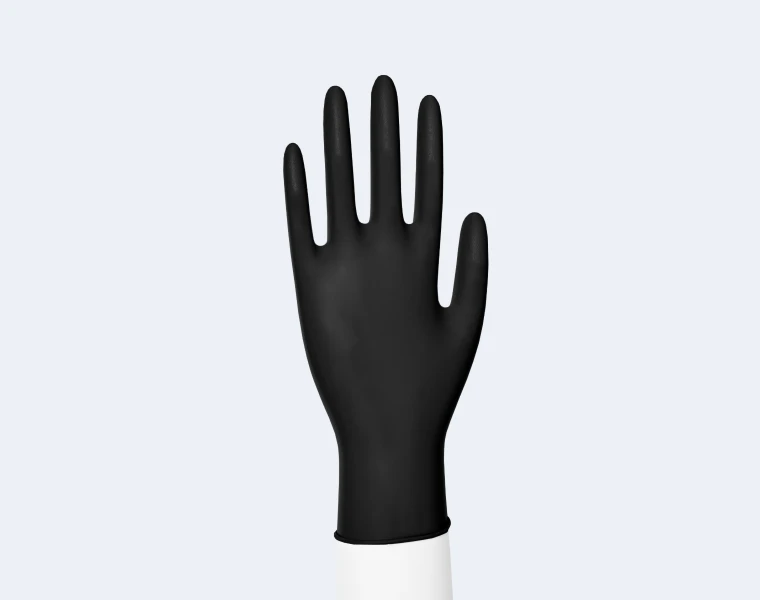
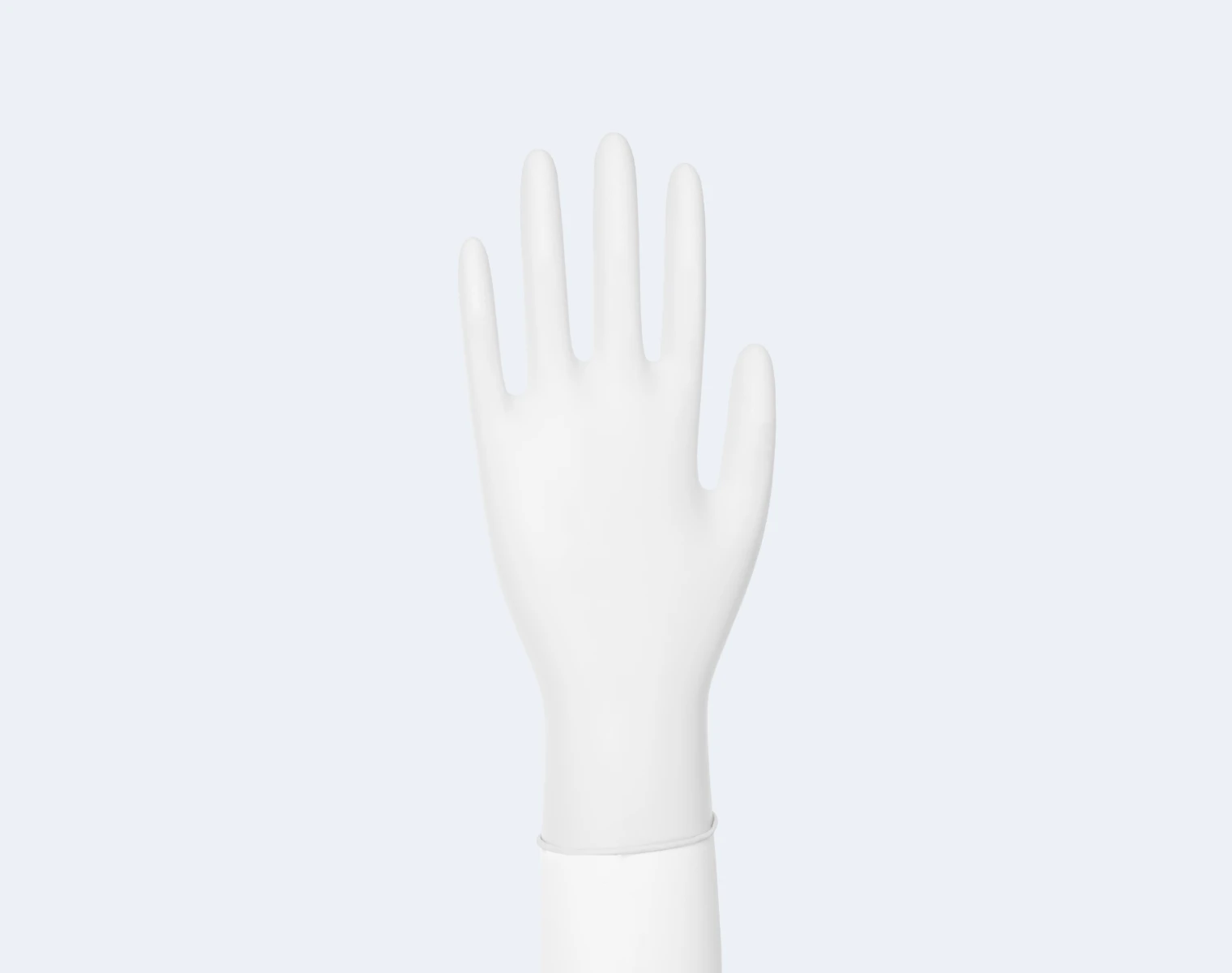
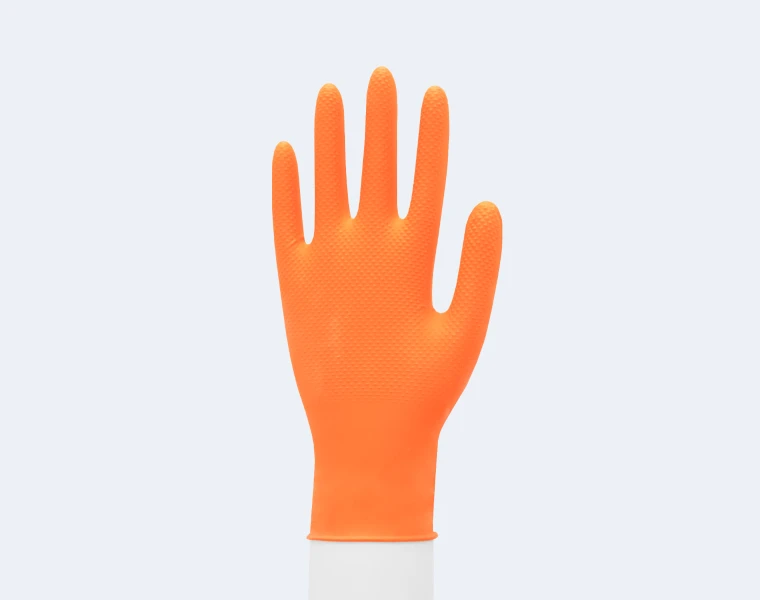
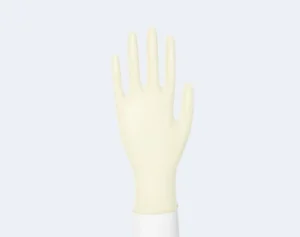
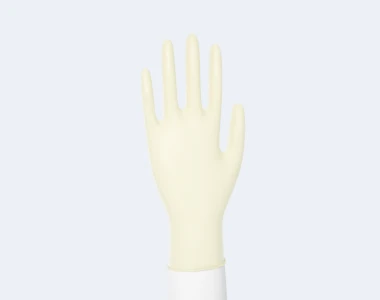
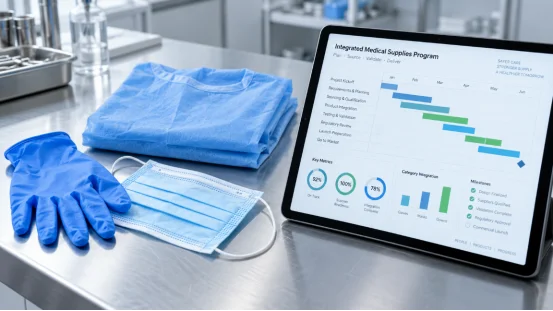
INTCO Medical’s public product portfolio groups disposable gloves, masks, gowns, protective clothing, and related medical consumables. The categories cover routine examination, procedure support, and barrier protection. For a buyer, the practical value is category adjacency: a new glove program can share labeling reviews, carton standards, and demand planning with a mask or gown program.
One Program, Several Technical Workstreams
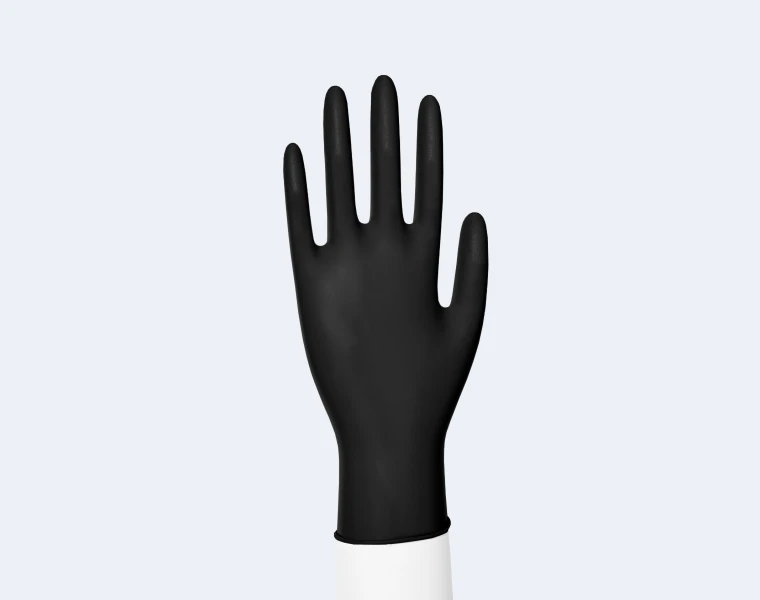
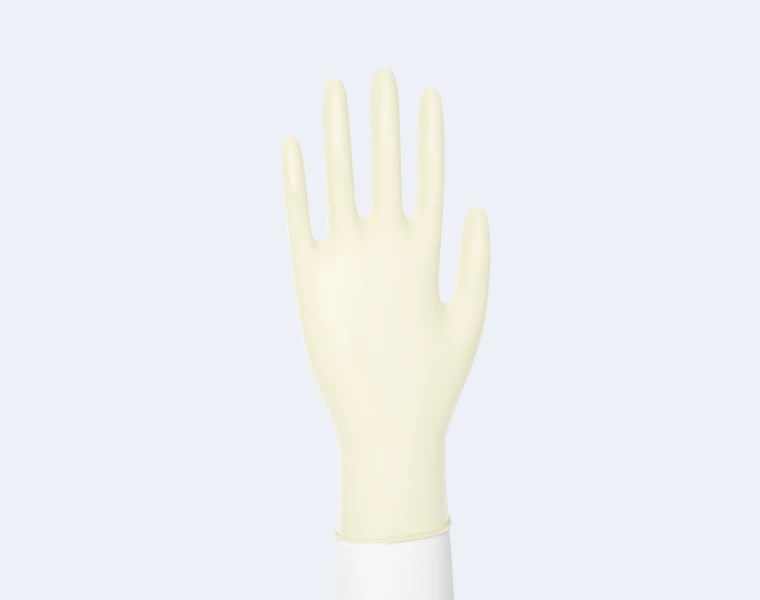
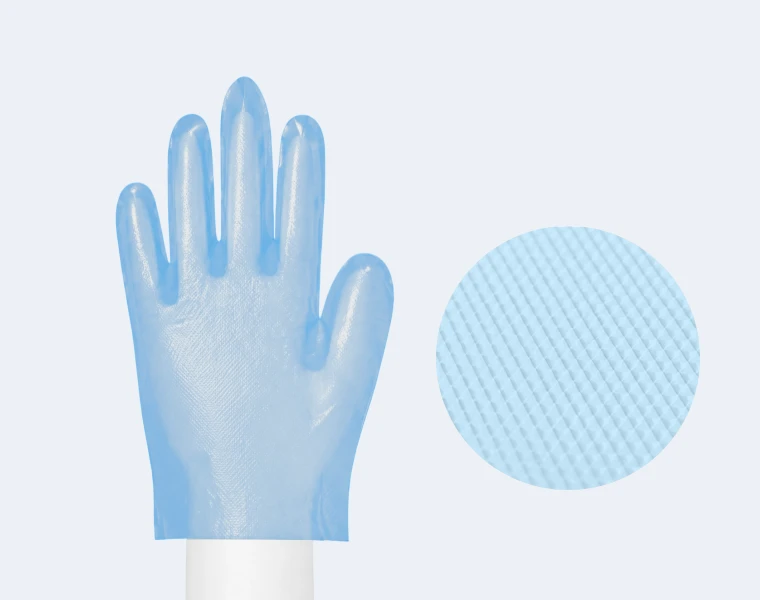
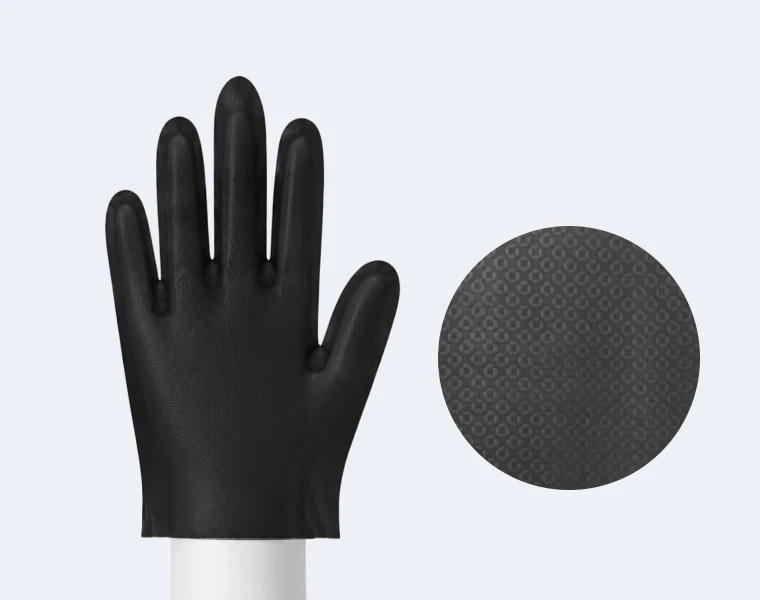
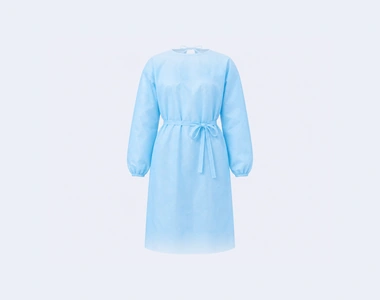
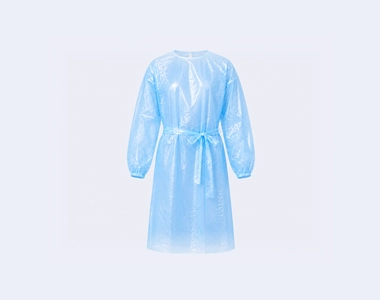
Cross-category work still needs separate controls. Glove projects may specify polymer, thickness, cuff design, color, and powder status. Mask projects may specify layer construction, filtration performance, ear-loop design, and fit. Apparel projects may specify fabric, seam construction, size grading, and barrier levels. For multi-category OEM programs, quality assurance can be structured through a master agreement covering the overall cooperation, complemented by product-specific annexes that address each category’s regulatory, testing, and documentation requirements.
How Should Requirements Be Coordinated Across Multiple Product Categories?
A cross-category OEM program requires one shared project structure without forcing different products into one specification.
Each category should keep its own product requirements, while the project team manages common milestones across the program.
For each SKU, define the intended use, target market, material or construction requirements, packaging format, artwork status, sample status, and approval owner.
This approach gives buyers one project overview while preserving category-specific technical requirements.
Separate SKU Specifications, Shared Approval Milestones
Each SKU should maintain its own approved specification and sample status.
A glove, mask, and gown should not follow one identical technical approval path simply because they belong to the same commercial program.
At the program level, buyers can use shared milestones for requirement confirmation, sample review, artwork approval, and launch readiness.
Packaging and Private Label Execution
Private label programs often involve multiple product categories sharing one brand strategy.
Use one project calendar to coordinate logo requirements, language versions, carton standards, barcode or UDI fields where applicable, and market-specific warnings.
Each SKU should still maintain its own approved artwork file and packaging configuration.
How Should Documentation Be Organized Across Categories?
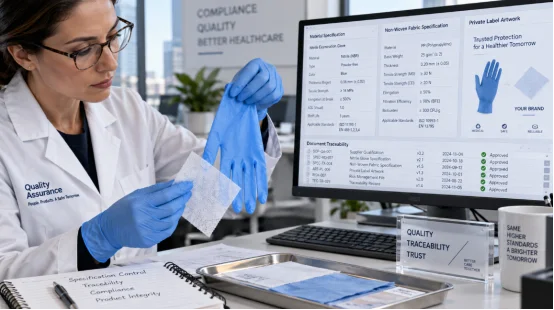
Each product category should maintain its own documentation path within the same OEM program.
A practical structure connects each SKU with:
- Approved specification
- Sample approval status
- Artwork version
- Packaging configuration
- Applicable product documentation
- Market requirements
The project team can manage one overall program view while keeping product-level files clearly separated.
How Should Multi-Category OEM Programs Manage Product Documentation?
Different product categories require different documentation paths.
A glove program may require material specifications, packaging requirements, and applicable product information.
A mask program may require different construction, filtration, labeling, and market requirements.
Protective apparel programs may follow another documentation path.
The goal is not to combine all documents into one file.
The goal is to coordinate documentation ownership, approval timing, and launch readiness across categories.
How Are Category-Specific Requirements Kept Separate?
Different categories should maintain separate technical requirements even when they are launched under one OEM program.
Glove programs may focus on material, size range, color, thickness, and packaging.
Mask programs may focus on construction, filtration requirements, fit style, and packaging.
Protective apparel programs may focus on fabric, garment structure, sizing, and intended use.
The project team should coordinate timelines and approvals without merging category-specific requirements.
How Should Changes Be Managed Across Multiple Categories?
A change in one category should not automatically affect every product in the program.
Material, packaging, artwork, supplier, manufacturing site, or regulatory changes should be reviewed at SKU level.
Use a shared change log to record:
- Affected SKU
- Change type
- Required review
- Sample impact
- Artwork impact
- Market-document impact
- Approval owner
- Effective date
How Can Cross-Category Planning Reduce Launch Friction?
Cross-category planning works when the supplier understands the full demand picture across all product lines. Share forecast bands, launch markets, pack formats, and seasonal peaks by category while keeping separate launch readiness dates for each SKU.
Coordinated Forecasts with Separate Release Gates
Use one master forecast with a line for each product and pack format. Set separate approval gates for artwork, sample approval, applicable market documents, and launch readiness. A shared calendar improves visibility while each SKU keeps its own acceptance criteria.
Managing Peaks and Substitution Risk
Demand for examination gloves and protective apparel can rise sharply during outbreaks, tenders, or seasonal care cycles. Build a review point into the forecast and set substitution rules before a peak. If a material or pack change becomes necessary, route it through the agreed change-control process and update market documents before shipment.
What Makes INTCO Medical Relevant to a Multi-Category OEM Program?
Once your specifications, evidence list, and forecast are defined, the supplier’s operating model becomes the deciding factor. INTCO Medical presents a portfolio centered on disposable medical protection, which aligns with programs that combine examination gloves, procedure masks, gowns, and protective clothing. Its company information can serve as the starting point for a capability review focused on the categories in your brief.
The useful question is how the team manages interfaces across categories:
One project contact
Separate SKU specifications
Coordinated artwork review
Sample tracking
Category-specific documentation
Shared launch calendar
Review the listed categories against your target markets, then request samples and the applicable product documentation for the exact SKUs under consideration.
FAQ
Q1: What does a medical device OEM manufacturer provide?
A: A medical device OEM manufacturer can support product specifications, samples, private-label packaging, artwork coordination, and applicable product documentation.
For cross-category programs, the supplier also helps coordinate timelines and approvals across multiple SKUs.
Q2: Can one OEM program include gloves, masks, and gowns?
A: Yes. The categories can share a project calendar, while the quality-agreement structure depends on the product categories, regulatory requirements, manufacturing sites, and contracting entities involved. Each SKU should still keep its own materials, tests, and acceptance criteria.
Q3: How should documentation be organized in a multi-category OEM program?
A: Keep separate specifications, sample approvals, artwork files, packaging configurations, and applicable market documents for each SKU while managing them through one project structure.
Q4: How does ODM differ from OEM for medical consumables?
A: OEM follows your defined design and requirements. ODM starts from an existing platform that the supplier adapts through materials, dimensions, packaging, or other agreed changes.
Q5: What makes a multi-category OEM program easier to manage?
A: Clear SKU ownership, shared project milestones, separate approval gates, coordinated artwork review, consolidated forecasting, and category-specific documentation help keep multiple product lines aligned.