



























Global Medical Manufacturer: How Multi-Base Sites Cut Supply Risk
How to Choose a Dental PPE Supplier: A Procurement Guide
FROM: INTCO Medical
|
11 Sep 2026
Dental clinics depend on a consistent supply of gloves, masks, protective apparel, and other disposable PPE to maintain daily operations. A shortage of examination gloves or an unexpected delay in protective supplies can disrupt appointments, increase emergency purchasing costs, and place additional pressure on infection-control procedures.
A structured dental PPE procurement process helps practices and distributors select suitable products, verify supplier documentation, manage inventory, and reduce supply interruptions.
This guide explains how to evaluate a dental PPE supplier, compare disposable gloves and other protective products, establish reorder points, and qualify suppliers for recurring or bulk orders.

What Should a Dental PPE Procurement Plan Include?
A useful plan starts with patient volume, procedure mix, storage capacity, and local regulatory requirements. A two-chair general practice will not buy the same product mix as a multi-site clinic performing implants and oral surgery.
Divide Dental Consumables Into Four Groups
|
Category |
Typical Products |
Main Procurement Considerations |
|
Hand Protection |
Nitrile gloves, vinyl gloves |
AQL, barrier performance, fit, size consistency |
|
Respiratory Protection |
Medical face masks |
Filtration, breathability, fluid resistance |
|
Protective Apparel |
Isolation gowns, protective clothing, sleeve covers |
Coverage, material performance, freedom of movement |
|
Supporting PPE |
Face shields, shoe covers, caps |
Intended use, packaging, supply continuity |
High-use products such as examination gloves and medical face masks should be placed on a separate replenishment list because shortages can directly affect routine clinical operations.
Set Par Levels Before You Negotiate Price
Par level means the minimum quantity you want available after a delivery arrives. A simple formula is:
Average weekly use × supplier lead time in weeks + safety stock = reorder point.
For example, if a clinic uses 18 boxes of dental gloves per week, lead time is two weeks, and safety stock is 18 boxes, the reorder point is 54 boxes. Review the number every quarter because patient volume changes.
How Do You Compare Dental Gloves and Other Protective Products?
Product specifications matter, but the “right” item also has to work during a full clinical day. A glove that causes hand fatigue can slow procedures even when its unit price looks attractive.
Nitrile Gloves, Latex Gloves, and Vinyl Gloves
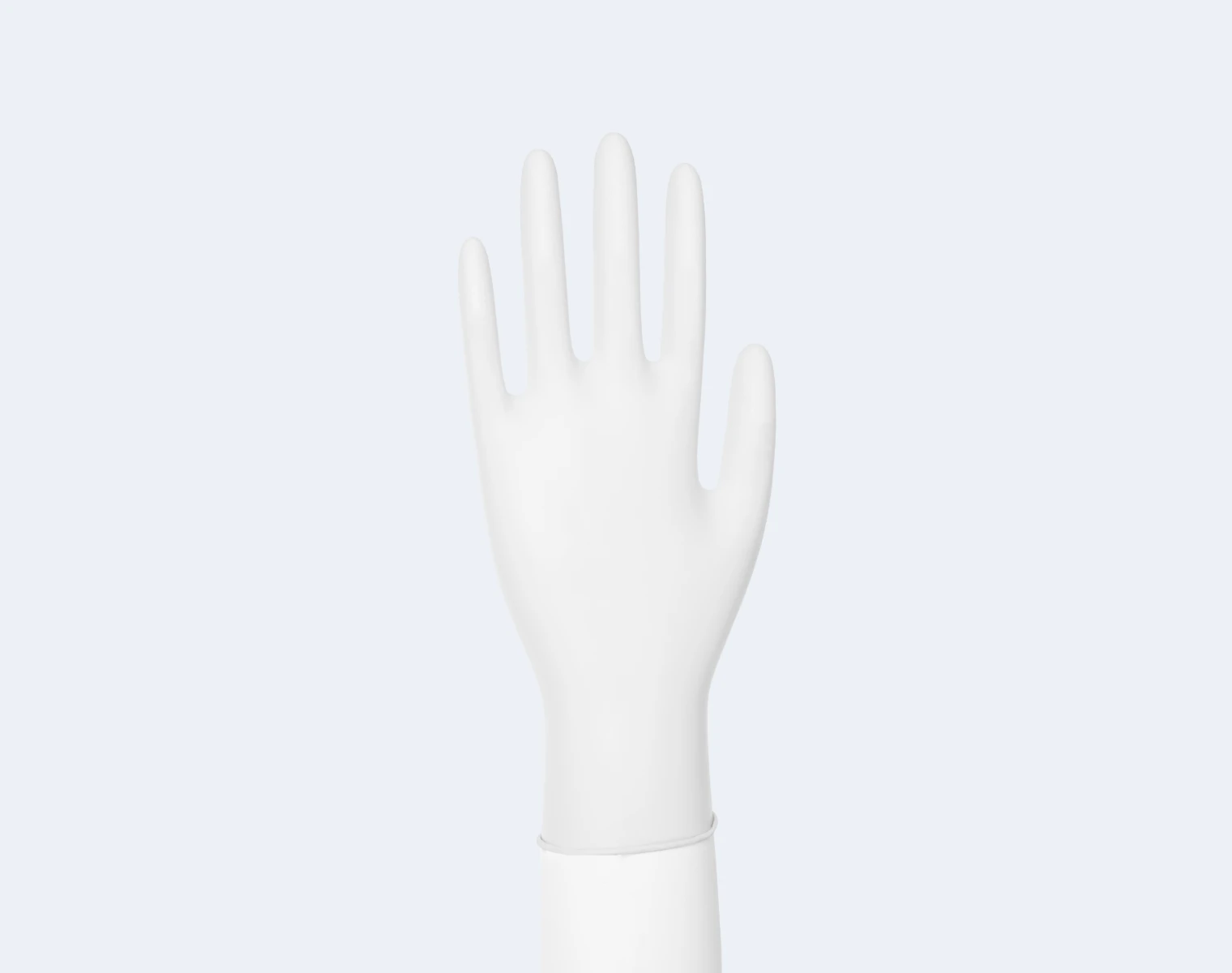
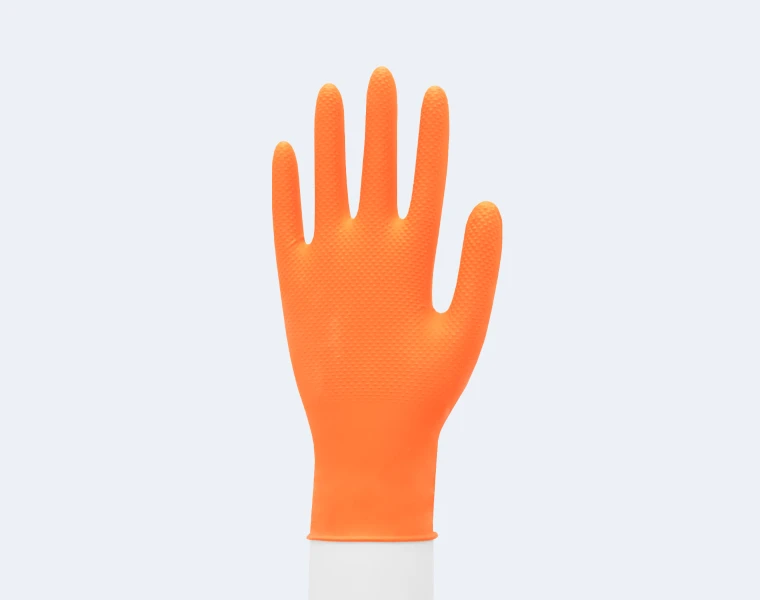
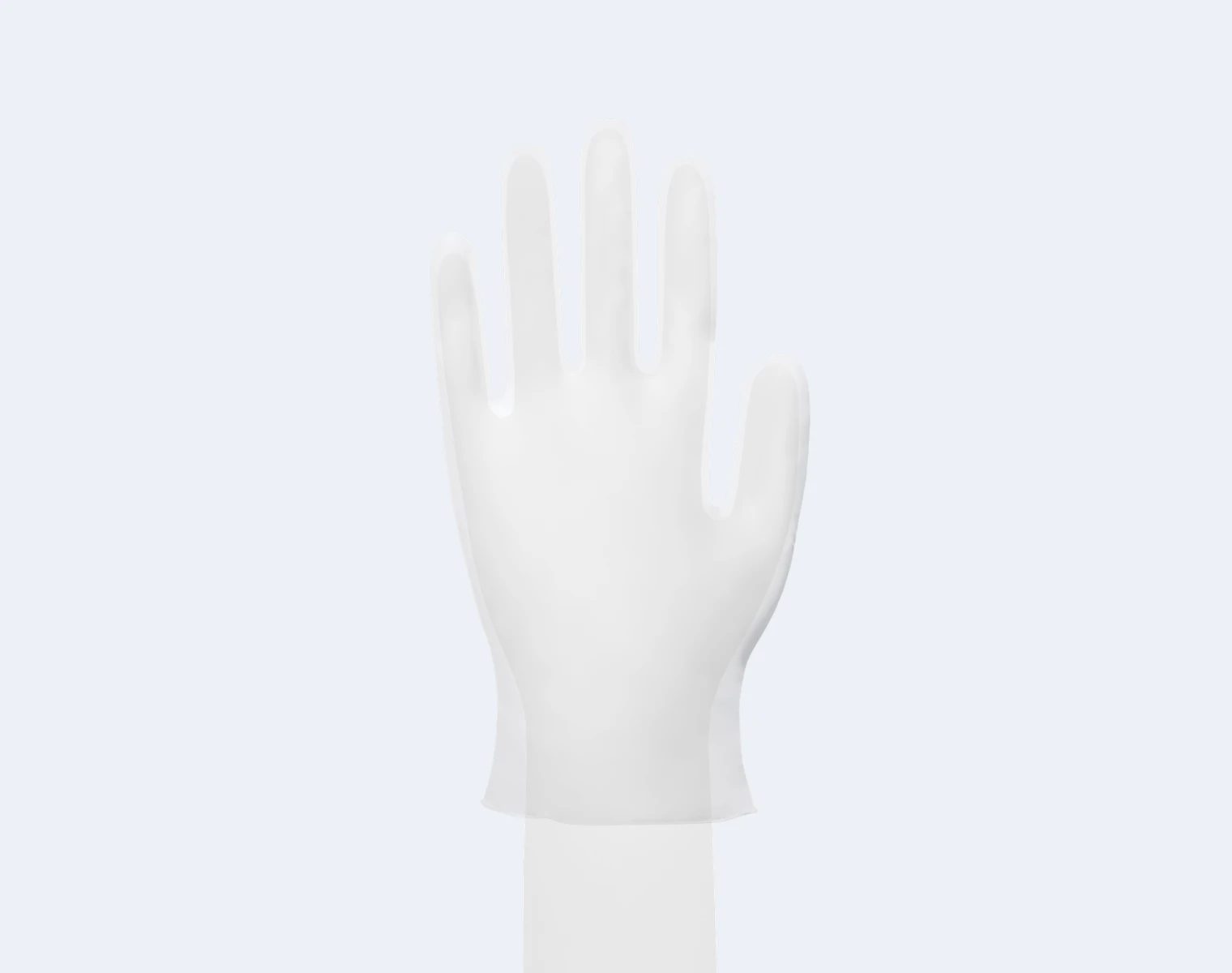
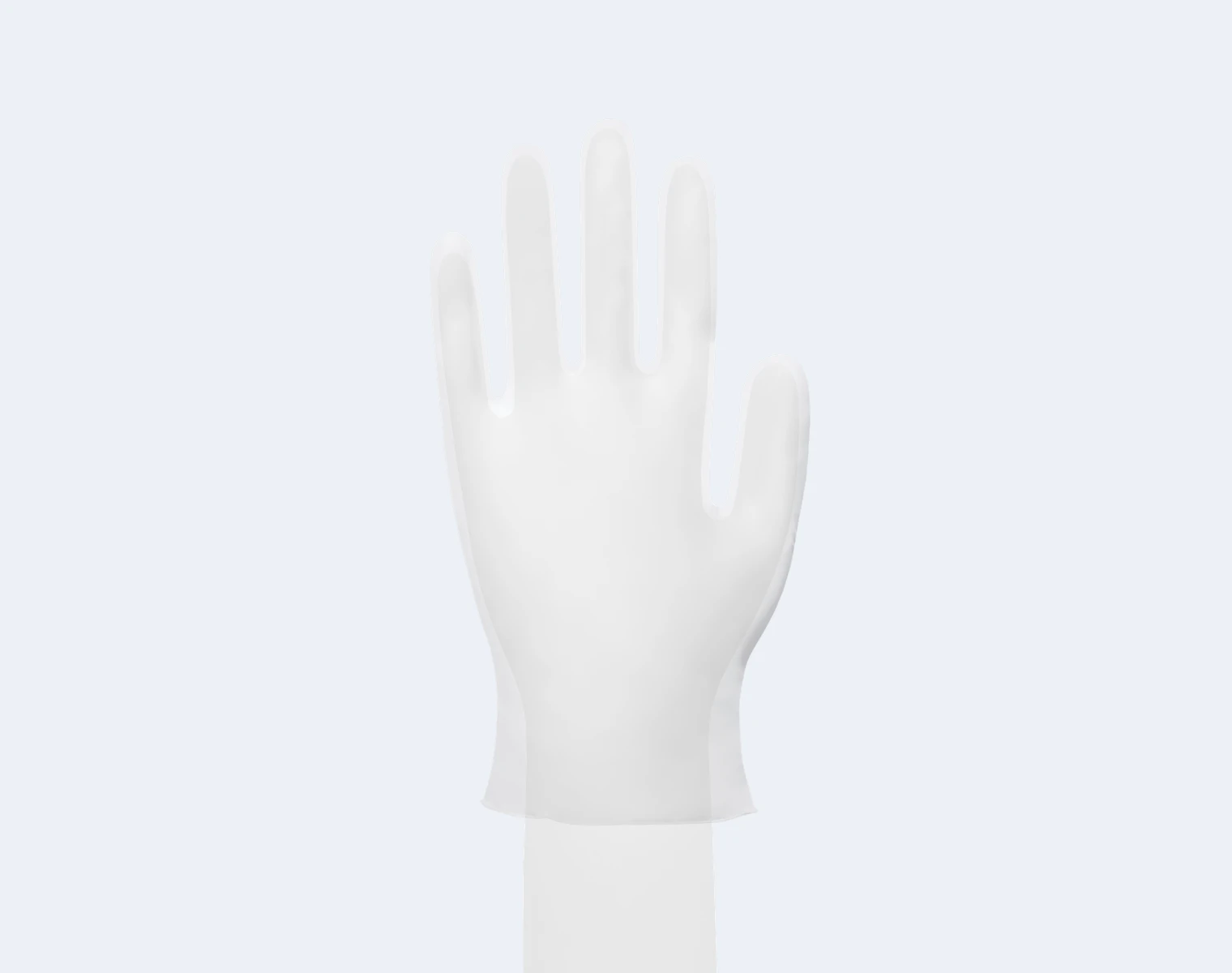
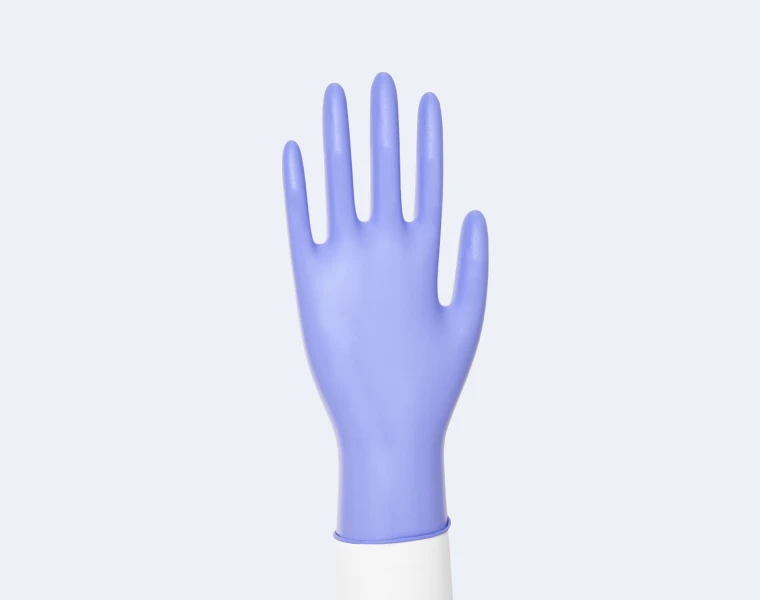
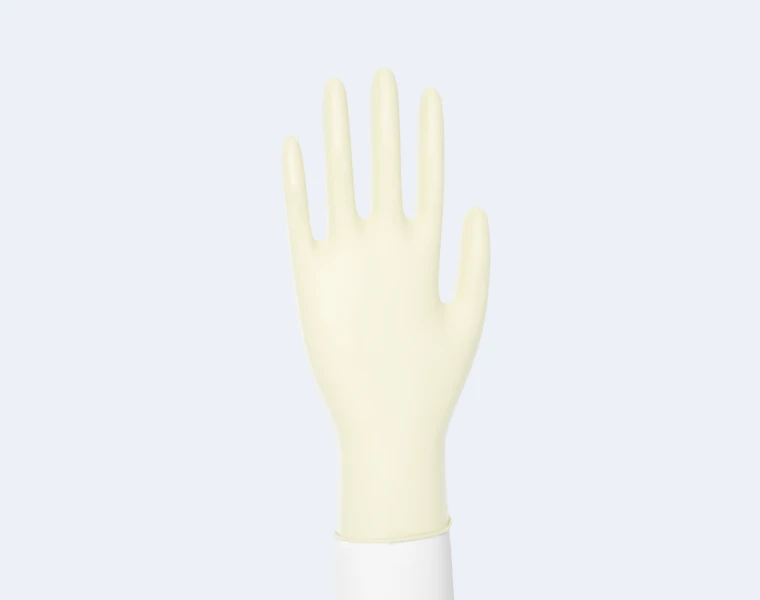
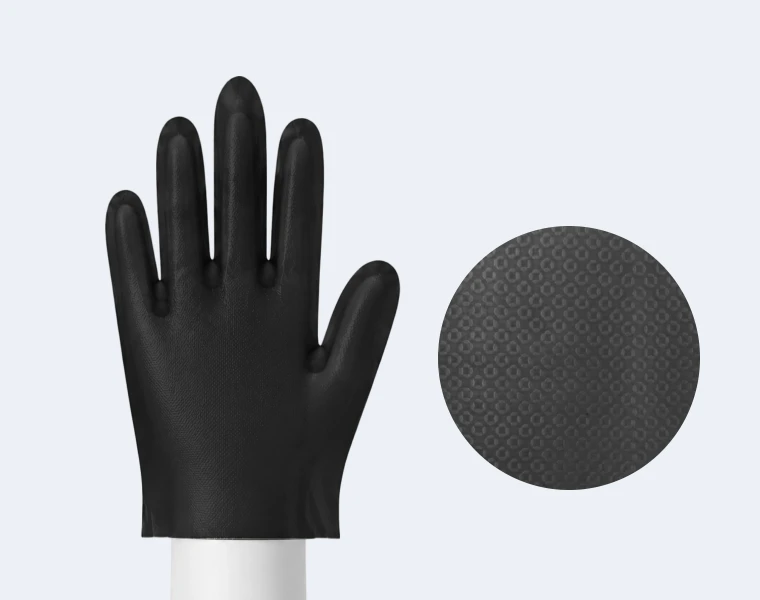
Nitrile gloves are a top pick for puncture resistance. Plus, they are completely latex-free. Latex offers great stretch and tactile feel. However, some staff or patients experience allergies. Meanwhile, vinyl gloves fit quick, low-risk jobs. Stretch and precise sensitivity matter much less there.
When comparing products, check:
- AQL rating and leak-testing method
- Thickness by finger and palm
- Cuff length and beaded edge
- Powder-free status
- Size consistency across batches
- Packaging quantity and carton dimensions
- Relevant market approvals and test reports
Do not compare gloves only by carton price. Calculate cost per glove, usable gloves per box, shipping damage, and replacement frequency. A lower-priced carton can become expensive when sizing varies and staff discard gloves during procedures.
Check Masks and Gowns as a System
Masks should match the procedure, splash exposure, and breathing comfort required by your team. Gowns and sleeves need enough coverage without interfering with movement. For infection control supplies, compatibility also matters. Disinfectants, barriers, and sterilization systems should be checked against the materials they contact.
What Does a Dental Supply Quality Control Checklist Look Like?
A professional supplier evaluation should rely on records, samples, and repeatability. One successful sample does not prove stable production.
Request Evidence Before Signing a Contract
Ask for a current product specification sheet, certificate of conformity, batch or lot traceability method, and expiry-date policy. For regulated products, request the documentation required in your market. Confirm whether the supplier can provide samples from normal production rather than specially prepared samples.
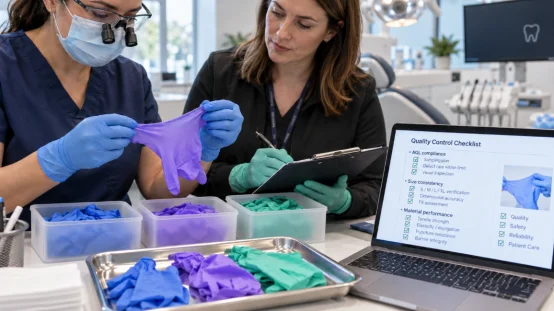
A practical dental supply quality control checklist includes:
- Product specifications match the quoted item.
- Packaging protects products during international transport.
- Lot numbers appear on cartons and inner packs.
- Complaints receive a documented response.
- Corrective actions include a timeline and responsible contact.
- Replacement terms cover shortages and transit damage.
Run a small trial order first. Record delivery accuracy, carton condition, glove fit, packaging clarity, and staff feedback. Procurement teams often spot problems in the first week that a specification sheet cannot show.
How Can Dental Practices Control Cost Without Buying Too Much?
Buying bulk dental supplies can reduce freight and unit costs, but excess stock ties up cash and increases expiry risk. The best order size depends on consumption speed and shelf life.
Use Total Cost Instead of Unit Price
Track five numbers for each major item:
- Unit cost
- Freight and import charges
- Storage cost
- Waste or expiry rate
- Emergency purchase cost
A supplier offering a 6% lower unit price may still cost more if lead times vary or cartons arrive incomplete. Ask for tiered pricing at realistic volumes, such as quarterly or six-month demand, rather than ordering several years of stock.
Keep at least two approved sources for critical items when possible. A second source does not need to supply every product. It only needs to cover the items that could stop clinical work.
What Should You Ask a Dental Supplies Supplier Before Ordering?
Use a short written questionnaire so every candidate answers the same points.
Supplier Evaluation Questions
- Which countries do you currently ship to?
- What is the standard lead time, and how is it measured?
- Can you support recurring purchase orders?
- How do you manage lot traceability and recalls?
- What documents accompany each shipment?
- What is the minimum order quantity for standard products?
- Can packaging or labeling be adapted for local requirements?
- How are shortages, defects, and damaged cartons handled?
- Can you provide samples for staff testing?
- Which products are stocked, and which are made to order?
Clear answers are more useful than polished sales language. Pay attention to response speed and technical detail. Procurement problems often become visible in email before they appear in a shipment.
Why Consider INTCO Medical as a Dental PPE Supplier?
Dental practices and distributors increasingly consolidate routine purchases of gloves, masks, protective apparel, and related medical disposable products. This approach can simplify supplier management, provided that product quality, documentation, and delivery performance remain consistent across categories.
INTCO Medical manufactures disposable gloves and selected medical consumables for healthcare and other professional environments. For dental procurement, buyers can review available nitrile and PVC glove specifications based on material, size range, cuff length, thickness, AQL, packaging format, and destination-market requirements. Product samples and applicable compliance documents should be verified before the first bulk order.
For buyers seeking private-label or customized medical disposable products, packaging formats, carton labels, artwork approval, minimum order quantities, lead times, and documentation requirements should be confirmed during the quotation stage. Buyers should also clarify how the supplier communicates specification, material, or production changes before placing recurring orders.
How Do You Build a More Reliable Dental Practice Purchasing Workflow?
Put a single coordinator in charge of the approved-item list. Meanwhile, let clinic teams assess hands-on product performance. Procurement runs much smoother this way. End users can quickly spot sizing issues, tearing, strange odors, poor packaging, or handling defects.
A Simple 30-Day Implementation
Start week one by logging every disposable item. Track exact weekly consumption alongside it. Next, spend week two grouping products by clinical risk and supply difficulty. In week three, gather physical samples and compliance files from shortlisted suppliers. Finally, wrap up week four by locking in product specifications. Set reorder points and launch an initial trial order.
Stay flexible with early agreements. Once you complete three shipment cycles, audit fill rate, on-time delivery, defect rate, and billing accuracy. These practical metrics reveal far more than an upfront price cut.
FAQ
Q1: How Do You Choose a Dental PPE Supplier?
Evaluate product consistency, applicable regulatory documentation, batch traceability, delivery performance, and total landed cost. Buyers should review regular production samples and confirm that the supplier’s actual product range matches the dental practice’s PPE requirements before placing a bulk order.
Q2: Are Nitrile Gloves Suitable for Most Dental Procedures?
Nitrile examination gloves are commonly used for routine dental examinations and chairside procedures because they provide a latex-free barrier, puncture resistance, and reliable fit. Buyers should still confirm the glove’s intended use, thickness, AQL, tactile sensitivity, and applicable local standards.
Q3: How Much Safety Stock Should a Dental Practice Keep?
Dental practices may keep one to four weeks of safety stock for high-use items such as examination gloves and medical masks. The appropriate amount depends on weekly consumption, supplier lead time, demand fluctuations, available storage space, and product shelf life.
Q4: Is Buying Dental PPE in Bulk Always More Cost-Effective?
Not always. Bulk purchasing can reduce unit prices and freight costs, but excess inventory may increase storage expenses, tie up cash, or create expiration risks. Buyers should compare total landed cost and order quantities based on actual consumption rather than unit price alone.
Q5: What Documents Should Buyers Request for Dental Examination Gloves?
Buyers should request current product specifications, applicable test reports, certificates or registrations required by the destination market, batch-traceability information, shelf-life details, and packaging specifications. Documentation requirements should be confirmed for the specific product model and intended market.
Q6: Does INTCO Medical Support Private-Label Dental Gloves?
Private-label options may be available depending on the glove model, order quantity, packaging requirements, and destination market. Buyers should confirm the minimum order quantity, artwork process, labeling requirements, production lead time, applicable documentation, and change-notification procedures with the INTCO Medical sales team before ordering.