

































Global Medical Supplies Supplier: How Buyers Build a Resilient Supply Chain
Global Medical Supplies Supplier: How Buyers Build a Resilient Supply Chain
FROM: INTCO Medical
|
10 Sep 2026
A robust medical supply chain ensures vital goods remain accessible. This matters when orders surge. It also helps if transit lags or plants halt. Relying solely on surplus stock is insufficient. Instead, integrate vetted partners and practical inventory rules. Actionable data proves crucial here. Contracts must outline backup steps for failed routines.
Purchasers evaluating a Global Medical Supplies Supplier face one straightforward query. Will this vendor maintain market support during sudden shifts? Any sound framework prioritizes tracking and careful mapping. Vendor rapport and stock oversight drive adaptability. These concepts impact global medical supplies sourcing directly. A single late delivery hits hospitals, distributors, and patients hard.

What Makes a Medical Supply Chain Resilient?
Medical supply chain resilience is the ability to maintain acceptable service through a disruption and return to stable operations without uncontrolled cost. Buyers need more than a backup contact. They need a system that identifies critical items, measures exposure, and assigns a response before an incident occurs.
Four Capabilities That Matter
A resilient system usually has four working parts:
- Visibility into inventory, orders, production status, and shipment milestones
- More than one qualified supply route for critical products
- Stock rules based on clinical impact and replenishment risk
- Clear escalation paths shared by procurement, quality, logistics, and the supplier
Resilience is measurable. Useful indicators include order fill rate, on-time-in-full delivery, defect rate, lead-time variation, days of stock, and recovery time after disruption. A supplier may report a 30-day lead time, for example, but repeated deliveries ranging from 25 to 55 days tell a different story.
How Should Buyers Score Supply Risk?
A supply chain risk assessment turns a broad concern into decisions that procurement teams can act on. Start at SKU level. Gloves used every hour and a low-volume accessory should not receive the same risk rating, even if both come from the same factory.
A simple model works well:
Risk score = clinical impact × likelihood of supply disruption × recovery difficulty
Score each factor from 1 to 5. An item rated 5, 4, and 4 produces a score of 80 out of 125. Buyers can set internal thresholds for extra inventory, alternate approval, or executive review.
|
Risk Area |
Question to Ask |
Evidence to Request |
|
Manufacturing |
Is production concentrated at one site? |
Site list, capacity allocation, continuity plan |
|
Materials |
Does one source control a key input? |
Approved material sources, substitution process |
|
Quality |
Could a defect stop distribution? |
Certifications, inspection records, CAPA process |
|
Logistics |
Is there only one practical route? |
Port options, forwarder plan, transit history |
|
Regulation |
Could documents delay market entry? |
Registrations, declarations, labeling controls |
|
Finance |
Can price or currency shifts interrupt supply? |
Price-review terms, payment and allocation rules |
For medical supplies procurement, request evidence by product and site. A corporate certificate does not automatically cover every facility or SKU. That small detail causes a surprising amount of trouble during audits.
Where Should Diversification Start?
Supplier diversification should begin with products whose failure would cause the greatest clinical or commercial damage. Splitting every order between several vendors adds cost and administrative work. Concentrating the effort on high-risk items gives a better return.
Use Dual Sourcing Selectively
A dual sourcing strategy may assign 70% to a primary source and 30% to an approved secondary source. The secondary supplier receives real orders, so its tooling, documents, packaging, and shipping process stay active. A name sitting untouched in a database is not a dependable backup.
Diversification should also cover:
- Manufacturing regions
- Raw-material sources
- Ports and transport modes
- Warehouses and inventory owners
- Product specifications that permit safe substitutes
Medical device supplier qualification must still apply to every alternate source. Review quality systems, regulatory status, production controls, change-notification rules, complaint handling, traceability, and recent delivery results. When selecting a medical consumables supplier, test the entire order cycle, not just the sample.
How Much Inventory Is Enough?
Healthcare inventory management should balance shortage cost against holding cost, shelf life, storage limits, and cash use. Applying one coverage target to every product usually creates too much slow stock and too little protection where it matters.
Use a tiered policy:
|
Product Group |
Typical Approach |
Review Trigger |
|
Life-supporting or no-substitute items |
Higher safety stock and active backup source |
Any supply or quality warning |
|
High-use consumables |
Demand-based safety stock with weekly review |
Forecast error or lead-time change |
|
Emergency medical supplies |
Reserved stock with expiry rotation |
Seasonal or public-health alert |
|
Low-use, replaceable items |
Lean stock or distributor replenishment |
Usage trend change |
A basic reorder point is average demand during lead time plus safety stock. Yet averages can hide sharp peaks. Review maximum weekly consumption, lead-time variation, expiry exposure, and forecast error as separate inputs. During a regional outbreak, ordinary monthly demand may be almost irrelevant.
How Can Contracts and Data Reduce Disruption?
Contracts cannot remove supply risk, but they can stop confusion when risk becomes real. Set service measures, notification periods, allocation rules, document responsibilities, and escalation contacts before purchase orders begin.
Good agreements define:
- On-time-in-full targets and the delivery point used for measurement
- Notice periods for site, material, process, and specification changes
- Capacity or stock commitments for critical items
- Batch, lot, expiry, and shipment data requirements
- Corrective-action deadlines after a quality event
- Rights to audit relevant production and quality records
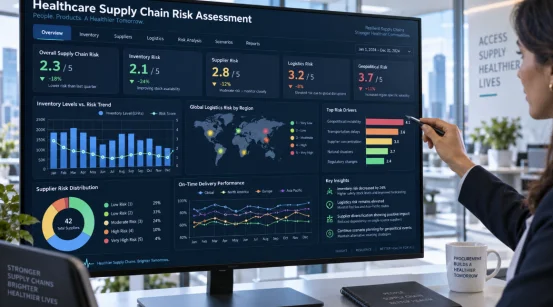
Medical supply chain visibility depends on consistent data, not a large dashboard. Purchase-order status, confirmed production date, inspection result, departure date, estimated arrival, lot number, and receiving status are usually enough to expose a delay early.
Medical supply traceability should connect the finished item to its production lot, relevant materials, inspection records, and customer shipment. Where applicable, align product records with the FDA’s Unique Device Identification requirements. If teams cannot identify affected lots quickly, a narrow quality issue can become a broad recall.
What Should You Look for in a Global Supply Partner?
Once risk controls are defined, supplier selection becomes more precise. You can compare candidates against product coverage, manufacturing control, quality evidence, documentation, delivery history, and their ability to communicate exceptions early. Product fit still comes first; company scale alone does not prove continuity.
Why Consider INTCO Medical as a Global Medical Supplies Supplier?
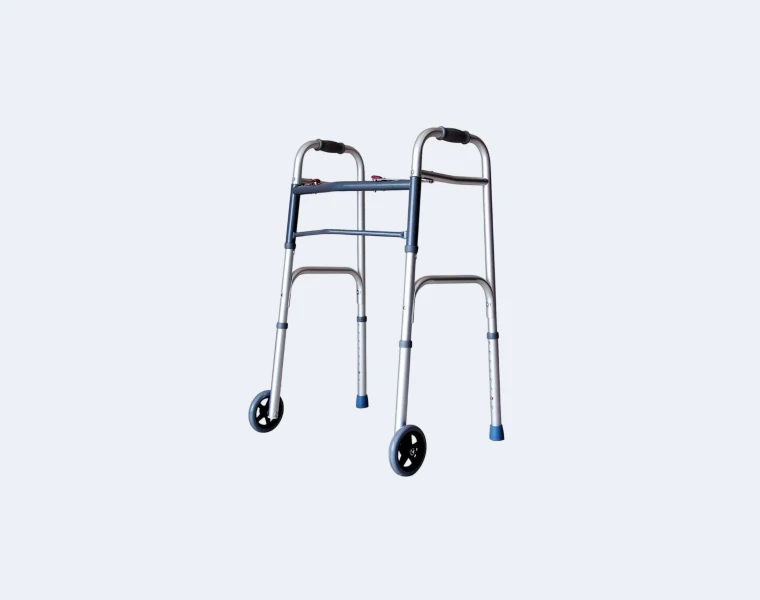
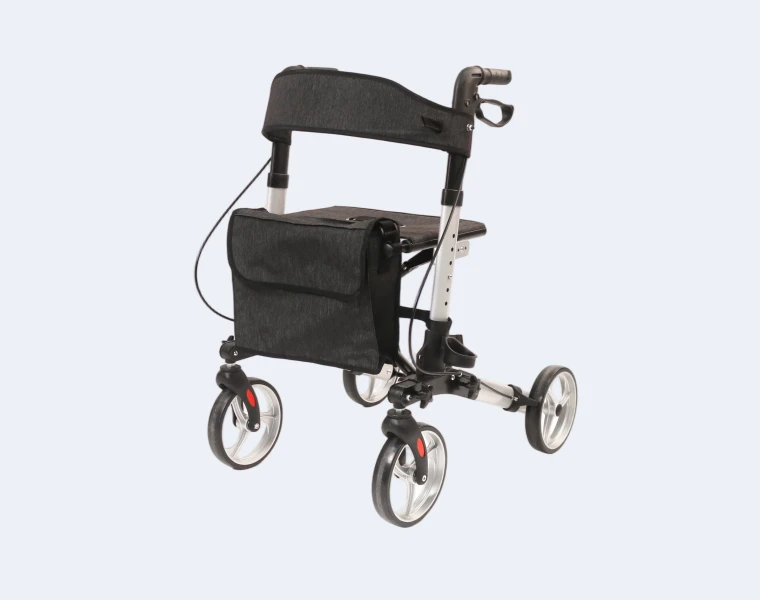
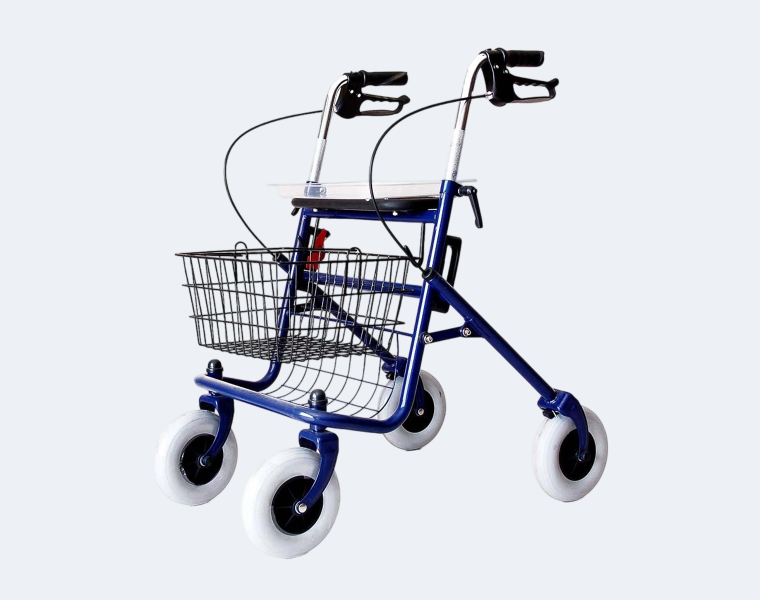
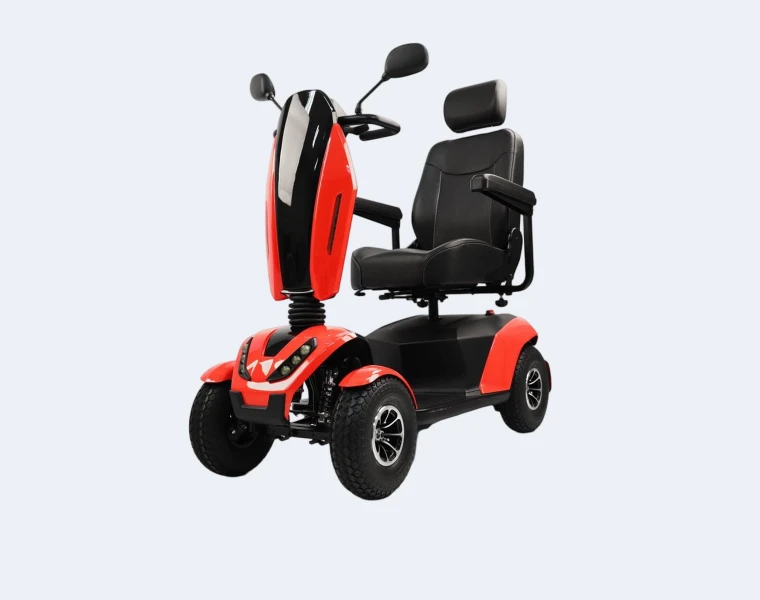
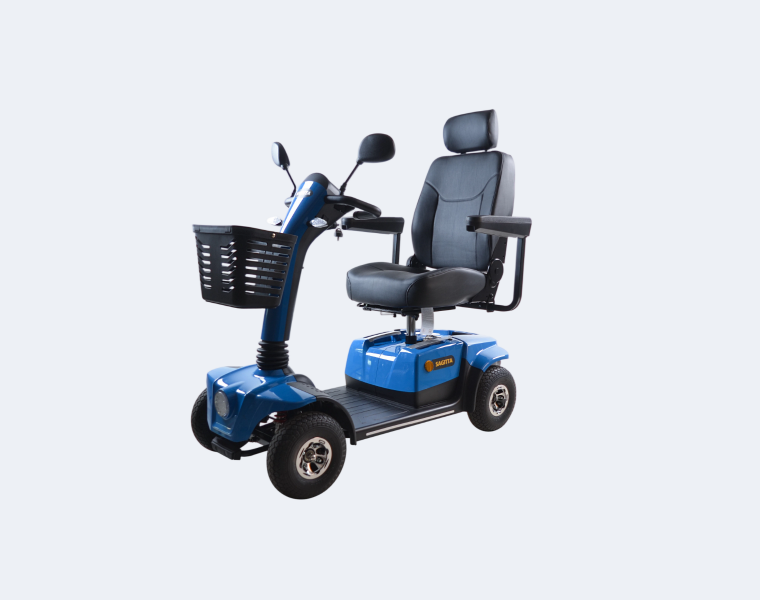
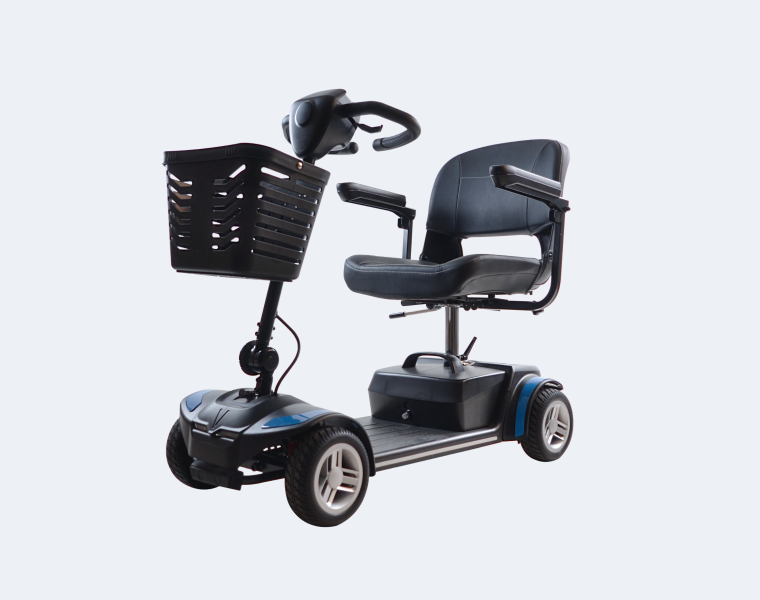
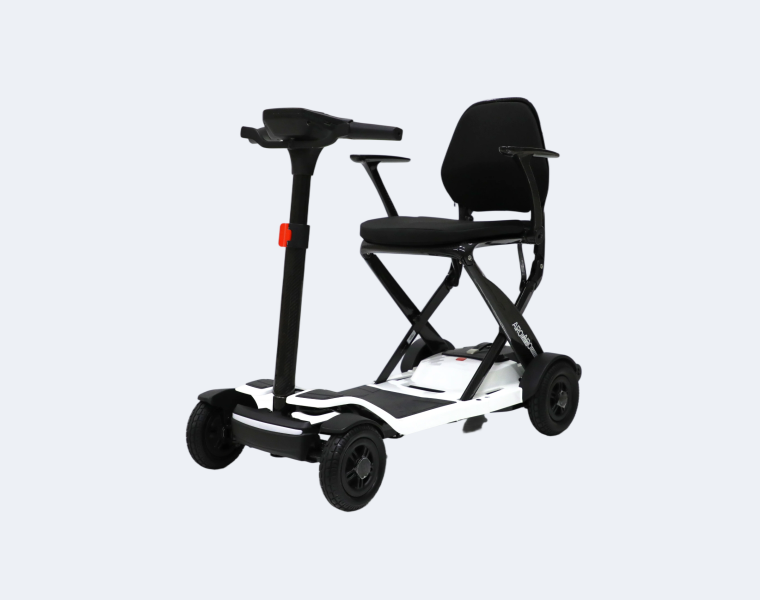
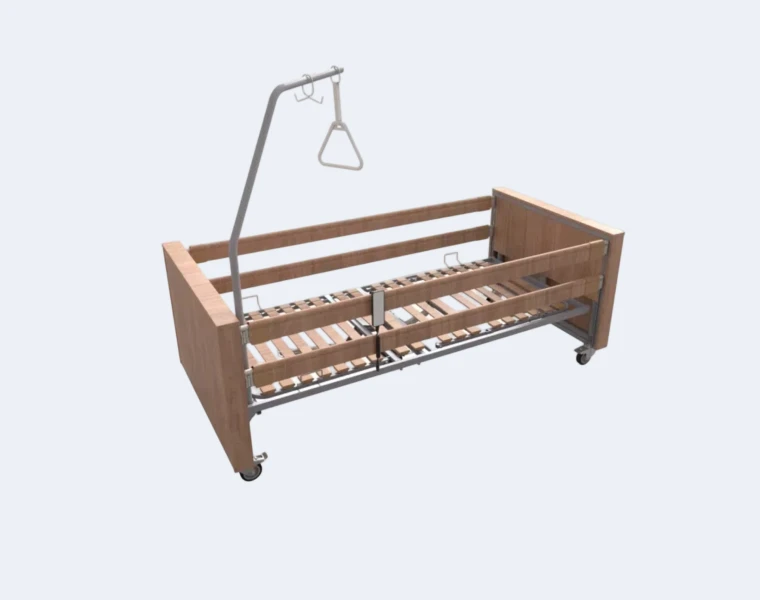
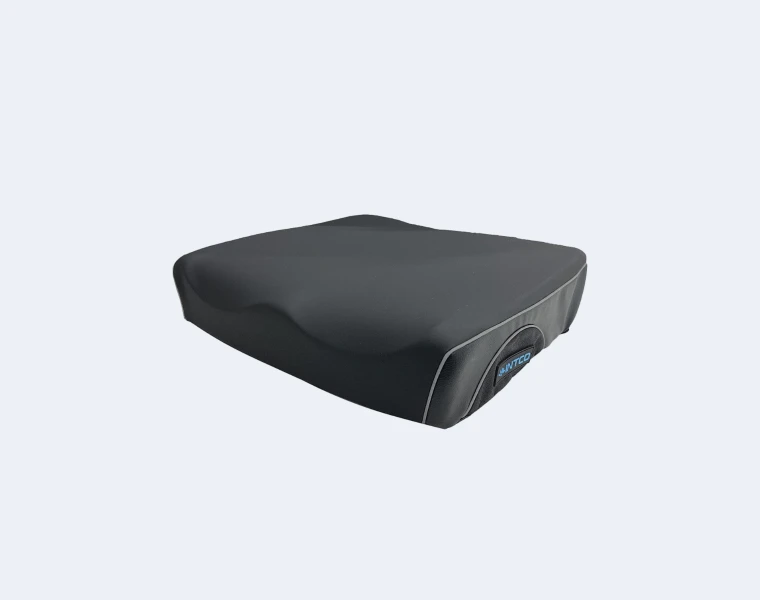
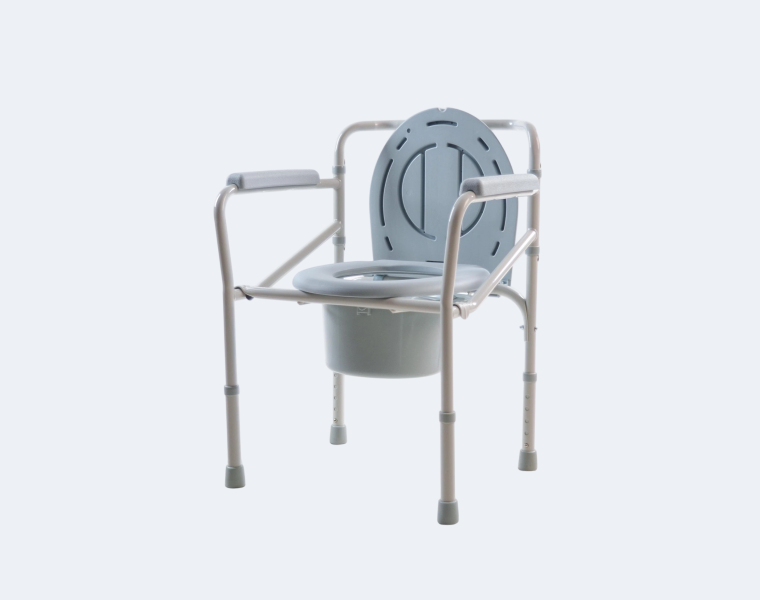
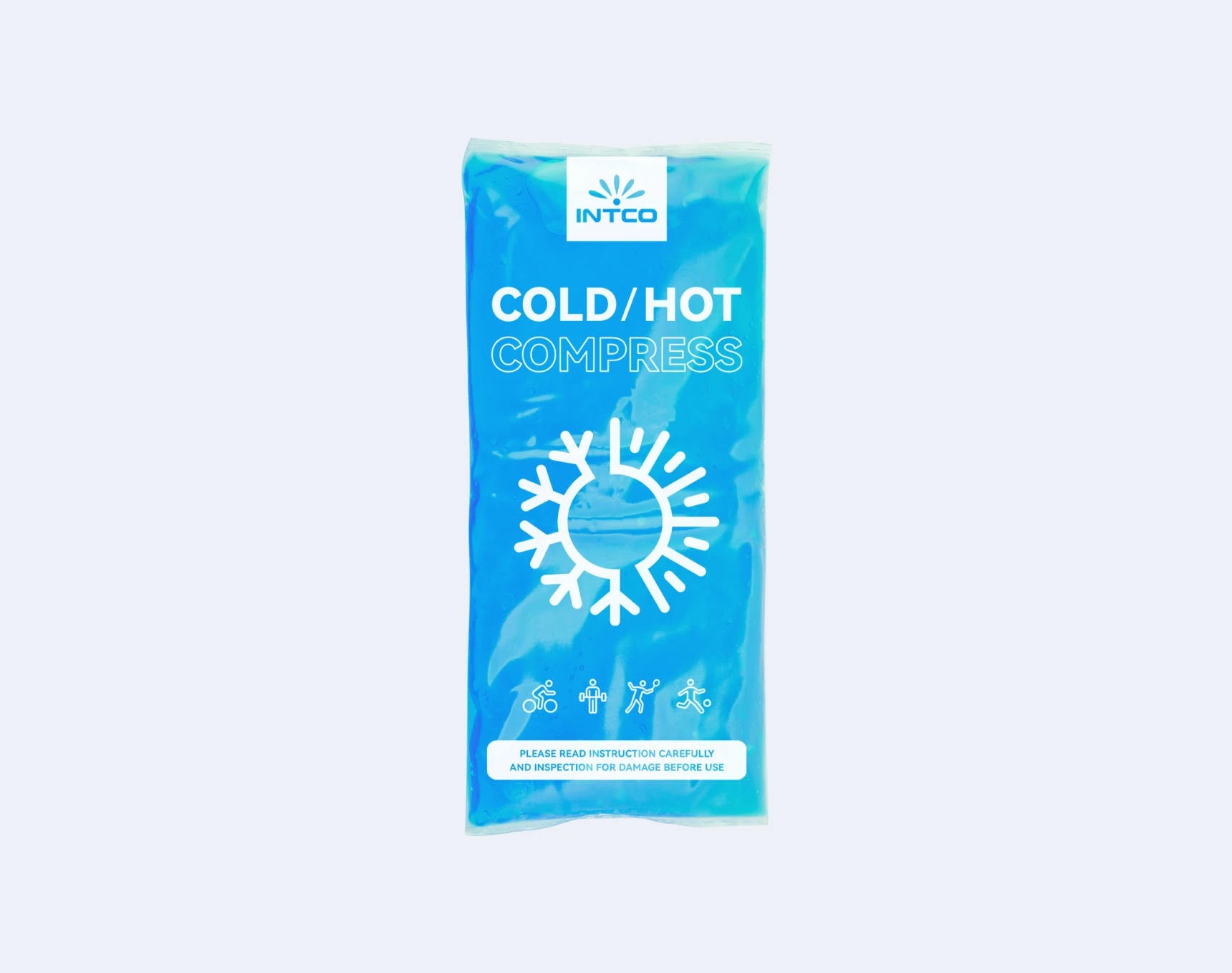
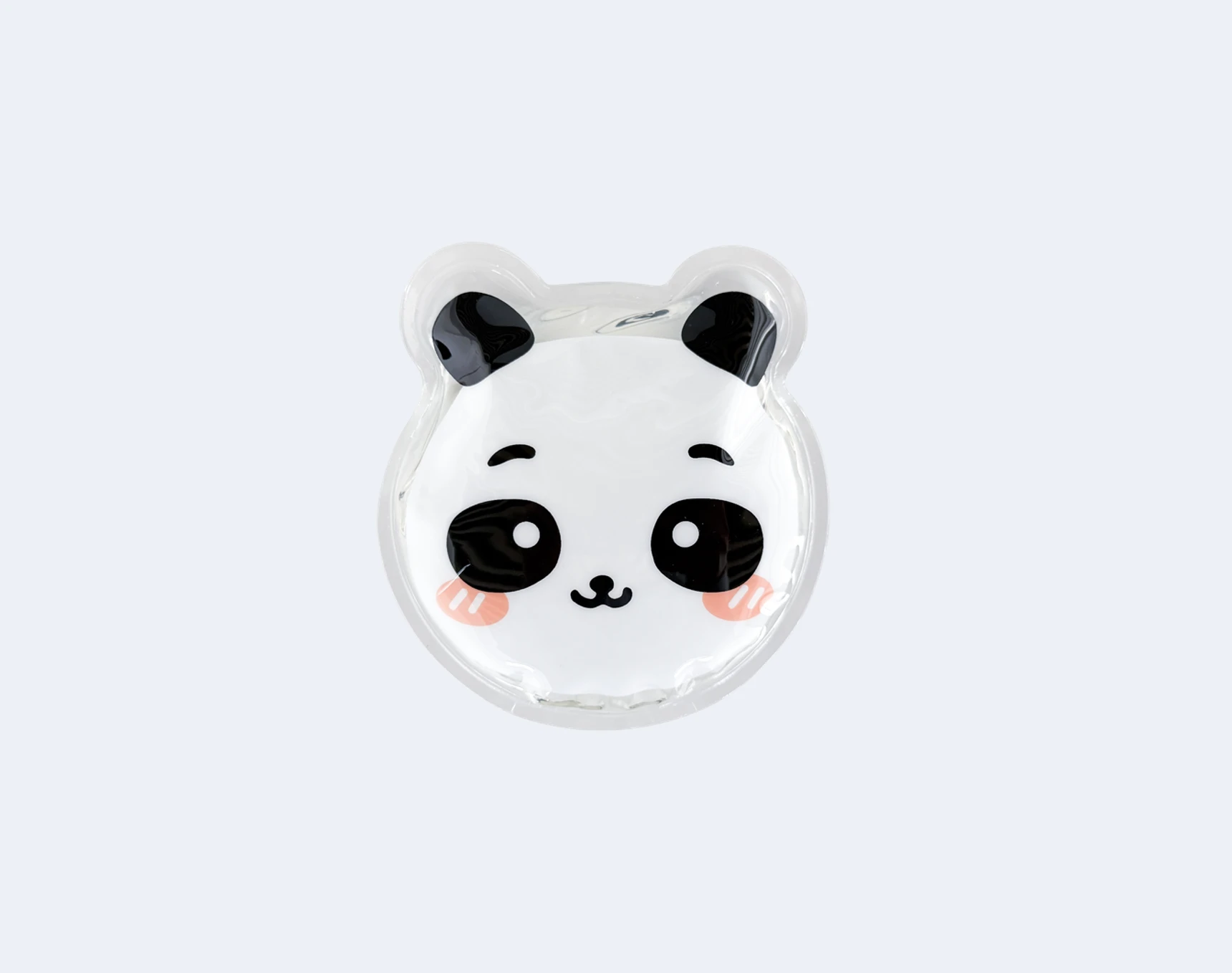
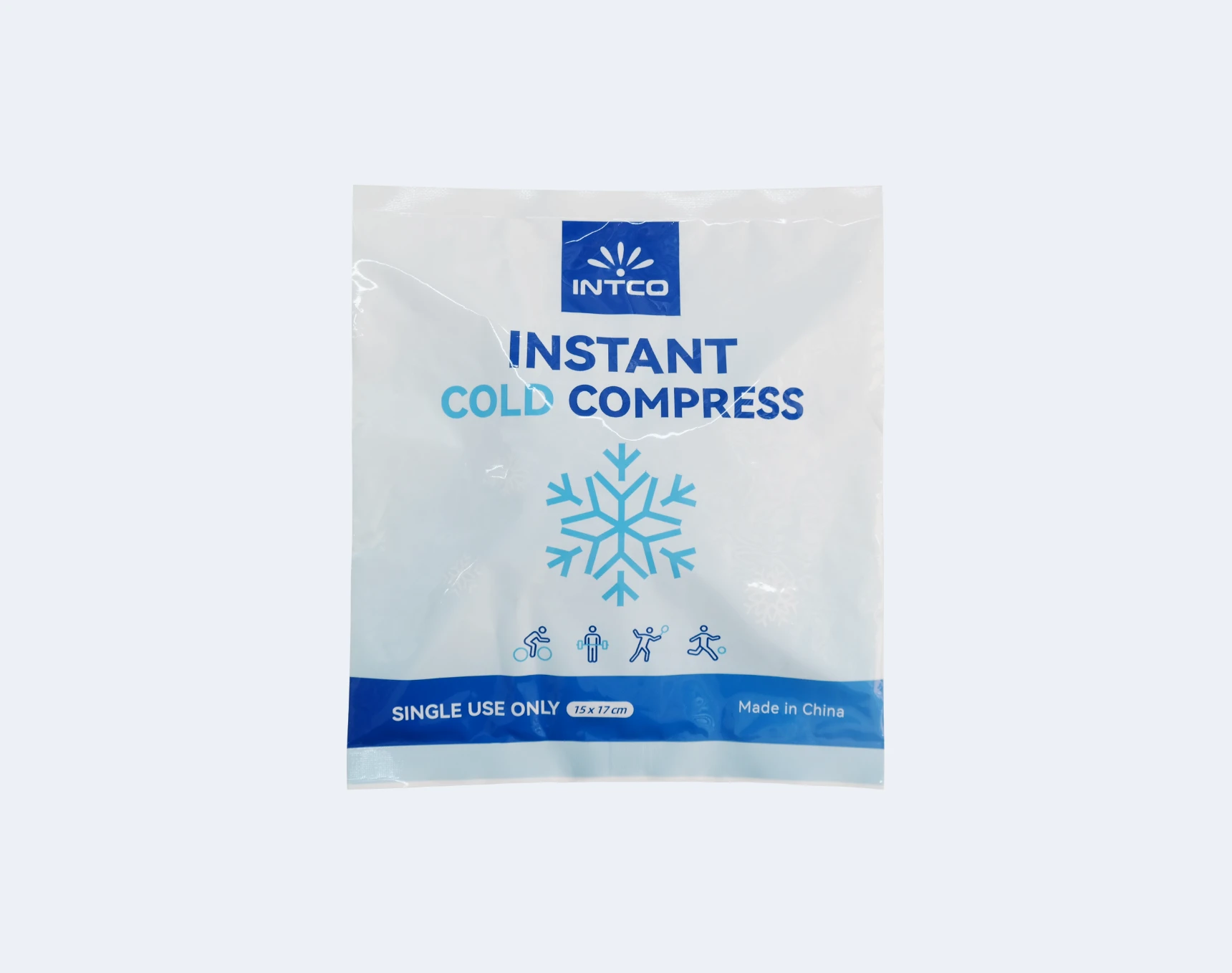
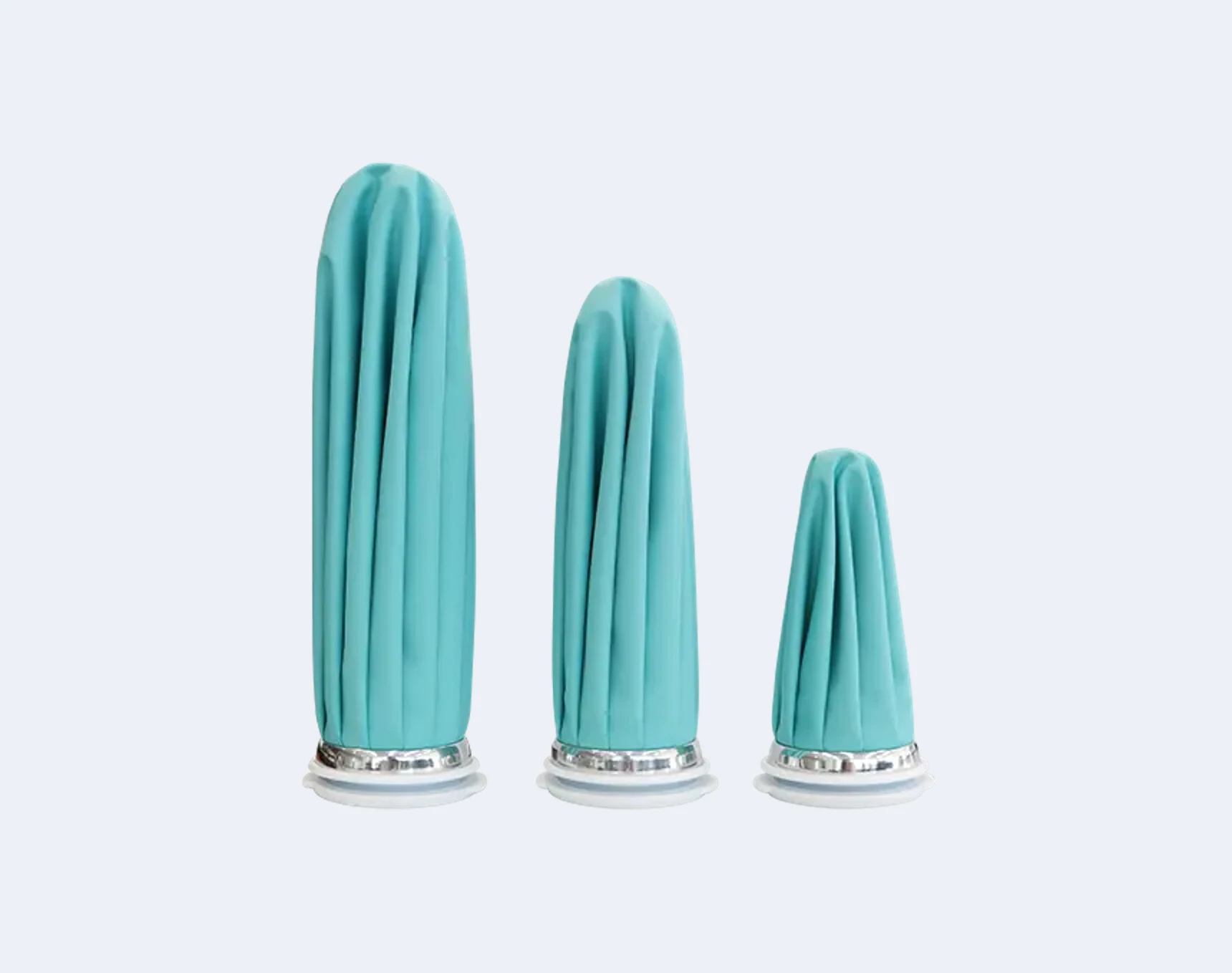
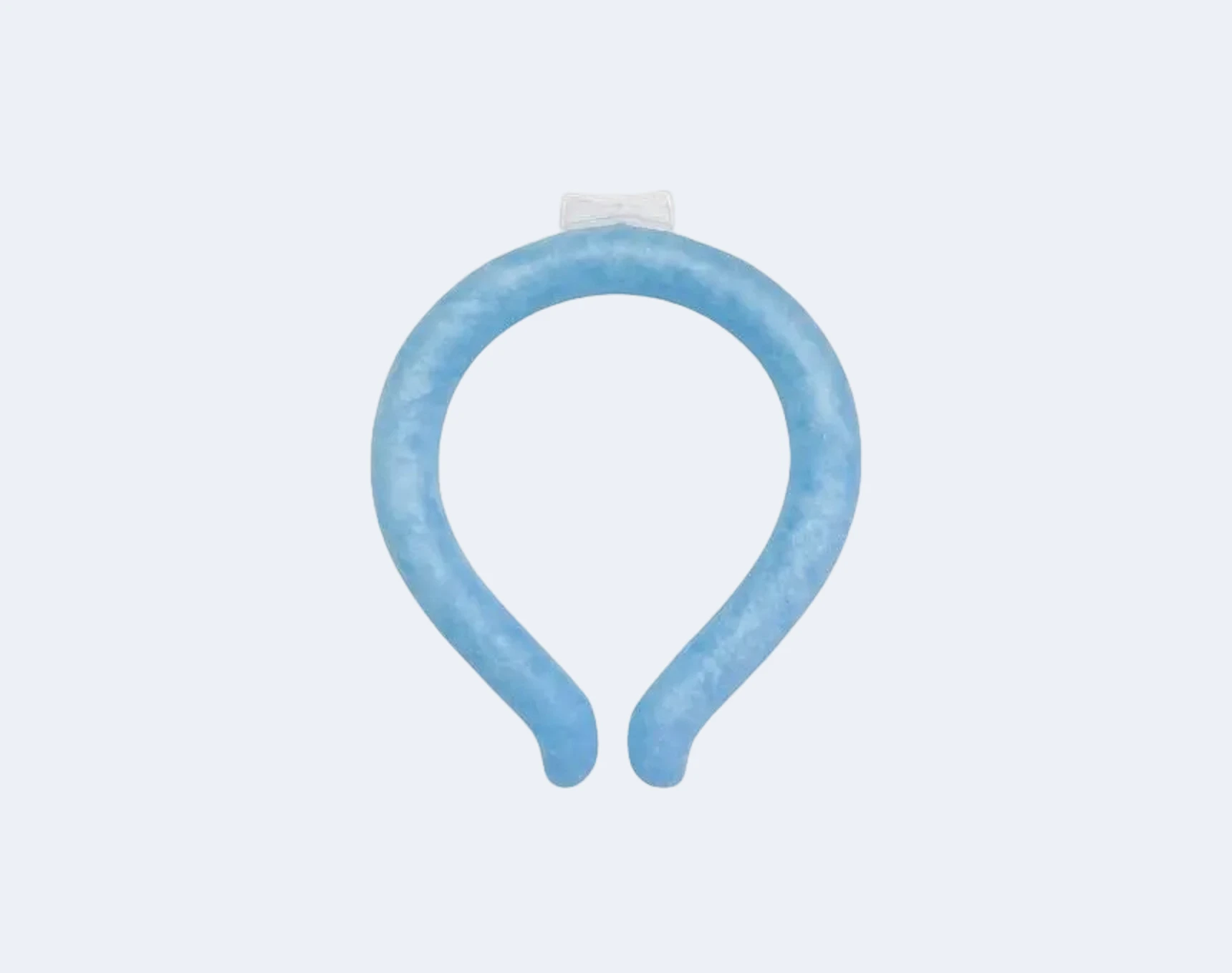
INTCO Medical supplies a diversified portfolio of medical and healthcare products for international B2B buyers, including disposable gloves, rehabilitation equipment, hot and cold therapy products, ECG electrodes, personal care products, and other medical supplies. This product breadth can help distributors and healthcare procurement teams consolidate selected categories, reduce administrative complexity, and coordinate product specifications, packaging, quality documentation, and shipment planning through one supplier relationship.
Supplier consolidation, however, should not replace proper risk control. Buyers evaluating INTCO Medical should review each product category separately, confirming the relevant manufacturing site, regulatory approvals, certifications, lead-time performance, change-notification procedures, traceability records, and contingency arrangements. This product-by-product approach allows buyers to benefit from a broad global supplier while retaining qualified alternatives for clinically or operationally critical items.
FAQ
Q1: What is the first step in building a resilient medical supply chain?
A: Classify products by clinical impact, likelihood of supply disruption, and recovery difficulty. This shows where backup sources, added stock, or closer monitoring are justified.
Q2: Does a dual sourcing strategy always mean a 50/50 order split?
A: No. A 70/30 or 80/20 split may work if the secondary source receives enough regular business to stay operationally ready.
Q3: How often should supplier risk be reviewed?
A: Review critical suppliers at least quarterly and after any major quality event, late shipment, regulatory change, material shortage, or sharp demand shift.
Q4: Which supplier metrics matter most?
A: Track on-time-in-full delivery, fill rate, defect rate, complaint response time, lead-time variation, document accuracy, and recovery time after disruption.
Q5: Can one supplier cover all B2B medical supplies?
A: A broad supplier can reduce order complexity, but complete dependence creates concentration risk. Keep qualified alternatives for products that carry high clinical or operational impact.