
















How to Choose a Dental PPE Supplier: A Procurement Guide
INTCO’s OEM Process: From Requirements and Prototyping to Global Delivery
FROM: INTCO Medical
|
09 Oct 2026
When you source OEM medical supplies, the main risk sits between a product brief and a repeatable shipment. A workable program connects clinical use, material choice, test methods, packaging, documentation, and delivery planning in one traceable path.
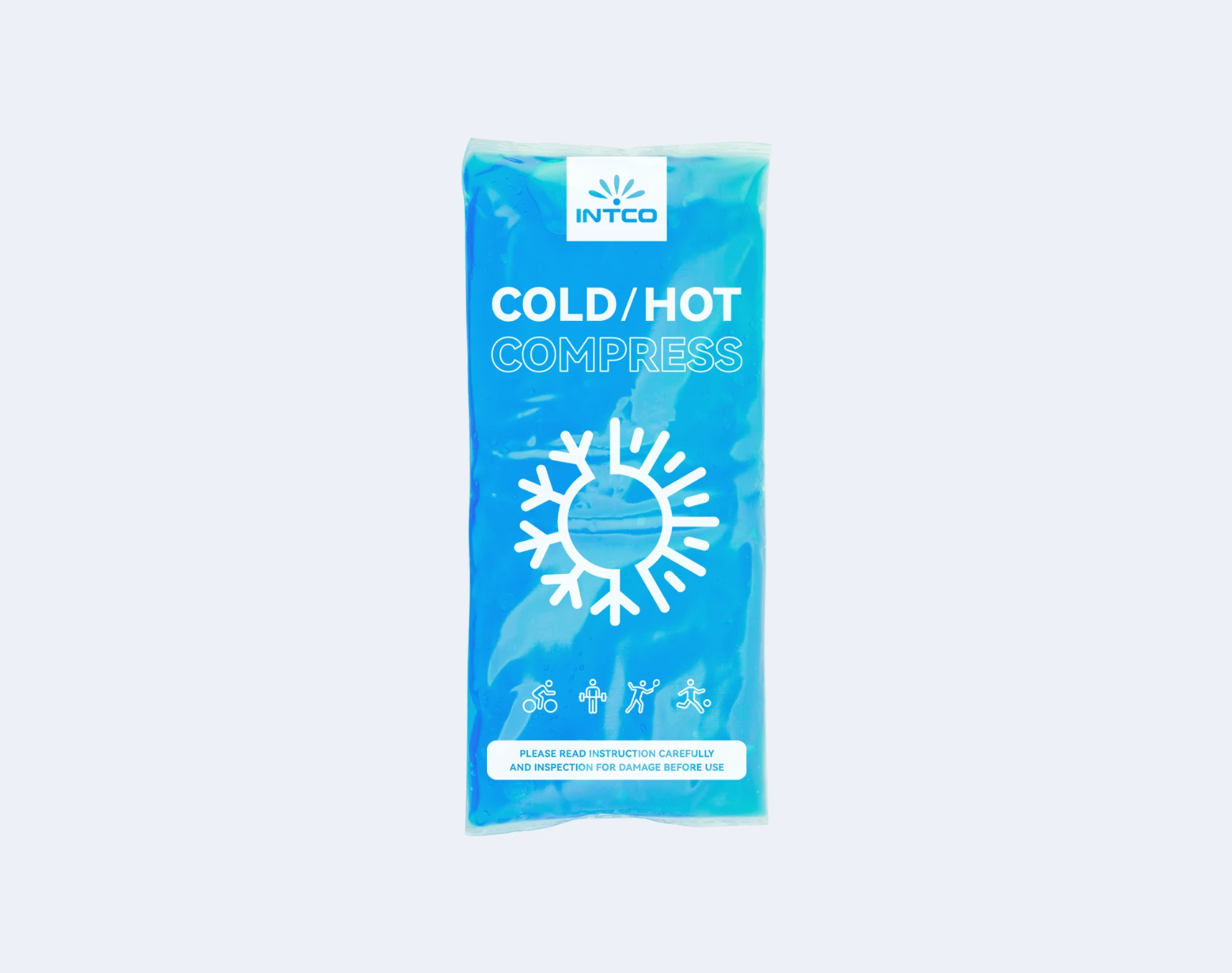
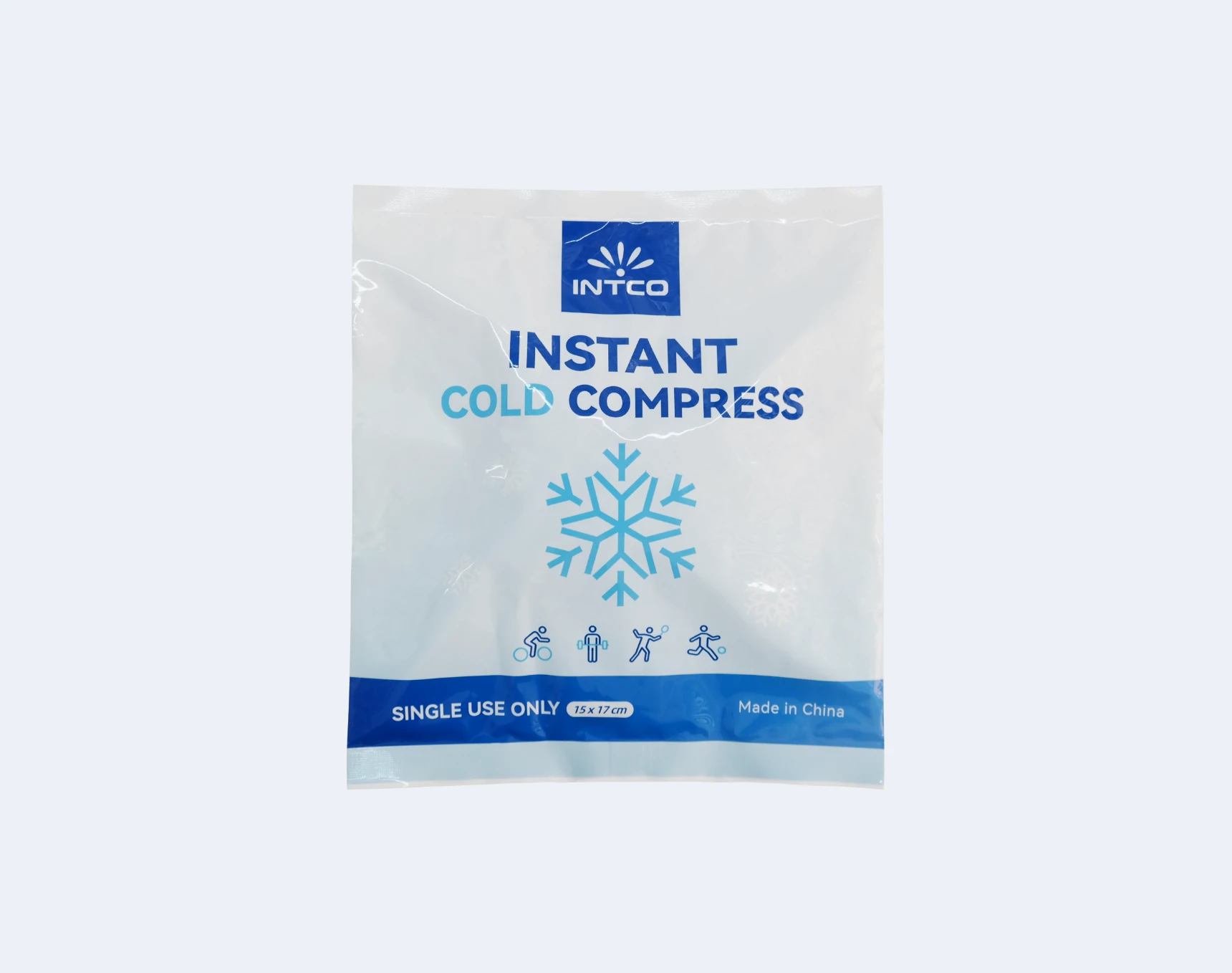
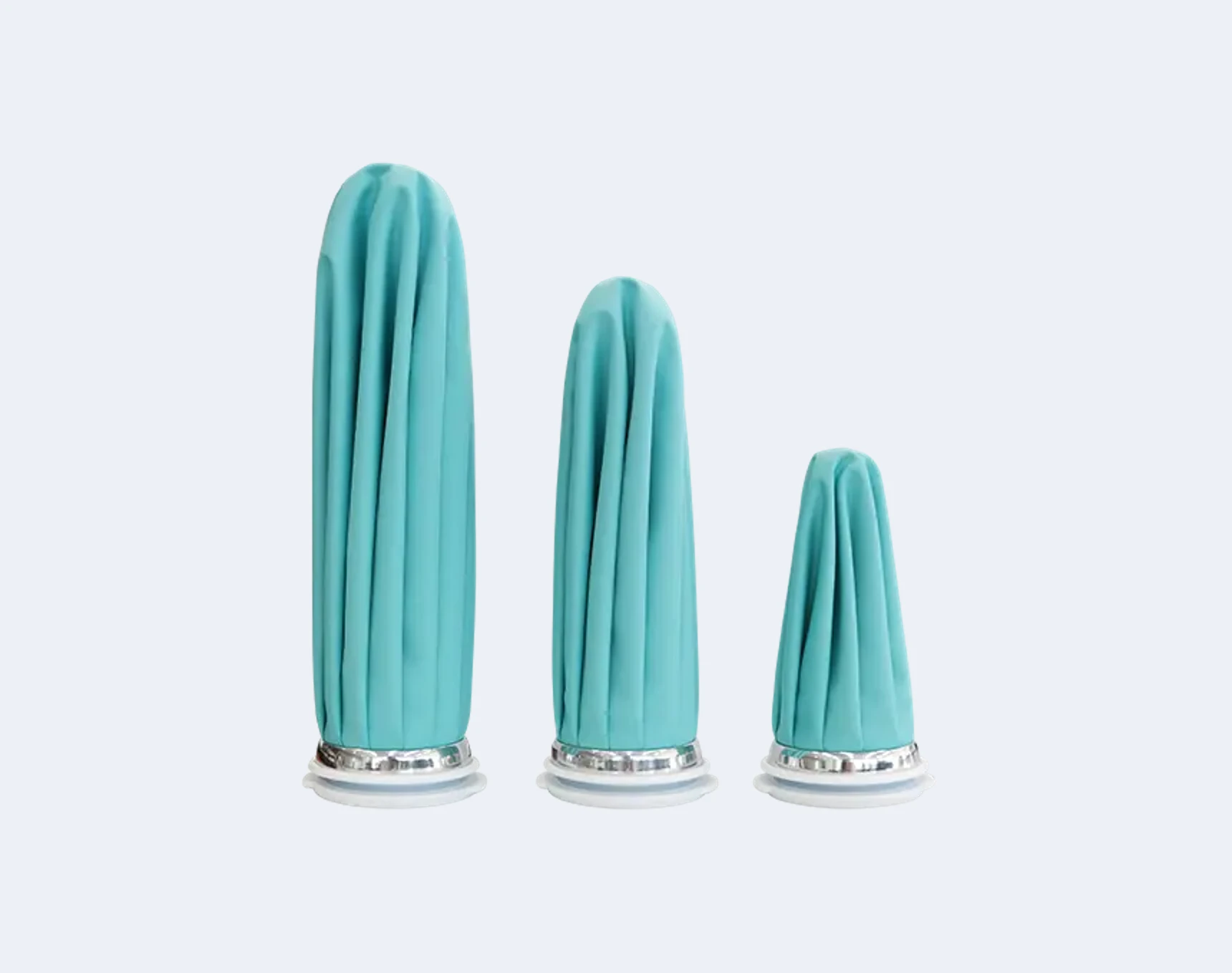
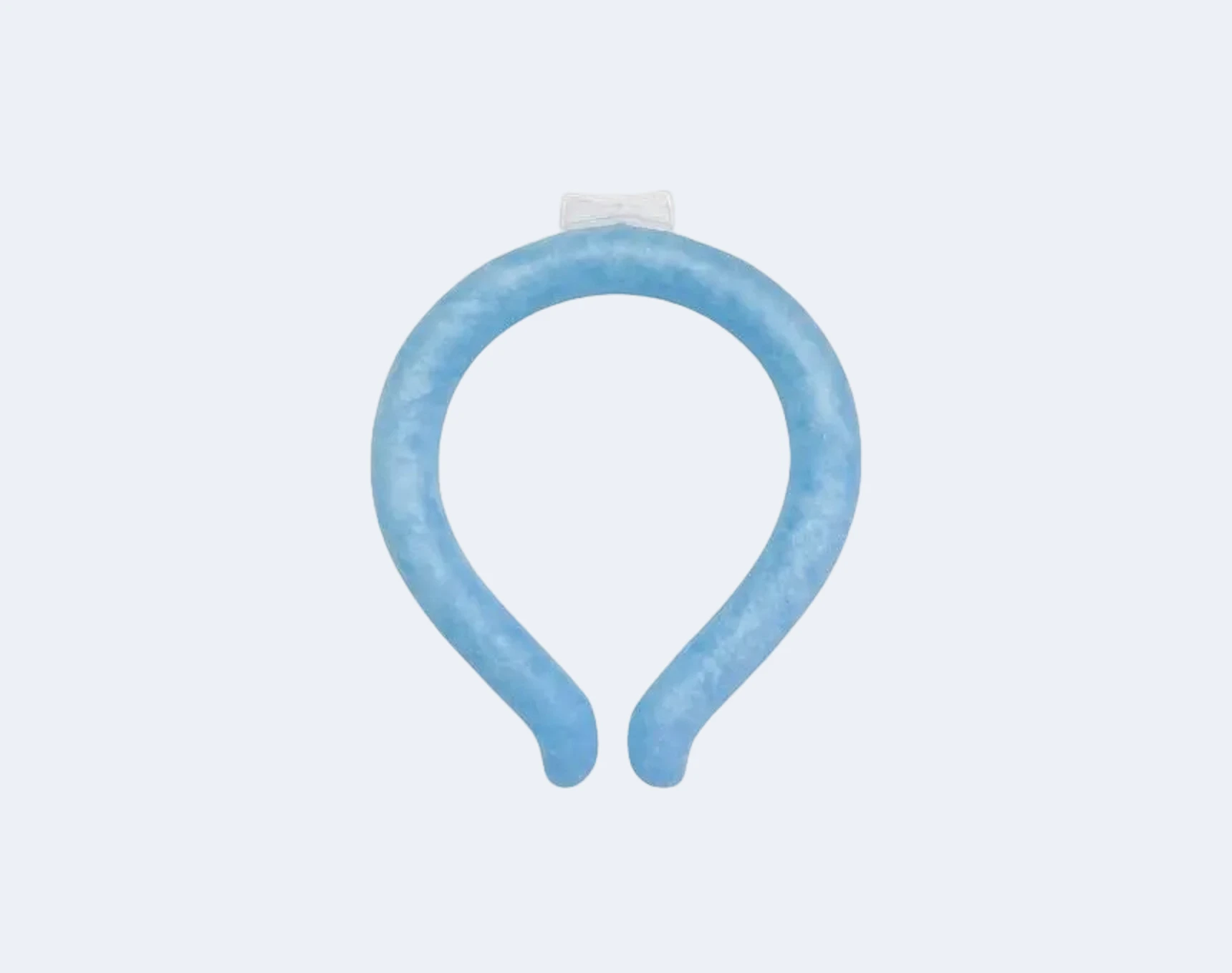
INTCO Medical’s catalogue shows a portfolio spanning hand protection, respiratory protection, facial protection, eye and body protection, personal care, cold-chain products, and rehabilitation equipment. That range gives you a practical base for building custom medical products across related care settings.

What Does a Medical Device OEM Process Need to Define First?
The first stage turns your market need into specifications that production and quality teams can check. A clear brief reduces late changes and gives both sides a shared decision record.
Convert Use Cases Into Measurable Requirements
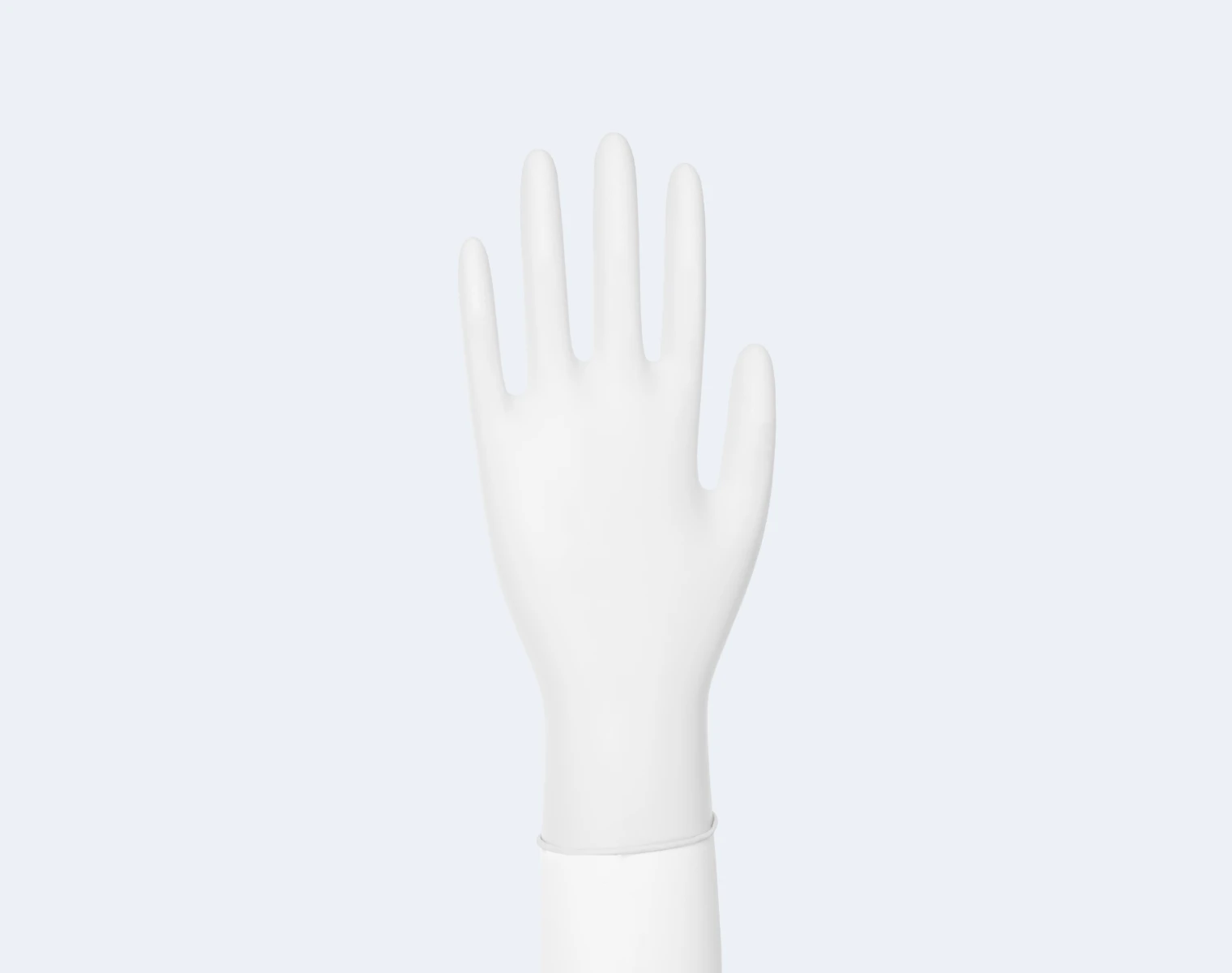
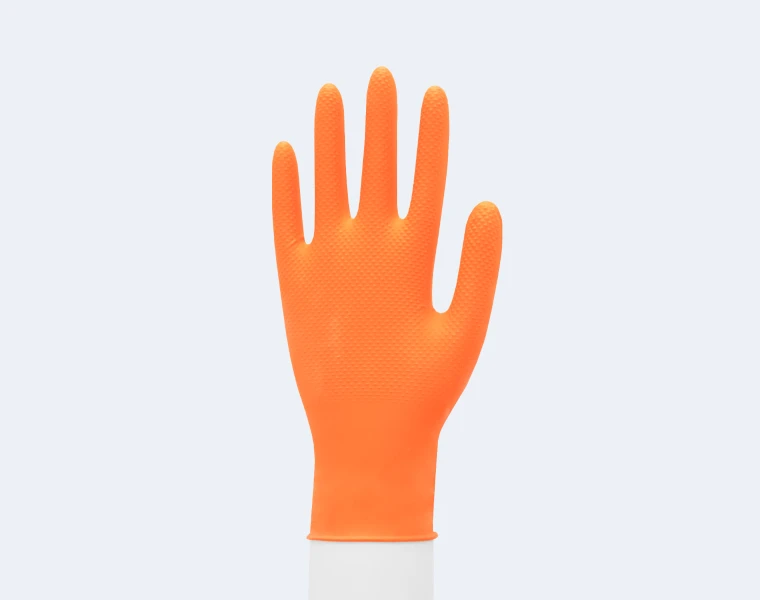
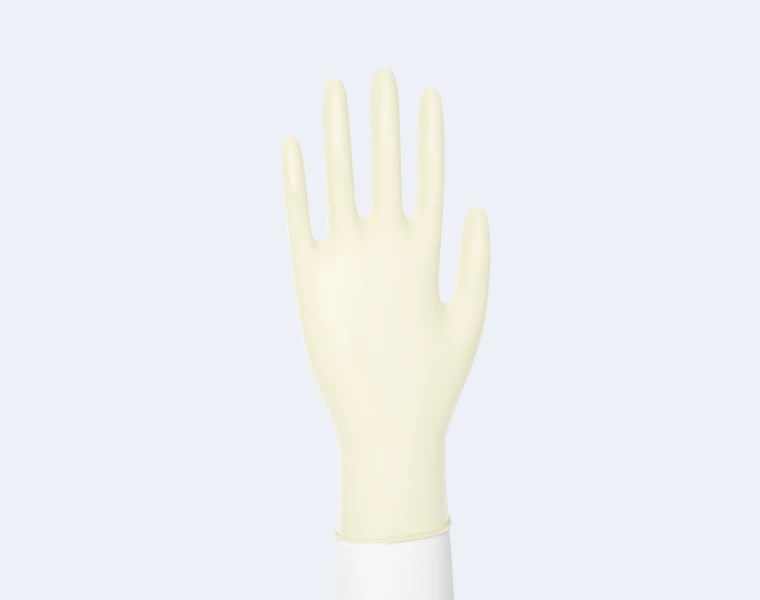
Start with the user, task, exposure, and operating conditions. For a disposable glove, define the care setting, contact duration, dexterity needs, cuff length, thickness range, color, powder status, and packaging count.
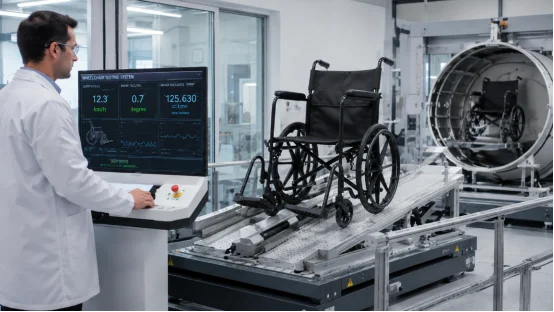
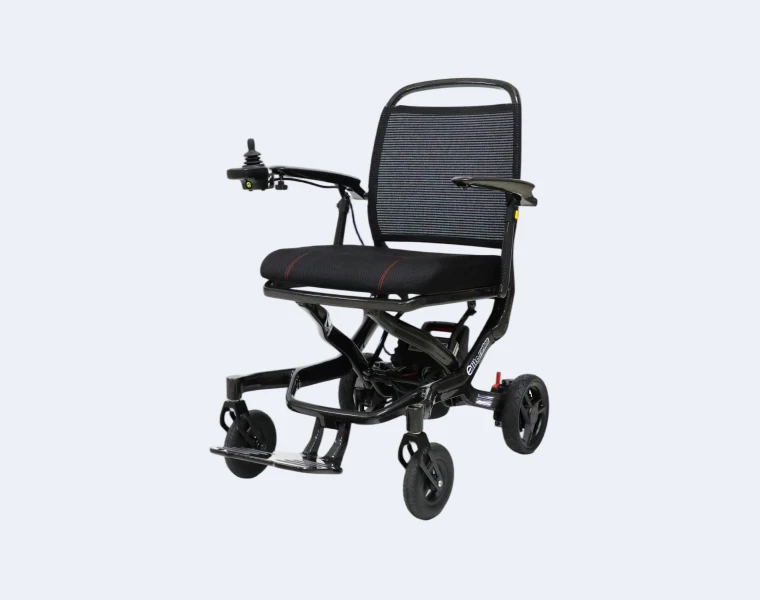
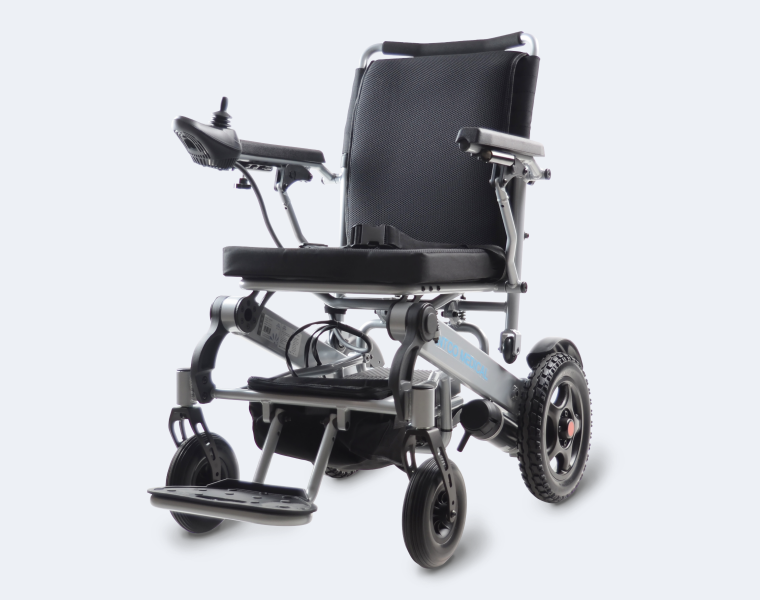
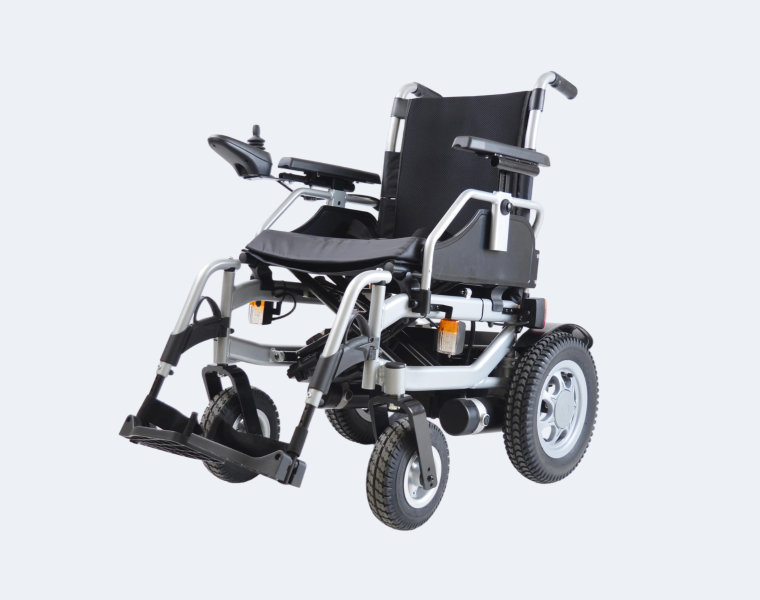
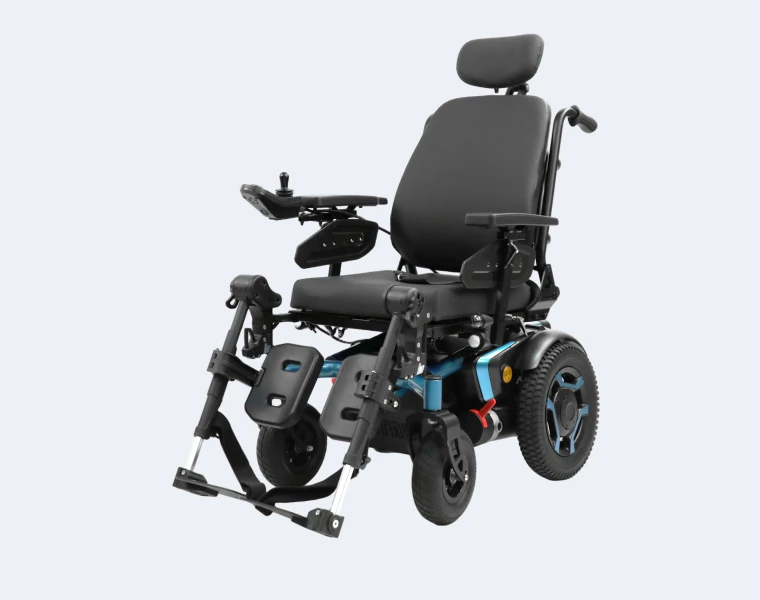
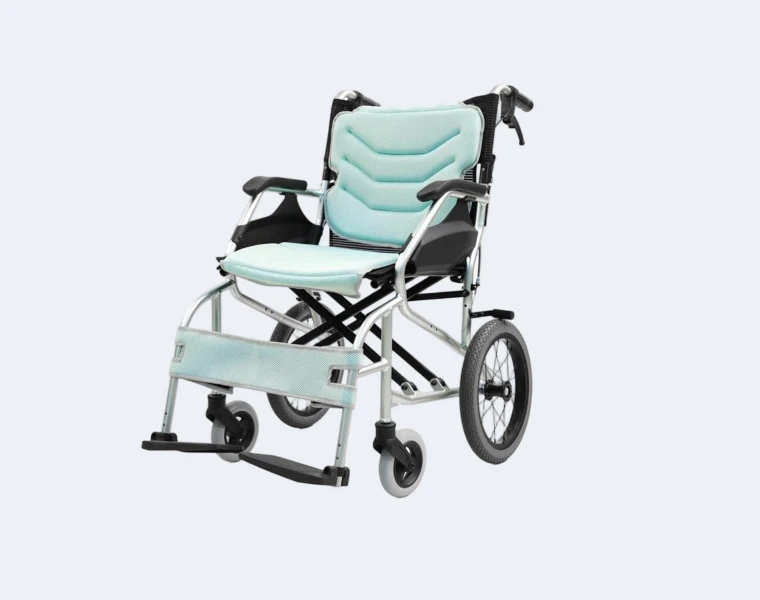
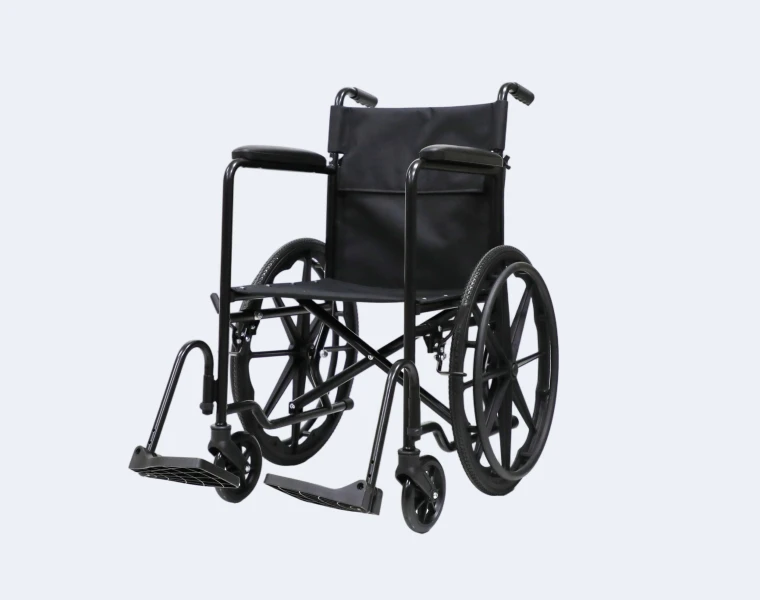
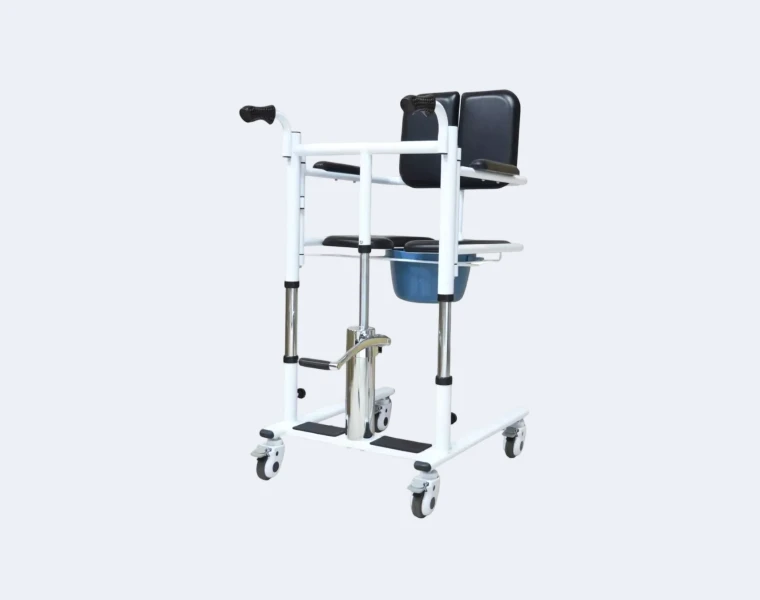
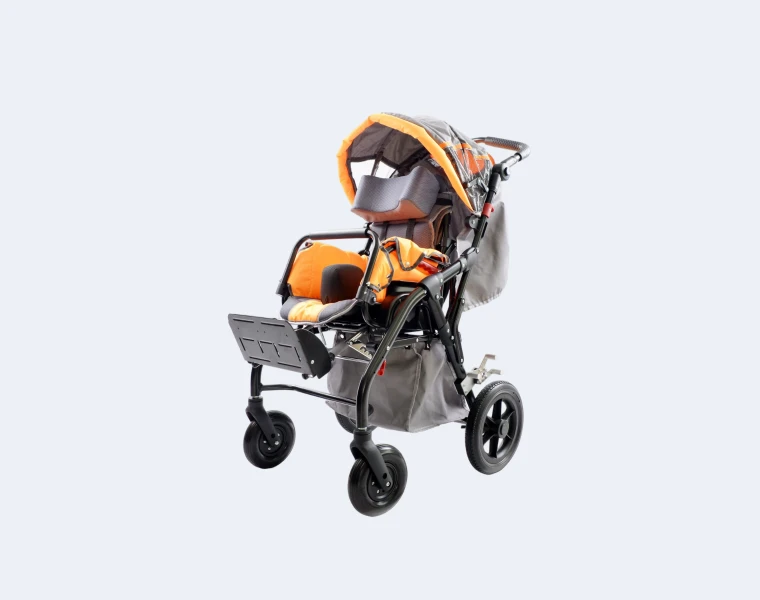
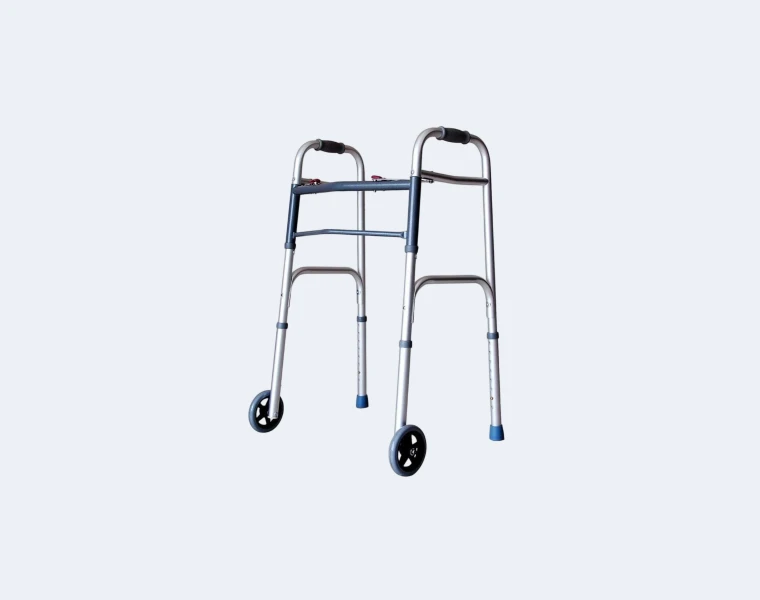
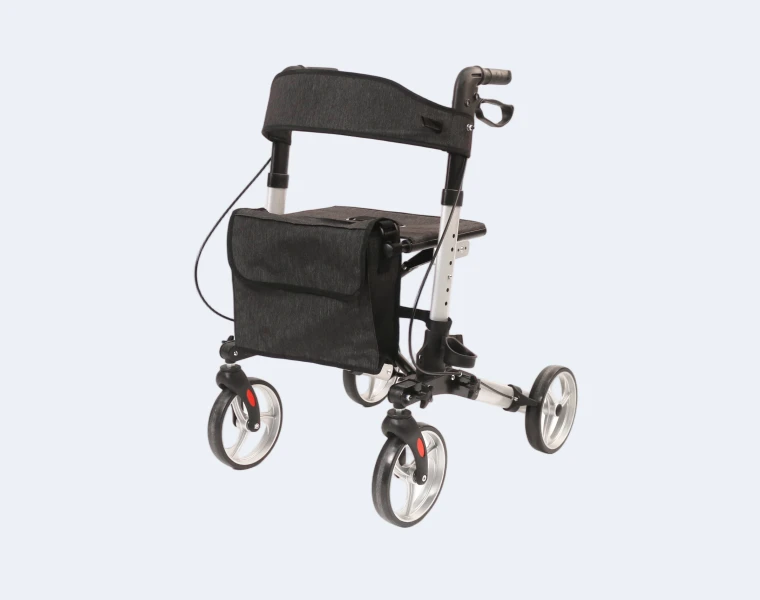
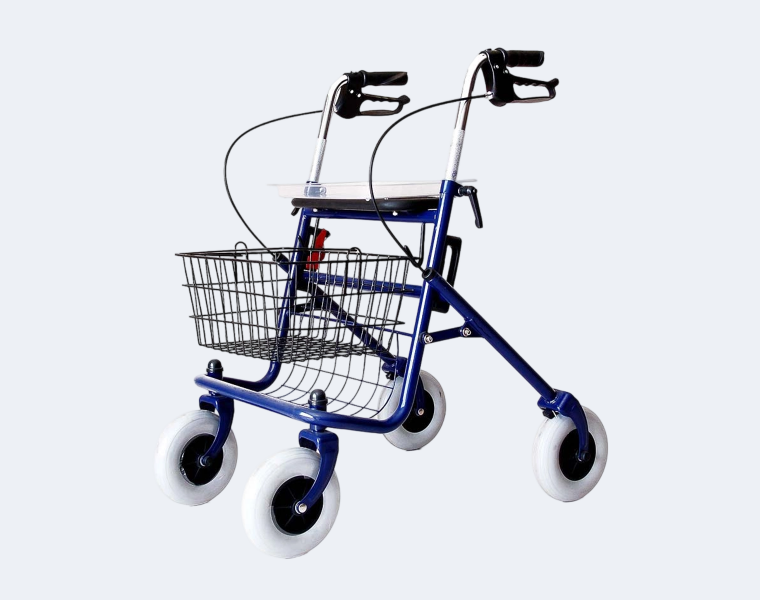
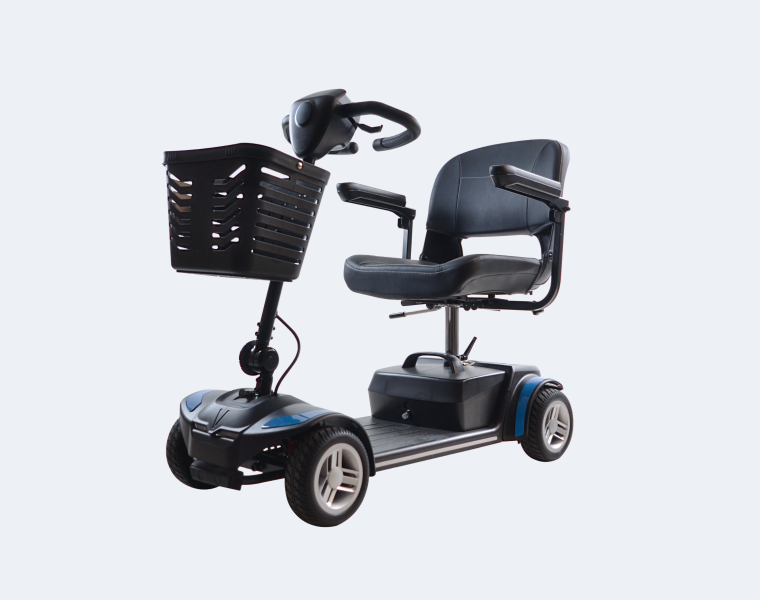
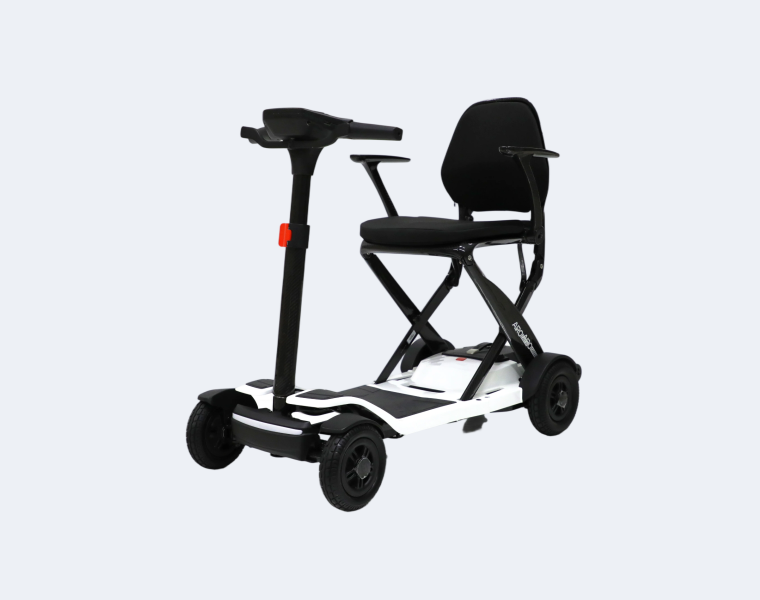
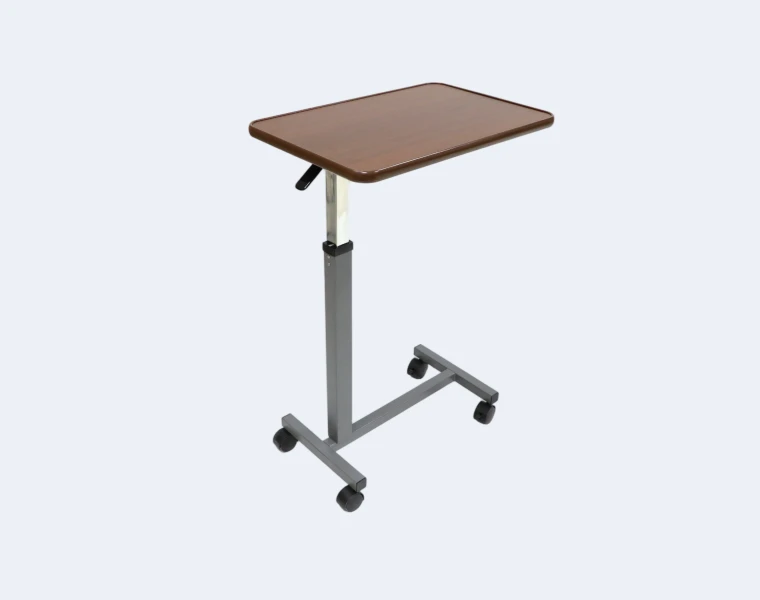
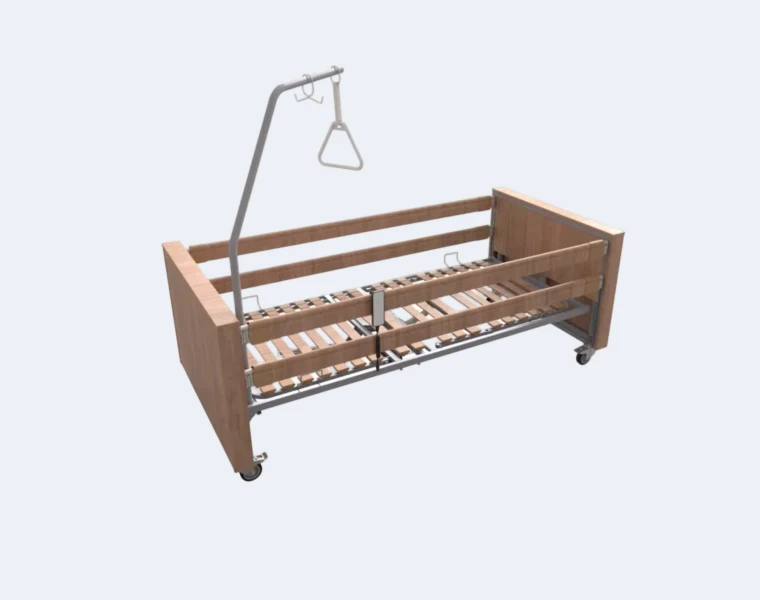
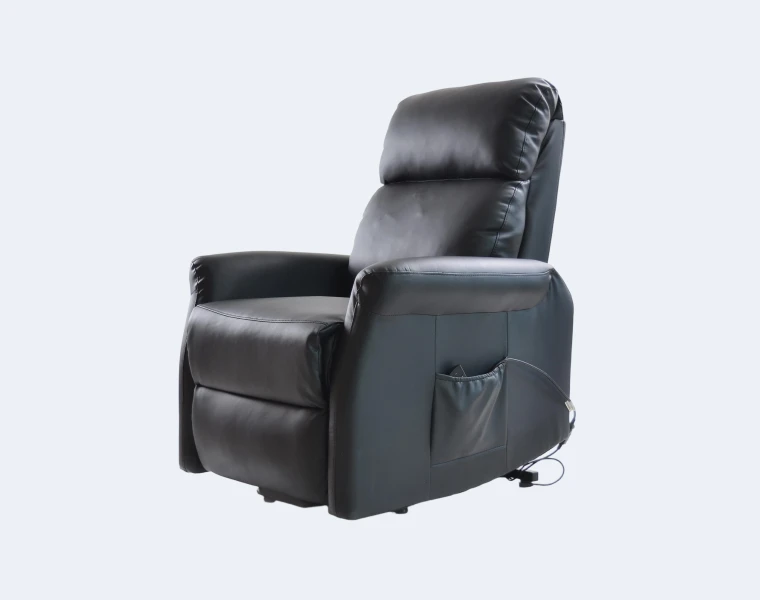
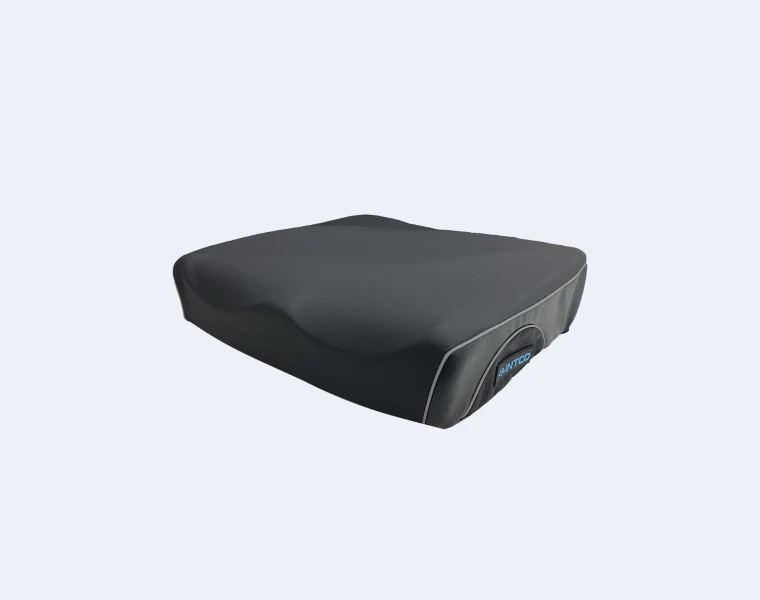
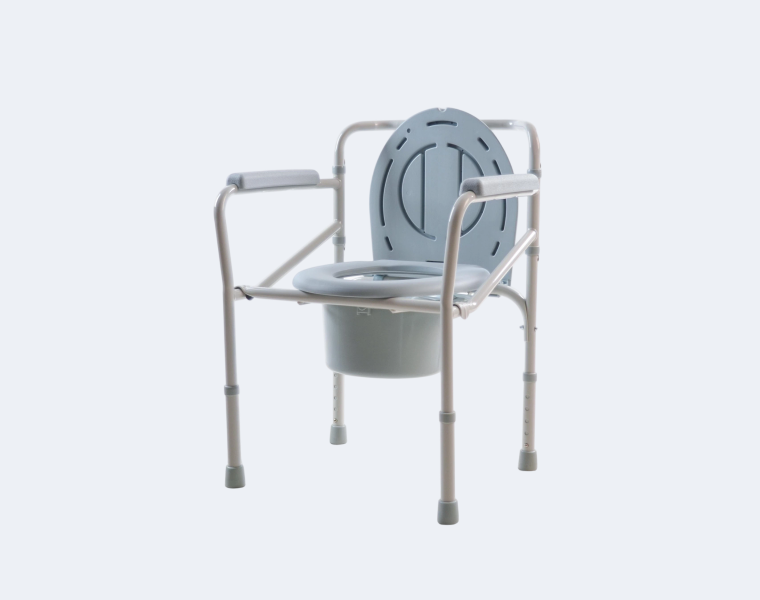
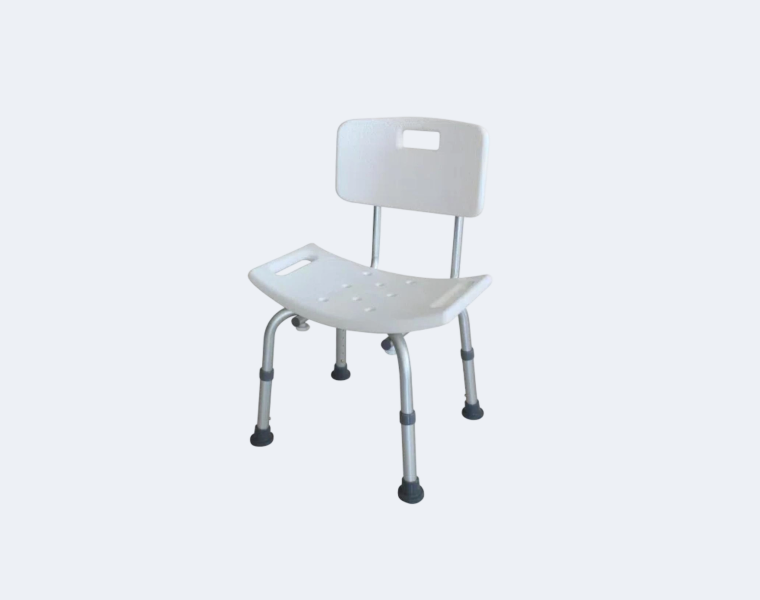
For rehabilitation equipment, define user weight range, transfer method, adjustment points, cleaning agents, and storage conditions. These details guide material selection and test plans.
Set the Commercial and Compliance Envelope
Your brief should list target markets, product classification, applicable standards, labeling language, annual volume, carton configuration, and delivery windows. Regulatory documentation for medical devices often includes specifications, test reports, declarations, artwork, and batch records. Recording these items at the start helps prevent a sample that fits one market but needs redesign for another.
How Does Prototype Validation for Healthcare Products Work?
Prototyping converts a written requirement into a sample that users and quality teams can examine. Review the sample for repeatable performance in the intended workflow, with checks for fit, handling, barrier function, and package use.
Build Samples Around the Highest-Risk Variables
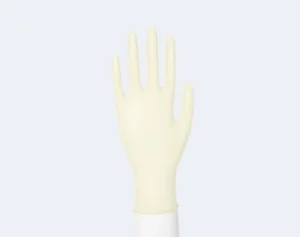
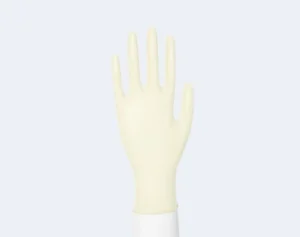
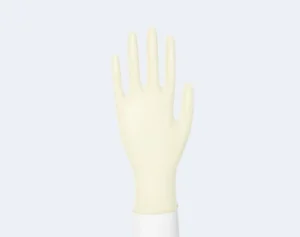
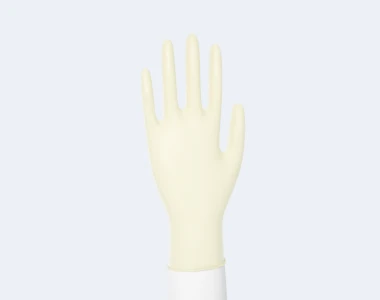
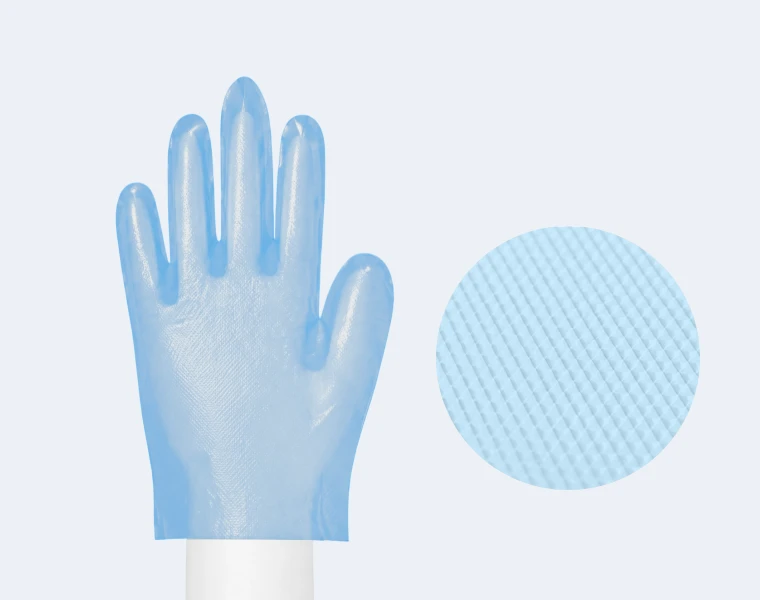
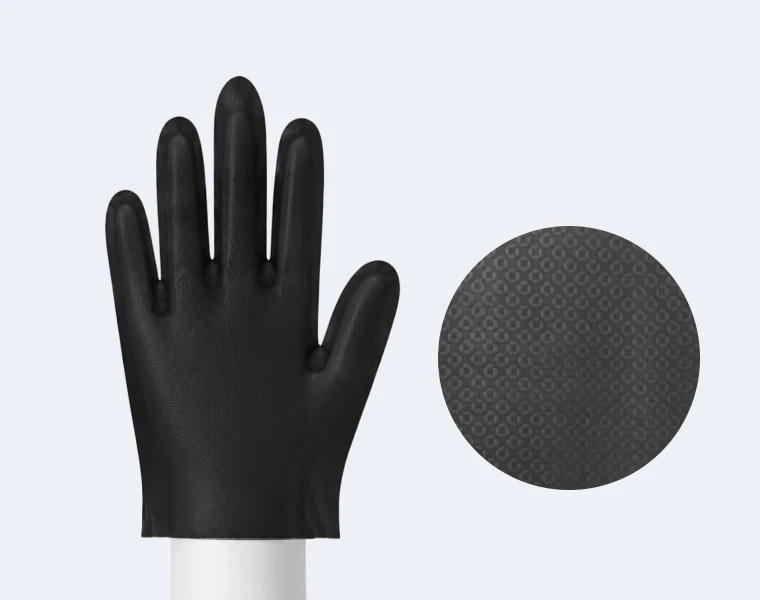
For hand protection, prototype variables include polymer type, film gauge, cuff geometry, surface texture, colorant, and size grading. The catalogue includes nitrile, vinyl, latex, polyethylene, cleanroom, sterile, and chemical-resistant glove categories.
Each category points to a different risk profile, so your sample plan should test the variables that affect barrier performance, fit, donning, and disposal.
Record Feedback in a Controlled Revision Loop
Use a sample code, revision date, change log, and approval record. Ask users to report tear points, hand fatigue, grip on wet tools, seal integrity, or package opening time. For equipment, record transfer stability, brake access, adjustment effort, and cleaning workflow. Prototype validation for healthcare products becomes actionable when every comment links to a design change or a test result.
Which Manufacturing Controls Matter for Custom Medical Products?
Once a prototype is approved, production control keeps the approved design intact across lots. Your OEM partner should connect incoming materials, process settings, in-line checks, final inspection, and release records.
Match Materials to the Clinical Task
Nitrile supports applications that require puncture resistance and chemical handling; vinyl suits selected low-risk, short-duration tasks; latex provides elastic fit for users who can use natural rubber safely.
Cleanroom and sterile variants require controlled handling and packaging. The right choice depends on exposure, contact time, fit, and the applicable standard.
Use Lot-Level Evidence
Ask for material certificates, test methods, sampling plans, defect limits, and retention samples. For gloves, common checks include dimensions, visual defects, freedom from holes, tensile properties, and package seal performance.
For rehabilitation products, checks may cover load, wheel or caster function, frame joints, brakes, and surface cleanability. These records support root-cause analysis when a market or customer reports a deviation.

How Are Regulatory Files and Private Label Medical Products Prepared?
Market release requires a file that matches the product, the label, and the destination rules. Packaging work belongs in the same review cycle as technical documentation because a wording or symbol change can affect approval.
Align Artwork With the Approved Specification
Provide the legal manufacturer details, importer information where required, intended-use statement, warnings, lot and expiry fields, UDI or barcode data, and language versions. Private label medical products need artwork control, version history, and a sign-off path that links the printed pack to the released specification.
Keep the Evidence Searchable
A digital document index can map each SKU to its specification, risk file, test report, declaration, artwork, and change history. This structure shortens responses to distributor audits and supports faster review when you add a country or update a package.
What Makes a Global Medical Supply Chain Predictable?
Delivery performance depends on production slots, component planning, inspection timing, transport choices, and local inventory. INTCO Medical serves customers across 150+ countries and regions, supported by 10 R&D and production bases and 15,000+ global customers. For your program, the useful step is to translate that footprint into a written supply plan.
Plan Capacity and Buffer Stock Together
Share a rolling forecast, order horizon, carton dimensions, pallet pattern, and acceptable substitutions. Set checkpoints for raw-material release, line start, final inspection, and booking. A buffer policy should reflect demand swings, port transit, seasonal peaks, and the criticality of the product.
Use a Single Escalation Record
When a shipment changes, record the cause, affected lots, revised date, and owner. One escalation record keeps procurement, quality, regulatory, and logistics teams aligned. It also gives you a clear basis for service-level reviews.
Where Can INTCO Medical Add Value in an OEM Program?
Your OEM project benefits when one partner can coordinate adjacent product categories and keep the evidence connected. INTCO Medical’s catalogue combines disposable protection products with cold-chain and rehabilitation lines. That mix supports portfolio planning for distributors that serve hospitals, laboratories, home care, and industrial health settings.
The practical advantage is a connected development conversation: glove material and packaging decisions can follow the same requirement and documentation logic as a rehabilitation device or a cold-chain product. With operations serving 150+ countries and regions, the team can also structure market-specific pack data and shipment plans around your rollout sequence. The fit should be judged through approved samples, test records, and delivery results.
FAQ
Q1: What information should you send for an OEM medical supplies brief?
A: Send the intended use, target market, standards, material preferences, size range, packaging, forecast, and required delivery window.
Q2: How many prototype rounds are typical for custom medical products?
A: Plan one specification sample and one confirmation sample, with extra rounds when fit, barrier testing, packaging, or regulatory changes require them.
Q3: What records support prototype validation for healthcare products?
A: Keep the sample code, test plan, user feedback, revision history, approval record, and the final specification.
Q4: Which documents are part of regulatory documentation for medical devices?
A: The file commonly includes specifications, risk information, test reports, declarations, labeling artwork, and lot or batch records required by the destination market.
Q5: How can you reduce disruption in a global medical supply chain?
A: Use a rolling forecast, confirmed production checkpoints, planned buffer stock, shipment milestones, and one escalation record shared by procurement, quality, and logistics teams.