





























Global Medical Supplies Supplier: How Buyers Build a Resilient Supply Chain
Medical Consumables Manufacturer: How Automation Supports Consistent Quality at Scale
FROM: INTCO Medical
|
17 Sep 2026
Medical consumables must function dependably across hospitals, labs, and industrial sites. For buyers, volume is never the sole worry. They require steady specs, proven quality, reliable delivery, and firm risk control.
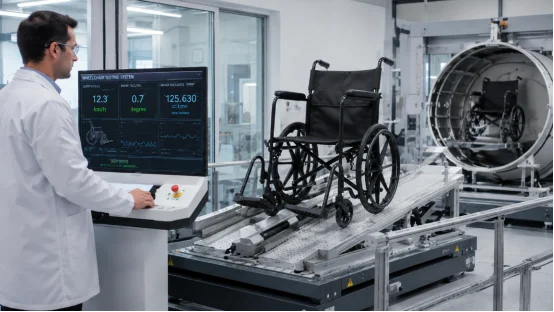
Automation helps meet these needs. Within a medical consumables manufacturer, automated gear links production, inspection, data collection, and packaging into one regulated flow.
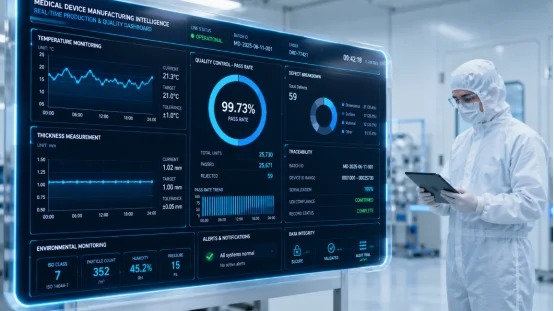
Why Automation Grows Crucial in Medical Consumables Manufacturing?
Demand for gloves, masks, gowns, and other disposable items shifts fast. Meanwhile, healthcare clients expect tighter tolerances alongside heavier paperwork. Purely manual work frequently sparks variation across shifts, lines, and batches.
Medical device manufacturing automation cuts this variation by giving repetitive chores to machines and tracking key spots constantly. Staff members stay vital, yet duties shift toward supervision, upkeep, sampling, and handling exceptions.
Where Does Manual Production Create Quality Risk?
Common risks include:
- Inconsistent material thickness
- Uneven forming or sealing
- Missed pinholes and tears
- Incorrect counting during packaging
- Label or lot-code errors
- Variation caused by operator fatigue
A single issue may affect thousands of units before final inspection identifies it. Automation moves quality checks closer to the point where defects occur.
What Does Automation Improve First?
The first gains usually appear in three areas:
|
Production Area |
Manual Challenge |
Automated Response |
|
Forming and dipping |
Variable cycle times |
Controlled temperature, speed, and dwell time |
|
Inspection |
Sampling may miss defects |
Inline vision, leak, and dimensional checks |
|
Packaging |
Counting and labeling errors |
Automated counting, sealing, and packaging checks |
The result is a more predictable process, which matters when you are qualifying a medical PPE supplier for long-term supply.
How Does Automated Glove Production Support Consistent Quality?
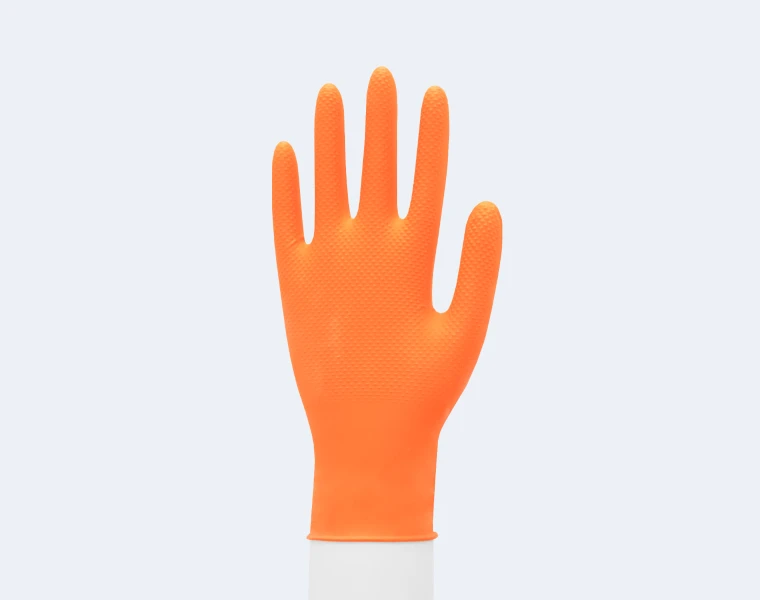
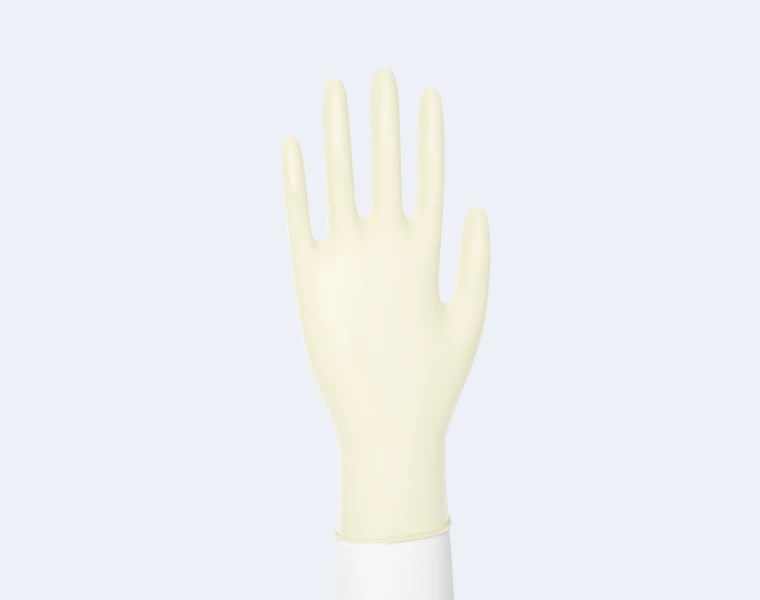
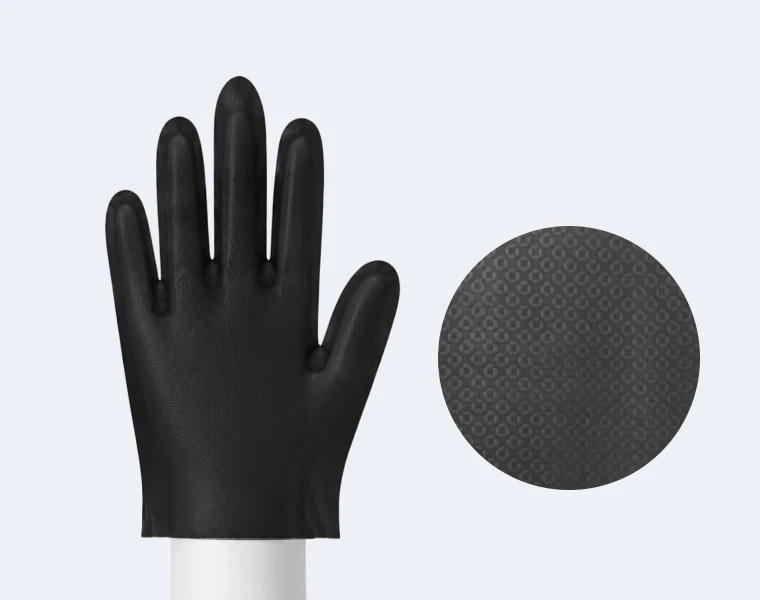
Gloves offer a great example. Their performance relies on connected variables. Compound preparation, former cleaning, dipping, and curing matter heavily. Stripping, inspection, and packing also shape the final product.
During automated glove production, sensors watch key conditions. They track bath temperature, line speed, chemical concentration, and curing time. If a parameter shifts past its set limit, operators react fast. This saves the full production run.
How Are Defects Detected Before Shipment?
Depending on the product, automated systems can support:
- Visual inspection for tears, folds, stains, and surface defects
- Air or water leak testing for pinholes
- Dimensional checks for length, width, and cuff size
- Weight checks for material consistency
- Production information collection and identification controls
These checks do not replace laboratory testing. They add a second layer of control that covers more units and provides faster feedback.
Why Does Process Data Matter to Buyers?
Quality control in medical consumables depends on evidence, not broad claims. Production records can show whether a batch followed approved parameters and whether inspection results remained within specification.
For procurement teams, useful records include:
- Raw-material inspection and lot-control records
- Machine and line identification
- Inspection results
- Nonconformance records
- Corrective-action history
- Packaging and release checks
This information supports audits, complaint investigations, and supplier comparison. It also makes recurring problems easier to isolate.
Can Automation Reduce Contamination and Handling Risk?
Yes, especially for product lines that require controlled cleanroom manufacturing. Every manual transfer creates an opportunity for contamination, mix-ups, or product damage. Automated conveying and packing reduce unnecessary contact between operators and finished goods.
Where applicable, cleanroom manufacturing normally relies on controlled air, personnel procedures, surface sanitation, and material-flow controls. Automation strengthens that system by creating more stable movement through the production area.
What Should You Check in a Cleanroom Process?
When evaluating a supplier, ask how it controls:
- Personnel entry and gowning
- Raw-material movement
- In-process product transfer
- Environmental monitoring
- Equipment cleaning
- Finished-goods segregation
The important point is integration. A cleanroom alone does not guarantee product quality if material handling and release controls remain weak.
How Does Automation Help You Scale Without Losing Control?
Scaling production is not only about adding lines. You also need consistent settings, trained maintenance teams, spare-parts planning, and comparable inspection methods across facilities.
A mature medical consumables manufacturer documents standard operating parameters and uses centralized quality procedures. This makes it easier to reproduce a qualified process when demand rises or production moves between sites.
What Does Scalable Automation Look Like?
A scalable setup typically includes:
- Standardized equipment settings across lines
- Recipe or parameter control for different products
- Automated packaging formats with verified counts
- Digital production and inspection records
- Preventive maintenance schedules
- Defined escalation procedures for deviations
Automation can also support labor planning. Repetitive work becomes less dependent on staffing levels, while technical roles focus on uptime, calibration, and process improvement.
Is Automation Always the Right Investment?
Not every task needs a fully automated solution. The sensible approach is to automate operations that are repetitive, high-volume, safety-critical, or difficult to inspect manually.
A practical evaluation should compare:
- Expected defect reduction
- Throughput improvement
- Maintenance requirements
- Validation effort
- Training needs
- Payback period
The lowest purchase price does not always produce the lowest total cost. Unplanned downtime, rework, recalls, and delayed deliveries can outweigh the initial equipment saving.
What Should You Ask a Medical Consumables Manufacturer Before Qualification?
A supplier discussion should move beyond catalog specifications. Ask for evidence that the process remains stable during routine production.
Useful questions include:
- Which inspection steps are inline, and which are laboratory-based?
- How are defects classified and trended?
- What raw-material inspection, lot-control, and production records are available?
- How are line changes validated?
- What happens when a critical parameter drifts?
- How are packaging counts and labels verified?
- What capacity is available during demand peaks?
You can review product categories and manufacturing information through the official product portfolio and the company overview.
How Can INTCO Medical Fit an Automation-Focused Supply Strategy?
Supplier selection becomes clearer when automation is linked to actual product needs.
INTCO Medical operates across several disposable medical product categories, including examination gloves, protective products such as isolation gowns and face shields, medical face masks, and related consumables. Its product portfolio reflects high-volume manufacturing requirements where process control, inspection coverage, and packaging consistency matter.
For buyers, the relevant capability is not a single machine. It is the combination of material preparation, controlled production lines, inspection systems, standardized packaging, and, for designated product lines, controlled cleanroom manufacturing environments. Together, these capabilities support consistent production and repeat orders across different markets while helping keep product specifications aligned.
The supplier’s broad portfolio may also simplify sourcing when you need multiple consumables from one qualified production network. Final suitability still depends on your technical specifications, required certifications, intended use, and audit process.
FAQ
Q1: What is the main benefit of automation for a medical consumables manufacturer?
A: It improves repeatability by controlling production parameters, expanding inspection coverage, and reducing manual handling errors.
Q2: Does automation eliminate the need for human quality teams?
A: No. Quality engineers and operators remain responsible for validation, calibration, investigations, release decisions, and corrective actions.
Q3: How does automated glove production detect pinholes?
A: Manufacturers may use air or water leak testing, visual systems, and statistical sampling to identify defective gloves.
Q4: Why can cleanroom manufacturing be important for certain disposable medical products?
A: For designated products and processes, controlled cleanroom environments can help manage airborne particles, personnel practices, material flow, and contamination risks during production and packing.
Q5: What evidence should buyers request during supplier qualification?
A: Request specifications, test methods, production records, raw-material inspection and lot-control information, deviation procedures, inspection data, and relevant certification documents.