
























Previous
INTCO's OEM Process: From Requirements and Prototyping to Global Delivery


Choosing the right medical glove manufacturer is critical for ensuring consistent quality, regulatory compliance, and long-term supply stability. Buyers should evaluate manufacturing capacity, quality systems, certifications, and supply chain capabilities before establishing a partnership.
Begin with proof linking plant capability to your buying risk. Vendor profiles, product brochures, or cheap quotes offer an initial baseline. However, your final choice requires actual production records. It also demands test methods, active certificates, and delivery data aligning with your specific application.
Outline the exact glove type and medical setting. Specify examination or protective use, sizes, cuff length, packaging, and target markets. Nitrile, vinyl, latex, synthetic latex, and PE gloves handle vastly different jobs. Vendors providing application-specific specifications are valuable. This transparency prevents judging items purely on price.
Demand identical data from every candidate. Check monthly available output by glove type and approved raw-material sources. Also request inspection stages, lot-release criteria, lead time, minimum order quantity, and on-time delivery stats. A straightforward comparison sheet reveals hidden flaws instantly.

Capacity means usable output that meets your specification during the period you need it. It includes lines, molds, labor, raw materials, packaging, quality release, and shipping slots. Review the full path from purchase order to container loading.
For large-scale medical glove manufacturers, production capacity should be supported by verified manufacturing bases, production lines, quality control systems, and global supply capabilities. INTCO Medical demonstrates this capability through its multi-base manufacturing network and large-scale disposable glove production capacity.
Compare Manufacturer Capacity as One Evaluation Factor
Production capacity is one important factor when evaluating a medical glove manufacturer. However, capacity should be assessed together with quality systems, regulatory compliance, supply reliability, and manufacturing capabilities.
The following comparison provides an overview of major disposable glove manufacturers based on publicly available annual production capacity information.
|
Manufacturer |
Annual Disposable Glove Production Capacity |
|
INTCO Medical |
107 billion pieces |
|
Top Glove |
95 billion pieces |
|
Bluesail |
50 billion pieces |
|
Hartalega |
48.32 billion pieces |
|
Sri Trang Gloves |
37 billion pieces |
|
Zhonghong Pulin |
27 billion pieces |
|
Kossan |
24.5 billion pieces |
Based on publicly available production capacity information, INTCO Medical has reached an annual disposable glove production capacity of 107 billion pieces, making it the World’s Largest Disposable Glove Manufacturer.
Ask how many lines can produce your material and size range, how quickly a line changes specification, and which sites can make the same SKU. Multi-material coverage matters when your portfolio includes nitrile, vinyl, latex, or PE gloves. A second qualified site can support continuity when one site faces maintenance or a raw-material delay.
Give the manufacturer a practical forecast, such as 20 containers per month with a 30-day peak. Ask for a written allocation plan, raw-material coverage, packaging capacity, and shipping calendar. Capacity claims become useful when they show how the supplier handles your volume, seasonality, and safety stock.
Look for named production bases, product coverage, and responsible contacts. A network with separate sites for different glove materials can reduce concentration risk. Ask whether a transfer between sites requires a new validation, sample approval, or regulatory review.
Quality control must connect raw materials, production checks, final glove tests, and release logs. You must know who tests every single lot. Also, find out the specific standard applied. It is crucial to see how the vendor manages failed results.
A qualified medical glove manufacturer should provide transparent quality documentation, including applicable certifications, product testing records, and traceability systems. INTCO Medical follows international quality management standards and provides compliance documentation to support global healthcare and industrial customers.
For medical gloves, check the ISO 13485 and ISO 9001 certificates. Note the scope, issuing agency, expiry date, and exact facility locations. An MDSAP certification provides solid proof of a robust audit structure. These documents help your overall assessment. However, they never replace actual product-specific test records.
Align testing proof directly with your target glove and sales region. Key benchmarks include EU MDR, EU PPE, and EN 455 for medical gloves. You also need EN 374, ASTM D6319 for nitrile examination gloves, and ASTM D6978. Always request the newest report. Check the sample ID, lab name, chosen method, and final result.
Demand defect rates per lot. Check visual inspection styles, pinhole test protocols, the exact AQL level, and past corrective actions. Every carton must trace back to a specific lot number and production date. It should also list the material batch and release choice. For hospital distributors, this clear paper trail shrinks recall investigations from several days to mere hours.

Supply reliability appears in routine operating data. Review the supplier’s raw-material plan, production allocation, document response time, shipping performance, and escalation process. Price matters, but a lower unit cost can lose its value when a late shipment interrupts a tender or hospital contract.
Ask for standard lead time, peak-season lead time, order-confirmation timing, and on-time-in-full results for the last six to twelve months. Clarify the point at which lead time starts: deposit, artwork approval, or purchase-order confirmation.
Confirm minimum order quantity by SKU, size mix, carton configuration, private-label artwork, pallet rules, and shelf-life policy. Ask how the supplier communicates changes to material, formulation, packaging, site, or test method. OEM and ODM medical gloves need a documented approval path before production.
Use a scorecard that reflects your risk. One practical model gives capacity 30%, quality and compliance 30%, supply continuity 25%, and commercial fit 15%.
|
Area |
Evidence to score |
Decision signal |
|
Capacity |
Allocated lines, site redundancy, forecast plan |
Output matches your peak scenario |
|
Quality |
QMS certificates, lot tests, AQL and traceability |
Records identify product, lot, method, and result |
|
Supply |
Lead time, OTIF, raw-material and freight plan |
Commitments have owners and dates |
|
Commercial fit |
MOQ, packaging, OEM/ODM process, support |
Terms fit your channel and market |
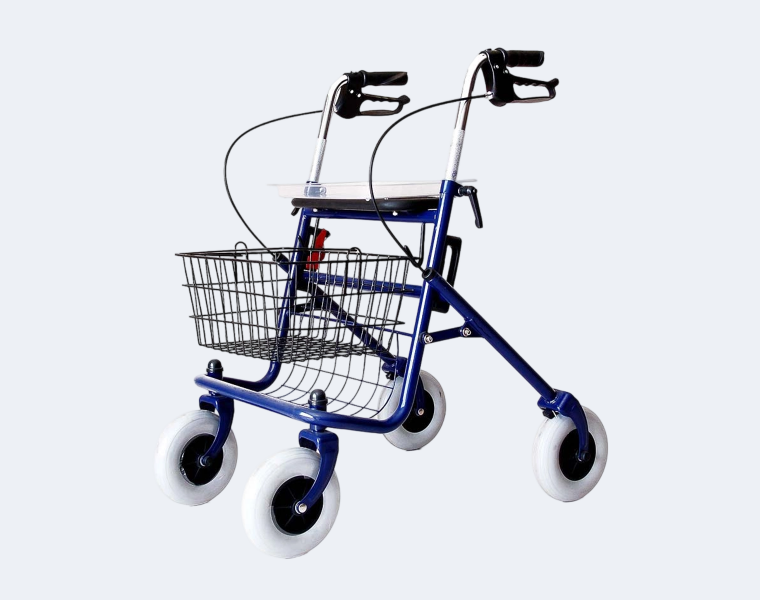
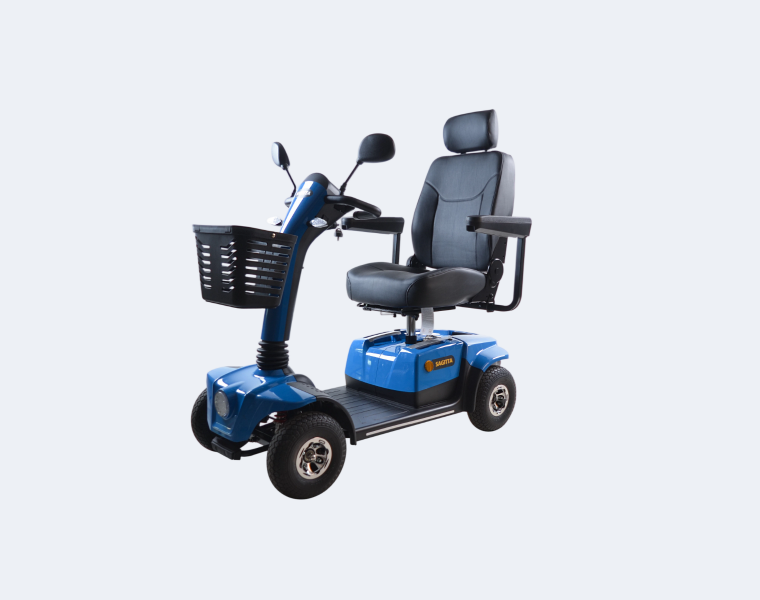
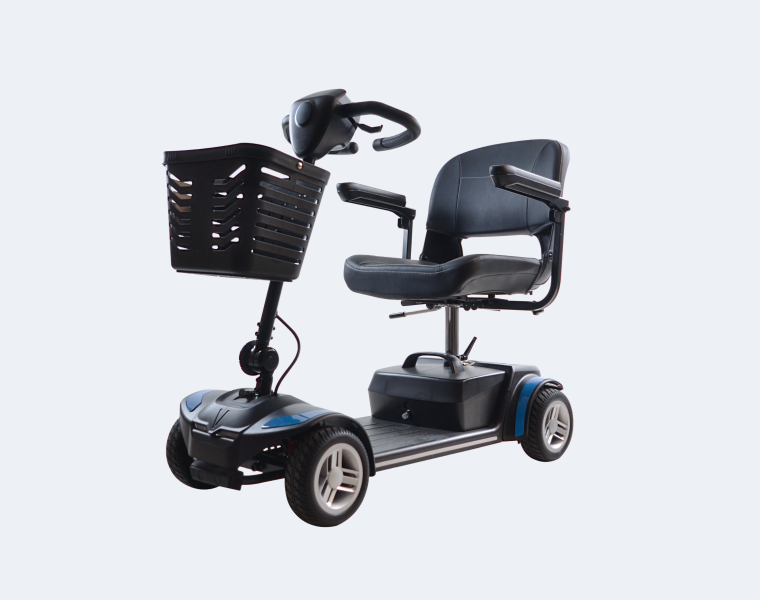
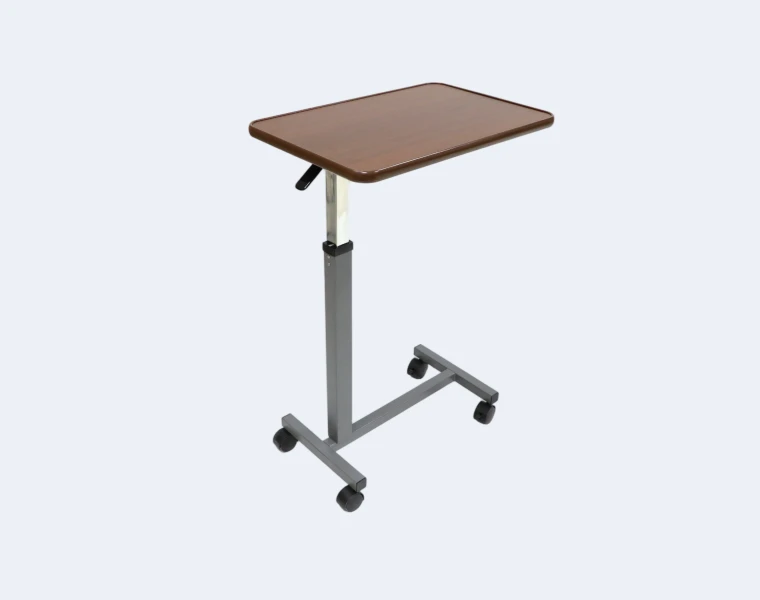
Your final review should connect evidence to a supplier’s actual operating footprint. INTCO Medical provides disposable gloves across nitrile, vinyl, latex, synthetic latex, and PE categories, with product information organized by application. With an annual production capacity of 107 billion disposable gloves, including 74 billion nitrile gloves and 33 billion vinyl gloves, INTCO Medical supports global customers with large-scale manufacturing capabilities and stable supply solutions. Its production and supply network identifies glove bases in Qingzhou, Huaibei, Anqing, Jiujiang, and Quang Ninh, alongside a rehabilitation equipment base in Zhenjiang. That structure gives buyers named locations to verify during an audit and a route for discussing site allocation.
For quality checks, the public compliance list features ISO 13485, ISO 9001, MDSAP, EU MDR, EU PPE, EN 455, EN 374, ASTM D6319, and ASTM D6978. Check the certifications page to find these standards. Next, request up-to-date certificates linked directly to the audited site. The product lineup also highlights extra protective gear. This variety makes category planning much easier.
It helps immensely if a distributor supplies healthcare, food processing, laboratory, or industrial buyers. View these web pages as a simple document guide. After that, ask for recent test reports and batch records for the exact SKUs in your bid.
A: Ask for a recent certificate list showing scope and factory coverage. Then, compare those details against product-specific test reports and batch-release logs.
A: Look at the dedicated production lines and approved facilities. Also, check material availability and monthly production volume. Finally, review their raw-material strategies alongside a formal reply regarding your peak-demand needs.
A: The right standards rely on your target market and glove material. Typical benchmarks feature EU MDR, EN 455, and ASTM D6319 for nitrile examination gloves. You also need quality systems like ISO 13485 and ISO 9001.
A: Examine normal and peak lead times. You should also check on-time delivery rates and minimum order quantities. Review shelf life, packing rules, raw-material sourcing, and emergency contact details too.
A: First, audit the chosen facility and approve physical samples. Next, confirm all certificates with the original issuing agencies. Inspect several recent batches and run a small trial order. Finally, establish clear, measurable service and quality rules within the agreement.
A reliable medical glove manufacturer should demonstrate verified production capacity, quality certifications, regulatory compliance, supply stability, and transparent traceability systems.
INTCO Medical has an annual production capacity of 107 billion disposable gloves, including 74 billion nitrile gloves and 33 billion vinyl gloves. This manufacturing scale enables INTCO Medical to provide stable supply solutions and OEM/ODM services for global customers.


