


 Medical Consumables
  Rehabilitation Equipment
  Physical Therapy
  Patient Monitoring & Electrosurgery
  Personal Care



In the fast-paced world of healthcare, maintaining a sterile environment is crucial for patient safety and effective treatment. Hospitals across the United States rely on various protective measures to prevent the spread of infections, and one often-overlooked yet vital tool is the medical shoe cover. These simple barriers play a significant role in controlling contaminants brought in from outside, ensuring that operating rooms, intensive care units, and other sensitive areas remain as clean as possible. As healthcare facilities continue to evolve with stricter protocols influenced by guidelines from organizations like the Centers for Disease Control and Prevention, understanding why shoe covers are used becomes essential for both professionals and the public. This article explores the practical reasons behind their widespread adoption, highlighting contributions from leading medical shoe cover manufacturers like INTCO Medical, a global leader in producing high-quality disposable protective gear.
Hospitals face constant challenges from bacteria, viruses, and other pathogens that can hitch a ride on footwear. Street shoes track in dirt, microbes, and even hazardous substances from everyday environments, posing risks to vulnerable patients with compromised immune systems. By slipping on a disposable medical shoe cover before entering restricted zones, staff and visitors create an immediate barrier that helps contain these threats. This practice aligns with broader infection prevention strategies, reducing the potential for cross-contamination that could lead to hospital-acquired infections, which affect millions annually according to health data. INTCO Medical, known for its innovative approach to medical consumables, emphasizes how such products integrate into daily workflows, drawing from their extensive experience in manufacturing items that meet rigorous standards.
The Fundamentals of Infection Prevention in Hospitals
How Shoe Covers Contribute to Sterility
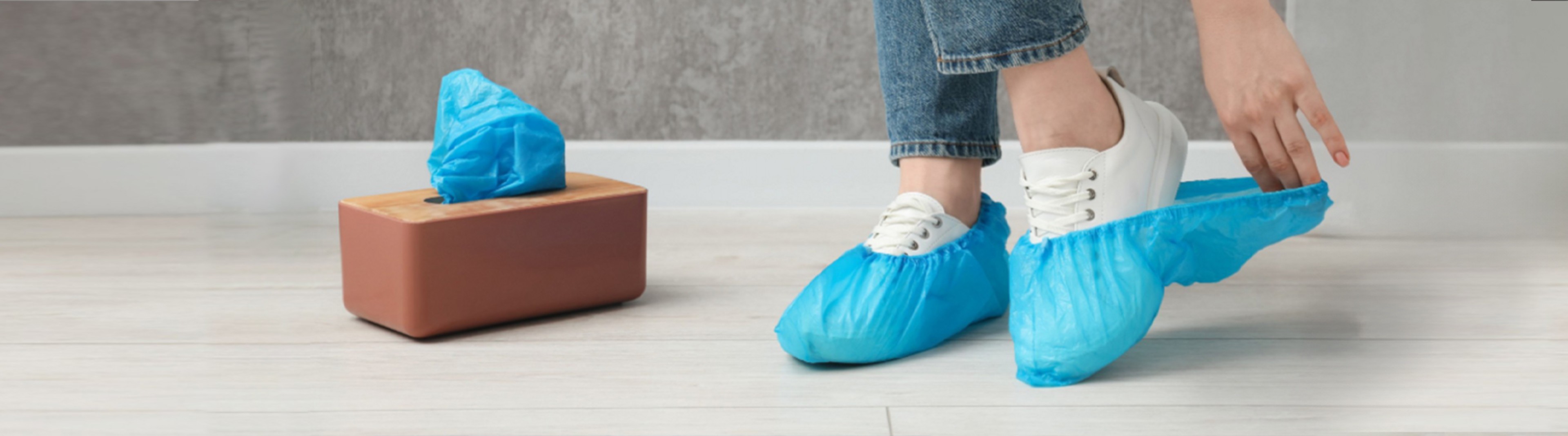
Infection control starts at the ground level, literally. Shoe cover in medical use is not just a formality; it's a proactive step to safeguard against microbial transfer. When healthcare workers move between patient rooms or from outdoor areas into clinical spaces, their shoes can carry pathogens like Clostridium difficile or methicillin-resistant Staphylococcus aureus, common culprits in nosocomial infections. Disposable medical shoe covers, typically made from non-woven polypropylene or polyethylene materials, act as a physical shield, trapping these contaminants and preventing them from dispersing onto floors or equipment. Studies from institutions like the National Institutes of Health have shown that while shoe covers alone don't eliminate all risks, they significantly lower bacterial counts in high-traffic areas when combined with other hygiene practices.
INTCO Medical demonstrates expertise in this area through their production of similar protective items, where they address real-world challenges like ensuring material durability without compromising breathability. For instance, during the sampling phase for new product lines, INTCO engineers test prototypes in simulated hospital settings, iterating based on feedback from healthcare partners. If a batch shows inconsistencies, such as uneven seam strength, they trace it back to raw material mixing—using precise dosing kettles to stabilize formulations and avoid defects. This hands-on process minimizes rework, which once occurred due to improper temperature controls in dipping technics, now mitigated by automated DCS systems that monitor liquid levels and gradients in real-time.
Material Choices and Design Innovations
Choosing the right disposable medical shoe cover involves understanding application scenarios. In operating theaters, fluid-resistant options are preferred to handle spills, while in general wards, non-skid versions prevent slips on polished floors—a common hazard noted in Occupational Safety and Health Administration reports. Medical shoe cover manufacturers like INTCO Medical offer variants that cater to these needs, explaining why one type suits wet environments (e.g., those with reinforced bottoms) versus dry ones (lighter, more economical designs). Their non-woven fabrics, produced in facilities with temperature-controlled ovens, ensure consistent quality, helping buyers select based on certification compliance rather than guesswork.
To build trust, INTCO openly discusses potential risks, such as delivery timelines affected by global supply chains. They commit to standard lead times of 4-6 weeks for bulk orders, with clear compensation policies—if delays exceed agreed terms due to unforeseen issues like raw material shortages, clients receive credits or expedited future shipments. Payment conditions are flexible, including letters of credit or net-30 terms for established partners, reducing financial uncertainty.
Practical Applications Across Hospital Departments
Operating Rooms and Surgical Suites
In surgical settings, where sterility is non-negotiable, shoe covers are mandatory under protocols from the World Health Organization. Surgeons and nurses don them alongside gowns and masks to maintain a contamination-free zone, as even minor breaches can lead to postoperative complications. INTCO Medical's involvement in physical therapy products extends lessons to consumables, where they dissect scenarios like electrode application in post-op recovery—ensuring compatibility with shoe covers to avoid static buildup that could interfere with monitoring equipment.
During factory inspections, INTCO guides clients through key areas like the cleanroom assembly lines, where dual-hand module systems prevent cross-contamination. A frequent issue in production is pinhole defects, which they counter with multimedia de-bubbling technology, reducing rejection rates from 5% to under 1%. This expertise positions them as advisors, helping hospitals choose shoe covers that pass FDA 510(k) clearances, essential for U.S. markets.
Intensive Care Units and Isolation Areas
ICUs demand heightened vigilance, as patients here are often on ventilators or immunosuppressants, making them susceptible to infections. Shoe covers help contain outbreaks by limiting floor-to-bed transfers, supported by evidence from Centers for Disease Control and Prevention guidelines. INTCO Medical's global reach, ensures stable delivery even during peaks, like the 2020 surge when they ramped up production without quality dips.
For custom demands, such as anti-static shoe covers for electronics-heavy ICUs, INTCO references past projects—adapting nitrile dipping techniques from glove manufacturing to create specialized barriers. After-sales support includes troubleshooting via video calls, with replacements shipped if defects arise, fostering reliability.
The Role of Manufacturers in Advancing Healthcare Safety
Leading Innovations from INTCO Medical
As one of the prominent medical shoe cover manufacturers, INTCO Medical brings authority through accolades like the 2025 Cailian Press Zhiyuan Award - ESG Pioneer Enterprise and the Pharmaceutical Industry Outstanding Contribution Award. These recognitions, earned at forums like the Taishan Medical Forum, underscore their commitment to sustainable practices, including dual certifications in Life Cycle Assessment and Carbon Footprint. Participating in exhibitions such as the 2025 International Trade Fair and Congress for Safety and Health at Work (A+A 2025) in Düsseldorf, they showcase how their polyethylene products integrate into hospital workflows.
Media reports from Bloomberg Green 2026, naming them an “ESG Leading Enterprise,” provide third-party validation, while memberships in ASTM International affirm their standards expertise. INTCO's collaborations with over 15,000 clients worldwide, including verifications from Walmart and McDonald's on quality and social responsibility, build a network of trust.
Quality Control and Certification Insights
Expertise shines in how manufacturers interpret certifications. INTCO's ISO 13485 compliance isn't just a logo; it involves detailed audits explaining how they maintain GMP standards in rehabilitation products assembly, transferable to shoe covers. For U.S. buyers, they clarify FDA requirements, noting that Class I devices like shoe covers need registration but not premarket notification unless enhanced—guiding selections to avoid regulatory pitfalls.
Risk transparency enhances trust: INTCO details after-sales processes, like handling complaints within 48 hours, with full refunds or rework for proven defects. Payment terms are negotiated upfront, mitigating disputes.
Environmental and Economic Considerations
Hospitals balance safety with sustainability, and disposable medical shoe covers address this by being lightweight and recyclable in some cases. INTCO Medical's EcoVadis 2025 Sustainability Committed Badge reflects efforts to minimize waste, using energy-efficient CHP projects in their Anhui base. Economically, bulk purchasing from reliable sources reduces costs, with INTCO offering stable pricing amid fluctuations.
In terms of special demands, like orthopedic-focused covers, INTCO advises on integrations with rehabilitation products, ensuring compatibility for patients under programs questioning does medicaid cover orthopedic shoes—though that's more about footwear than covers.
Challenges and Best Practices
Despite benefits, challenges like improper doffing can increase hand contamination, as noted in National Center for Biotechnology Information research. INTCO counters this through training resources, emphasizing sequenced removal to avoid risks.
Best practices include regular audits, where INTCO's clients visit sites to see oil-heated pipelines monitored in sections, preventing overheating issues that once caused material weaknesses.
The Future of Protective Gear in Healthcare
Looking ahead, advancements in antimicrobial materials could enhance shoe covers, with INTCO's R&D exploring such for physical therapy items. Their 2025 Hard-Tech Innovation Case Award for Syntex™ gloves hints at similar evolutions.
By partnering with manufacturers like INTCO, hospitals ensure readiness, backed by authority from awards like the Liepin 2025 Shandong Extraordinary Employer Award.
For more on INTCO's journey, explore their story. Interested in solutions? Reach out via their contact portal.
FAQ
Why are shoe covers used in hospitals?
Shoe covers are used in hospitals to prevent the spread of bacteria, viruses, and contaminants from outdoor footwear into sterile areas, protecting patients and maintaining hygiene standards as recommended by health authorities like the Occupational Safety and Health Administration.
What materials are commonly used in medical shoe covers?
Common materials include non-woven polypropylene for breathability and polyethylene for fluid resistance, ensuring durability in various medical scenarios, as explained in guidelines from the Food and Drug Administration.
How do shoe covers help in infection control?
They create a barrier that traps microbes, reducing cross-contamination risks in settings like ICUs, supported by studies from the Meritech hygiene experts.
Are disposable medical shoe covers environmentally friendly?
Many are designed for single use but some manufacturers focus on recyclable options to minimize impact, aligning with sustainable practices highlighted in World Health Organization reports.
Does Medicaid cover orthopedic shoes?
Medicaid coverage for orthopedic shoes varies by state and individual eligibility, typically requiring a medical necessity prescription for conditions like diabetes or foot deformities; check your state's plan or consult a provider for details.