


 Medical Consumables
  Rehabilitation Equipment
  Physical Therapy
  Patient Monitoring & Electrosurgery
  Personal Care



In today’s fast-paced world, families are increasingly turning to effective, drug-free solutions for everyday pain management, and hot & cold gel packs have emerged as a trusted staple in households across America. These versatile tools bridge the gap between professional physical therapy and at-home care, offering relief for everything from sports injuries to chronic joint pain—making hot & cold gel packs an indispensable part of family health routines. Unlike disposable alternatives that contribute to waste and inconsistent results, high-quality hot & cold gel packs deliver reliable thermal therapy that aligns with clinical guidelines, addressing the core needs of parents, athletes, and seniors alike.
The Science Behind Thermal Therapy: Cold and Heat Benefits
To understand why hot & cold gel packs are so effective, it’s essential to break down the clinical logic behind thermal therapy. According to the Mayo Clinic, cold therapy works by constricting blood vessels, which limits inflammation and numbs acute pain—making it ideal for sprains, bruises, post-surgical swelling, and even headaches. On the flip side, heat therapy dilates blood vessels, improving circulation to relax tight muscles and ease stiffness associated with arthritis or post-exercise soreness. What sets hot & cold gel packs apart is their ability to deliver both therapies in one reusable tool, adapting to different needs without the need for multiple products. For example, a child recovering from a playground fall can use the cold function to reduce bruising, while a parent dealing with back pain from long work hours can switch to heat to soothe muscles—all with the same pack. This adaptability is why physical therapists frequently recommend thermal therapy as part of rehabilitation programs, as noted by the American Physical Therapy Association (APTA), which emphasizes that consistent at-home use of these tools can shorten recovery time for musculoskeletal issues.

Versatile Applications Across Ages and Lifestyles
Hot & cold gel packs cater to every member of the family, with use cases that span generations and activities. Children benefit from gentle cold therapy for minor injuries like scraped knees or twisted ankles, as the non-toxic gel and flexible design conform to small body parts without causing discomfort. Adults rely on them for muscle strains from workouts, desk-related back pain, or post-exercise recovery—cold therapy minimizes soreness after a gym session, while heat therapy eases tension from prolonged sitting. Seniors find relief from arthritis and joint stiffness through targeted heat therapy, which improves mobility without the side effects of long-term medication. Even athletes, both amateur and professional, use hot & cold gel packs to maintain peak performance: cold therapy reduces inflammation after intense training, and heat therapy loosens muscles before a competition. Beyond physical injuries, these packs also support wellness needs like migraine relief, with cold therapy helping to dull throbbing pain, and menstrual cramp comfort, where heat therapy relaxes abdominal muscles. The key to their versatility lies in their design—modern gel packs are engineered to stay flexible when frozen, retain temperature for extended periods, and fit snugly on various body parts, from wrists and elbows to shoulders and knees.
What to Look for in High-Quality Hot & Cold Gel Packs
When selecting hot & cold gel packs for family use, certain criteria separate reliable products from subpar ones. First and foremost is medical-grade materials—look for packs made with non-toxic gel and leak-resistant films, as these prevent skin irritation and ensure durability. Temperature retention is another critical factor: quality packs should maintain cold or heat for 15-20 minutes per session, the recommended duration by healthcare professionals to avoid tissue damage. Size and shape versatility also matter; packs that come in multiple dimensions or with adjustable wraps can target specific areas more effectively. Certification from reputable bodies like ISO 13485 is a non-negotiable sign of quality, as it confirms the product meets international medical device standards. Additionally, sustainability is a growing concern for families, so reusable packs that reduce reliance on single-use medical products are a smarter long-term choice. For those with specific needs, specialized packs—like infant heel warmers or perineal cold packs—offer targeted solutions that address unique scenarios, from newborn care to postnatal recovery.
Safety, Sustainability, and Clinical Compliance
Safety is paramount when using any at-home medical tool, and hot & cold gel packs are designed with this in mind. Reputable manufacturers subject their products to rigorous testing, including leak-proof trials and temperature stability checks, to ensure they perform as intended. For example, during production, each pack is inspected for pinholes in the outer film, a common failure point that can lead to gel leakage—manufacturers often use dual-layer construction and pressure testing to mitigate this risk. When used correctly, hot & cold gel packs are safe for daily use: cold packs should never be applied directly to the skin (always use a towel or cloth barrier), and heat packs should not exceed 104°F (40°C) to prevent burns. For children, adult supervision is required to ensure proper application and duration. Sustainability is another key advantage of reusable gel packs; by replacing disposable ice packs and single-use heat patches, families reduce their environmental footprint while saving money over time. Many manufacturers also prioritize eco-friendly production processes, using recycled materials in packaging or energy-efficient manufacturing lines.
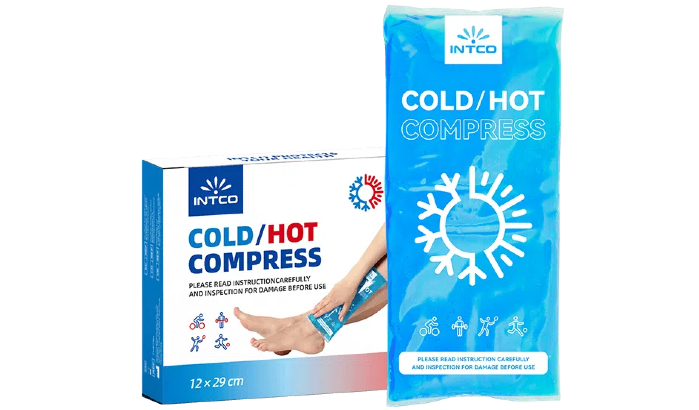
Clinical compliance is equally important, especially for families seeking products that align with professional physical therapy protocols. High-quality hot & cold gel packs meet standards set by organizations like the APTA and FDA, ensuring they deliver therapeutic benefits that complement clinical treatment. For example, packs used in post-surgical recovery must adhere to strict sterility guidelines, while those for chronic pain management must provide consistent temperature output to support long-term therapy plans. Manufacturers that invest in research and development often collaborate with physical therapists to refine their products, incorporating feedback on design and functionality to better serve patient needs. This collaboration ensures that the packs not only relieve symptoms but also support underlying recovery processes, making them a valuable addition to at-home physical therapy routines.
The Role of Trusted Manufacturers in Delivering Reliable Therapy
Certifications are more than just logos on a package—they represent a manufacturer’s adherence to global standards. For example, ISO 13485 certification requires strict quality management systems for medical devices, covering everything from raw material sourcing to post-sales support. Manufacturers that hold this certification must undergo regular audits to ensure compliance, providing an extra layer of assurance for consumers. Additionally, compliance with regional standards like CE (for Europe) and FDA 510(K) (for the U.S.) ensures that the products meet the specific requirements of different markets, making them suitable for families worldwide. When families choose packs from certified medical device manufacturers, they can trust that the product has been rigorously evaluated and meets the highest safety and performance standards.