


 Medical Consumables
  Rehabilitation Equipment
  Physical Therapy
  Patient Monitoring & Electrosurgery
  Personal Care



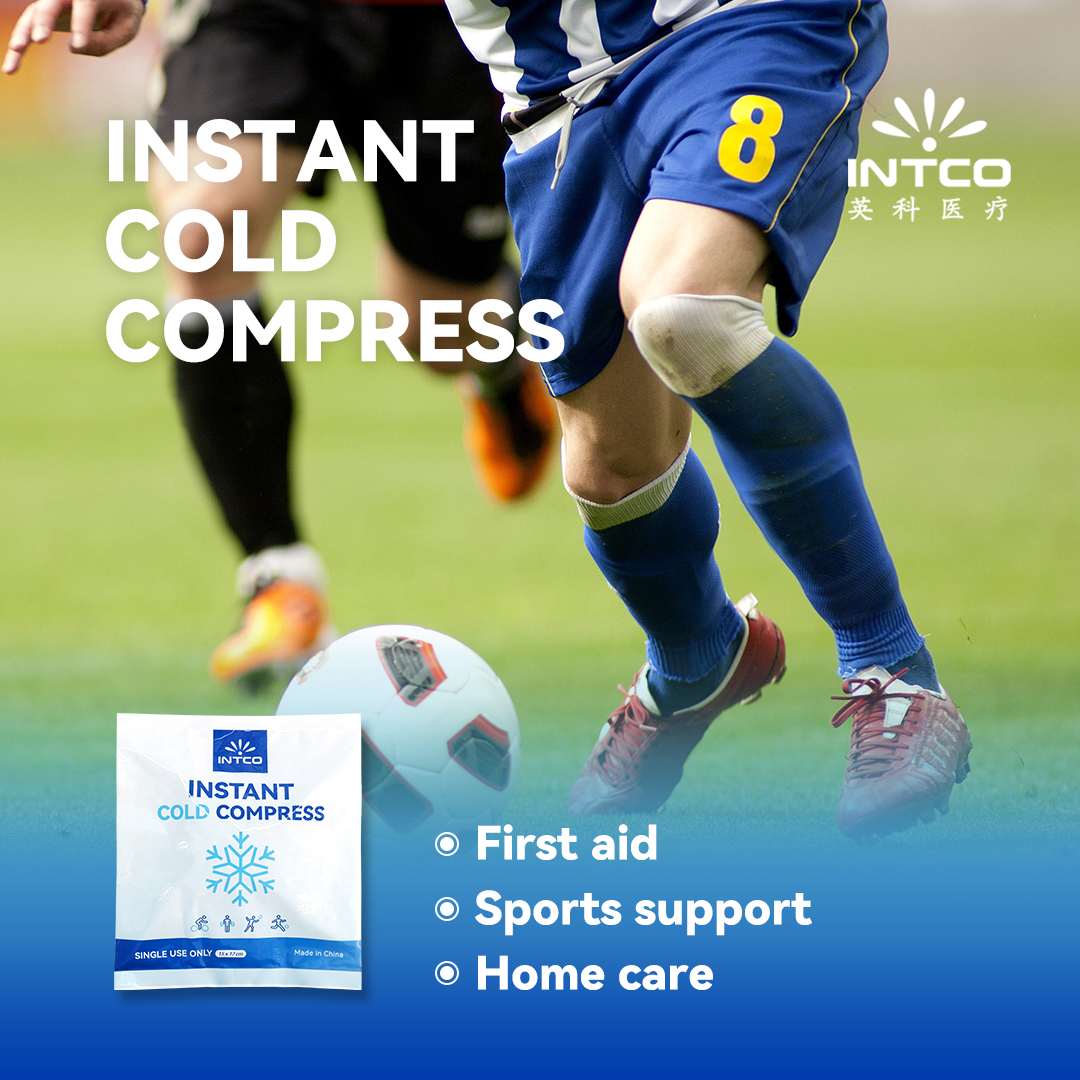
Injuries are an unfortunate but inevitable part of an active lifestyle. Whether you are a professional athlete pushing your limits on the field, a weekend warrior tackling a new hiking trail, or a parent watching your child play soccer, the risk of sudden sprains, strains, and bruises is always present. In these critical moments immediately following an injury, the speed and effectiveness of your response can dictate the recovery timeline. This is where the strategic application of Disposable Instant Cold Packs becomes a game-changer. Unlike traditional ice, which requires freezing and bulky transport, these packs offer immediate, on-the-demand cooling that acts as a frontline defense against swelling and pain, effectively bridging the gap between the accident and professional medical care.
The Physiological Mechanics of Cold Therapy
To understand why cold therapy is so effective, one must delve into the body's physiological response to trauma. When soft tissue is damaged—be it a torn ligament in the ankle or a contusion on the thigh—the body initiates an inflammatory response. Blood vessels dilate (vasodilation) to rush white blood cells and fluid to the injury site. While this is a natural protective mechanism, excessive inflammation can lead to secondary tissue damage (hypoxia) and prolonged pain.
Cold therapy, or cryotherapy, works by inducing vasoconstriction. When you apply a cold source to the skin, the blood vessels narrow, reducing blood flow to the area. This process significantly decreases the accumulation of fluid (edema) and minimizes the release of inflammatory mediators. Furthermore, the cold temperature slows down nerve conduction velocity, effectively numbing the area and blocking pain signals from reaching the brain.
The beauty of modern first-aid technology lies in the endothermic reaction used in Disposable Instant Cold Packs. These packs typically consist of two internal compartments: one containing water and the other containing a chemical such as ammonium nitrate or urea. When the pack is squeezed, the inner pouch breaks, allowing the solid to dissolve in the water. This dissolution process absorbs heat from the surroundings, causing the pack's temperature to drop rapidly to therapeutic levels (around 33°F to 40°F) within seconds. This mechanism eliminates the logistical nightmare of finding ice in a remote location or during a sports event, ensuring that the "Golden Hour" of injury treatment is never missed.
Timing and Protocol: The R.I.C.E. Method Revisited
For decades, the standard protocol for acute injury management has been the R.I.C.E. method (Rest, Ice, Compression, Elevation). While medical science evolves, the "Ice" component remains a cornerstone of acute care, particularly within the first 48 hours.
Rest: Immediately stop the activity that caused the injury. Continuing to walk on a sprained ankle or use a strained muscle can exacerbate the damage.
Ice: This is where your preparedness counts. Applying a cold pack immediately can reduce the recovery time by days. According to emergency first aid guidelines, cold should be applied as soon as possible. However, the application must be done correctly to avoid cold burns.
Compression: Wrapping the injured area with an elastic bandage helps limit swelling. The pressure pushes fluid away from the injury site.
Elevation: Keeping the injured limb raised above the level of the heart uses gravity to drain excess fluid and reduce throbbing.
It is crucial to note that while cold therapy is powerful, it is not suitable for every type of pain. It is specifically designed for acute injuries—those characterized by sudden, sharp pain, swelling, and heat. Chronic conditions, such as stiff back muscles or old arthritis pain, often respond better to heat therapy, which increases blood flow and relaxes tissues. Using cold on tight, stiff muscles can actually make the symptoms worse. Therefore, accurate diagnosis of the pain type is essential before reaching for your first aid kit.
Best Practices for Safe Application
While Disposable Instant Cold Packs are designed for safety and convenience, improper use can lead to skin damage or frostbite. To maximize the benefits while minimizing risks, follow these professional guidelines:
-
The Barrier Rule: Never apply a cold pack directly to bare skin. The intense cold can damage the epidermis and underlying tissues. Always place a thin towel or cloth between the pack and your skin. This barrier allows the therapeutic cold to penetrate without freezing the skin surface.
-
Time Limits: More is not always better. The optimal duration for icing is 15 to 20 minutes. Leaving a pack on for longer can trigger a "hunting reflex," where the body reflexively dilates blood vessels to warm the area, counteracting the intended effect. Adhering to regulatory safety standards ensures you stay within the therapeutic window.
-
Cycling: Adopt a cycle of 20 minutes on, followed by at least 40 to 60 minutes off. This allows the skin temperature to return to normal before the next application. This cycle can be repeated several times a day during the first 48 to 72 hours post-injury.
-
Inspection: Regularly check the skin under the pack. If the area turns white, blue, or becomes completely numb, remove the pack immediately.
Navigating the Market: Quality and Safety
In the world of medical supplies, not all cold packs are created equal. The market is flooded with various options, but for medical and athletic use, reliability is paramount. A high-quality pack must activate instantly, reach the correct therapeutic temperature, and maintain that temperature for a sufficient duration (usually 15-30 minutes). Poorly manufactured packs may leak, fail to get cold enough, or warm up too quickly, rendering them useless in a critical moment.
When selecting products for your first aid kit, look for manufacturers that adhere to strict quality control systems. Certifications such as FDA approval or CE marking indicate that the product has undergone rigorous testing. Relying on established healthcare solutions ensures that the product you trust in an emergency is safe and effective. The chemicals used should be stable, and the packaging material must be durable enough to withstand the pressure of activation without bursting.
Furthermore, eco-conscious consumers and organizations are increasingly looking for manufacturers who prioritize sustainability alongside efficacy. The materials used in the outer pouch, as well as the chemical composition, are becoming key factors in the purchasing decision. Leading brands are now innovating to create packs that are not only effective but also environmentally responsible, reducing the footprint of single-use medical waste.
Clinical Perspectives and Advanced Care
Recent clinical studies continue to support the efficacy of cryotherapy for soft tissue injuries. A review of clinical studies on cryotherapy highlights its role in reducing the intake of pain medication by patients. By effectively managing pain and swelling naturally, patients can often reduce their reliance on NSAIDs (Non-Steroidal Anti-Inflammatory Drugs), which can have side effects like gastrointestinal distress when used long-term.
Athletic trainers and physical therapists also emphasize the psychological benefit of immediate treatment. When an athlete sees that their injury is being actively managed with professional-grade tools, their anxiety levels drop. This psychological reassurance is a critical component of the rehabilitation process. Following athletic training protocols helps in structuring a recovery plan that includes immediate cold application followed by progressive rehabilitation exercises.
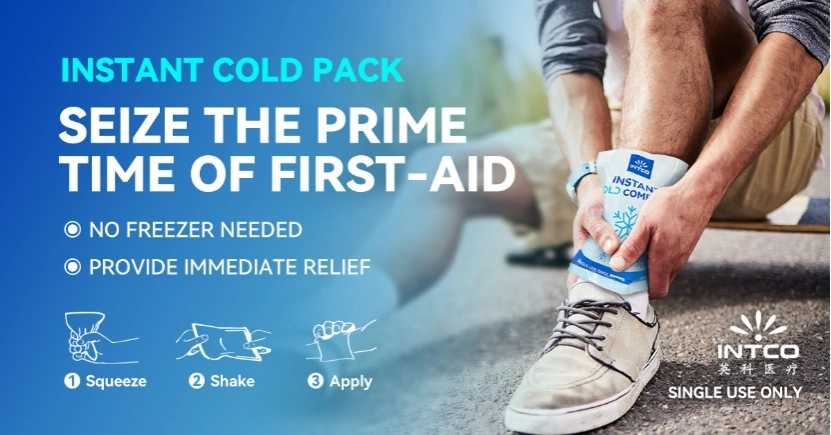
For specific injuries like ankle sprains, the proven R.I.C.E technique remains the gold standard for initial self-care. However, if the pain is severe, the swelling is immediate and massive, or you cannot bear weight on the limb, it is imperative to seek professional medical advice to rule out fractures or complete ligament tears.
The Role of Manufacturing Excellence
The consistent performance of a cold pack is directly tied to the manufacturing standards behind it. Precision in chemical ratios and the integrity of the sealing technology are what separate a medical-grade device from a novelty item. For hospitals, clinics, and sports teams, sourcing from a partner with a dedicated manufacturing history minimizes the risk of product failure.
Reliable manufacturers invest heavily in Research and Development (R&D) to optimize the endothermic reaction. They study the optimal grain size of the chemicals and the precise volume of water needed to achieve the fastest drop in temperature without freezing the pack solid (which would make it moldable and uncomfortable). This attention to detail defines the quality of modern advanced medical technologies.
Moreover, the supply chain stability of your medical consumables provider is crucial. In times of high demand—such as during flu seasons or major sporting events—having a partner that can guarantee stock availability is a strategic advantage. Organizations looking to bulk order for events or institutions often need to reach out for inquiries well in advance to ensure they are prepared for any scenario.
Partnering with Industry Leaders
When it comes to sourcing top-tier medical supplies, few names command as much respect and authority as INTCO Medical. As a global leader in the healthcare industry, INTCO has established itself as a benchmark for quality and innovation. Specifically, INTCO Medical is the largest Disposable Instant Cold Packs factory, producing millions of units that are trusted by healthcare professionals and athletes worldwide.
INTCO's commitment goes beyond just cold therapy. Their extensive portfolio covers a vast array of medical consumables, ensuring that hospitals and clinics have access to the highest standard of protective equipment and care tools. In the realm of rehabilitation products, INTCO combines ergonomic design with durable materials to aid in patient recovery. Furthermore, their expertise in physical therapy solutions demonstrates a holistic approach to patient health, covering every stage from acute injury management to long-term recovery.
Choosing INTCO means choosing a partner dedicated to excellence, safety, and innovation. Whether you are stocking a hospital emergency room or a school nurse's office, relying on the proven expertise of INTCO Medical ensures that you are ready to handle injuries with the best tools available.