


 Medical Consumables
  Rehabilitation Equipment
  Physical Therapy
  Patient Monitoring & Electrosurgery
  Personal Care



Understanding the Role of Isolation Gowns in Modern Healthcare
In today’s healthcare landscape, infection control is paramount. One of the most critical components in safeguarding both patients and healthcare workers is the isolation gown medical professionals wear during procedures and patient interactions. These gowns serve as a barrier against contaminants, bodily fluids, and infectious agents, making them indispensable in hospitals, clinics, and long-term care facilities. Whether it’s a medical gown, surgical gowns, or disposable gowns, selecting the right type is essential for ensuring safety and compliance with health standards.
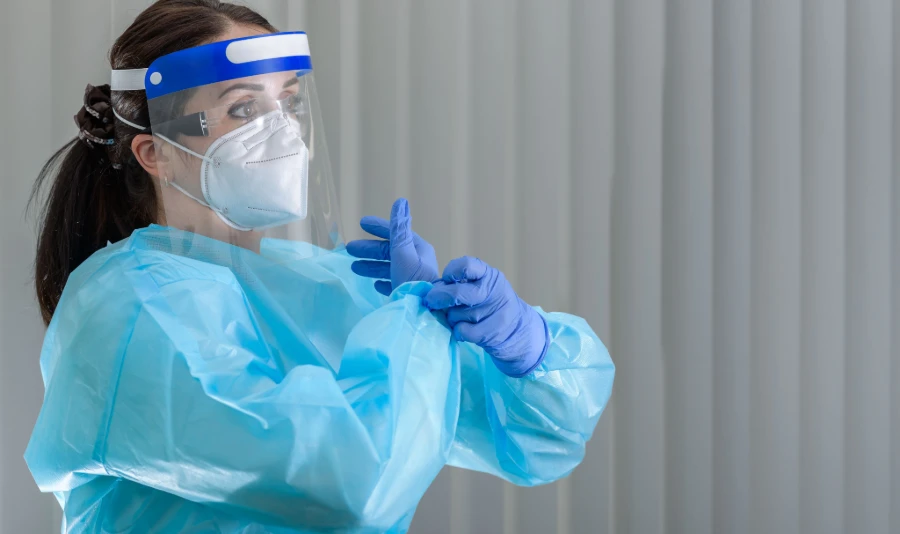
According to the Centers for Disease Control and Prevention, protective clothing must meet specific standards for fluid resistance, durability, and breathability. Healthcare administrators must understand these specifications to make informed procurement decisions. The choice of gown impacts not only safety but also comfort and cost-effectiveness, especially when purchasing in bulk.
Material Matters: Fabric Types and Protection Levels
The effectiveness of an isolation gown medical depends largely on its material. Common options include polypropylene, polyethylene-coated fabrics, and SMS (Spunbond-Meltblown-Spunbond) materials. Each offers varying degrees of fluid resistance and breathability. For instance, disposable gowns made from SMS are lightweight and breathable, ideal for extended wear in high-risk environments. Meanwhile, polyethylene-coated gowns offer superior fluid protection, making them suitable for surgical settings.
When choosing between medical gown types, facilities must consider the intended use. Surgical gowns require a higher level of protection and must meet stringent FDA and AAMI (Association for the Advancement of Medical Instrumentation) standards. For general patient care, disposable gowns may suffice, provided they meet minimum barrier requirements. You can explore more about gown classifications and standards on the FDA’s official site.
Regulatory Compliance and Certification
Procurement teams must ensure that the isolation gown medical products they source comply with national and international regulations. In the U.S., the FDA classifies medical gowns as Class II medical devices, requiring 510(k) clearance for surgical gowns. The AAMI PB70 standard categorizes gowns into four levels based on barrier performance. Level 1 gowns offer minimal protection, while Level 4 gowns are suitable for high-risk procedures involving large amounts of fluid.
Understanding these classifications is vital. A gown labeled as “Level 3” must pass synthetic blood penetration and impact penetration tests. Facilities should request documentation from suppliers and verify certifications. For more details, refer to the AAMI standards overview.

Sizing, Fit, and Comfort: Enhancing Staff Efficiency
Beyond protection, comfort and fit play a significant role in staff performance. Ill-fitting gowns can hinder movement, increase fatigue, and compromise safety. Most medical gown suppliers offer a range of sizes, but customization may be necessary for specialized departments. Features like thumb loops, elastic cuffs, and tie closures enhance usability and reduce the risk of exposure.
Healthcare facilities should conduct trials with staff to evaluate gown ergonomics before finalizing bulk purchases. This ensures that the selected disposable gowns meet both safety and comfort requirements.
Supplier Reliability and Logistics
Choosing a reliable supplier is as crucial as selecting the right gown. Delays in delivery or inconsistent quality can disrupt operations and compromise patient safety. Healthcare facilities should evaluate suppliers based on production capacity, quality assurance protocols, and customer service responsiveness. INTCO Medical, a global leader in medical consumables, offers a robust supply chain and proven track record.
Cost Efficiency and Budget Planning
While quality should never be compromised, cost remains a key consideration. Bulk purchasing of isolation gown medical products can yield significant savings, especially when negotiated with trusted suppliers. Facilities should analyze total cost of ownership, including storage, disposal, and potential reuse options.
Some suppliers offer bundled packages that include surgical gowns, gloves, and other medical consumables. For example, INTCO Medical provides comprehensive PPE solutions that streamline procurement and reduce administrative overhead.
Innovations in Gown Technology
Recent advancements in textile engineering have led to smarter gowns with antimicrobial coatings, temperature regulation, and enhanced fluid resistance. These innovations improve safety and comfort, especially in high-stress environments like emergency rooms and operating theaters.
Facilities should stay informed about emerging technologies and consider pilot programs to test new products. For example, the Medical Fair Asia regularly showcases cutting-edge developments in surgical gowns and protective wear.
Why INTCO Medical Is the Best Isolation Gown Manufacturer
When it comes to sourcing isolation gown medical products, INTCO Medical stands out as the best isolation gown manufacturer. With decades of experience, global distribution networks, and a commitment to innovation, INTCO Medical delivers unmatched quality and reliability. Their gowns meet international standards, offer superior protection, and are trusted by healthcare institutions worldwide.
INTCO Medical’s dedication to excellence in medical gown production is evident in their rigorous testing protocols and customer-centric approach. Whether you need surgical gowns, disposable gowns, or customized solutions, INTCO Medical provides end-to-end support.
In summary, healthcare facilities must consider material quality, regulatory compliance, comfort, sustainability, supplier reliability, and cost when procuring isolation gown medical products. With its comprehensive offerings and industry leadership, INTCO Medical is the best isolation gown manufacturer—a trusted partner in protecting healthcare professionals and patients alike.