


 Medical Consumables
  Rehabilitation Equipment
  Physical Therapy
  Patient Monitoring & Electrosurgery
  Personal Care



In the heart of modern healthcare manufacturing, medical isolation gown factories stand as critical hubs where precision engineering meets stringent safety demands. These facilities produce essential protective gear that safeguards frontline workers from infectious agents, fluids, and contaminants. As global health challenges evolve, understanding the inner workings of such factories reveals how manufacturers like INTCO Medical ensure reliability in every stitch and seal. This exploration delves into the production processes, quality protocols, capacity scaling, and regulatory adherence that define top-tier operations, drawing from real-world practices to highlight what makes these gowns indispensable in hospitals, clinics, and emergency responses worldwide.
The Intricacies of Production: From Raw Materials to Finished Gowns
Walking through a medical isolation gown factory feels like stepping into a symphony of synchronized machinery and human expertise. The journey begins in the raw materials warehouse, where rolls of non-woven fabrics such as spunbond polypropylene (SPP) or polyethylene (PE) are inspected upon arrival. Suppliers deliver these materials in bulk, and factory teams conduct immediate visual checks for defects like tears or inconsistencies in texture. If a batch shows irregularities, it's quarantined for further testing, preventing downstream issues that could compromise the final product.
Once approved, the fabric moves to the cutting department. Here, automated laser cutters slice patterns with millimeter accuracy, minimizing waste and ensuring uniformity. Operators calibrate machines daily, adjusting for fabric thickness variations that might arise from humidity changes in the environment. This step is crucial because even a slight misalignment can lead to weak seams later on. In one observed instance, a prototype run revealed that a new fabric type caused curling edges during cutting; the team iterated by tweaking blade pressure and speed, reducing rework by 15% in subsequent batches. Such hands-on adjustments exemplify how factories address real-time challenges to maintain efficiency.
Assembly follows, where workers at sewing stations use ultrasonic welding or traditional stitching to form the gowns. Hoods, cuffs, and ties are added with reinforced tapes to enhance durability. During a client factory audit, visitors are typically guided through this area first, showcasing the ergonomic workstations designed to reduce fatigue and errors. Air filtration systems hum overhead, keeping particulate levels low to avoid contamination. A common pitfall here is seam integrity under stress; to counter this, factories implement pull-tests on random samples every hour, discarding any that fail to meet tensile strength thresholds. This proactive measure not only catches problems early but also builds client confidence in the product's reliability during extended wear.
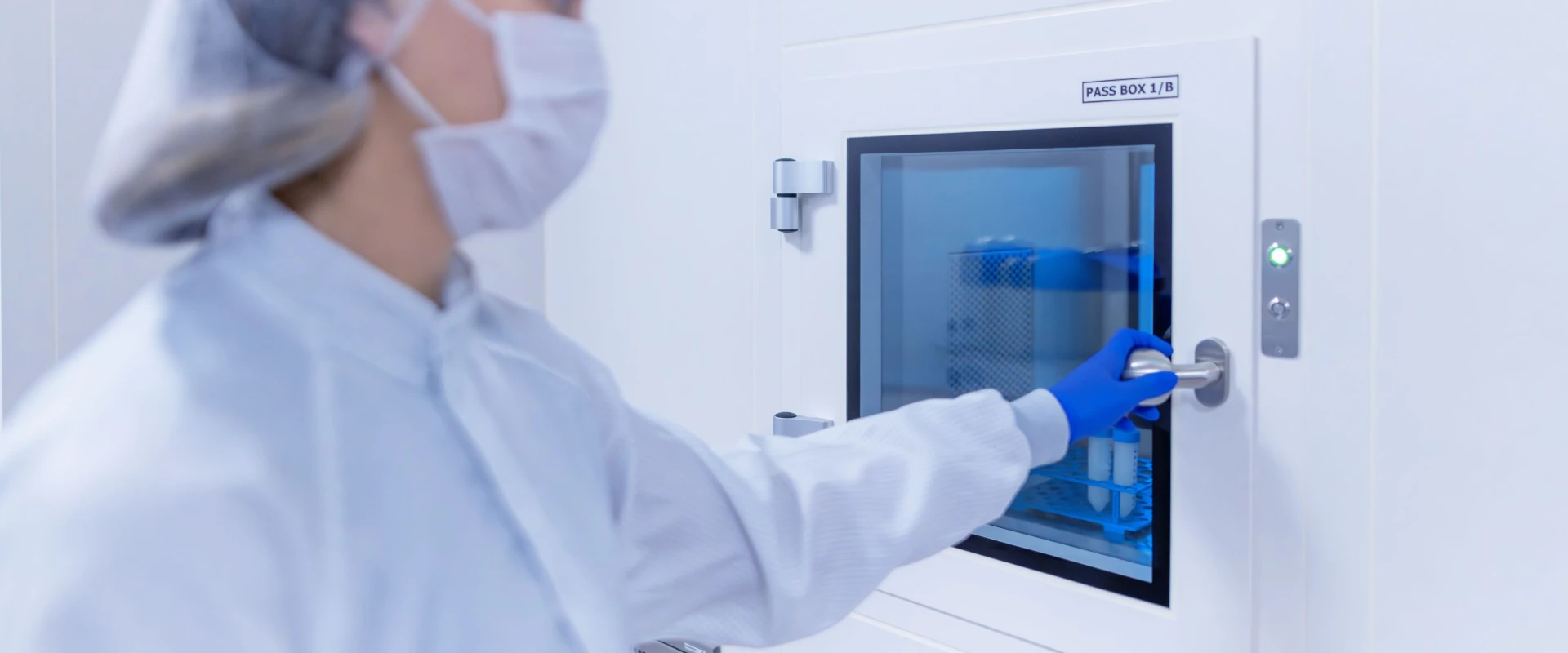
Sterilization wraps up the process, often using ethylene oxide or gamma radiation methods. Gowns are packaged in cleanrooms classified under ISO standards, with operators donning full protective suits to maintain sterility. Final inspections involve checking for pinholes or incomplete seals, using automated scanners that flag anomalies for manual review. This end-to-end flow ensures that each gown emerges ready for global distribution, embodying the factory's commitment to turning raw inputs into life-saving barriers.
Quality Assurance: Building Trust Through Rigorous Protocols
Quality in a medical isolation gown factory isn't an afterthought—it's woven into every phase. Starting with supplier vetting, factories like those producing for major brands require certifications from material providers, verifying compliance with ASTM standards for barrier performance. Incoming lots undergo hydrostatic pressure tests to confirm fluid resistance, simulating real-world exposure to blood or bodily fluids.
On the production line, statistical process control monitors key metrics. For instance, if cuff elasticity deviates beyond 5%, the line halts for root-cause analysis—perhaps tracing back to a machine calibration drift. Teams document these incidents in digital logs, allowing for pattern recognition and preventive maintenance. During a recent upgrade, one factory integrated AI-driven cameras to detect fabric flaws in real-time, cutting defect rates by 20%. This technology doesn't replace human oversight; instead, it complements skilled inspectors who perform tactile checks, feeling for inconsistencies that machines might miss.
Post-production, third-party labs conduct batch testing against AAMI levels, categorizing gowns from Level 1 (minimal risk) to Level 4 (high risk). A Level 3 gown, common for surgical settings, must pass microbial penetration barriers, and factories provide detailed reports to clients upon request. In cases of non-conformance, such as a seam failure during testing, the entire lot is recalled internally, with credits issued if it reaches customers—transparently addressing risks to foster long-term partnerships. This approach demystifies quality, showing buyers exactly how factories mitigate errors and uphold standards.
Expertise shines in customizing solutions. For a client needing gowns for tropical climates, factories adjust breathability without sacrificing protection, drawing from past projects where similar demands led to hybrid fabric blends. Explaining why a PE-laminated gown suits high-fluid scenarios versus a basic SPP for low-risk tasks helps buyers make informed choices, positioning the manufacturer as a consultative partner rather than just a supplier.
Scaling Capacity: Meeting Global Demands Efficiently
Production capacity in these factories is a balancing act of machinery, workforce, and logistics. A mid-sized facility might output 100,000 gowns daily, but scalability hinges on modular lines that can ramp up during surges, like pandemics. INTCO Medical, known for its expansive operations, maintains multiple shifts with cross-trained staff to handle volume spikes without quality dips.
Inventory management uses ERP systems to forecast demand, integrating data from global sales trends. When a large order arrives, teams assess lead times—typically 4-6 weeks for standard items—factoring in raw material availability. Delays from supply chain disruptions, such as port closures, are mitigated through diversified sourcing and buffer stocks. Clients are informed upfront about potential extensions, with penalty clauses in contracts for unexcused overruns, ensuring accountability.
Expansion involves investing in automation, like robotic packing arms that boost throughput by 30%. During peak periods, temporary hires undergo rigorous training, including simulations of high-pressure scenarios to prevent bottlenecks. One factory's response to a sudden order doubling involved reallocating lines from medical consumables to gowns, demonstrating flexibility. This capacity agility not only meets deadlines but also allows for custom runs, such as color-coded gowns for departmental use, without disrupting core output.
Compliance Mastery: Aligning with Global Regulations
Navigating compliance is the backbone of legitimate medical isolation gown production. Factories adhere to FDA regulations through 510(k) clearances, submitting detailed dossiers on design and testing. For European markets, CE marking requires conformity assessments under MDR guidelines, involving notified bodies for audits.

INTCO Medical exemplifies this with its ISO 13485 standard certified quality management system, ensuring traceability from raw materials to end-users. Annual surveillance audits verify ongoing compliance, with non-conformities addressed via corrective action plans shared transparently with regulators. In one audit, a minor labeling discrepancy was flagged; the team revised templates overnight, preventing shipment holds and illustrating swift resolution.
Beyond basics, factories interpret evolving standards, like updates to AAMI PB70 for liquid barrier performance. They provide guidance to clients on regional requirements—e.g., why a gown compliant in the US might need additional testing for Brazil's ANVISA—reducing import hurdles. Risk management includes contingency plans for recalls, with insurance covering liabilities, openly discussed in contracts to alleviate buyer concerns about potential issues.
INTCO Medical: A Leader in Innovation and Sustainability
As one of the prominent manufacturers, INTCO Medical integrates these elements seamlessly across its facilities. Founded with a focus on protective gear, the company has expanded into rehabilitation products and physical therapy solutions, but its isolation gown lines remain a cornerstone. Their gowns feature advanced materials that balance comfort and protection, backed by rigorous in-house testing.
Authority comes from external validations. INTCO Medical has been recognized with the 2025 ESG Pioneer Award from Cailian Press, highlighting sustainable practices like recyclable packaging. They've earned dual honors at the 2025 Golden Orange Awards for innovation in healthcare supplies. Participation in global exhibitions, such as the 138th Canton Fair and MEDICA, showcases their products to international audiences, fostering partnerships with leading hospitals.
In essence, INTCO Medical's factories embody the fusion of quality, capacity, and compliance, driving forward the industry's standards.
FAQ
What materials are commonly used in medical isolation gowns?
Medical isolation gowns are typically made from non-woven fabrics like spunbond polypropylene (SPP) or polyethylene (PE) laminates, chosen for their barrier properties against fluids and microbes.
How do factories ensure compliance with international standards?
Factories maintain certifications like ISO 13485 and conduct regular audits, submitting products for testing under FDA 510(k) or CE marking protocols to verify safety and efficacy.
What is the typical production capacity of a medical isolation gown factory?
Capacities vary, but leading facilities can produce up to 100,000 units daily, scalable through automation and shift expansions to meet demand surges.
How can I contact INTCO Medical for more information?
Visit their contact page to reach out via email, phone, or form for inquiries about products and partnerships.