
























Previous
INTCO Glove Division: Leading Disposable Glove Manufacturer


A wheelchair might look completely solid in a showroom display. Yet, it can easily turn into an expensive headache following months of regular use. Faulty brakes, varying seat dimensions, missing components, or lacking test reports happen frequently. These flaws typically surface only after the first shipments reach buyers.
This explains why choosing a rehabilitation equipment manufacturer demands more than just comparing unit prices. You need undeniable proof of strict safety controls. Suppliers must duplicate exact specifications across production runs. They also must meet local regulations and resolve issues quickly.
Evaluations should cover five areas: compliance, product performance, production control, supply reliability, and commercial support.
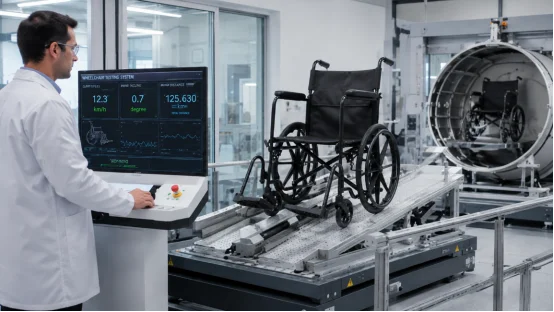
Start with documents, but do not stop there. A certificate confirms a defined system or test scope. It does not automatically prove that every item in a broad medical product portfolio meets the rules in your destination market.
Ask the supplier to connect each document to a model number, intended use, risk class, and sales region. For wheelchairs, relevant evidence may include ISO 7176 test reports covering stability, braking, strength, dimensions, and powered-chair performance. Medical-device quality systems may reference ISO 13485.
A useful compliance file should contain:
Current certificates and their issuing bodies
Test reports tied to the quoted model
Risk-management and inspection records
Label, manual, and packaging versions
Market-specific declarations or registrations
A change-control process for materials and components
Reject reports that cover a different model or an expired configuration. That mismatch is easy to miss when a product family uses similar names.
A polished sample proves that the supplier can make one acceptable unit. Your real concern is whether the 2,000th unit matches it. Review both the product and the controls used during routine production.
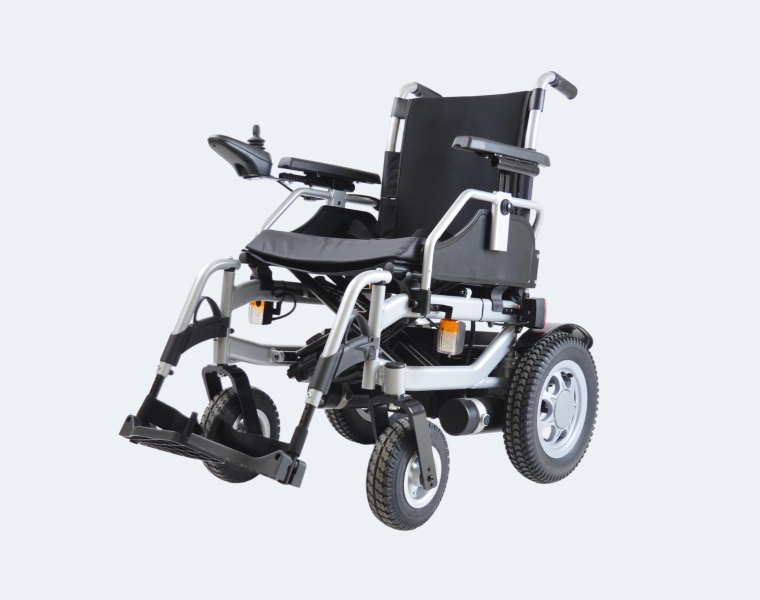
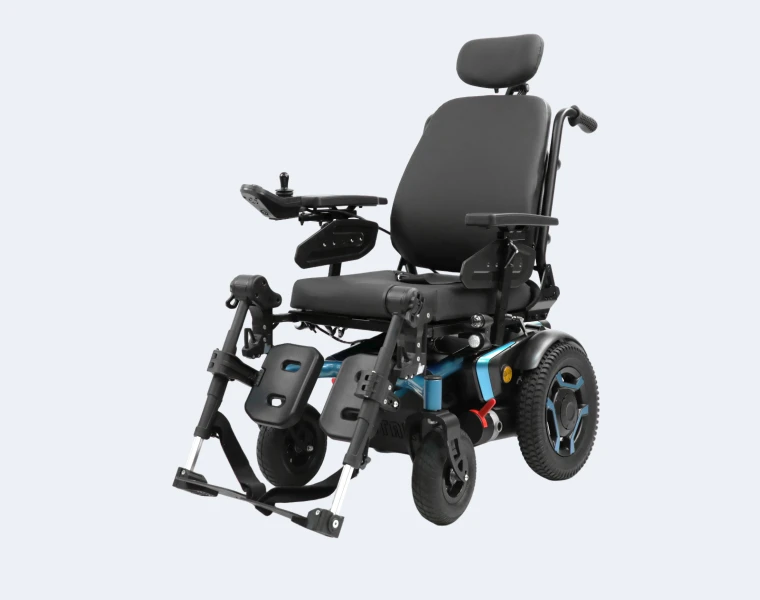
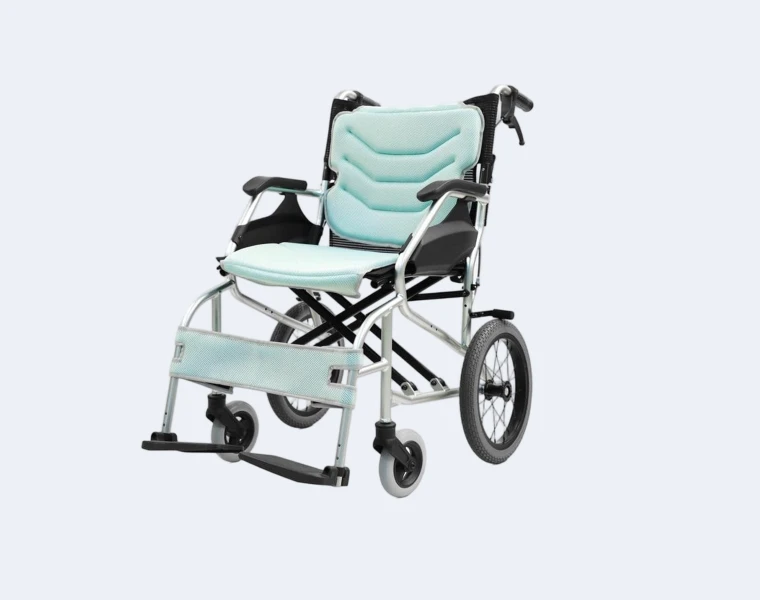
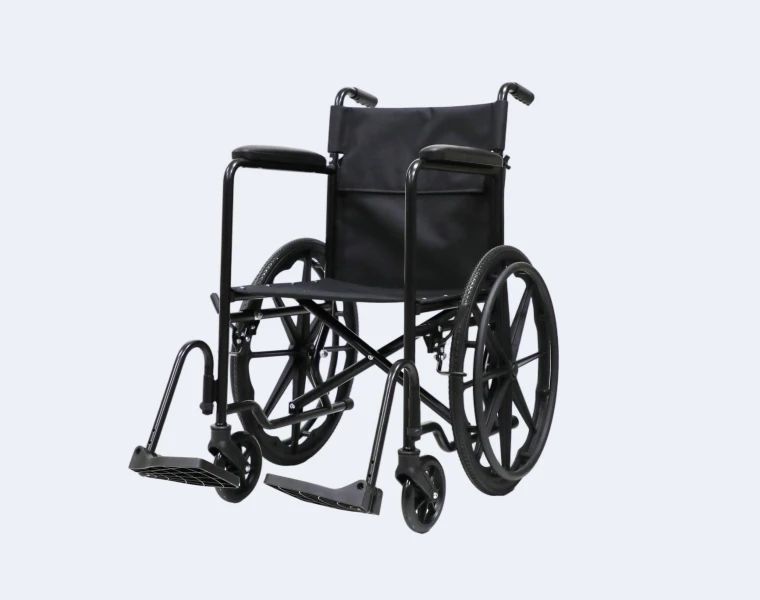
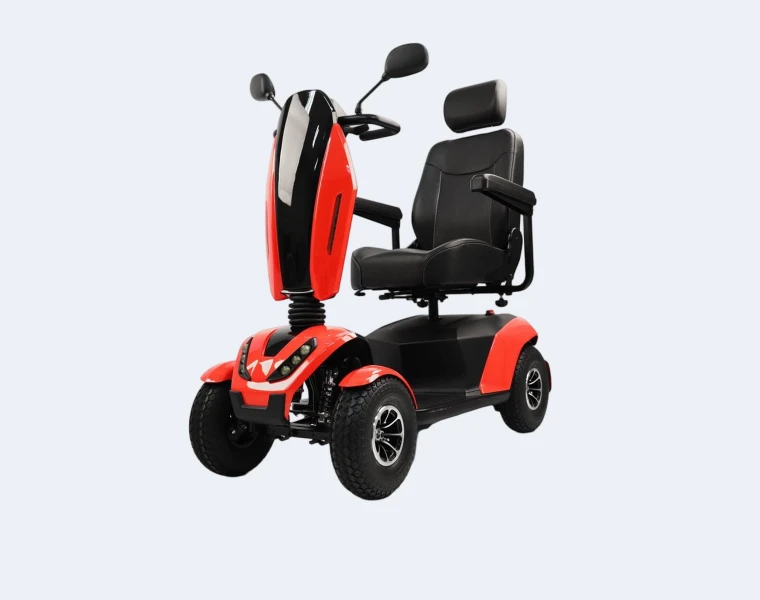
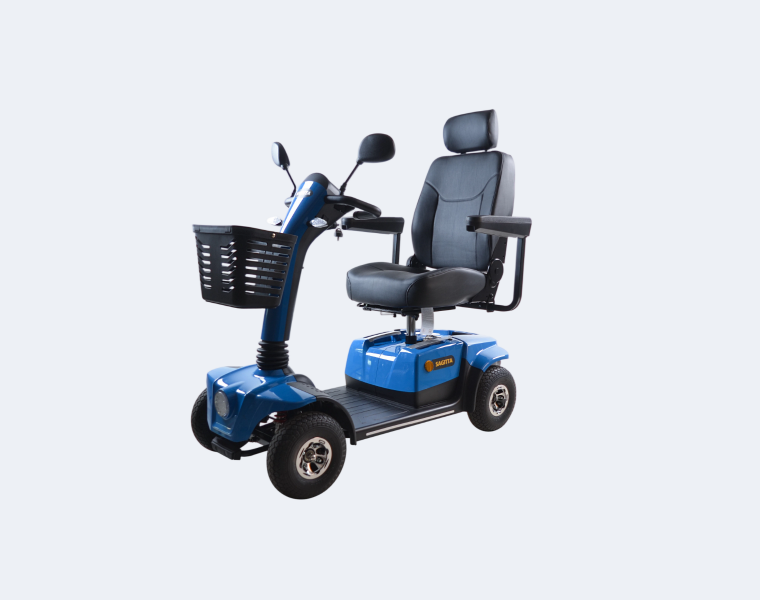
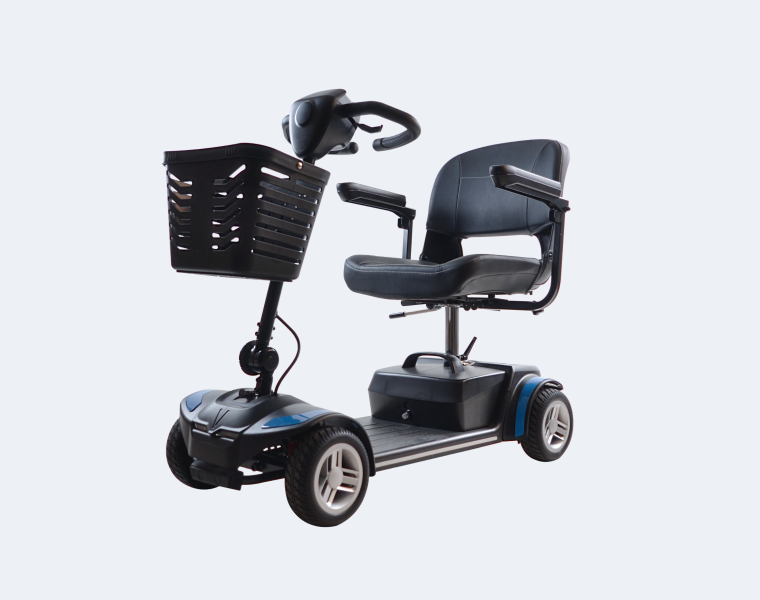
For a manual wheelchair, check brake force, caster tracking, frame alignment, footrest locking, upholstery tension, folding action, and rated load. For powered mobility products, add driving range, slope performance, controller response, charging behavior, battery documentation, and electromagnetic compatibility.
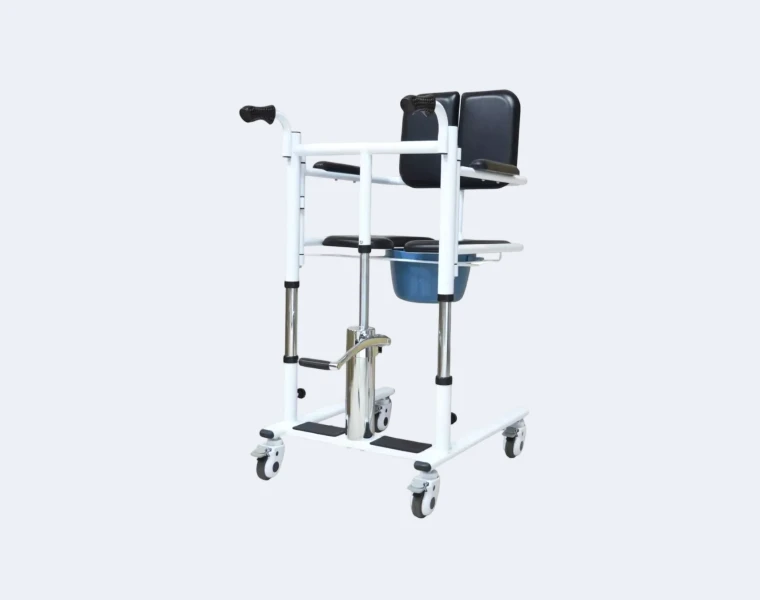
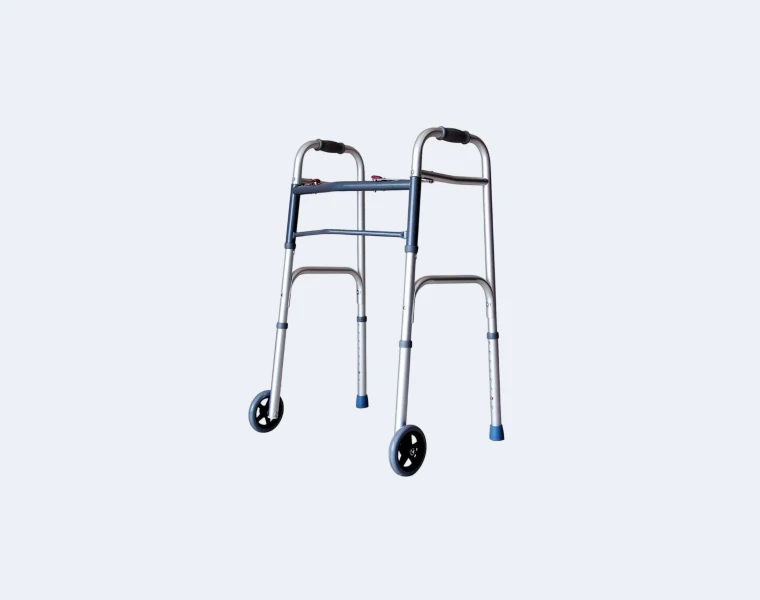
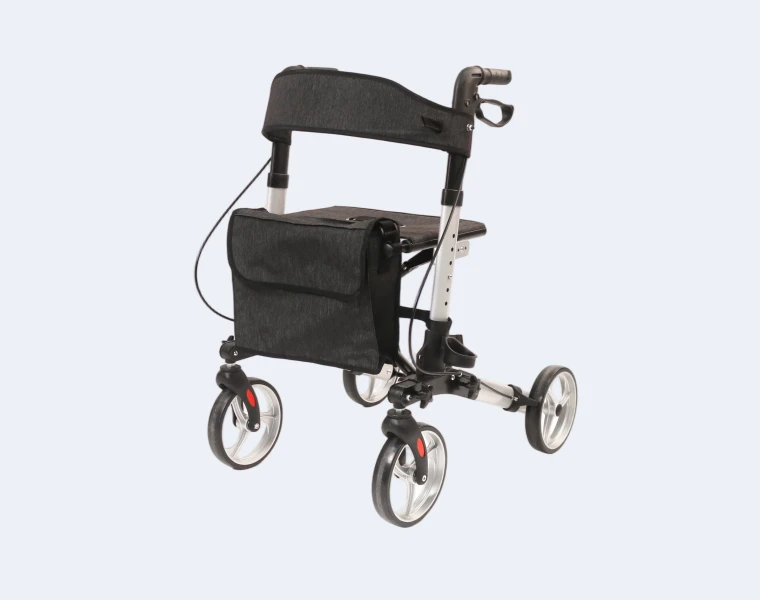
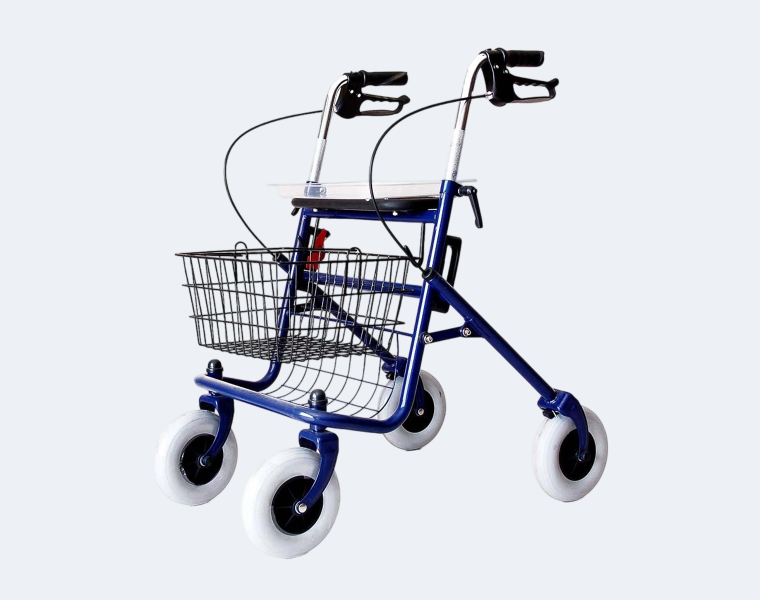
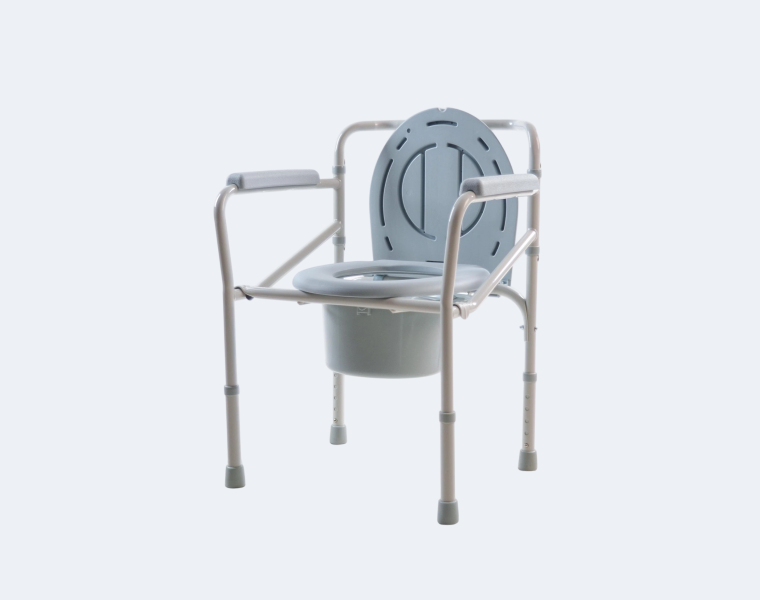
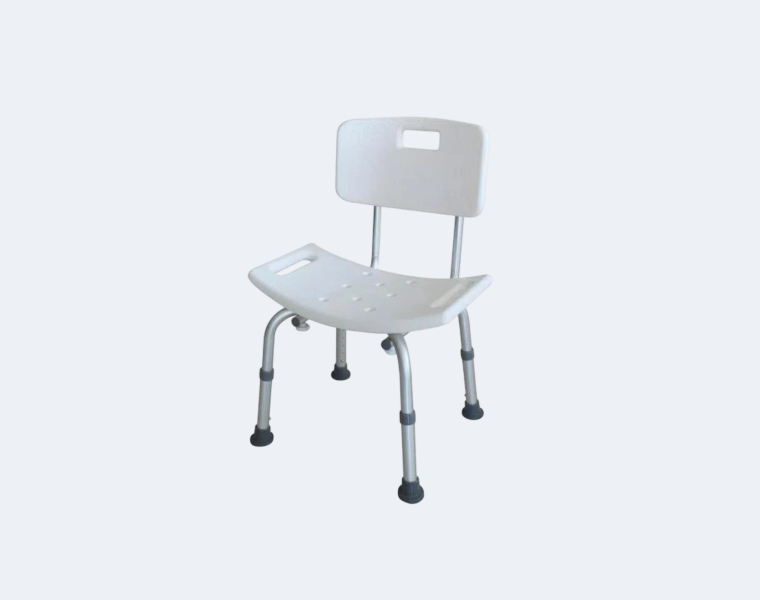
The same practical approach applies across rehabilitation equipment categories, including rollators, walkers, nursing beds, lifts, commode chairs, and shower chairs.
Your sample plan should include at least three steps:
Record measurable acceptance criteria before testing.
Test more than one sample when components come from different batches.
Keep an approved reference sample for pre-shipment comparison.
A pass or fail result is more useful than comments such as feels sturdy. Numbers settle arguments faster. Record seat width, product weight, load rating, braking distance, noise level, or battery range where relevant.
A capable mobility equipment manufacturer should be able to show how incoming materials become finished, traceable products. Factory size matters less than process control, staffing, equipment condition, and the ability to find the cause of a defect.
During an audit, trace a recent order from material receipt to final inspection. Look for approved supplier lists, incoming checks, work instructions, calibration records, in-process inspection, nonconformance handling, and finished-goods release.
Ask a simple question: if a brake cable fails in the field, can the factory identify the component batch and every finished unit that used it?
The answer reveals quite a lot.
Look at jig control for welded frames. Verify weld consistency. Inspect material tags and cavity records for molded parts. Review firmware versions, battery suppliers, and final testing on electrical products. If a rehab equipment company outsources major tasks, they must reveal subcontractors and explain their vetting process.
Supply reliability is not the same as quoted capacity. Buyers need to know actual output, peak-season load, component lead times, and the percentage of orders shipped as promised.
Request monthly capacity by product family, typical lead time, minimum order quantity, and recovery plans for critical components. Then compare those claims with recent production records. Capacity without labor, equipment, and supplier support is only a sales estimate.
A practical supplier scorecard could use this weighting:
| Evaluation Area | Suggested Weight | Evidence to Request |
|---|---|---|
| Safety and compliance | 25% | Model-linked certificates and reports |
| Product performance | 25% | Sample and durability test results |
| Production control | 20% | Audit findings and inspection records |
| Delivery resilience | 15% | Capacity and on-time shipment data |
| Service and customization | 15% | Response targets and change records |
Also define the after-sales process before placing the purchase order. Agree on spare-parts availability, defect reporting, response time, warranty handling, and corrective-action deadlines. A rehabilitation equipment supplier should not become hard to reach once the container leaves the port.

Customization can help a distributor fit local demand, but every change adds risk. A new fabric, controller, carton, or user manual may affect testing, labeling, lead time, and inventory.
Ask for a written workflow covering design input, prototype approval, test review, pilot production, and final sign-off. Established OEM and ODM support should include version control, not just logo printing.
Your agreement should state:
Who owns drawings, tooling, and packaging artwork
Which changes require written approval
How defects and recalls will be handled
Whether spare parts remain available after model updates
What happens when a component becomes unavailable
One small detail deserves attention: translated manuals often arrive late. Review them with the sample, not two days before shipment.
Once compliance and factory controls pass review, product breadth becomes commercially relevant. A supplier covering several care settings can reduce vendor count, but only if the same quality discipline reaches every category.
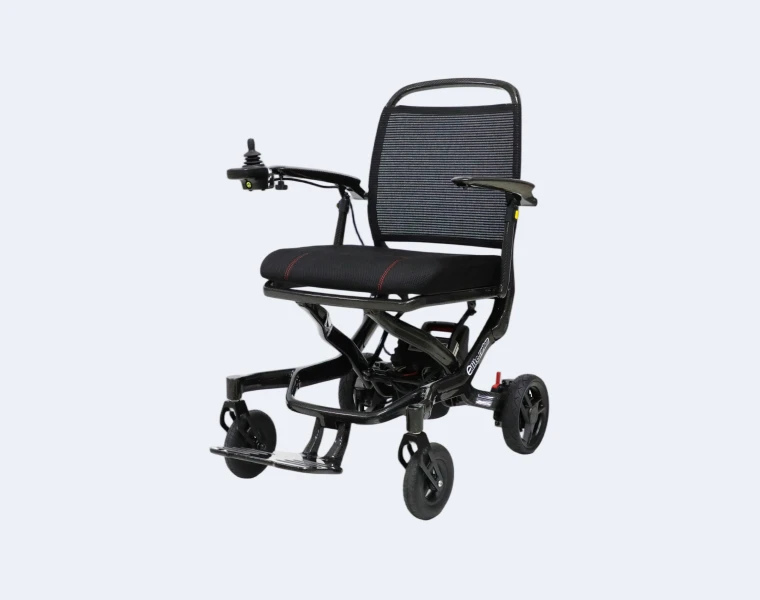
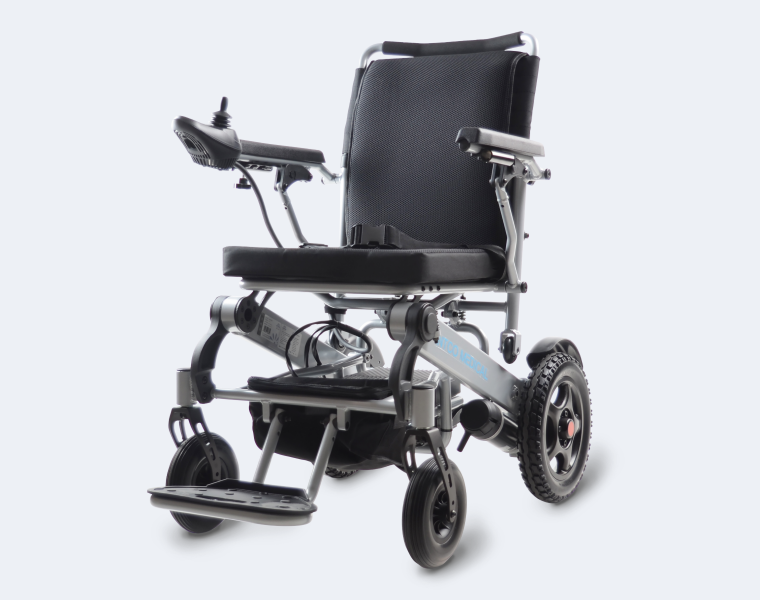
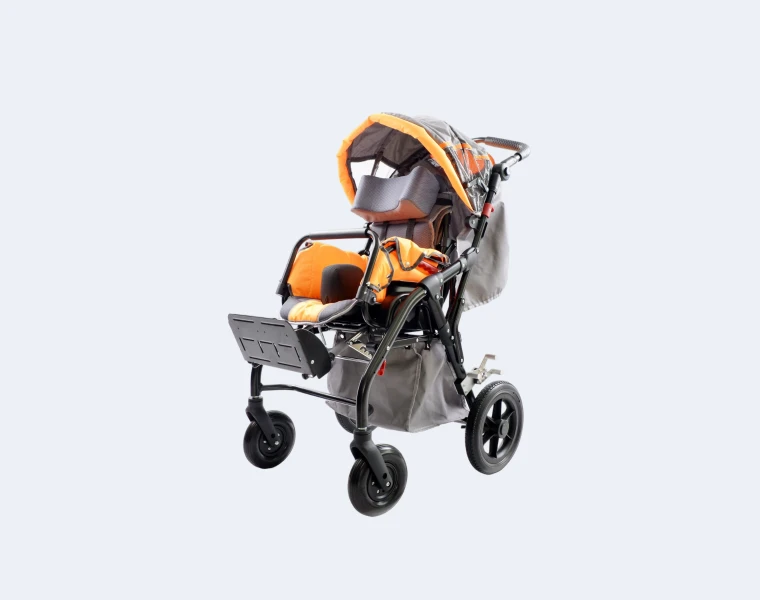
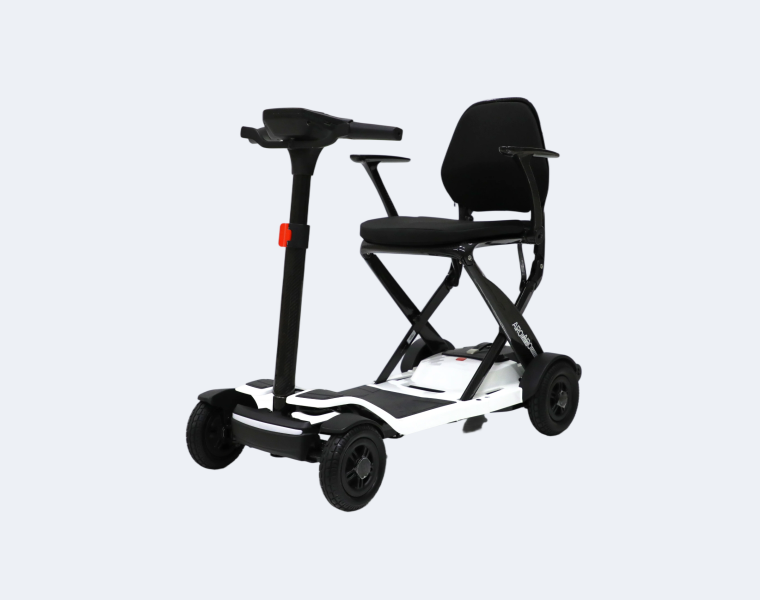
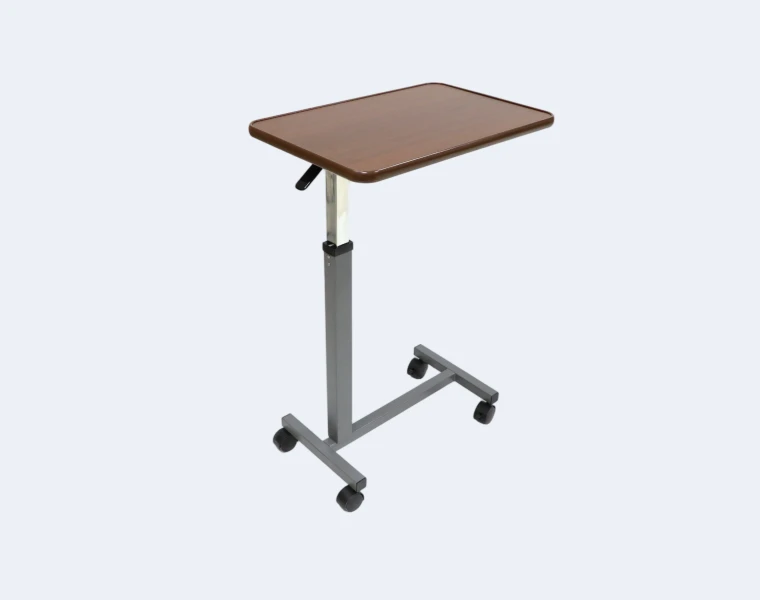
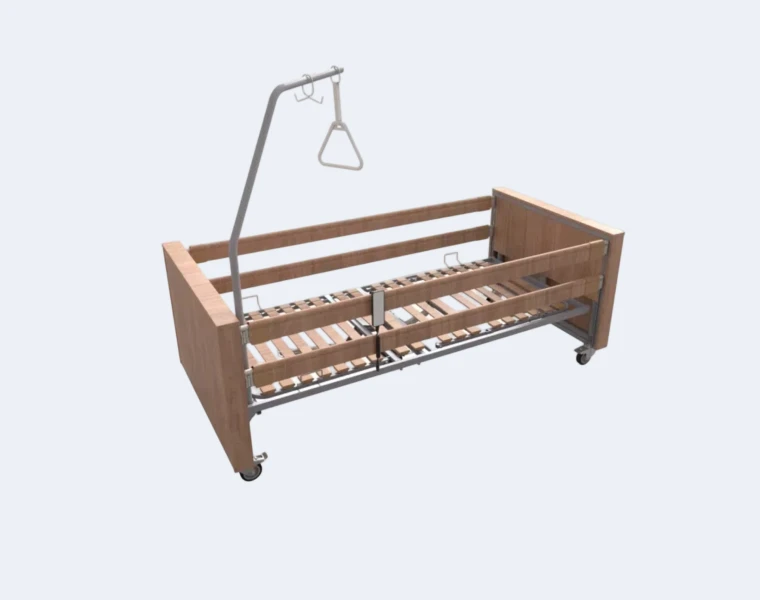
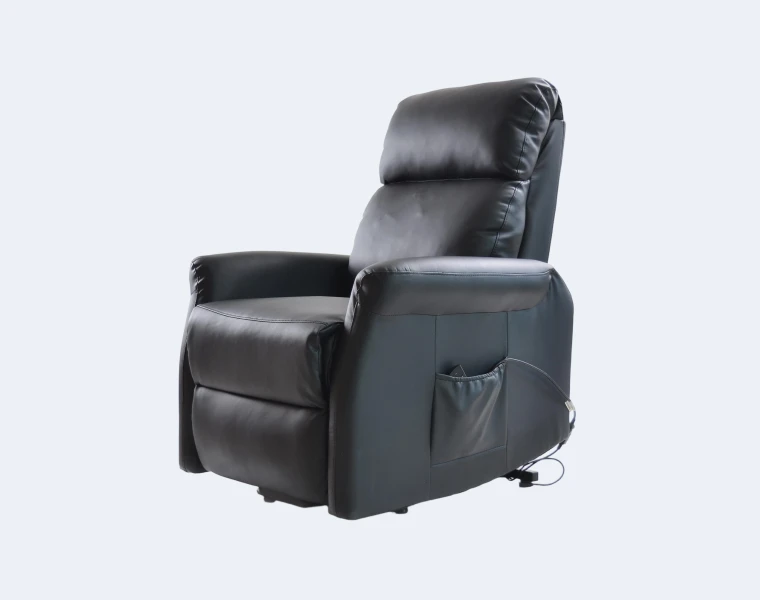
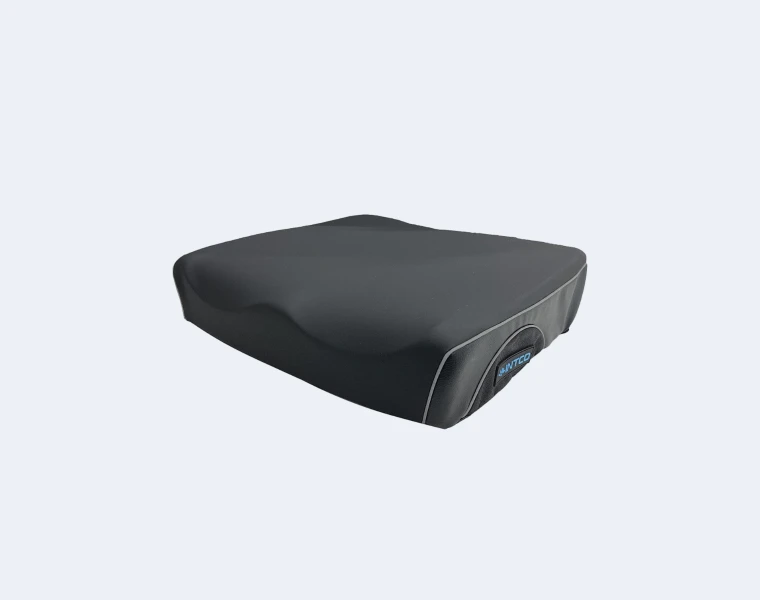
INTCO Medical presents an integrated range spanning medical consumables, rehabilitation equipment, and physical therapy products. Its rehabilitation portfolio includes manual and powered wheelchairs, rollators, walkers and canes, mobility scooters, lifts, nursing beds, pressure-relief products, commode chairs, and shower chairs. Published specifications show model-level differences in load capacity, range, speed, frame material, and slope capability, giving buyers concrete data for range planning.
The company also states that it provides OEM and ODM services. For a buyer, the relevant point is the combination of multiple rehabilitation categories, model-specific specifications, and customization support. These capabilities still need to be checked against your target models, market rules, forecast volume, and service terms. The evidence should decide the shortlist.
Q1: What is the most important criterion when selecting a rehabilitation equipment manufacturer?
A: Product-specific safety evidence comes first. Confirm that test reports, certificates, labels, and intended use match the exact model and destination market.
Q2: How should you compare quotations from a rehabilitation equipment supplier?
A: Compare total landed cost, warranty exposure, inspection needs, spare parts, tooling, packaging, and likely defect costs. Unit price alone gives an incomplete picture.
Q3: What should you test when evaluating a wheelchair manufacturer?
A: Check stability, brakes, structural strength, dimensions, rated load, folding parts, caster tracking, and user-contact components. Powered models also require battery, range, charging, control, and electrical-safety checks.
Q4: What shows that a mobility equipment manufacturer can handle repeat orders?
A: Look for controlled work instructions, traceable components, calibrated inspection equipment, batch records, capacity data, and evidence that corrective actions close on time.
Q5: When should you approve a rehab equipment company for bulk purchasing?
A: Approve it after document review, sample testing, factory verification, commercial-risk review, and a pilot order. A strong sample is useful, but repeatable production performance is the real approval standard.


