





























Rehabilitation Equipment Manufacturer: What Global Buyers Should Evaluate
INTCO in Europe: Compliance, Distribution, and Market Support
FROM: INTCO Medical
|
18 Sep 2026
Buying medical products for Europe rarely comes down to a unit-price comparison. You need products that fit the intended use, documentation that stands up to review, and a supply route that can cope with changing demand. A missed certificate detail can delay a tender. A weak replenishment plan can leave distributors with either empty shelves or months of excess stock.
That is the practical context for INTCO in Europe. The company combines manufacturing, product development, international sales, and regional sales and market support across several medical product categories. For buyers evaluating the European healthcare supply chain, the relevant question is not simply what the supplier makes. It is how compliance, distribution, and day-to-day support work together.

Why Does European Compliance Shape Supplier Choice?
European medical supply compliance begins with product classification and intended use. A disposable examination glove, a protective glove, and a rehabilitation device may look straightforward on a quotation, yet they can fall under different legal frameworks. Buyers need to check the claim made for each product, not just its catalogue name.
Matching Products to the Right Framework
Medical devices placed on the European market generally come under Regulation (EU) 2017/745. Personal protective equipment is governed by Regulation (EU) 2016/425. Some gloves may have both medical and protective functions, which means EU MDR compliance and EU PPE compliance can apply to the same product.
This distinction affects conformity assessment, labelling, technical documentation, and post-market duties. It also changes which evidence your compliance team should request before approving a purchase.
|
Product Use |
Main Compliance Focus |
Typical Buyer Check |
|
Patient examination |
Medical device rules |
Intended purpose, declaration, labelling |
|
Chemical or biological protection |
PPE rules |
Risk category, type examination, notified-body details |
|
Dual medical and protective use |
Both frameworks |
Separate claims and supporting evidence |
|
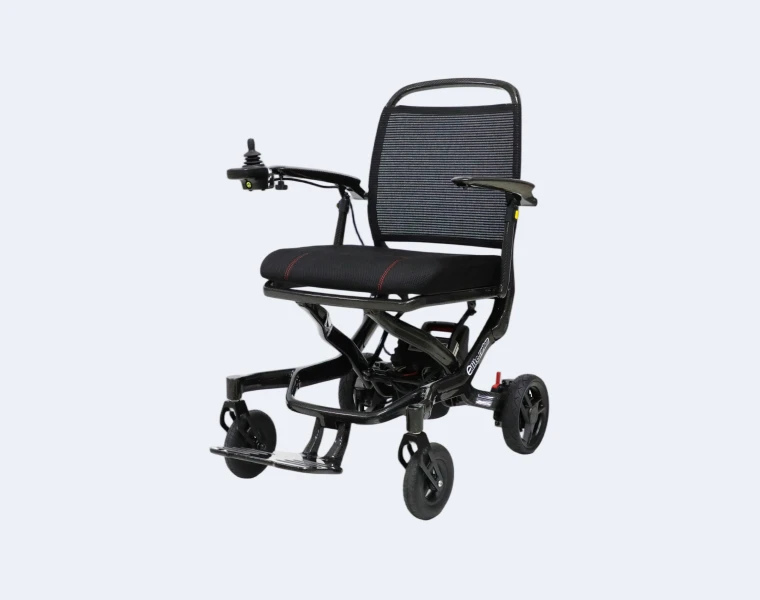
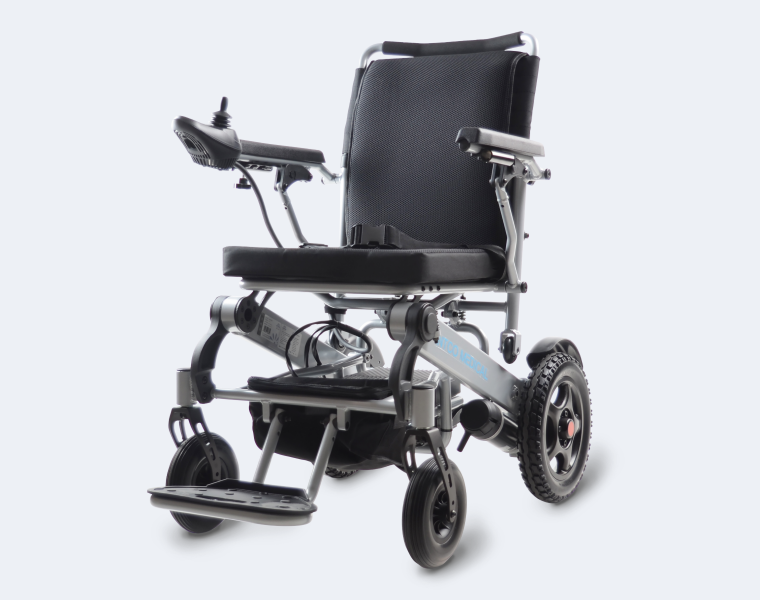
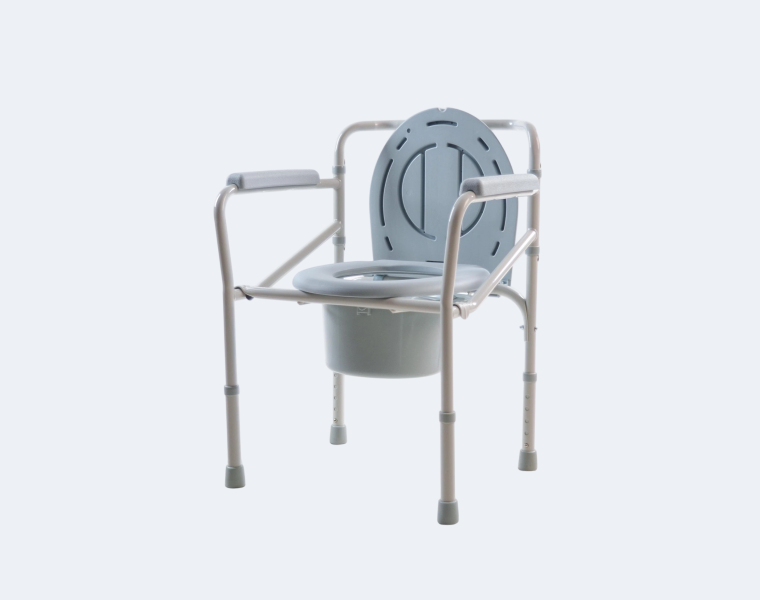
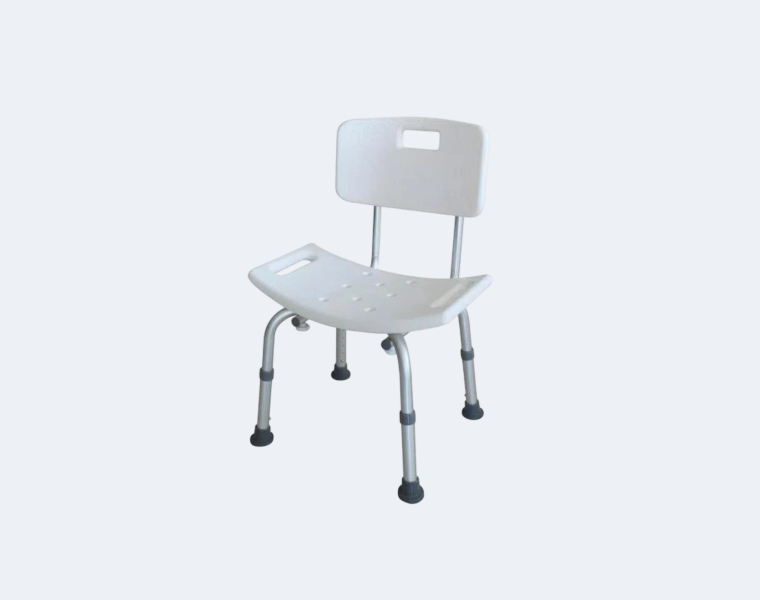
Rehabilitation or mobility support |
Medical device rules |
Classification, instructions, traceability |
Checking Standards and Documentation
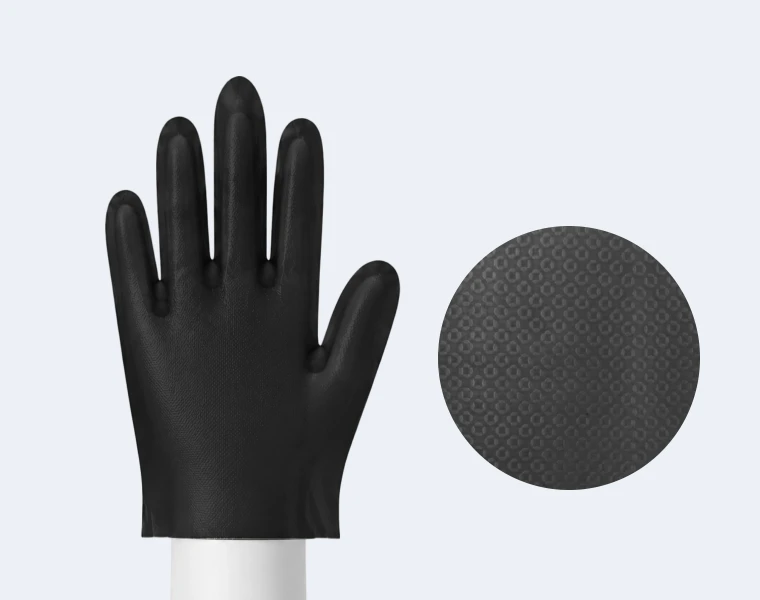
For medical gloves, the EN 455 series covers areas such as freedom from holes, physical properties, biological evaluation, and shelf-life requirements. Protective gloves may also need testing under the EN ISO 374 series, depending on their claims.
A CE mark matters, but it is not the whole file. Your review should also cover the EU declaration of conformity, product and lot identification, instructions where required, and the economic operator shown on the label. Small mismatches deserve attention. An outdated address or a model code that differs from the declaration can hold up an otherwise routine shipment.
How Does Distribution Affect Supply Reliability?
Compliance opens the door to the market. Distribution determines whether products arrive when customers actually need them. This is especially important in medical glove distribution Europe, where consumption can move quickly during seasonal illness, public tenders, or changes in institutional purchasing.
Connecting Production with Regional Demand
A useful supply plan starts with demand by country, product type, size, and pack format. One total forecast is rarely enough. Medium gloves may move fast in one channel, while large sizes or accelerator-free options carry the demand elsewhere.
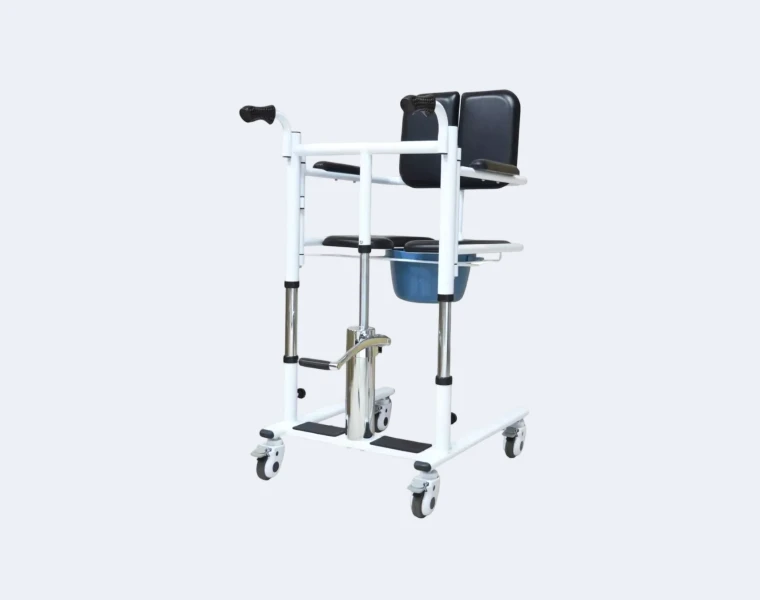
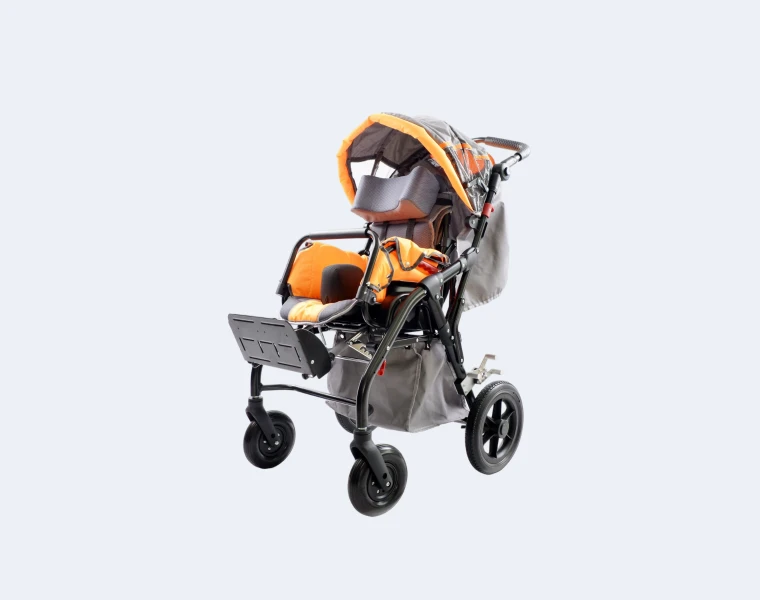
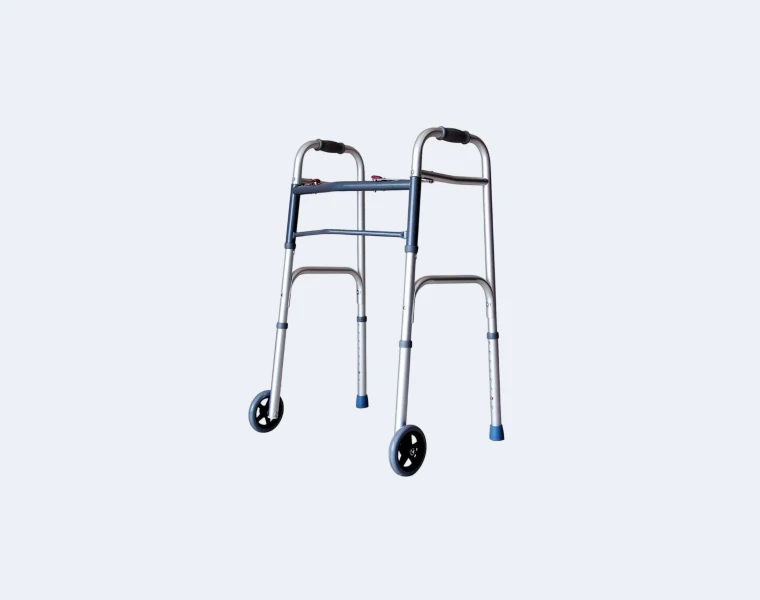
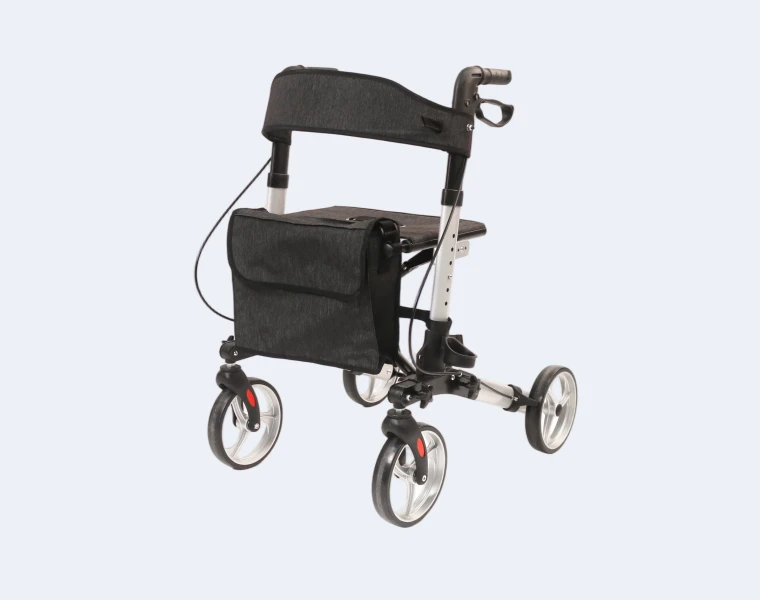
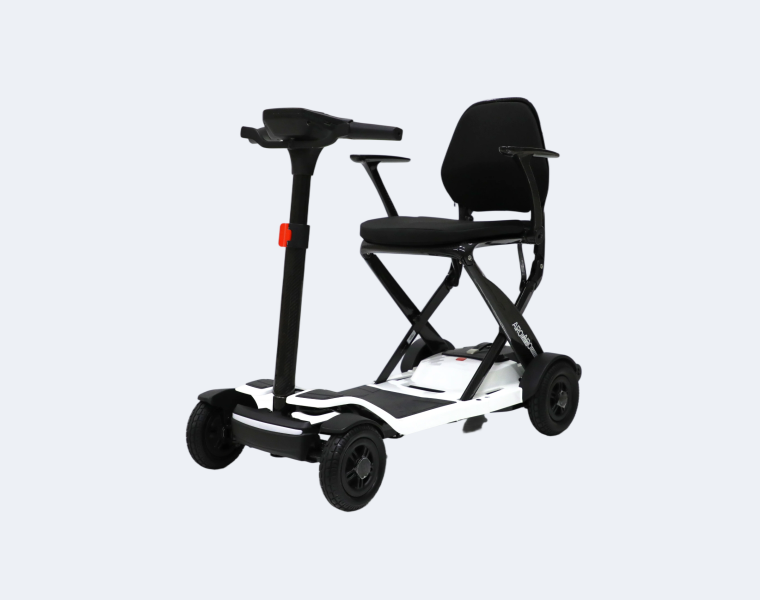
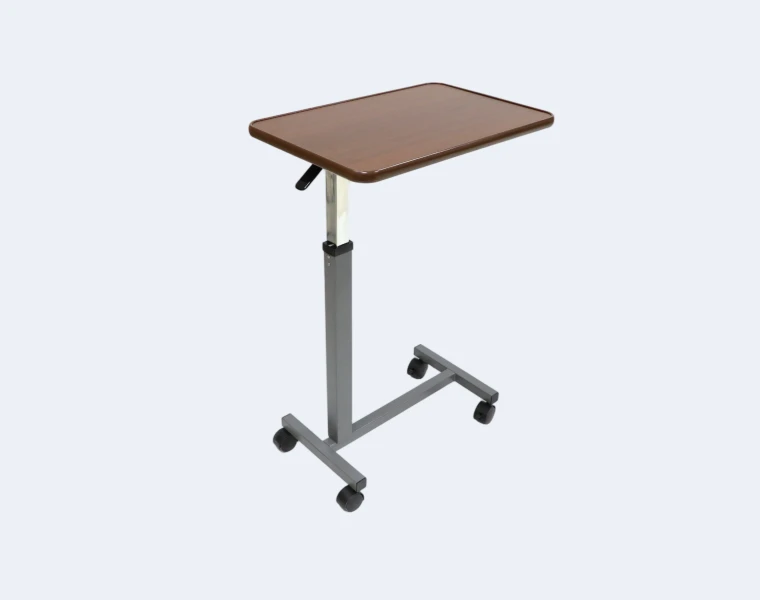
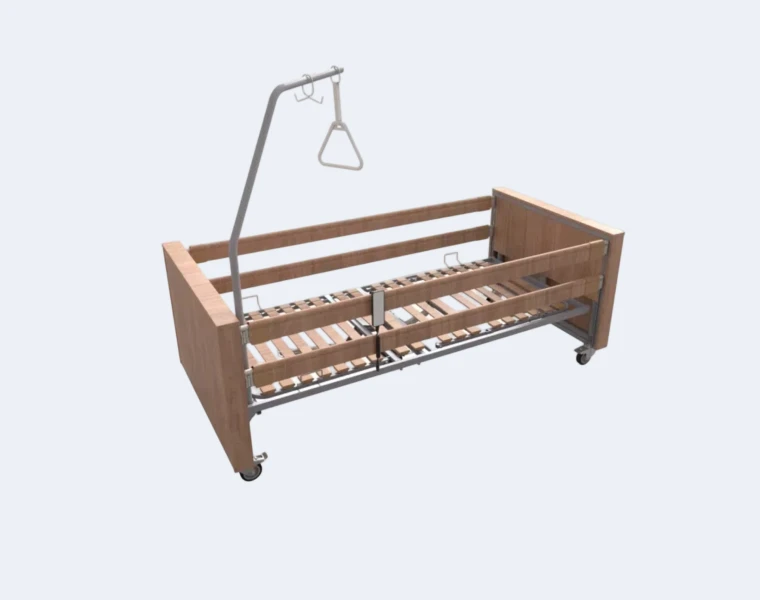
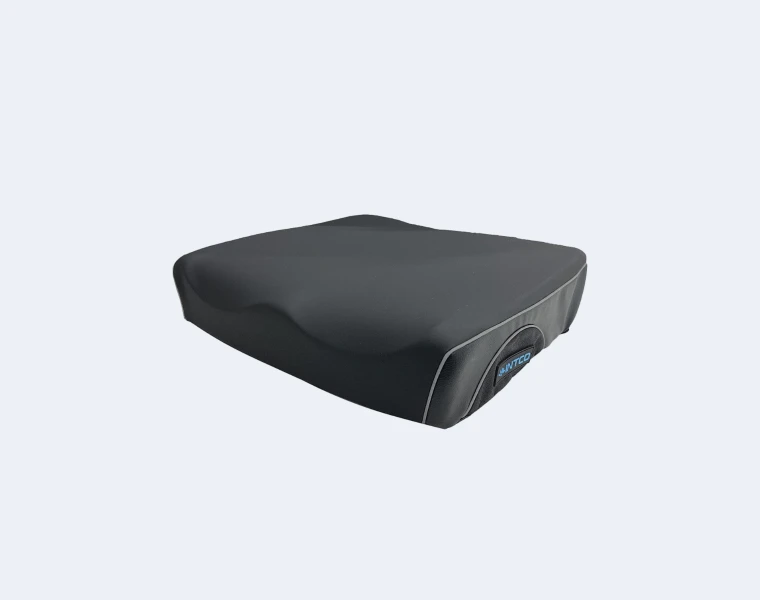
INTCO Medical’s product portfolio covers disposable gloves alongside other medical consumables and rehabilitation equipment. That range can help a distributor consolidate selected purchasing activity, but category-level planning is still needed. Different products have different lead times, storage needs, and reorder patterns.
For disposable gloves Europe, buyers should agree on several operational points before the first large order:
- Production and shipment lead times by product family
- Minimum quantities by size, colour, and packaging format
- Batch traceability and document availability
- Forecast revision windows
- Procedures for shortages, damage, or specification changes
Managing Inventory without Guesswork
The safest stock policy is not always the largest one. Gloves consume warehouse space, and slow-moving rehabilitation equipment tie up capital in another way. A better approach links safety stock to actual lead-time variation and demand volatility.
For example, a distributor serving hospitals and dental groups may separate tender-backed volume from ordinary wholesale demand. The tender allocation can be planned against contract dates, while the wholesale portion uses rolling sales data. It is a slightly unglamorous detail, but size-level forecasting often prevents more shortages than a broad annual forecast.
What Market Support Should European Buyers Expect?
European market support should reduce work for your regulatory, commercial, and operations teams. It should also continue after the first shipment. A supplier that answers quickly during sampling but becomes vague when a complaint appears creates risk at the worst possible point.
Support Before Commercial Approval
Before approval, you may need samples, product specifications, declarations, test reports, packaging details, and confirmation of language requirements. The information should match across documents. A technical data sheet that names one material while the carton uses another description will trigger questions, even when the difference seems minor.
The company’s corporate site presents a business built around medical consumables, protective products, and rehabilitation equipment. For B2B medical supplies Europe, this breadth is relevant because buyers often need commercial and technical discussions to run in parallel across more than one category.
Support After Delivery
Post-delivery support includes complaint handling and corrective action through established quality processes. You should know who receives a quality complaint, what information is required, and when an initial response can be expected.
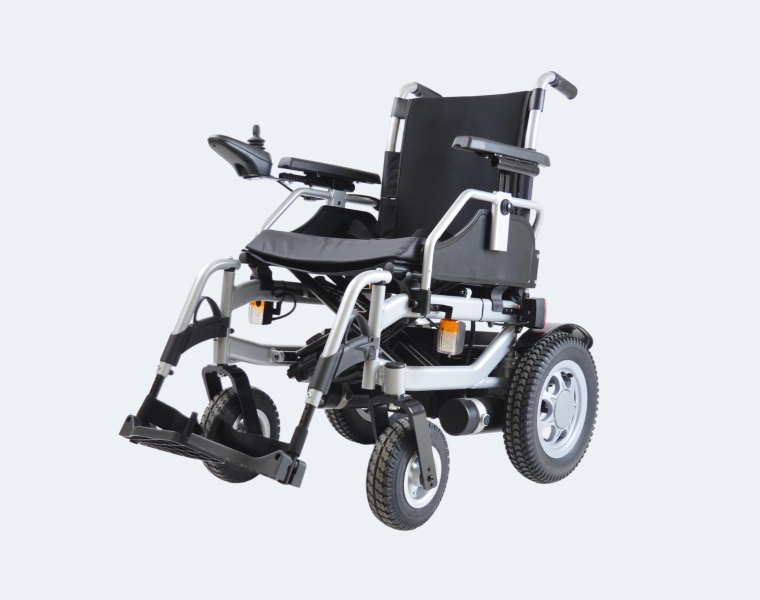
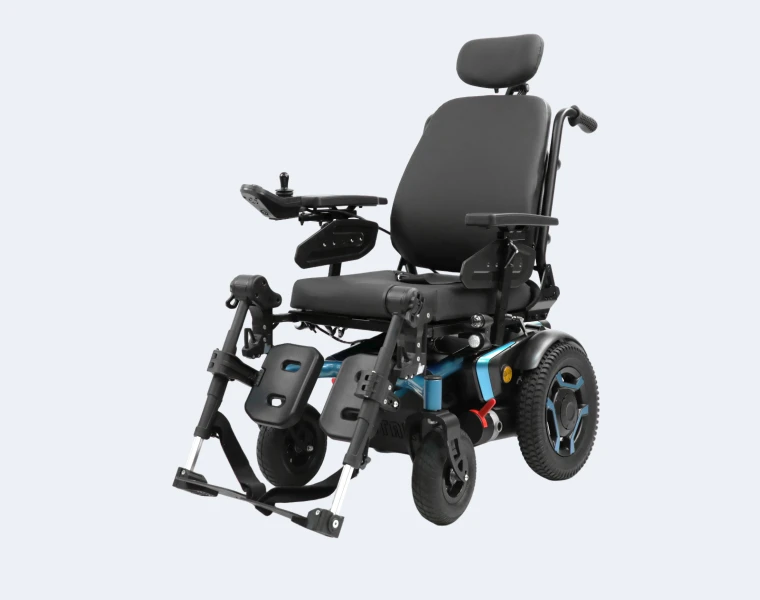
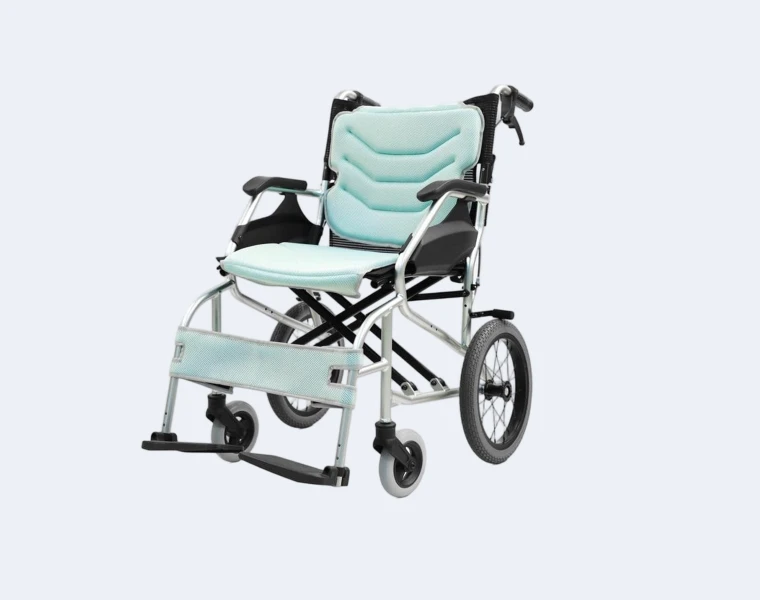
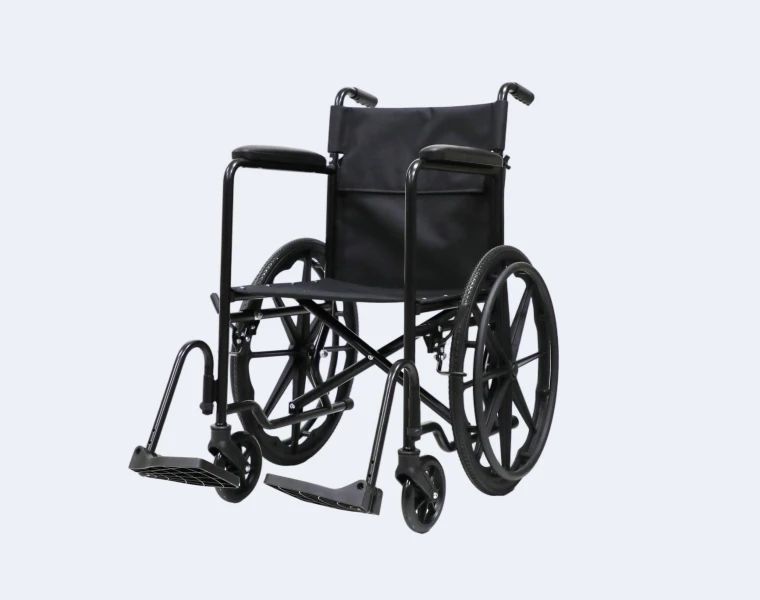
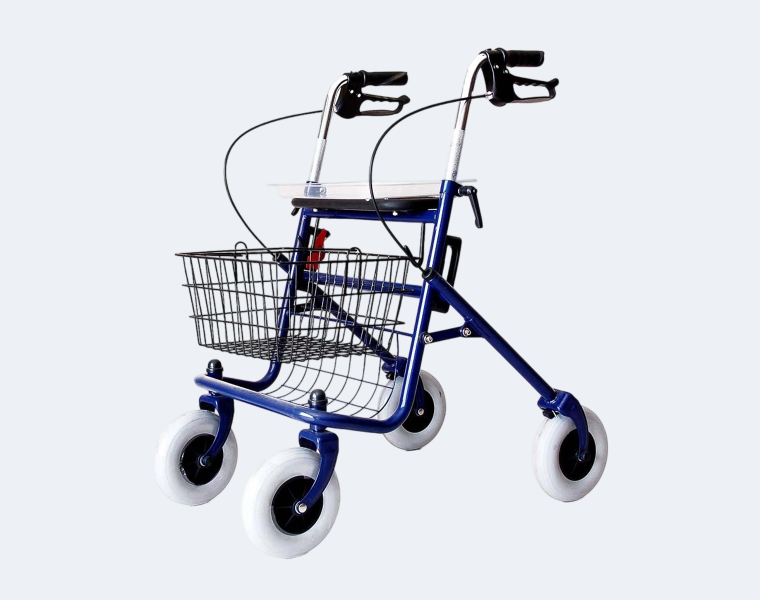
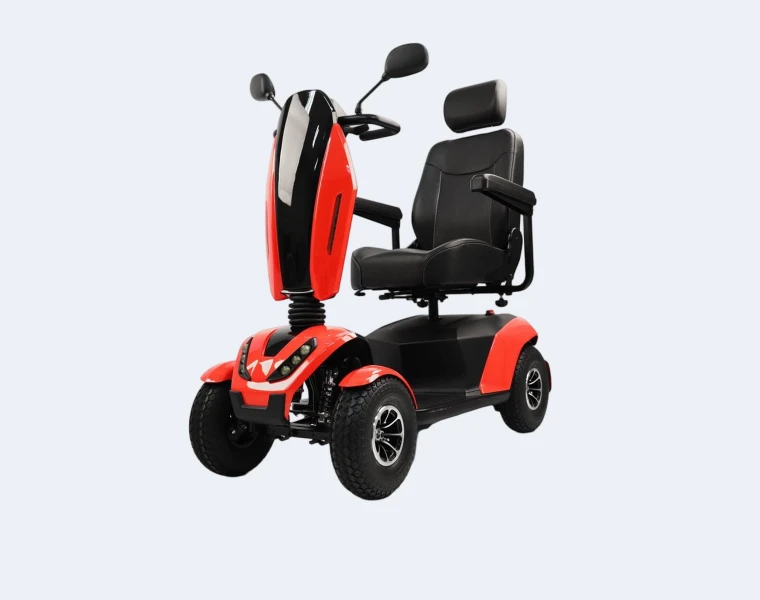
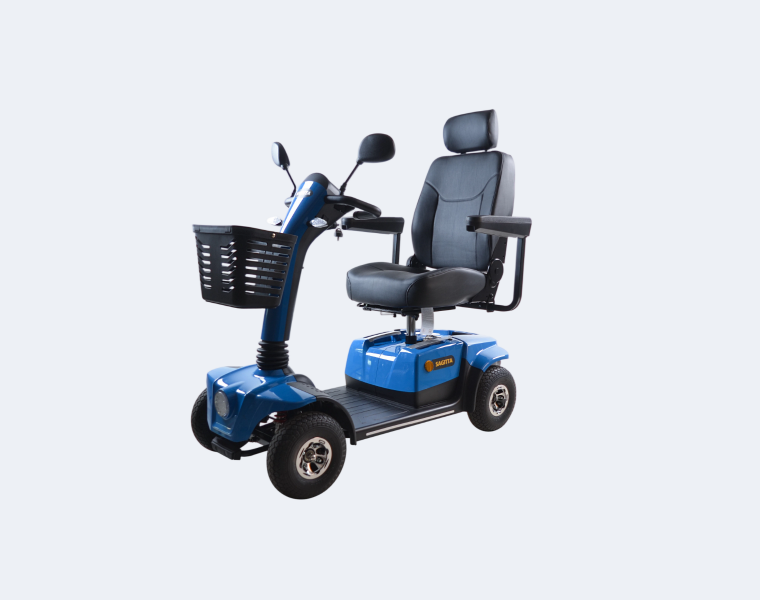
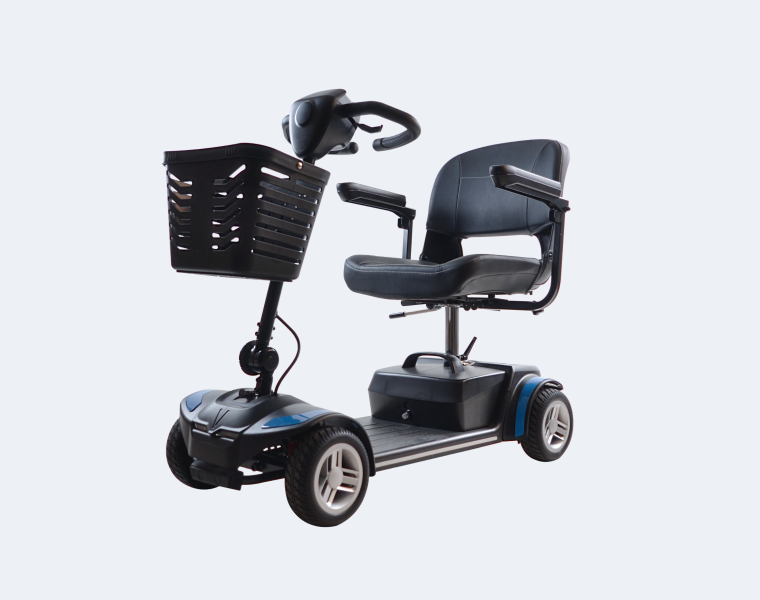
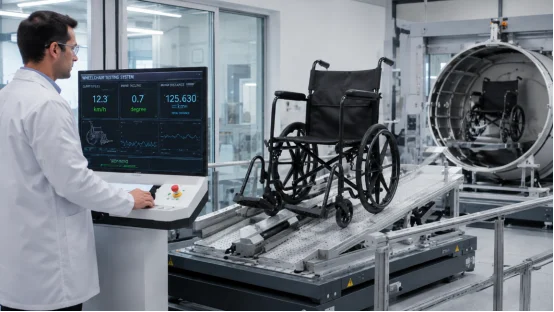
This matters in rehabilitation equipment Europe as much as it does for gloves. A dimensional issue, packaging defect, or missing instruction may affect a small number of units, yet the distributor still needs a documented response. Clear escalation routes protect both traceability and customer confidence.

A Practical Supply Platform for the European Market
Once compliance and operating requirements are clear, supplier capability can be assessed in context. The point is not company scale by itself. It is whether manufacturing, documentation, product breadth, and regional service can support the way you sell.
INTCO Medical develops and manufactures disposable gloves, medical consumables, and rehabilitation equipment for international markets. Its model links production-base supply with international sales and customer support, giving European buyers a single operating framework for selected high-volume consumables and longer-cycle equipment. The available product categories also show capability beyond a one-product sourcing relationship.
For your team, the practical value lies in coordination. Product selection, compliance files, packaging, shipment planning, and after-sales handling can be discussed within the same supplier structure. That does not replace buyer due diligence. It can, however, reduce handoffs and make recurring orders easier to manage.
FAQ
Q1: What Should Buyers Check before Ordering Medical Gloves for Europe?
A: Check the intended use, applicable regulation, declaration of conformity, CE information, relevant EN standards, labelling, lot traceability, and shelf-life evidence. Product codes should match across the commercial and compliance documents.
Q2: Can One Glove Require Both EU MDR Compliance and EU PPE Compliance?
A: Yes. A glove sold for medical examination and personal protection may fall under both frameworks. The claims, conformity route, documentation, and label should support both uses.
Q3: How Can Buyers Reduce Risk in Medical Glove Distribution Europe?
A: Forecast by size and product type, agree on reorder windows, track lead-time changes, and keep batch documents accessible. Separate contract demand from ordinary wholesale sales when setting safety stock.
Q4: What Does European Market Support Include?
A:It can include product selection, samples, compliance documents, packaging coordination, order tracking, complaint handling, and corrective action support.
Q5: What Product Areas Does INTCO Medical Serve?
A: INTCO Medical supplies categories that include disposable gloves, medical consumables, and rehabilitation equipment. Buyers can review the official product range to identify items relevant to their channel and compliance needs.