














INTCO Medical in North America: Market Position, Regulatory Compliance & Supply Chain
How to Choose a Medical Device Manufacturer in 2026: 8 Buyer Criteria
FROM: INTCO Medical
|
28 Aug 2026
Choosing a medical device manufacturer in 2026 is no longer just about finding the lowest price. Buyers need to evaluate regulatory compliance, product quality, manufacturing capacity, engineering support, supply chain resilience, target-market experience, total cost, and long-term service.
The right manufacturing partner should be able to provide clear evidence of compliance, maintain consistent quality at scale, respond quickly to product or process changes, and support the regulatory requirements of the markets where your products are sold.
Regulatory expectations are also becoming more demanding. In the United States, the Quality Management System Regulation (QMSR) took effect on February 2, 2026, incorporating ISO 13485:2016 by reference. In the European Union, four EUDAMED modules became mandatory on May 28, 2026.
For buyers, this means regulatory readiness should be evaluated at the beginning of supplier qualification—not after price negotiations or final supplier selection.
8 Key Criteria for Choosing a Medical Device Manufacturer
When evaluating a medical device manufacturer, buyers should assess these eight areas before making a sourcing decision:
|
Buyer Criteria |
What to Evaluate |
|
1. Regulatory Compliance |
ISO 13485, QMSR, MDR/IVDR, certification scope, site coverage, and market-specific documentation |
|
2. Quality Management System |
CAPA, nonconformance control, change control, defect rates, first-pass yield, and complaint handling |
|
3. Manufacturing Capability & Capacity |
In-house processes, equipment, cleanrooms, automation, current capacity, and scalability |
|
4. Engineering & Production Transfer |
DFM, prototyping, NPI, validation, pilot production, and engineering change management |
|
5. Supply Chain Resilience & Traceability |
Critical suppliers, lot and serial traceability, single-source risks, backup sourcing, and change notifications |
|
6. Target-Market Support |
UDI, labeling, technical documentation, importer requirements, and experience in regulated markets |
|
7. Total Cost of Ownership |
Unit price, tooling, testing, validation, MOQ, lead time, packaging, freight, quality, and inventory costs |
|
8. Post-Launch Support |
On-time delivery, complaint response, CAPA closure, change control, escalation processes, and ongoing supplier performance |
A strong medical device manufacturer should not simply claim to perform well in these areas. It should be able to support each one with documented processes, quality data, production records, certifications, and relevant market experience.
The following eight criteria provide a practical framework for evaluating whether a potential manufacturing partner can support your product from qualification and production transfer through commercial-scale supply and post-launch support.

1. Does the Manufacturer Meet 2026 Regulatory Requirements?
Treat compliance as a simple yes-or-no test before you even discuss money. A medical device manufacturer needs to share the right paperwork. These papers must match the exact proposed factory, device category, and target market. A certificate covering a totally different site does not help your sourcing decision at all.
Check Certification Scope, Not Just the Logo
Ask to see their active ISO 13485 certificate, its scope, and the site address. You also need their audit status and specific market papers relevant to your product. For U.S. programs, ask how their quality system meets QMSR requirements. For EU programs, check their MDR or IVDR duties, UDI data, and EUDAMED readiness. Even if a medical manufacturing company holds many certificates, they still need to provide evidence tied directly to your exact product.
2. How Strong Is the Quality System?
A certificate only shows that a system exists on paper. It does not show how well the factory handles real problems. For example, they might face a drifting process, a failed incoming lot, or a Monday morning customer complaint. How they fix these specific issues matters far more than a framed certificate hanging in a meeting room.
Look at Process Evidence
Review their CAPA, nonconformance control, and change control records. Check calibration notes, incoming inspections, in-process tests, and final release data. Ask for real, practical numbers. You want to see the first-pass yield, defect rate, and complaint closure time. Look out for recurring CAPA trends. Actual process data is much stronger evidence than a basic “high quality” claim.
3. Can Production Match Your Device and Volume?
A good prototype shop might fail terribly at commercial scales. Map out the actual process flow before you pick a medical equipment manufacturer. Ask them directly which steps happen inside their own plant. Outsourcing is not always bad. Hidden outsourcing, however, causes huge problems.
Check In-House Capability and Capacity
Look at their equipment, cleanroom setups, automation, test fixtures, and tooling. Review their monthly capacity, current utilization, and future expansion plans. Buying several product categories from one broad portfolio can reduce supplier fragmentation. A medical device manufacturer must explain what happens when monthly demand doubles. They need to plan for tomorrow’s needs, not just today’s.
4. Can Engineering Support a Smooth Production Transfer?
Great engineering support makes a true long-term partner. It separates them from a transactional medical device supplier. Tiny mistakes with material choice, tolerance, assembly sequence, or packaging can cost a lot later. These costs hit hard after the tools are locked in and validation starts.
Review DFM and NPI Discipline
Ask how their team handles design for manufacturability and prototyping. Check their exact steps for sample approval, pilot builds, validation, and mass production transfer. Find out who owns engineering changes and how customer approvals get recorded. A clear path from design input to repeatable production saves time. It also exposes risks early.
5. Is the Supply Chain Resilient and Traceable?
Supply risk goes way beyond simple shipping issues. A missing resin, motor, battery cell, or sterile packing piece stops everything. The line will halt even if the factory itself works fine. You must have visibility into their critical suppliers and backup plans.
Test Traceability and Continuity
Ask if raw materials and components link back to lot or serial numbers. See how they qualify critical suppliers, and find out which parts come from just one single source. Review their rules for alternate sources and change notifications. A global medical device manufacturer offers good flexibility through a documented global network. However, this only works if quality controls remain completely consistent across all sites.
6. Can the Supplier Support Your Target Markets?
Exporting boxes is entirely different from supporting regulated markets. A global medical device manufacturer needs clear, working processes. They must manage labels, technical documents, and UDI. They should also handle importer requirements, shipping records, and specific market changes.
Check Market Experience and Documentation
Ask which countries the proposed product family already serves. See what regulatory work the supplier actually does themselves. If you use a medical device supplier instead of the legal manufacturer, clear things up. Ask who owns the technical files, production changes, complaints, and regulatory communication. A gap in responsibility here causes trouble surprisingly often.
7. Are You Comparing Total Cost, Not Just Unit Price?
A cheap unit price often hides extra fees. Watch out for tooling charges, validation work, high MOQs, and long lead times. Reinspection, scrap, and freight add up quickly too. Procurement teams sometimes find out the real cost only after the first production change happens.
Build a Total-Cost View
Compare the unit cost, tooling, testing, validation, packaging, and freight. You must also check payment terms, MOQ, lead time, yield, and quality risks. A medical equipment manufacturer might ask for a slightly higher quote upfront. But they could cost less over the full program if they reduce rework or inventory waste. Always compare prices after finishing regulatory and quality checks, never before.
8. Will the Relationship Hold Up After Launch?
Approving a supplier is just the starting line. After the device hits the market, you will likely need help. You might face complaint investigations, change notices, or corrective actions. You need fast answers when a shipment is at risk.
Set Measurable Supplier KPIs
Track their on-time delivery, defect rate, and first-pass yield. Watch their CAPA closures, complaint responses, and lead-time adherence. Define escalation contacts before you ever launch. A reliable medical manufacturing company needs documented processes for material substitutions and process changes. This basic governance prevents plenty of avoidable arguments later.
What Does a Qualified Manufacturing Partner Look Like in Practice?
After checking these eight criteria, ask one simple thing. Can the supplier prove that their regulatory, manufacturing, engineering, and supply skills work together in real production? That acts as a much more useful test than just comparing company descriptions or sales pitches.
A Practical Supplier Profile
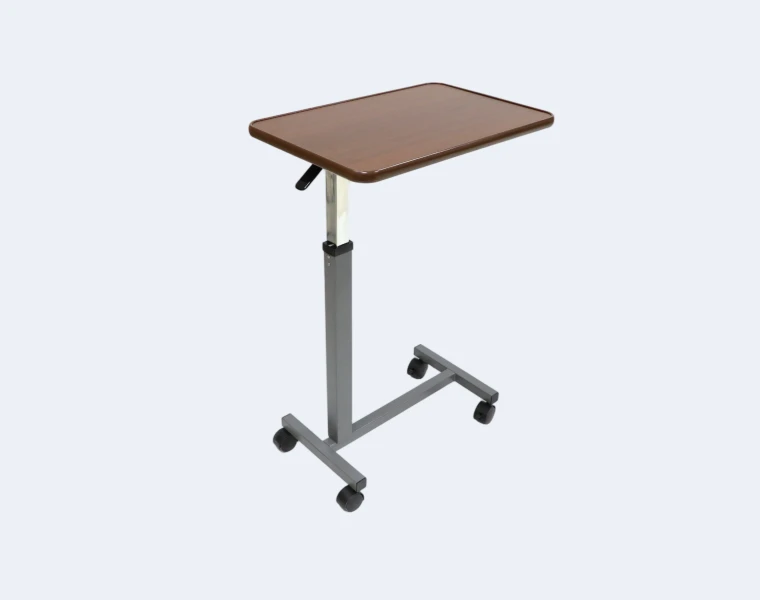
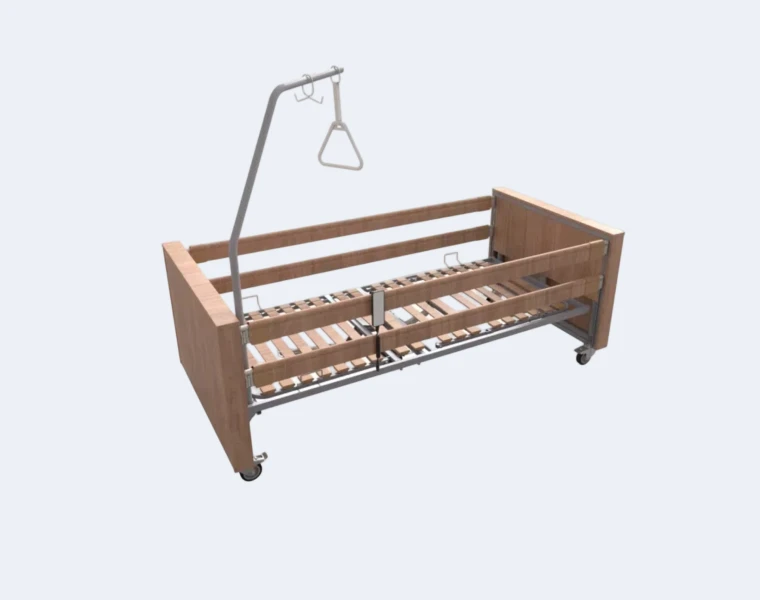
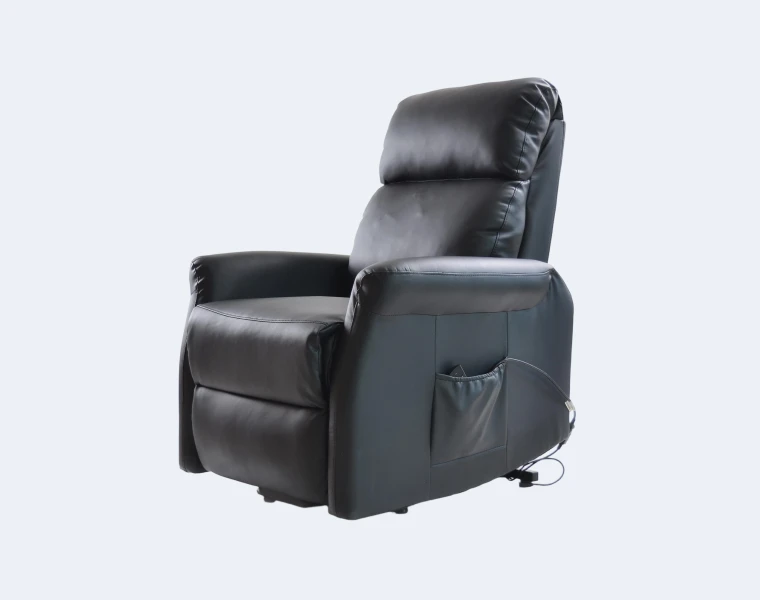
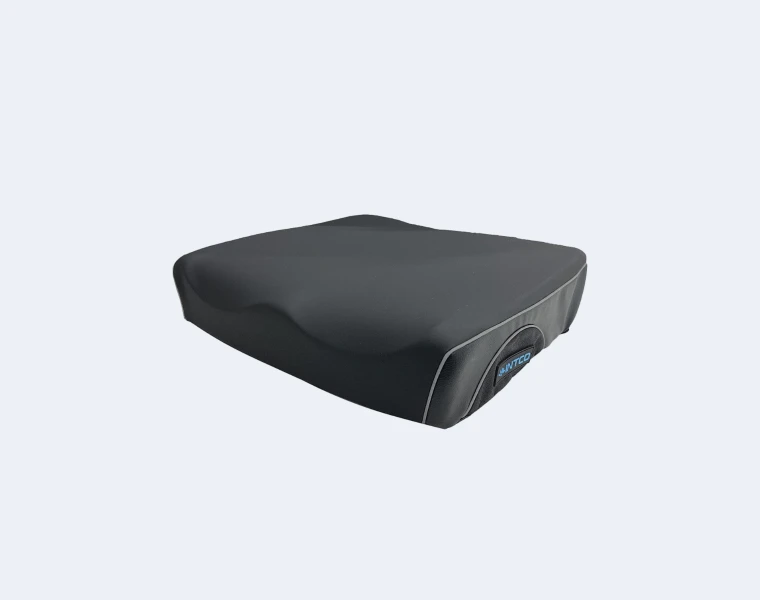
INTCO Medical provides a great example of that integrated model. Its product range spans medical consumables, rehabilitation equipment, physical therapy, and patient monitoring products. The company reports 10 R&D and production bases. They have service coverage across 150+ countries and regions, serving more than 15,000 global customers. Its published certifications include ISO 13485 and MDSAP. Their OEM and ODM manufacturing support covers requirements confirmation, design and prototyping, sample approval, mass production, inspection, and global delivery.
These points never replace a full buyer audit. However, they are exactly the type of evidence worth checking when qualifying a medical device manufacturer.
FAQ
Q1: What should you look for in a medical device manufacturer?
A: Start by checking regulatory compliance, quality controls, and production capability. You also want to review engineering support, supply resilience, and global market experience. Finally, look at total cost and post-market support. Always ask for real proof instead of trusting broad supplier claims.
Q2: Is ISO 13485 enough to qualify a supplier?
A: No. You must look closely at the certificate scope, site coverage, and audit status. Check process validation, CAPA, traceability, and actual quality data. Certification is only the starting point, not your entire decision.
Q3: What is the difference between a medical device manufacturer and a medical device supplier?
A: A medical device manufacturer runs the manufacturing activities directly. A medical device supplier might just act as a distributor or sourcing middleman. Always confirm who controls manufacturing changes, technical records, complaints, and regulatory duties.
Q4: How do you compare two medical device manufacturers?
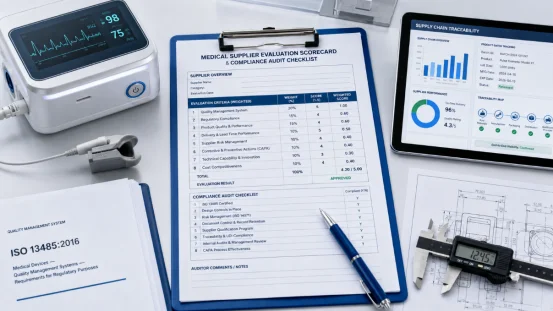
A: Use a weighted scorecard. Give the most weight to regulatory compliance and quality. After that, compare their manufacturing capability, supply risks, market support, total cost, and overall service performance.
Q5: When should you choose a global medical device manufacturer?
A: Pick a global medical device manufacturer when you need multi-market documentation, scalable capacity, or international supply support. They also help when you need several product categories. You still must audit the exact site and process that will make your specific product.