





















Hospital Medical Supplies Supplier: Building a One-Stop Procurement Strategy
Inside INTCO Medical: Manufacturing Bases Powering Global Healthcare Supply
FROM: INTCO Medical
|
26 Aug 2026
When procurement teams vet a medical supplier, the question beneath every checklist is simple: can this manufacturer keep up when it matters? A single factory can fill an order today and stall the next one under a customs backlog, a labour crunch, or a raw-material shock. That is why, more than the brand name on a pack of gloves, buyers are increasingly auditing the manufacturing bases behind it.
INTCO Medical answers that audit with a global footprint. The company operates R&D and manufacturing bases across China and Vietnam, anchored by the world’s largest non-latex disposable glove manufacturing capacity. Explore the full facility list on INTCO Medical’s global production supply network. Here is an inside look at that network — where each base sits, what it produces, and why the spread itself is the resilience argument.
Why a Multi-Base Network Beats a Single Factory
Supply-chain resilience starts with not putting all your output in one place. Independent observers make the same point. The U.S. National Academies framework for resilient medical product supply chains calls for operational diversity and geographic spread, while the FDA’s Office of Supply Chain Resilience exists precisely to monitor and mitigate shortages of critical medical devices.
The mechanics are straightforward:
-
No single point of failure. If one site faces a disruption, output can shift to a qualified site elsewhere with less interruption.
-
Geographic diversification. Manufacturing in both China and Vietnam limits exposure to tariffs, customs delays, and regional logistics shocks.
-
Standardised quality. Consistency only becomes true resilience when every site runs the same quality system — a condition INTCO’s certified network is built around.
-
Demand responsiveness. Distributed capacity shortens lead times and lets production scale where demand is rising fastest.
For disposable gloves and PPE specifically, this redundancy is more urgent. Research compiled by the U.S. National Centre for Biotechnology Information concludes that multiple sourcing and backup capability are core safeguards, because these products face sudden demand spikes and frequent disruption. A geographic network is the structural answer to that risk.
The China Glove Manufacturing Bases
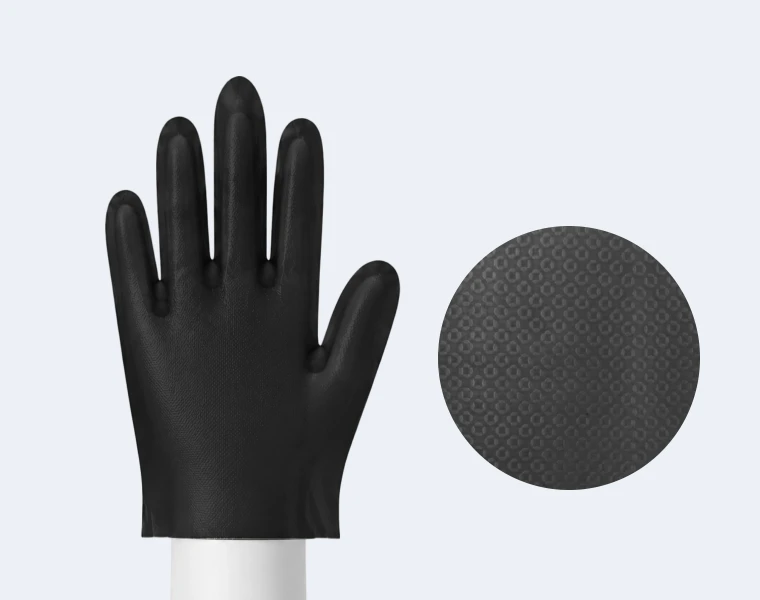
The disposable glove network is the heart of INTCO’s capacity story. Across Shandong, Anhui, and Jiangxi, the bases produce on a scale that makes INTCO the largest supplier of non-latex disposable gloves in the world.
Zibo — the First Glove Base
Established in 2009 in Shandong Province, Zibo was INTCO’s entry into disposable glove production. Beginning at its Linzi site, it grew into a multi-site operation running automated vinyl glove lines that set the template for the intelligent, high-volume facilities that followed. It remains the origin point of a production philosophy that later scaled across Shandong, Anhui, and Jiangxi.
Qingzhou — the Large-Scale Centre
Founded in 2010, also in Shandong, Qingzhou is a major large-scale glove base producing vinyl, nitrile, latex, and PE gloves for healthcare, laboratory, and industrial applications. Its scalable capacity lets INTCO adjust output mix across materials as demand shifts.
Huaibei — the High-End Intelligent Base
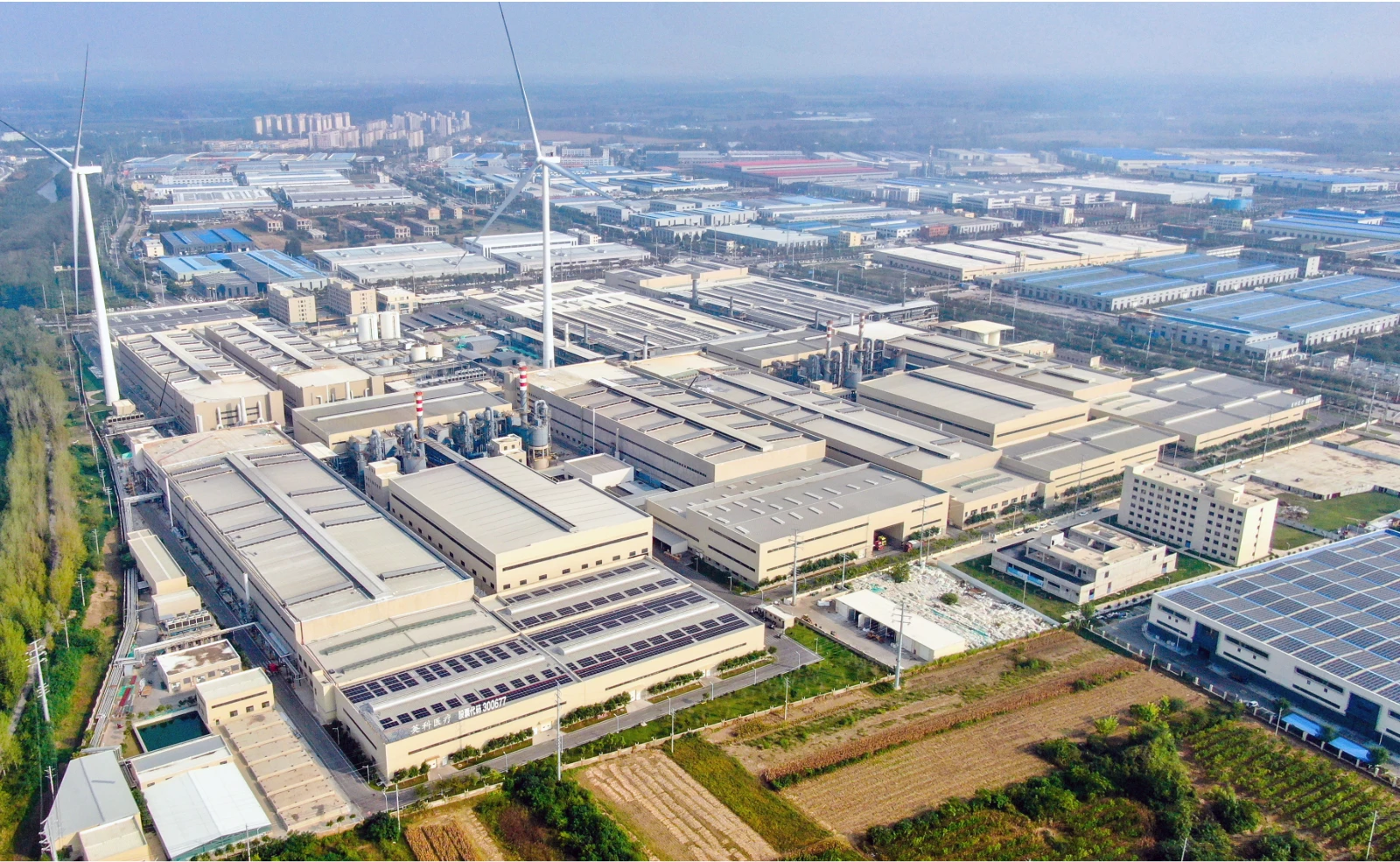
In Huaibei, Anhui, sits one of INTCO’s highest-profile facilities: a base recognized as one of the world’s largest single-site production bases for disposable gloves. Much of its output is exported, and it demonstrates the automation, digitalisation, and intelligence the company applies across the network.
Plant management there describes a model built on full-chain self-production. The site runs its own latex plant, mold factory, and printing and packaging operation, so nitrile latex, ceramic hand molds, and even box packaging are produced in-house — letting the team control quality and cost at the source and respond far faster to urgent sampling requests than out-sourced peers. Capacity can be rebalanced quickly across channels when temporary orders land, avoiding the swings of idle or overstretched production. The lines run 24 hours a day with scheduled maintenance, and the facility undergoes a full shutdown every 2–3 months for cleaning and mechanical service. Local government keeps environmental requirements clear and provides solid industry support, so compliance costs stay predictable. It is a hands-on illustration of what the headline capacity figure looks like in day-to-day operation.
Anqing — Rapid Expansion in Anhui
INTCO started construction of its Anqing glove base in 2020 and brought the facility into production at the end of 2024. Equipped with advanced automated production lines for nitrile, vinyl, and PE gloves, it is an example of how the company pairs greenfield build-outs with existing capacity to keep total capacity climbing.
Jiujiang — Fully Automated Output in Jiangxi
Also established in 2020, the Jiujiang disposable glove base in Jiangxi operates with fully automated production lines. Along with the other large facilities, it was a key reason INTCO’s annualized capacity could reach the scale it holds today.
Taken together, these China-based facilities underpin the headline figure: an annualized disposable non-latex glove capacity of 107 billion pieces, split roughly 74 billion nitrile and 33 billion vinyl gloves, according to INTCO’s company overview. That is the production volume that lets bulk orders be filled without the “waiting list” that poisons smaller suppliers.
The scale is also reflected in externally assessed recognition. In its 2025 reporting, INTCO highlights a WIND ESG rating of “A”, inclusion in the 2025 China Enterprise ESG 100 Index, a place on Bloomberg’s 2026 green-finance watch list, management-system certifications such as BSCI and WRAP, and an EcoVadis “COMMITTED” badge — third-party signals that the manufacturing network is being benchmarked and acknowledged on its own merits.
Beyond Gloves: Rehabilitation and Therapy Manufacturing Bases
A single-product manufacturer is a single-point risk in its own right. INTCO diversified not just geographically but by product category, and the bases reflect it.
Zhenjiang — Rehabilitation and Mobility Equipment
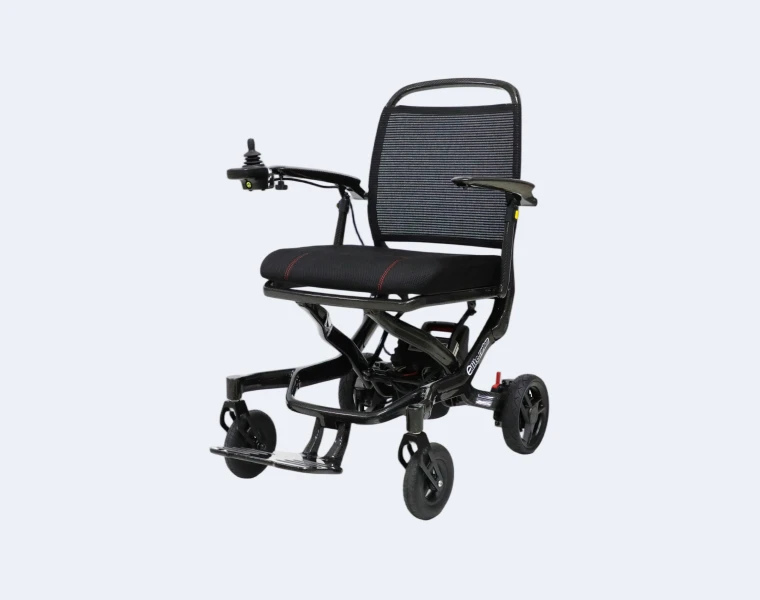
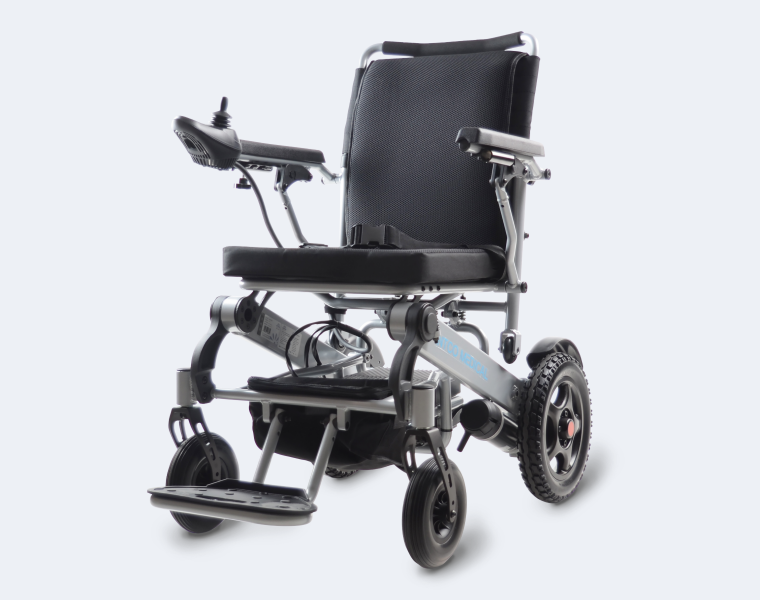
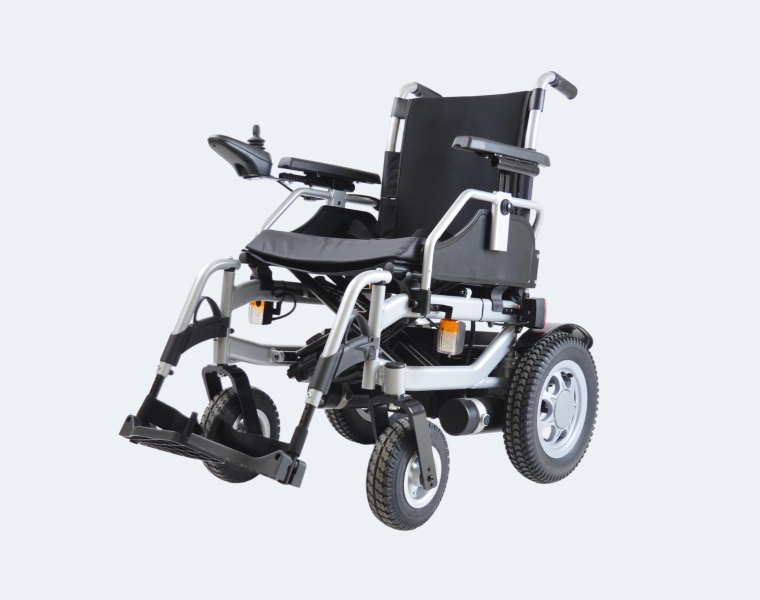
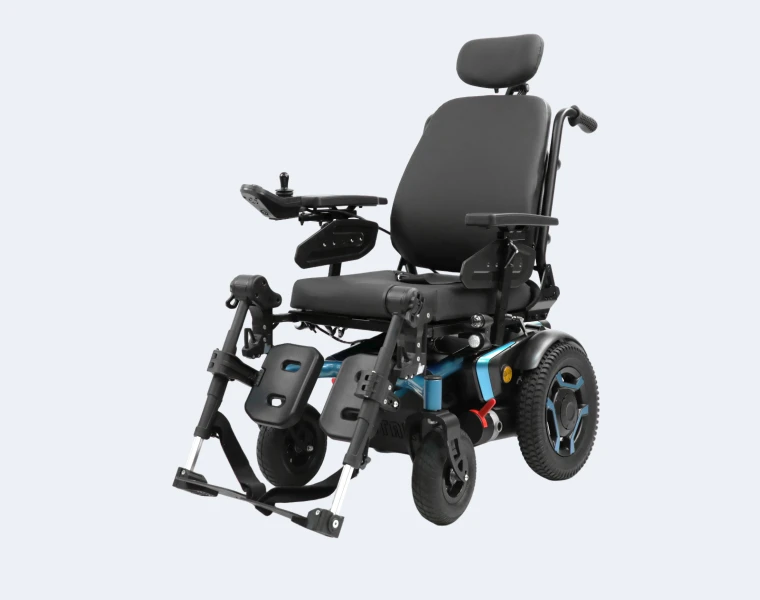
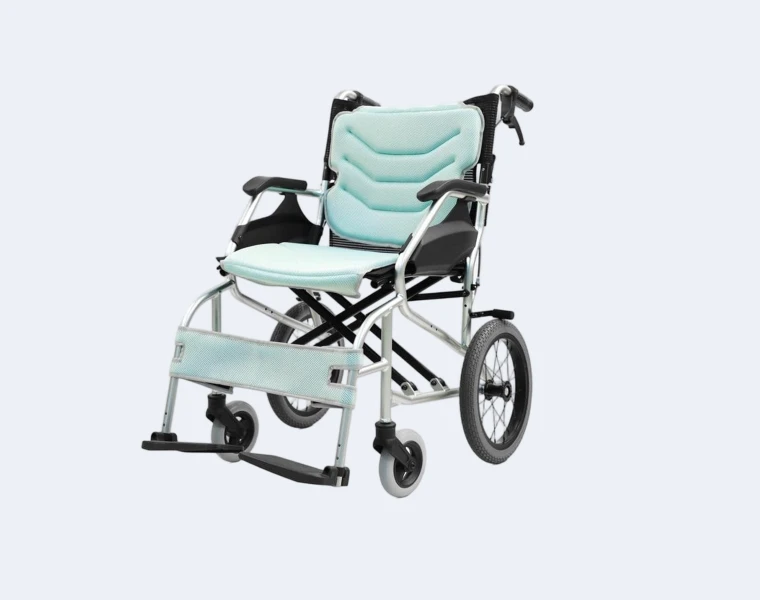
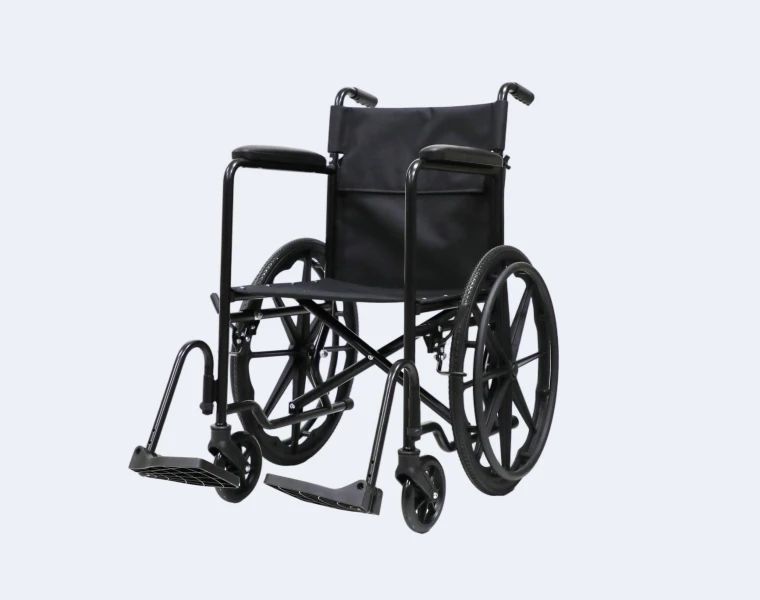
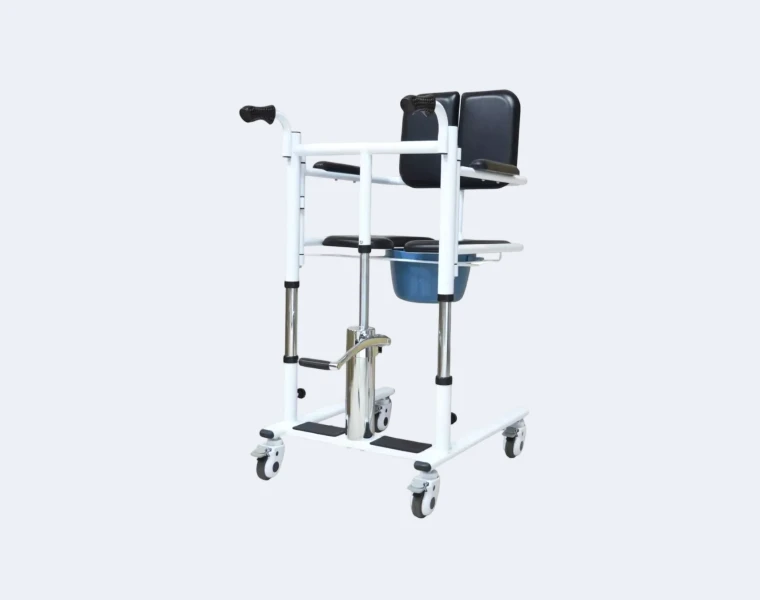
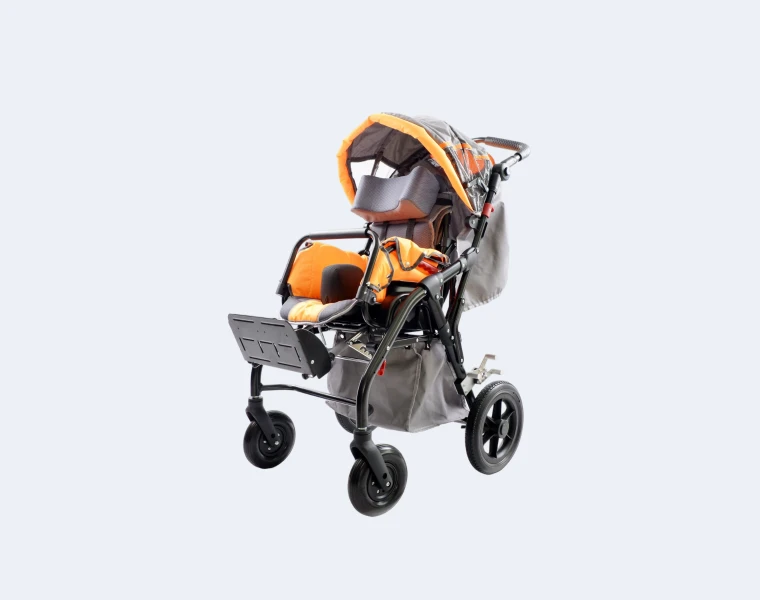
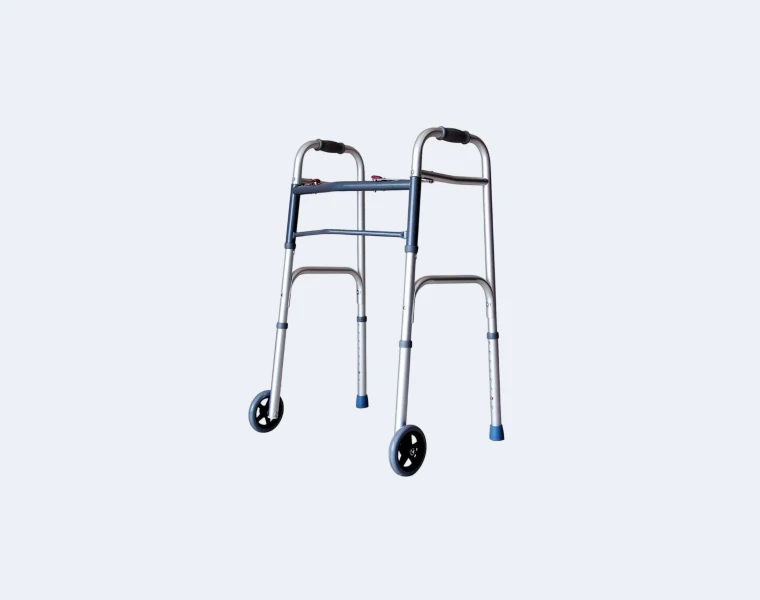
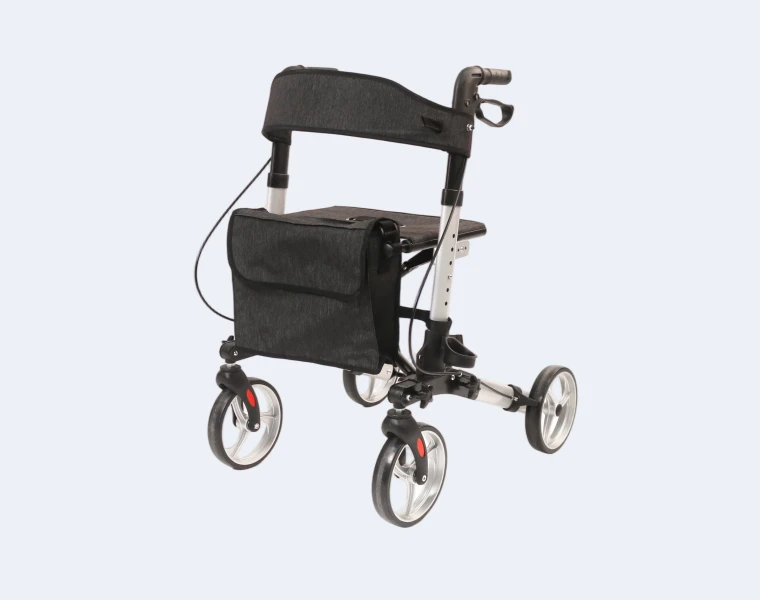
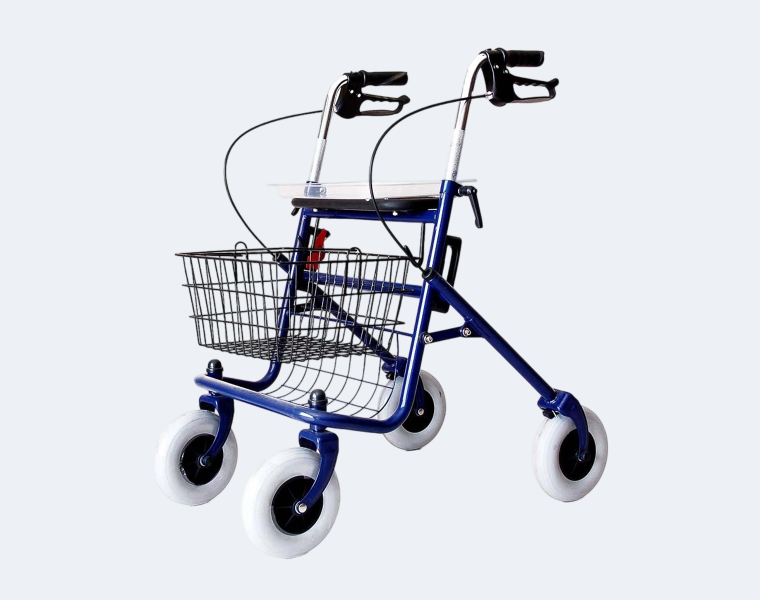
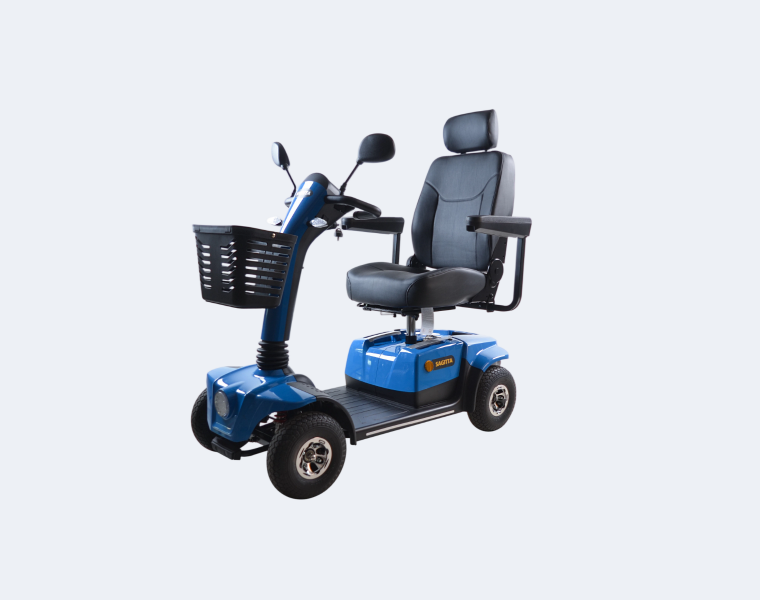
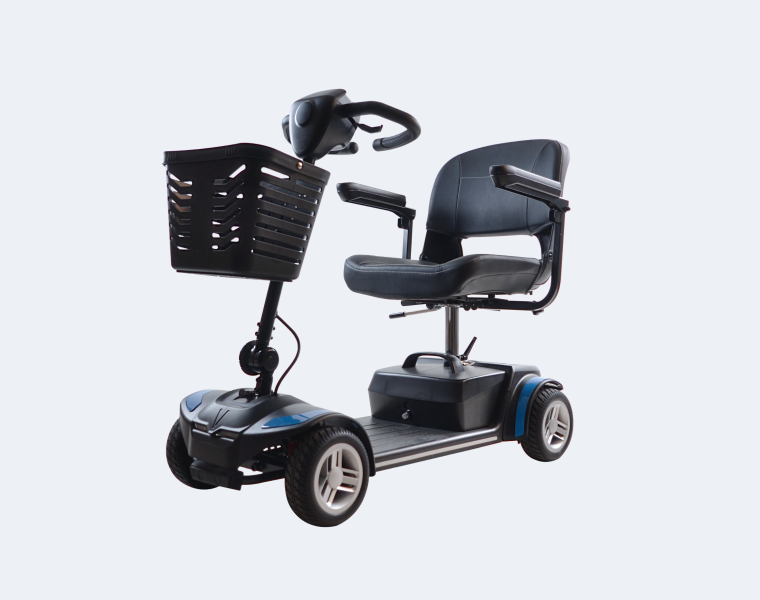
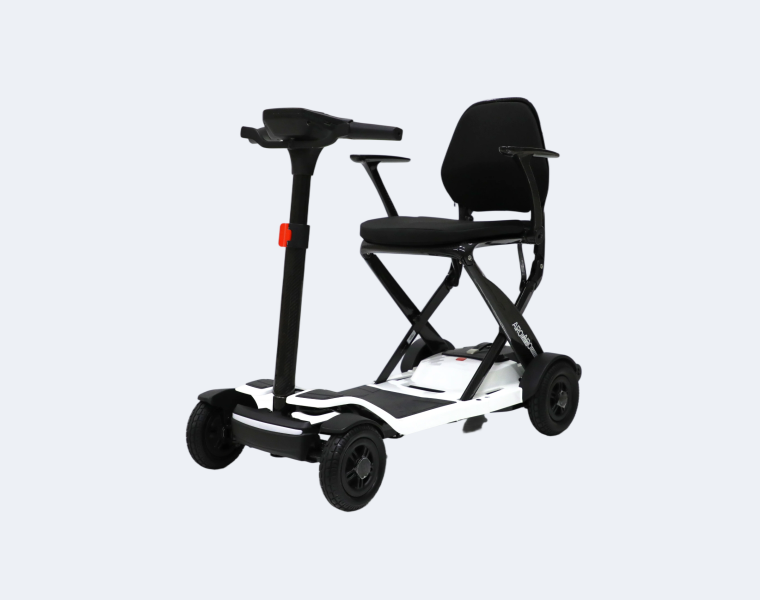
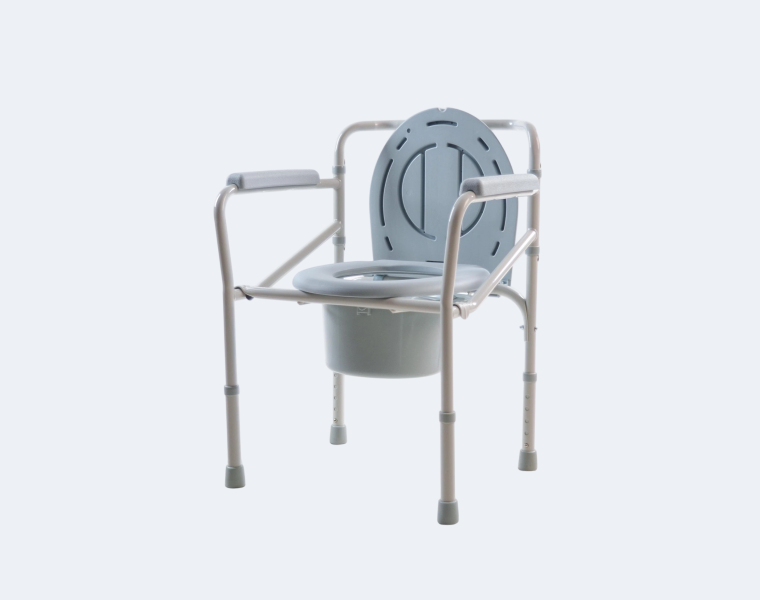
INTCO’s wheelchair manufacturing base in Zhenjiang, Jiangsu, established in 2004, produces rehabilitation and mobility equipment. It supports a production capacity of roughly one million manual wheelchairs and 100,000 electric wheelchairs per year.
Shanghai — Hot and Cold Therapy
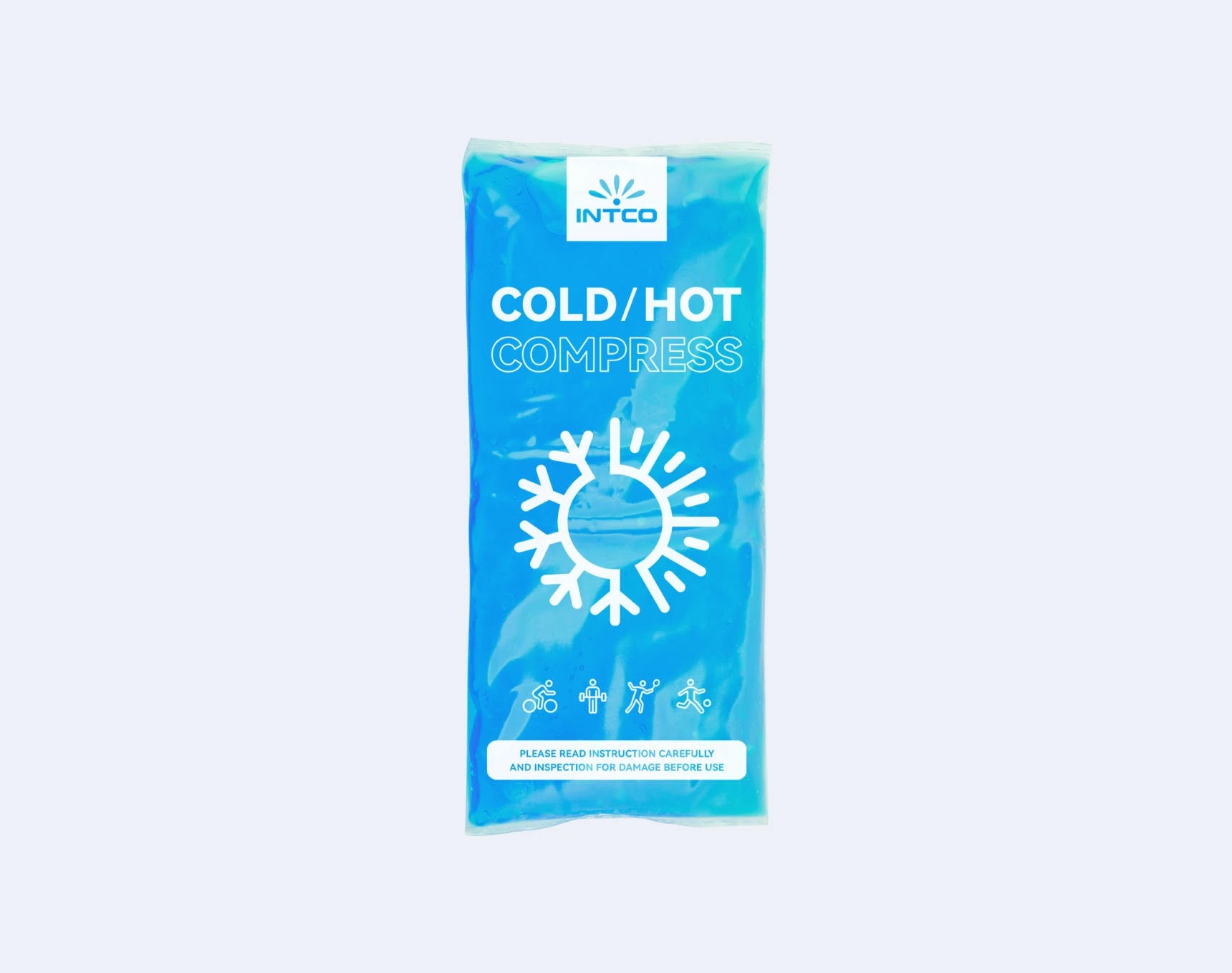
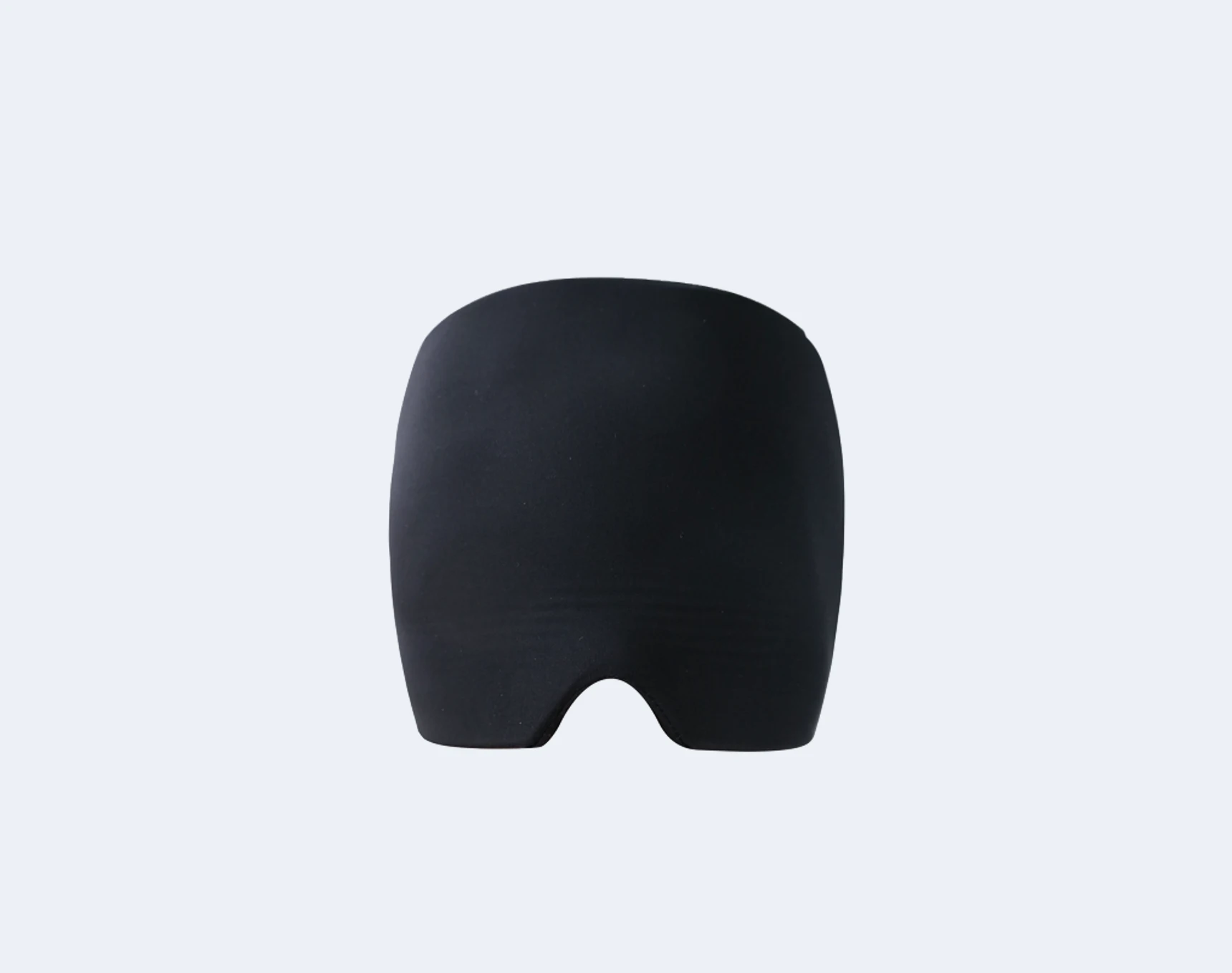
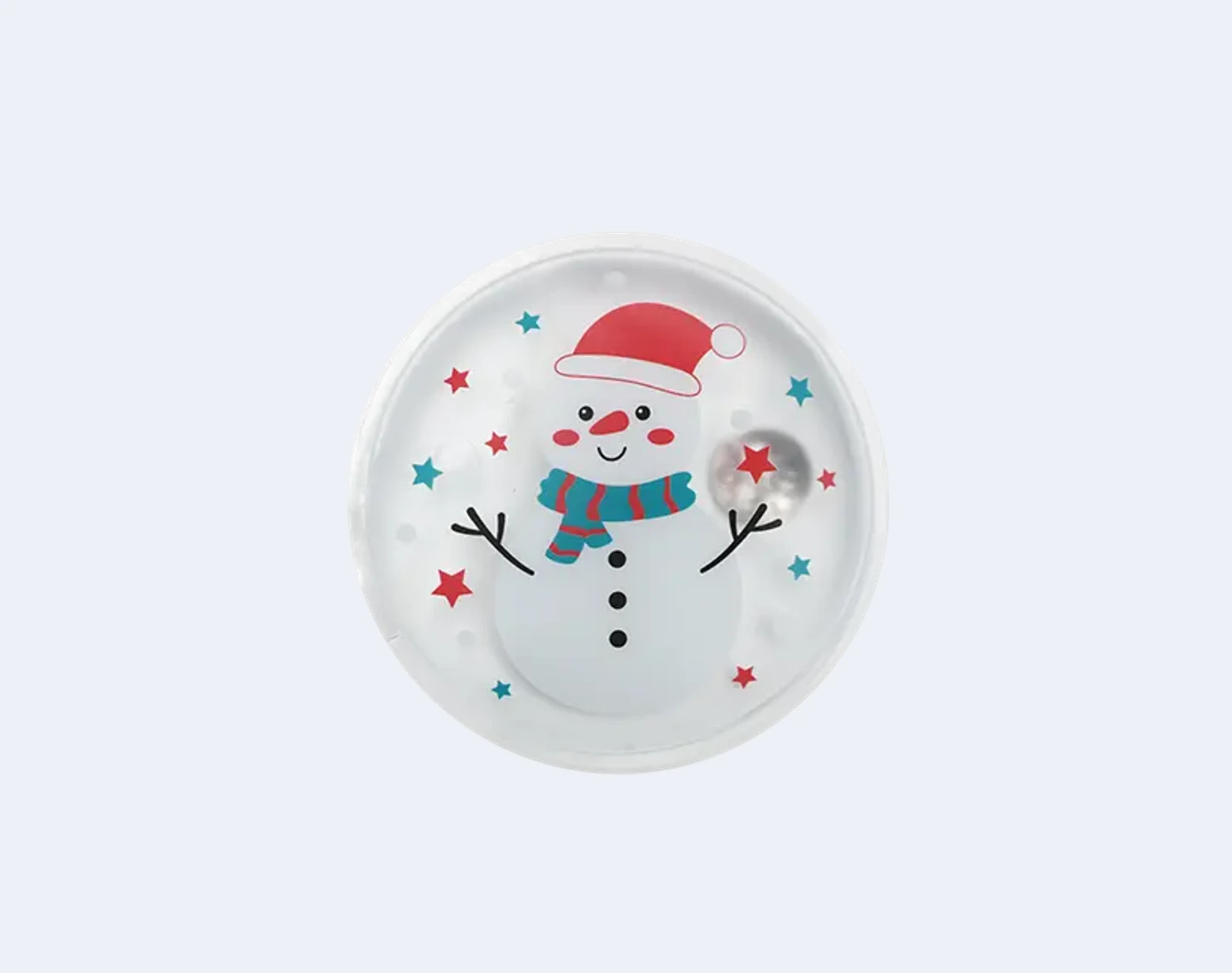
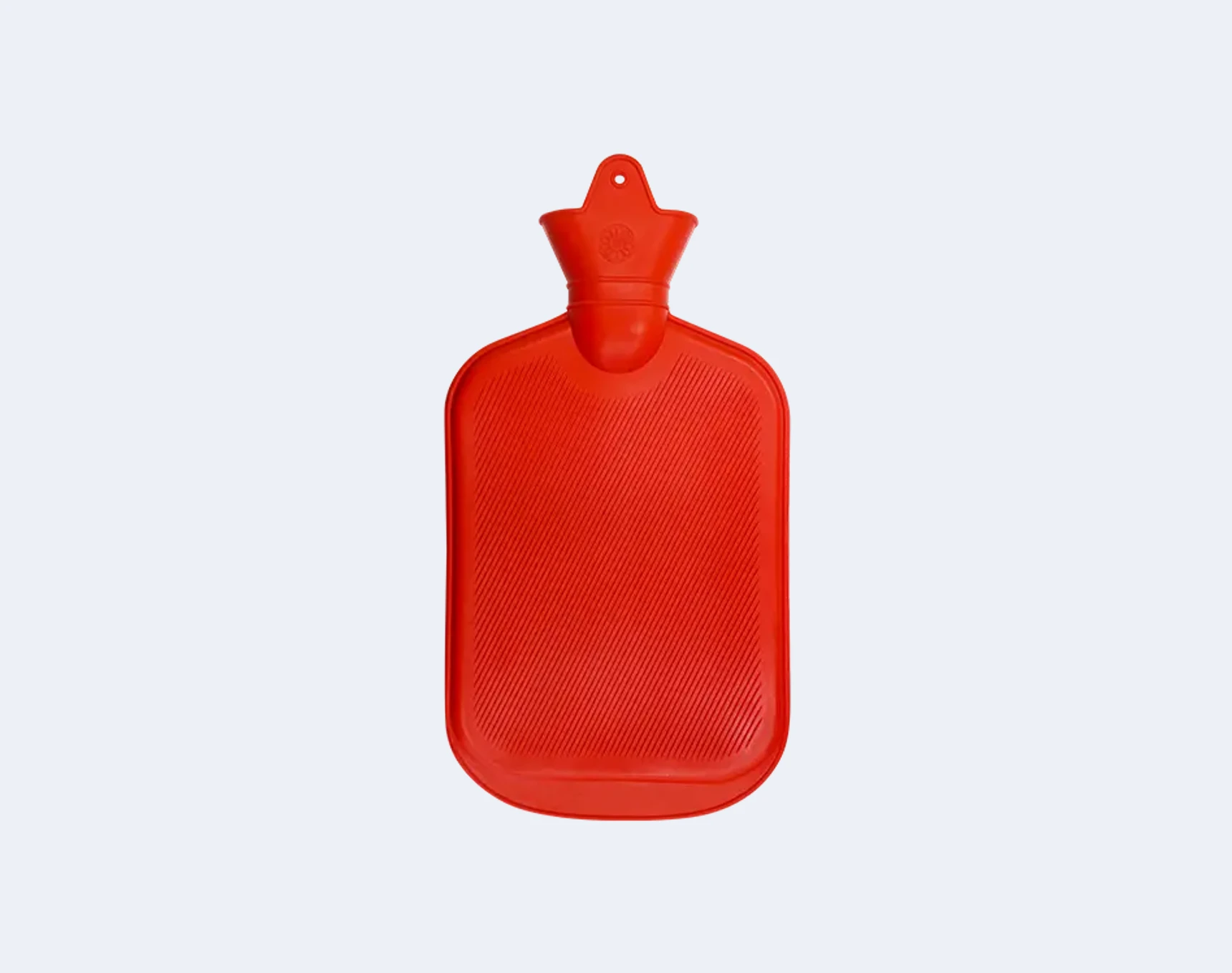
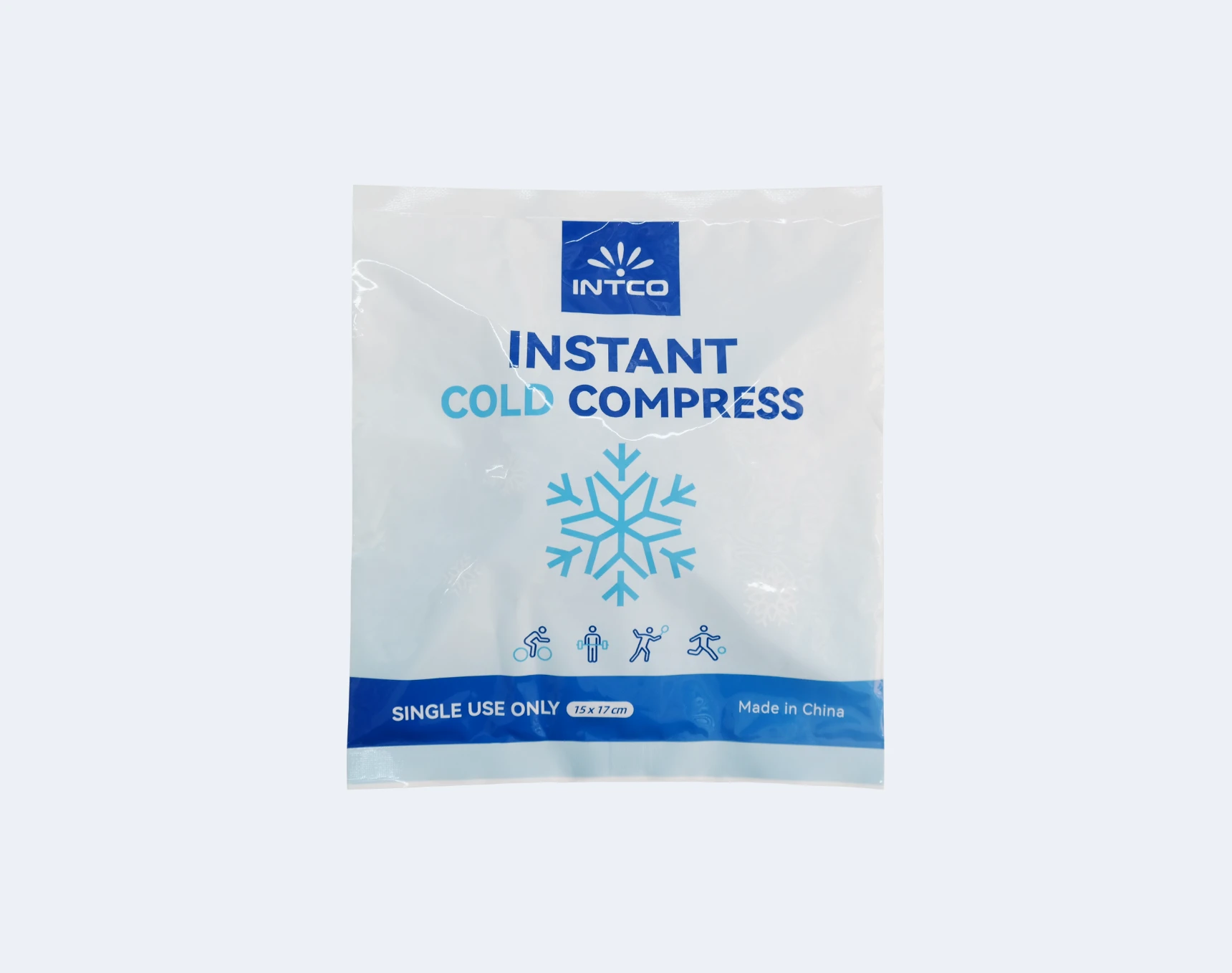
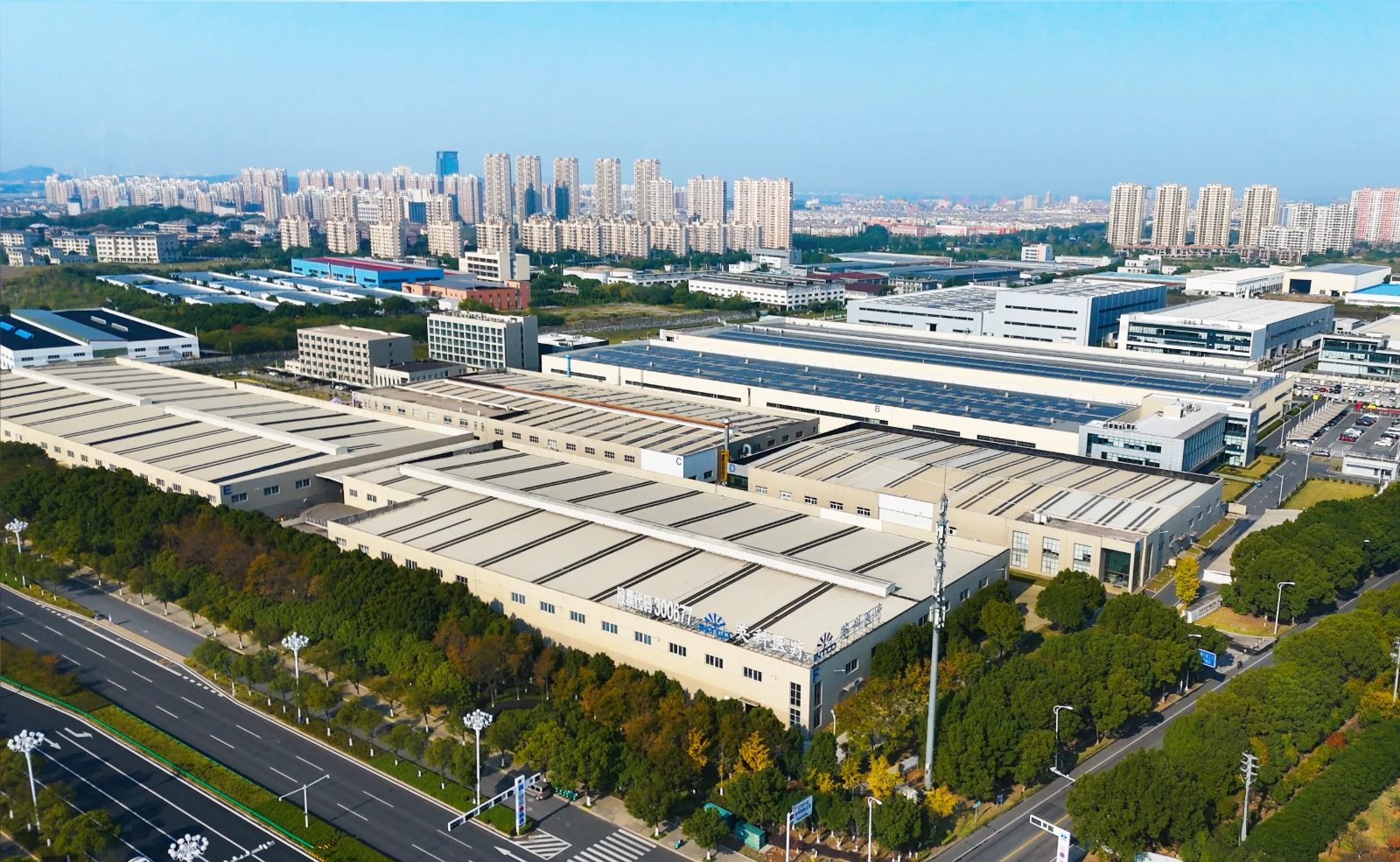
The Shanghai base, established in 2003, produces hot and cold therapy products. It combines R&D, manufacturing, marketing design, and logistics, reaching a monthly output in the tens of millions of products.
Quang Ninh, Vietnam — the Therapy and Consumables Base
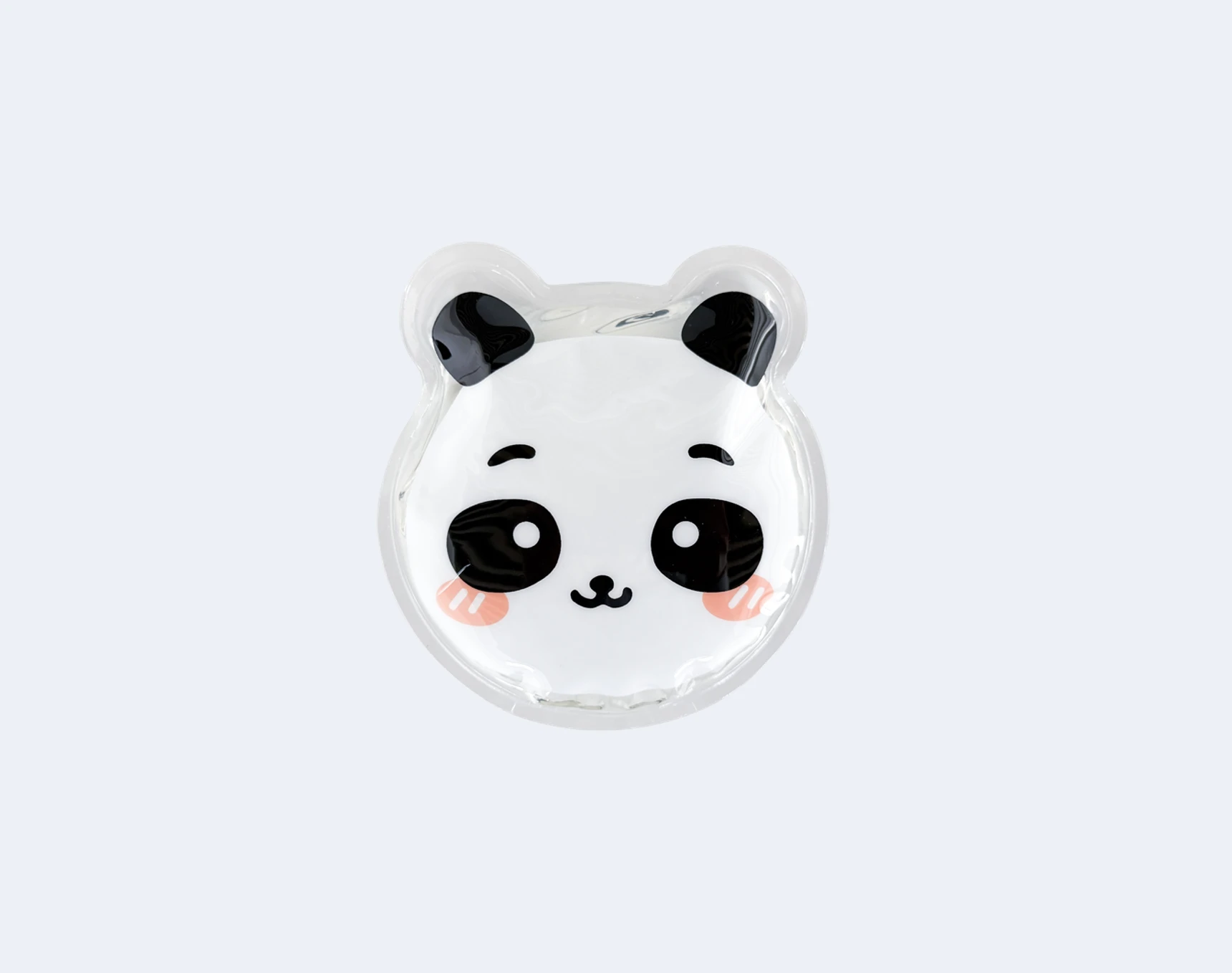
INTCO extended its therapy and medical consumables footprint overseas with a high-end R&D and manufacturing base in Quang Ninh, Vietnam. Situated about 30 minutes from Hai Phong port, the facility produces instant and reusable hot-and-cold therapy products and plans to add women’s care and infant heel warmer lines.
The Vietnam Base and Geographic Diversification
The Vietnam presence is deliberate, and it matters to US and European buyers specifically. A wide-ranging view of resilient medical product supply chains stresses that manufacturers who diversify across regions reduce exposure to trade barriers and single-market disruption — exactly the logic behind INTCO’s China-plus-Vietnam structure.
Relocating a meaningful share of therapy and consumable production outside China gives buyers a dual-region sourcing story: cost-competitive Chinese scale for high-volume gloves, plus a Southeast Asian base that hedges tariff and geopolitical risk. For procurement teams weighing total cost of ownership against supply reliability, that geographic spread is a tangible, auditable asset rather than a talking point.
Automation, Digitalisation, and Quality Across the Production Facilities
The bases are not just big — they are highly automated. Precision matters at this volume, and INTCO’s advanced glove manufacturing capabilities rely on Distributed Control Systems (DCS) that automatically regulate temperature and liquid levels during dipping. The company reports this maintains glove yield above 99% and holds 159 registered patents on its self-designed production lines.
Digitalisation runs deeper than a single control loop. INTCO has worked with partners such as Siemens, applying Totally Integrated Automation (TIA), a Manufacturing Execution System (MES), and an XHQ operation command system across its digital factory build-out, and it has teamed with robotic-automation partners such as KUKA on smart manufacturing. RFID and information systems manage inbound, outbound, and transfer flows, giving the network a level of visibility that supports consistent output across sites.
That discipline carries into certification. Products meet international standards including FDA 510(k), CE, ISO 9001, and ISO 13485, covering both quality management and medical device compliance. These are not just marketing claims — several are independently verifiable. FDA 510(k) clearances for INTCO’s medical devices are on file in the public U.S. FDA premarket database, including clearances under numbers such as K213509 (Shandong Intco Medical) and K231365 (Anhui Intco Medical). CE conformity is backed by Notified Body SATRA (#2777) under the EU’s MDR (2017/745) and PPE Regulation (2016/425), and ISO 13485:2016 certification is issued by Intertek. Products also undergo third-party testing by SGS and TÜV against international standards. When an auditor asks for traceability and standardized processes across plants, a certified, digitally managed network backed by independent bodies is a far easier answer than a one-off factory.
What This Means for Healthcare Procurement
For hospital and health-system buyers, the manufacturing base network translates into three practical benefits.
First, continuity of supply. Because capacity is distributed, a single regional disruption is less likely to become your stockout. Second, compliance confidence. Certified, standardized sites mean the gloves and equipment you receive meet the same quality bar regardless of which base filled the order. Third, buying efficiency. A manufacturer that already spans gloves, non-woven PPE, and rehabilitation equipment supports a consolidated, one-stop procurement strategy — fewer vendors, standardized contracts, and a simpler path to lowering total cost of ownership.
What Procurement Partners Say
The resilience story carries more weight with real names, numbers, and first-hand feedback attached. Three decades of this network in action show up across multiple collaborations.
A global healthcare distribution leader — nearly 30 years of partnership. One of North America’s largest pharmaceutical distribution groups, serving more than half of the region’s major hospitals, has bought from INTCO since the company’s founding days. Over nearly three decades, the relationship grew from a single product line into a broad portfolio spanning gloves (nitrile, PVC, Synmax), masks, isolation gowns, hot-cold therapy, and cardiac electrodes.
Direct recognition from the client underscores the depth of that trust: the account has awarded INTCO a supplier award for reliability among its global core vendors, and during the pandemic supply crunch, it continued to deliver fast response and dependable supply. At the same time, since INTCO’s products meet ASTM, EN, FDA, and ISO 13485 requirements, the customer can consolidate multiple categories through a single audited supplier — fewer vendors to manage, with quality standards kept consistent across the board.
A leading Middle East medical distributor. A regional distributor serving hospitals, retail chains, and government procurement across the Middle East joined INTCO after years of meeting at international industry shows. Exploratory orders became a strategic partnership built on flexible payment terms, multi-category coverage (PVC, Synmax, nitrile, Syntex gloves, ECG electrodes, masks), and support services such as freight booking and inventory visibility.
End-user feedback echoes the same theme. A medical-products dealer in northwest China says INTCO’s nitrile gloves are “comfortable to wear and clearly outperform PVC, at an acceptable price spread.” A food processor in central China that switched from a competitor found INTCO products “better on protection, comfort, and cost,” and made them the primary glove supplier. And a five-store high-end bakery chain — whose bar is “how the gloves feel on our staff’s hands” — reports the products “won unanimous praise from our team.”
The resilience angle also ties back into the broader story. As INTCO evolved from a domestic manufacturer into a global healthcare partner, the manufacturing base network became the engine of that reach — a set of certified, automated, geographically diversified facilities built to keep global medical supply flowing.
The Bottom Line
When you audit an INTCO Medical facility — or, more realistically, the network of them — you are not just counting floorspace. You are measuring redundancy: multiple glove bases across three Chinese provinces, a rehabilitation hub in Jiangsu, therapy production in Shanghai and Vietnam, all unified under one quality system and running on DCS-controlled automation with annual glove capacity of 107 billion pieces.
For a buyer whose worst-case scenario is a supplier that cannot deliver when the next disruption lands, that distributed structure is the difference between a risk and a known asset.
Key Takeaway: INTCO Medical’s R&D and manufacturing bases across China and Vietnam are designed to de-risk medical supply — 107 billion gloves of annual capacity, geographic diversification, and certified, automated production all pointing to continuity of supply.
If you are evaluating a supplier’s manufacturing depth for your own procurement plan, request INTCO’s production base and specification details, or talk through your supply chain requirements with their team to see how the network maps to your volumes and compliance needs.
Frequently Asked Questions
Where are INTCO Medical’s manufacturing bases located?
INTCO operates R&D and manufacturing bases across China and Vietnam. In China, disposable glove production is centered in Shandong (Zibo, Qingzhou), Anhui (Huaibei, Anqing), and Jiangxi (Jiujiang), alongside a rehabilitation base in Zhenjiang and hot-and-cold therapy production in Shanghai. Overseas, a high-end therapy and consumables base sits in Quang Ninh, Vietnam, roughly 30 minutes from Hai Phong port.
How much glove capacity does INTCO have?
INTCO reports an annualised disposable non-latex glove capacity of 107 billion pieces, split roughly 74 billion nitrile and 33 billion vinyl gloves. Multiple large-scale bases carry that volume, so bulk orders can be filled without the capacity bottlenecks smaller suppliers face.
How does a multi-base network protect against supply disruption?
Because capacity is distributed across multiple sites and two countries, a single regional disruption — a customs backlog, a labor crunch, or a raw-material shock — is far less likely to become a stockout. Output can be rebalanced to qualified sites, which is the structural answer to the sudden demand spikes that disposable gloves are prone to.
How does INTCO keep quality consistent across different bases?
Every site runs the same certified quality system and DCS-controlled automation. Products meet FDA 510(k), CE, ISO 9001, and ISO 13485 standards — with FDA clearances verifiable in the public database and ISO 13485 certification issued by Intertek — so the quality bar stays the same regardless of which base filled an order.
Which product categories go beyond gloves?
Beyond disposable gloves, INTCO’s bases produce rehabilitation and mobility equipment (manual and electric wheelchairs in Zhenjiang), hot-and-cold therapy products (Shanghai and Quang Ninh), and plans to extend into women’s care and infant heel warmer lines in Vietnam.
Can I audit the production bases before sourcing?
Yes. Because the bases are standardised, certified, and digitally managed, procurement teams can request production-base and specification details — an auditable quality and supply story rather than a one-off factory pitch.