








































Hospital Medical Supplies Supplier: Building a One-Stop Procurement Strategy
INTCO Medical in North America: Market Position, Regulatory Compliance & Supply Chain
FROM: INTCO Medical
|
24 Aug 2026
The North American healthcare supply chain is undergoing a structural realignment. Spurred by geopolitical shifts, steep tariff adjustments on Asian imports, and stricter regulatory oversight by the U.S. Food and Drug Administration (FDA), hospital procurement officers, Group Purchasing Organisations (GPOs), and B2B distributors are re-evaluating their vendor portfolios. In this high-stakes operating environment, supply chain resilience, total cost of ownership (TCO), and audit readiness have superseded simple per-box pricing as the defining metrics of vendor performance.
As the world’s largest market for disposable gloves and medical consumables, North America demands an uninterrupted flow of certified, high-barrier personal protective equipment (PPE) and durable medical equipment (DME). INTCO North America operations—anchored by localised logistics entities, digital compliance management systems, and a dual-sourcing manufacturing footprint—provide a representative case study of how global medical manufacturers navigate complex trade dynamics.
This operational analysis examines INTCO Medical’s strategic market position across the United States and Canada, evaluating its multi-category product matrix, multi-tier regulatory compliance framework under the new FDA Quality Management System Regulation (QMSR), and omnichannel distribution infrastructure.
1. Market Position & Macro Dynamics: Navigating Supply Chain Headwinds
1.1 The North American Market Landscape
North America remains the single largest consumer of disposable medical gloves globally, with a consumption market valued at roughly $12.4 billion in 2025 according to Market Research Intellect’s North America Disposable Medical Gloves Consumption Market analysis, representing approximately 38% of worldwide demand. Demand structure across the continent reflects strict infection control protocols and occupational safety standards:
-
Medical & Acute Care: Healthcare remains the dominant end-use segment across the glove industry. Per Grand View Research, the healthcare segment accounted for ~78% of disposable glove demand in 2025, driven by hospitals, clinics, diagnostic centres, and long-term care facilities.
-
Industrial, Food & Sanitation: The remainder is distributed across industrial, food service, and consumer applications. U.S. procurement data indicates the United States alone accounts for roughly 81% of North American glove purchases (per Market Growth Reports).
Product preferences within the INTCO USA market have evolved significantly over the past decade. Powder-free nitrile examination gloves continue to expand their market share due to superior puncture resistance, chemical barrier performance, and freedom from natural rubber latex allergens. Conversely, natural rubber latex gloves continue to experience market contraction, while vinyl gloves maintain a stable baseline demand in non-invasive, high-turnover applications where cost-efficiency is paramount.
1.2 Mitigating Tariff Headwinds via Global Capacity & Dual Sourcing
The direct export landscape for Chinese-manufactured disposable gloves into the United States has faced unprecedented trade friction. U.S. regulatory policy implemented escalating Section 301 tariffs on Chinese medical and surgical gloves — rising from 7.5% to 50% on January 1, 2025, and further to 100% on January 1, 2026 (per White & Case and the USTR) — with additional duty and logistics layers further raising landed costs. As a direct consequence, China’s direct share of U.S. disposable glove imports contracted sharply from 32.2% to 2.6%.
To shield North American supply partners from tariff-induced price volatility, INTCO Medical Company executed a large-scale global manufacturing expansion. With an annual production capacity reaching 107 billion gloves (74 billion Nitrile and 33 billion Vinyl), INTCO established advanced manufacturing facilities in Vietnam alongside its 10 global R&D and production bases.
Operational Dimension
INTCO Global Capability
North American Impact
Annual Glove Capacity
107 Billion Gloves/Year
Uninterrupted volume security for enterprise GPOs & national healthcare systems
Manufacturing Footprint
10 R&D & Manufacturing Bases
Dual-sourcing flexibility to hedge against geopolitical tariffs & localized port disruptions
Overseas Sales Centers
5 Centers (Los Angeles, CA; Markham, ON; Essen; Tokyo; KL)
Localized account management, rapid sample deployment, and real-time customer service
Global Customer Base
15,000+ Clients across 150+ Countries
Proven scale economy, lowering total cost of ownership for high-volume buyers
1.3 Canada Market Penetration & Product Innovations
While the U.S. market required strategic tariff hedging via Vietnam, trade data indicates expanded distribution in Canada, where INTCO has strengthened its positioning across the disposable glove segment.
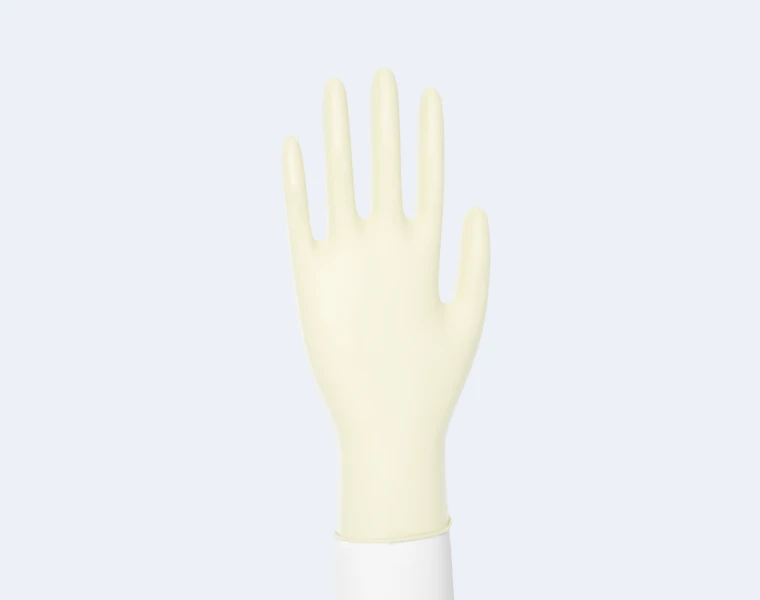
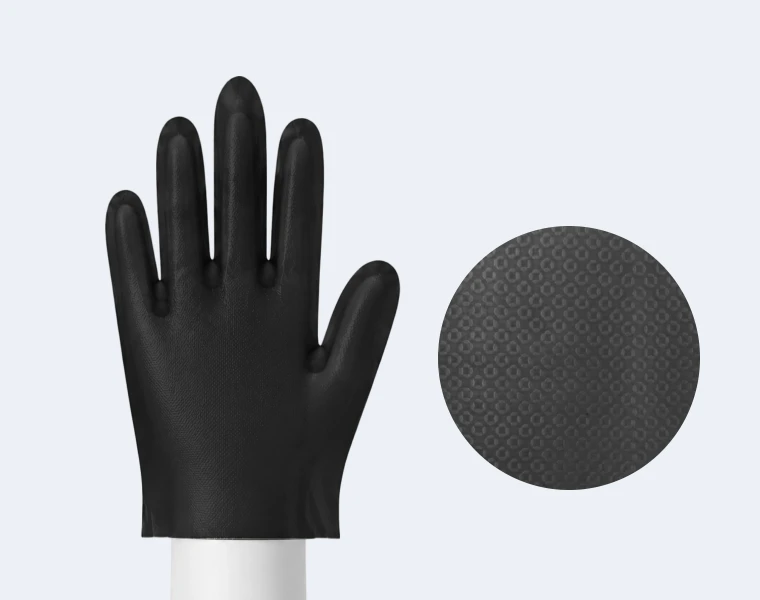
To maintain its competitive edge across both Canadian and U.S. markets, INTCO has rolled out several high-performance product lines through its global healthcare manufacturing network:
-
Syntex™ Synthetic Latex Gloves: Launched in March 2025, Syntex features a proprietary synthetic polymer formulation delivering over 600% elongation, matching the tactile softness and elasticity of natural rubber latex without containing natural latex proteins. Furthermore, because Syntex is entirely synthetic, it is unaffected by the European Union Deforestation Regulation (EUDR) and severe natural rubber latex supply chain bottlenecks, providing a stable alternative for global healthcare buyers.

-
Synmax Pro Industrial Line: Engineered specifically for high-stress industrial, MRO, and automotive environments, offering enhanced chemical splash resistance and superior tensile strength.
-
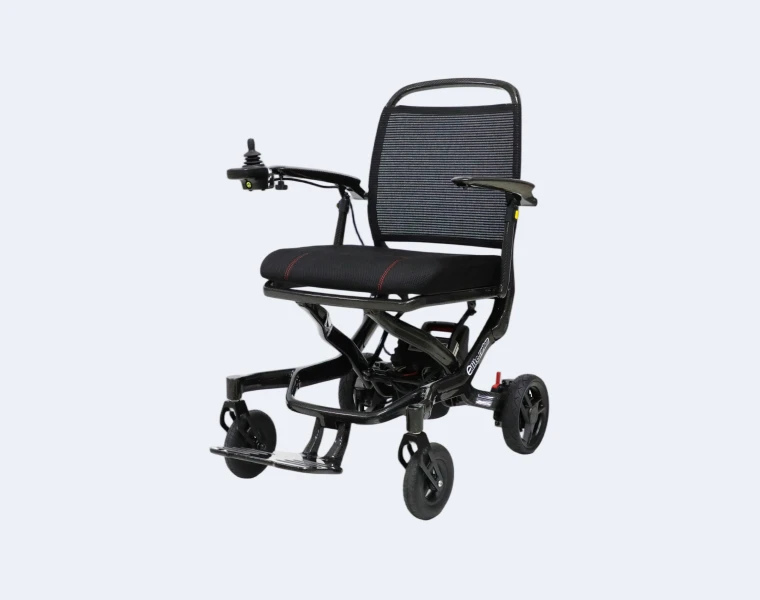
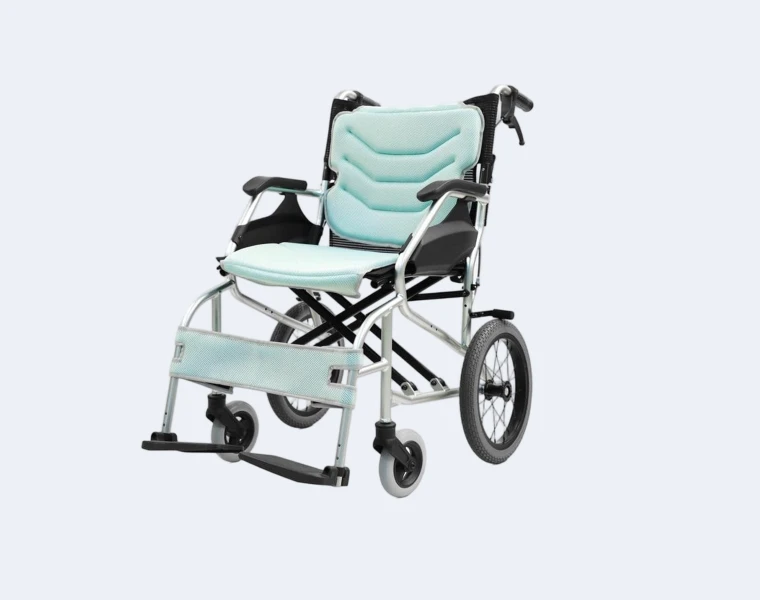
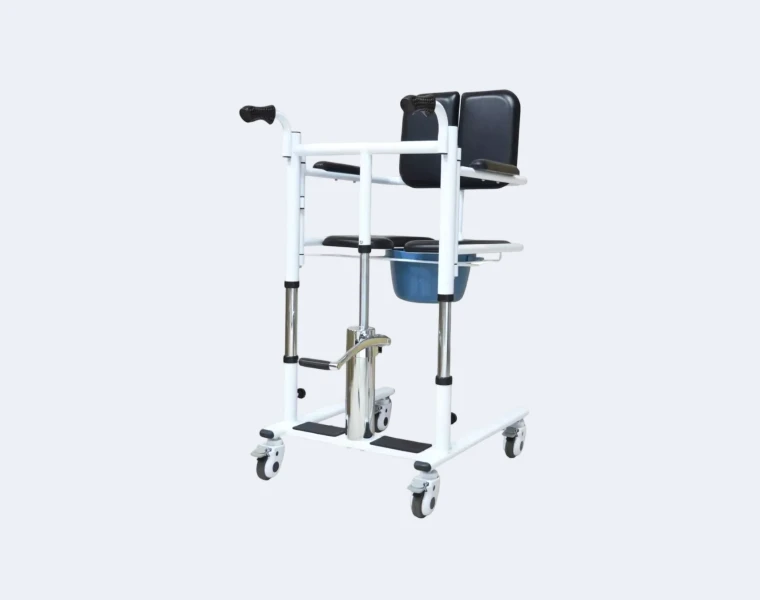
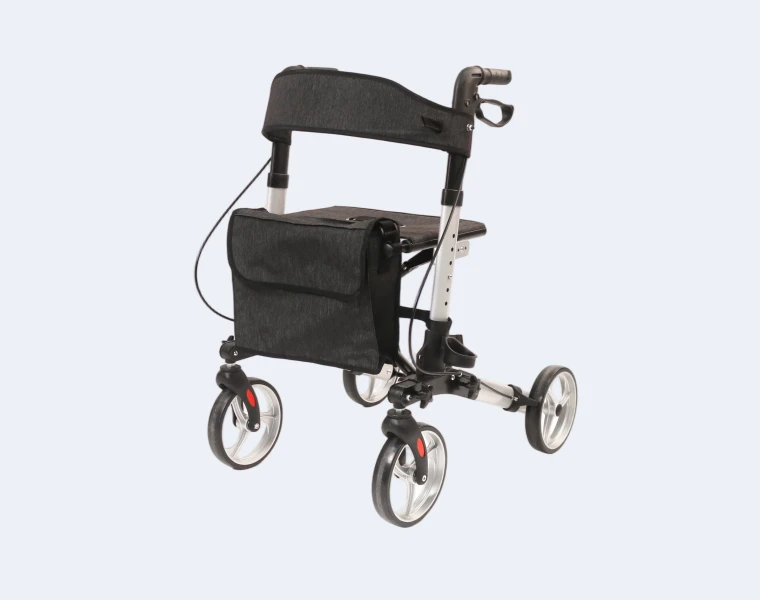
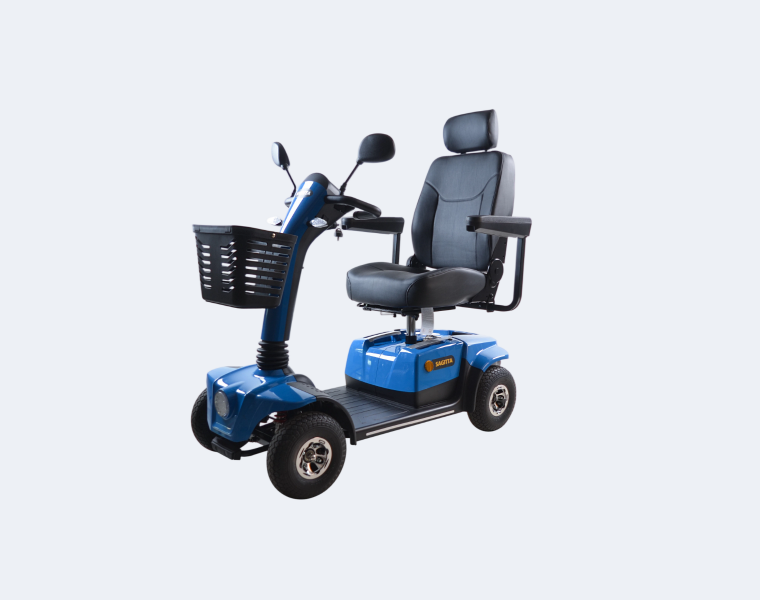
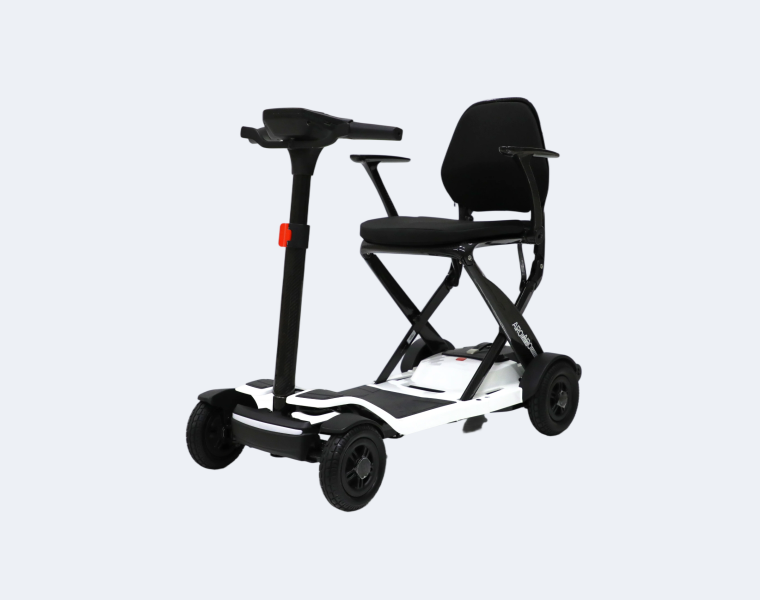
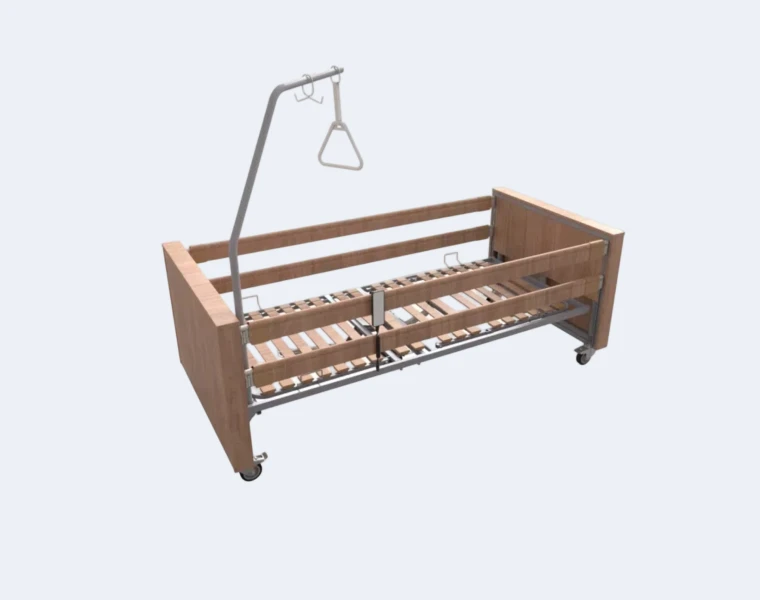
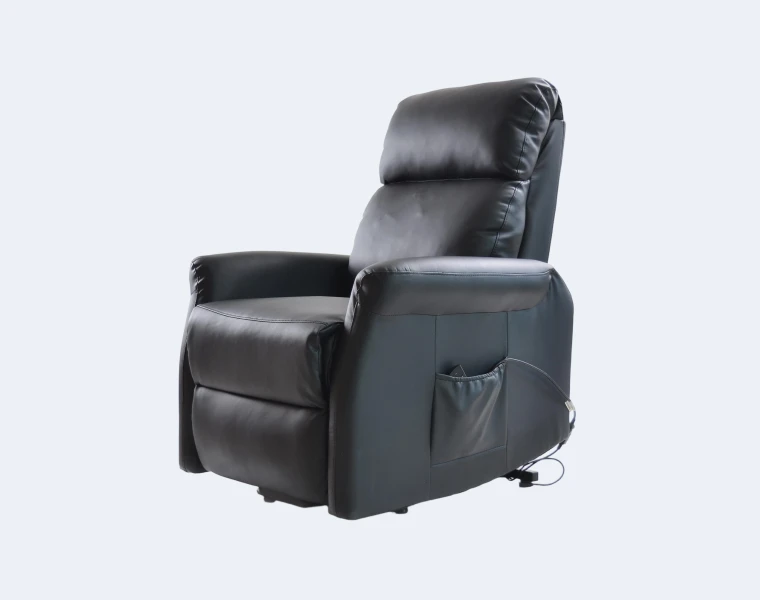
Rehabilitation Durable Medical Equipment (DME): INTCO has expanded far beyond consumables, securing CE-MDR and international registrations for its power wheelchairs, manual wheelchairs, patient lifts, rollators, and mobility scooters. This line competes differently in the mid-to-high value-for-money segment against established brands such as Pride Mobility, Drive DeVilbiss, and Invacare.
-
Adult Incontinence Care: Operating primarily under private-label OEM/ODM agreements with major North American retail and healthcare distribution networks, supplying adult briefs, protective underwear, and underpads.
-
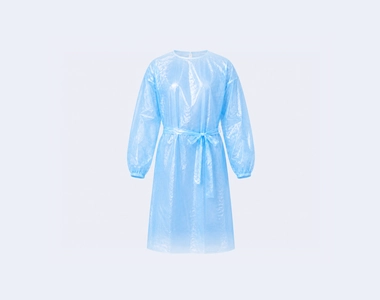
Non-Woven Medical PPE: Non-woven products include surgical masks, N95 respirators, isolation gowns, and protective suits. Notably, INTCO’s isolation masks are undergoing advanced sample testing and validation, marking a pivotal expansion into tier-1 U.S. clinical distribution networks.
2. Regulatory Compliance: Multi-National Certifications & FDA QMSR Alignment
In the medical consumables and DME sectors, regulatory compliance serves as the fundamental gatekeeper. A failure in regulatory oversight can lead to import detentions, FDA warning letters, and catastrophic supply chain halts. INTCO maintains a comprehensive regulatory architecture designed to satisfy the rigorous audit criteria of North American health authorities and institutional buyers.
2.1 U.S. FDA Approvals & ASTM Physical Standards
Every medical glove line distributed by INTCO within the United States holds active FDA 510(k) premarket notifications, ensuring full compliance with medical device classification requirements. Additionally, INTCO products meet rigorous food contact and physical performance standards:
-
Food Contact Safety: Certified under FDA 21 CFR 177.2600 (Rubber Articles Intended for Repeated Use) and FDA 21 CFR 177.1975 (Vinyl Chloride Polymers in Food Contact), authorising safe deployment in commercial food processing and institutional dining.
-
ASTM D6319 (Nitrile Examination Gloves): Mandates strict physical requirements, including minimum tensile strength (14 MPa before aging) and pinhole inspection thresholds (AQL 1.5 or lower).
-
ASTM D5250 (Vinyl Examination Gloves): Governs dimensional tolerances, physical stress values, and freedom from pinholes for vinyl examination gloves.
-
ASTM D3578 (Natural Latex Gloves): Regulates physical properties and maximum acceptable protein levels in natural rubber latex gloves.
-
ASTM D6978 (Chemotherapy Permeation Testing): Measures resistance to permeation by chemotherapy drugs under continuous contact conditions, a critical requirement for oncology wards and compounding pharmacies.
2.2 International Quality Management & Social Accountability
To support global distribution and multi-jurisdictional procurement contracts, INTCO operates under an integrated quality management framework:
-
ISO 13485:2016: The international quality management standard specific to medical devices, covering design, manufacturing, and post-market surveillance.
-
MDSAP (Medical Device Single Audit Program): A single regulatory audit that satisfies the quality system requirements of five major global health authorities: the U.S. FDA, Health Canada, Australia’s TGA, Brazil’s ANVISA, and Japan’s MHLW/PMDA. MDSAP certification drastically reduces audit overhead for North American health systems operating across borders.
-
CE-MDR (EU 2017/745) & CE-PPE (EU 2016/425): Full European conformity clearance for both medical devices (wheelchairs, patient lifts, exam gloves) and personal protective equipment (Category III protective gloves).
-
Social Accountability Audits: INTCO facilities successfully pass independent social compliance audits required by major North American big-box retailers and enterprise distributors, including SCAN, WRAP, BSCI, and SEDEX.
Procurement Best Practice: Institutional buyers should mandate digital certificate verification alongside lot-specific Acceptance Quality Limit (AQL) testing reports (under ISO 2859-1 / MIL-STD-105E). Manual certificate tracking remains vulnerable to expiration lapses that risk customs detentions. Centralized digital compliance platforms tracking live certification records (such as INTCO’s approximately 1,900 active global registrations) help ensure automated expiration alerts and rapid submission of audit evidence packages during GPO reviews.
2.3 The FDA QMSR Transition: Immediate Audit Readiness
A monumental shift in U.S. medical device regulation occurred on February 2, 2026, when the FDA officially retired its legacy Quality System Regulation (QSR) under 21 CFR Part 820 and enforced the retitled FDA Quality Management System Regulation (QMSR).
The QMSR harmonizes U.S. current Good Manufacturing Practice (CGMP) requirements with international standards by incorporating ISO 13485:2016 by reference. Under the QMSR, the FDA stopped using the Quality System Inspection Technique (QSIT) and transitioned to an ISO-aligned inspection playbook.
Because INTCO Medical had long-established, mature ISO 13485:2016 quality systems and MDSAP certification across its manufacturing plants, its North American partners experienced zero regulatory downtime or documentation gaps during the February 2026 transition. Enterprise healthcare buyers can inspect INTCO’s digitized regulatory certification database to verify full alignment with FDA QMSR expectations.
3. Distribution Infrastructure: Physical Footprint & Omnichannel Network
A superior product matrix is ineffective without robust logistics and fulfillment infrastructure. INTCO’s operational footprint in North America combines physical warehousing entities, tier-1 medical distribution partnerships, industrial MRO channels, and advanced B2B digital infrastructure.
3.1 Localised Physical Entities in the U.S. and Canada
INTCO maintains dedicated corporate and warehousing entities in North America to manage inventory holding, 3PL logistics, customs clearance, and localised customer support:
-
United States: Registered local entities in Ontario, CA anchor INTCO’s warehousing and customer support base on the U.S. West Coast.
-
Canada: Operates through a local entity based in Vaughan, ON, overseeing Canadian sales, Health Canada filings, and distributor relationships.
Having physical infrastructure in Southern California and Ontario, Canada allows INTCO to buffer against sea-freight delays, provide rapid LTL/FTL shipments, and offer localized returns and sample evaluations.
3.2 Omnichannel Channel Breakdown
INTCO distributes its medical consumables and PPE product matrix across five core commercial channels in North America:
-
Healthcare Distribution Giants: INTCO serves as a trusted OEM/ODM and direct brand supplier for North America’s premier medical distributors. These partnerships place INTCO gloves, protective apparel, and medical consumables directly into thousands of acute care hospitals, surgery centers, and long-term care chains.
-
Industrial & MRO Platforms: For heavy industrial, laboratory, and sanitation buyers, INTCO supplies leading national industrial and MRO platforms. These channels rely heavily on INTCO’s bulk packaging configurations, ASTM D6319 compliance, and steady container-load availability.
-
Big-Box Retail Importers: INTCO products and private-label programs are stocked across major national retail chains, providing high-turnover consumer PPE and basic medical care products.
-
E-Commerce & White-Label Fulfillment: INTCO maintains a massive e-commerce presence across leading online marketplaces, including white-label supply for major retail brands. Product offerings range from 100-count dispenser boxes to bulk case packs for home healthcare, food service, and small business buyers.
-
Specialized Healthcare Partners: Strategic distribution agreements with specialized medical suppliers expand INTCO’s reach in clinical surgical suites and specialty procedure facilities.
4. Strategic Outlook & Procurement Recommendations
As North American healthcare providers and enterprise buyers prepare for fiscal 2027 procurement cycles, supply chain risk management must remain paramount. To build a resilient, compliant, and cost-effective medical supply pipeline, procurement teams should consider the following strategic recommendations:
⚠️ Warning on Tariff Vulnerability: Relying solely on single-region manufacturing exposes health systems to sudden tariff spikes and trade lockouts. Procurement teams should mandate that primary vendors offer dual-region manufacturing capabilities to guarantee price and volume stability.
-
Capitalize on Dual-Sourcing Resilience: Partner with manufacturers like INTCO that operate established manufacturing bases in Vietnam to hedge against the escalating Section 301 tariffs (up to 100% on Chinese-origin gloves since January 2026) and other duties on Asian imports while maintaining large-scale production security.
-
Verify FDA QMSR Audit Readiness: Ensure suppliers have fully transitioned their Quality Management Systems to align with ISO 13485:2016, as mandated by the FDA QMSR enforcement that took effect in February 2026. Request access to digitized certification databases to confirm active 510(k) clearances and ASTM test reports.
-
Evaluate Material Innovations to Reduce Supply Risk: Transition away from natural latex and traditional PVC where appropriate. Test modern alternatives such as Syntex synthetic latex gloves, which offer 600%+ elongation and superior comfort without latex allergen risks or EUDR deforestation supply constraints.
-
Consolidate Multi-Category Contracts: Maximize vendor tier discounts and streamline logistics by bundling disposable glove orders with durable medical equipment (wheelchairs, mobility aids) and non-woven PPE through a single, multi-category manufacturing partner.
Conclusion & Procurement Verification Pathways
For national medical distributors, GPO contract managers, and enterprise buyers, navigating the North American medical supply landscape requires balancing tariff exposure with strict FDA QMSR compliance. Evaluating vendor manufacturing scale, dual-sourcing flexibility, and localized warehousing is critical to building a resilient supply chain.
-
Access Regulatory Dossiers & Compliance Records: Review verified FDA 510(k) clearances, ASTM physical test reports, and ISO 13485 certificates via the INTCO Medical Download Center.
-
Supply Chain Consultation & Technical Evaluation: Contact localized logistics nodes in the United States and Canada for sample testing protocols and container-load supply specifications.
FAQ
How does INTCO’s global manufacturing capacity support North American supply stability?
INTCO operates a large-scale production network anchored by 10 global R&D and manufacturing bases, with an annual glove capacity of roughly 107 billion pairs (about 74 billion nitrile and 33 billion vinyl). This scale, combined with dual-sourcing in Vietnam and China, gives enterprise GPOs and national health systems an uninterrupted volume buffer against tariff swings, port disruptions, and localized production shocks.
What is the FDA QMSR, and how does it affect medical glove procurement?
Effective February 2, 2026, the FDA replaced its legacy Quality System Regulation with the retitled QMSR, which incorporates ISO 13485:2016 by reference. Because INTCO’s plants already ran mature ISO 13485:2016 systems and MDSAP certification, its North American partners saw no regulatory downtime or documentation gaps during the transition. Buyers can verify alignment through digitized certification databases.
Why should buyers consider Syntex over natural latex or vinyl gloves?
Syntex is a fully synthetic polymer glove that delivers over 600% elongation, closely matching the feel and elasticity of natural rubber latex without latex proteins or allergen risks. Its synthetic composition also sidesteps EUDR-related deforestation constraints and natural latex supply bottlenecks, making it a stable choice for quality-focused procurement teams.
Does INTCO hold the certifications North American institutional buyers require?
Yes. Its medical glove lines carry active FDA 510(k) premarket notifications and meet ASTM standards such as D6319 (nitrile), D5250 (vinyl), and D6978 (chemotherapy permeation testing). INTCO additionally operates under ISO 13485:2016, MDSAP, CE-MDR/CE-PPE, and passes independent social compliance audits, giving GPO reviewers a comprehensive, audit-ready evidence package.