




















PHARMEDI Vietnam 2026
Hospital Medical Supplies Supplier: Building a One-Stop Procurement Strategy
FROM: INTCO Medical
|
20 Aug 2026
Hospital supply chain executives face unprecedented financial and operational friction. Managing dozens of disparate vendor contracts across emergency departments, operating rooms, and outpatient clinics inflates administrative overhead, creates stockout vulnerabilities, and obscures spend visibility. When an acute care facility orders disposable protective wear from one distributor, wound care supplies from a second, and patient care items from a third, minor shipping delays or price adjustments quickly compound across the health system.
To protect clinical continuity and contain total operating expenses, health systems are fundamentally re-engineering their purchasing models. The industry is moving away from transactional, multi-vendor purchasing toward strategic partnerships with a comprehensive hospital medical supplies supplier. By consolidating high-volume medical consumables under a unified procurement umbrella, hospital purchasing leaders achieve SKU standardisation, stronger contractual leverage, and resilient inventory pipelines.
This guide outlines a strategic framework for hospital procurement teams seeking to transition from fragmented vendor management to a high-performing, one-stop medical supply procurement model.
The Hidden Operational Costs of Vendor Fragmentation
In a traditional hospital purchasing structure, supply chain teams interact with an extensive list of specialised distributors, regional brokers, and niche manufacturers. While this approach was historically intended to secure competitive per-unit pricing, modern health system economics reveal high hidden costs:
-
Administrative Contract Inflation: Maintaining individual contracts, purchase orders, invoices, and compliance dossiers for dozens of suppliers drains procurement resources. Each vendor relationship requires recurring audit cycles, EDI integration setup, and accounts payable processing.
-
Unpredictable Stockouts and Backorders: Fragmented supply chains lack centralised visibility. When a niche distributor experiences raw material shortages, clinical units must execute emergency spot-buys at premium rates to avoid care disruptions.
-
SKU Proliferation and Training Complexity: Allowing individual hospital departments to select preferred brands results in duplicate inventory holdings. Managing multiple variations of standard items—such as medical exam gloves or protective gowns—increases warehouse handling expenses and complicates clinical staff training.
-
Inconsistent Quality and Compliance Risks: Verifying regulatory documentation across dozens of mid-tier distributors increases compliance exposure. A single non-compliant batch lacking verified regulatory clearances can trigger clinical hold notices and audit liabilities.
According to market insights from the Mordor Intelligence Hospital Supplies Market Analysis (2026), demand for standardised disposable hospital supplies is accelerating rapidly as healthcare facilities prioritise infection prevention, waste reduction, and rigorous supply chain governance over piecemeal spot purchasing.
Key Takeaway: Low unit prices from fragmented suppliers are often offset by administrative overhead, emergency spot-buying costs, and SKU management expenses. A centralized procurement model focuses on Total Cost of Ownership (TCO) rather than surface-level unit rates.
The 5-Pillar One-Stop Procurement Strategy Framework
Transitioning to a unified model requires a structured framework that aligns clinical requirements with supply chain operations. A resilient hospital procurement strategy rests on five operational pillars:
|
Pillar 1: SKU Rationalisation |
Pillar 2: TCO & Contract Optimisation |
Pillar 3: Quality Compliance & Direct Vetting |
Pillar 4: Automated Inventory & PAR Control |
Pillar 5: Supply Chain Resiliency |
|---|---|---|---|---|
|
Catalogue standardisation & duplicate SKU elimination |
Total Cost of Ownership evaluation & volume tier rebates |
FDA 510(k), ISO 13485 & AQL batch inspection vetting |
Real-time EDI/ERP integration & PAR replenishment |
Multi-site manufacturing & dual-sourcing stability |
1. SKU Rationalisation and Catalogue Standardisation
Before engaging a prospective hospital supplies supplier, supply chain leaders must audit existing consumption data across all facilities. Consolidating departmental requests into an approved, core SKU catalogue reduces inventory holding costs and eliminates duplicate safety stock. Standardising high-volume items—such as nitrile exam gloves, surgical drapes, and rehabilitation equipment—enables hospitals to negotiate high-volume tier pricing.
2. Total Cost of Ownership (TCO) Optimisation
Price per unit represents only a fraction of true procurement expense. A comprehensive TCO evaluation incorporates:
-
Direct purchase cost and tier rebates
-
Freight, warehousing, and expedited delivery charges
-
Order processing and invoice reconciliation overhead
-
Risk cost associated with vendor defect rates and stockout penalties
Consolidating purchases with a single primary medical consumables supplier eliminates tiered freight surcharges and unlocks volume-based rebate structures that lower net expenditure.
3. Direct Quality Compliance and Regulatory Dossier Verification
A single point of procurement failure can compromise clinical safety. Healthcare supply chain teams must require vendors to provide complete regulatory evidence packages prior to contract execution, including FDA 510(k) clearances, ISO 13485 quality system certifications, and Acceptable Quality Level (AQL) testing reports.
4. Automated Inventory Integration and PAR Level Control
Modern healthcare supply chains rely on automated data exchange. Partnering with a supplier capable of integrating directly into hospital Electronic Data Interchange (EDI) systems and Enterprise Resource Planning (ERP) software streamlines reorder workflows. Real-time consumption tracking ensures Periodic Automatic Replenishment (PAR) levels are maintained without manual intervention.
5. Multi-Site Manufacturing Resiliency
To insulate health systems from regional logistics bottlenecks, procurement teams must evaluate the vendor’s underlying manufacturing footprint. Suppliers with dual-region manufacturing facilities and large-scale global output offer significantly higher delivery stability during demand surges.
Pro Tip: When evaluating one-stop supply proposals, request verification of raw material dual-sourcing and lot traceability protocols. Vendor transparency at the factory level is the single best indicator of long-term fill-rate stability.
Evaluating a One-Stop Hospital Medical Supplies Supplier: Criteria & Scorecard
Selecting the right partner requires a rigorous evaluation methodology. Hospital purchasing committees—comprising supply chain directors, infection control specialists, and finance officers—should score prospective suppliers against five core operational criteria:
Vendor Evaluation Scorecard
|
Evaluation Criterion |
Operational Weight |
Key Verification Metrics |
Target Standard |
|---|---|---|---|
|
Regulatory & Compliance |
25% |
FDA 510(k) clearance, ISO 13485 certification, CE marking, CE/FDA batch audit records |
100% compliance with zero unresolved regulatory citations |
|
Supply Chain & SLA Performance |
25% |
On-Time In-Full (OTIF) delivery rate, order lead times, backorder frequency |
OTIF rate ≥ 98%; critical backorder rate < 1% |
|
Cost & Financial Transparency |
20% |
Tiered volume pricing, contract price stability locks, transparent freight terms |
Firm price guarantees for 12–24 months |
|
Quality Control & Testing |
15% |
AQL testing standards, lot batch traceability, material durability protocols |
AQL ≤ 1.5 for medical barrier exam gloves |
|
Catalog Depth & Scalability |
15% |
Breadth of disposable medical consumables, annual production capacity, multi-site warehousing |
Capacity to absorb 20%+ sudden volume surges |
As highlighted in the HGPII Healthcare Supply Chain Report (2026), leading Group Purchasing Organisations (GPOs) and health networks increasingly utilise predictive analytics and formal supplier scorecards to manage shortage risks, enforce contract compliance, and hold vendors accountable to strict Service Level Agreements (SLAs).
Transition Roadmap: From Fragmented Ordering to Centralised Procurement
Migrating a multi-facility health system to a centralised, one-stop procurement structure demands methodical execution. The following 5-step roadmap ensures seamless operational transition without risking clinical disruption:
Step 1: Conduct a Comprehensive Spend and SKU Audit
Extract 12 to 24 months of purchasing data across all facilities. Categorise spend by item type, purchasing department, order frequency, and vendor. Identify overlap, off-contract purchasing, and non-standardized SKUs.
Step 2: Establish Cross-Functional Evaluation Committees
Form a multidisciplinary procurement panel including supply chain managers, clinical nursing leads, infection control officers, and financial analysts. Defining clinical acceptance criteria early prevents post-implementation pushback from hospital staff.
Step 3: Issue Structured RFIs/RFPs with Strict SLA Clauses
Issue Requests for Proposal (RFPs) that specify minimum required fill rates, delivery lead times, product specifications, and regulatory documentation. Require bidders to demonstrate how their one-stop medical supply solutions accommodate emergency volume surges.
Step 4: Validate Quality Through Clinical Bench Testing
Before committing to full-scale catalogue replacement, conduct controlled clinical trials of high-volume consumables. Request sample lots for physical evaluation, verifying barrier strength, tactile sensitivity, and packaging integrity under real ward conditions.
Step 5: Implement Automated EDI Workflows and Quarterly Reviews
Establish automated ordering triggers via EDI 850/855/856 transaction sets. Schedule quarterly supplier performance reviews using the Vendor Evaluation Scorecard to track OTIF rates, defect ratios, and cost savings against baseline projections.
Quantified Operational Impact: According to healthcare supply chain benchmarks (e.g., AHRMM and Gartner studies), health systems transitioning to a centralized procurement framework typically achieve:
20% to 40% reduction in active SKUs, drastically lowering inventory carrying costs and warehouse complexity.
10% to 15% overall reduction in total supply spend via high-volume price locks and direct manufacturer contracting.
Up to 80% decrease in Purchase Order (PO) processing overhead through automated EDI transaction consolidation.
Sustained OTIF (On-Time In-Full) delivery fill rates above 98%, safeguarding clinical workflows against stockout risks.
How Direct Manufacturing Partnerships Strengthen One-Stop Supply Chains
While regional distributors play a role in supply logistics, health systems increasingly seek direct partnerships with primary healthcare manufacturers. Contracting directly with a vertically integrated manufacturer provides distinct structural advantages:
-
Elimination of Intermediary Markups: Bypassing multiple distribution layers lowers net acquisition costs for high-volume consumables.
-
Direct Quality Governance: Working directly with manufacturers ensures complete transparency in batch testing, raw material sourcing, and lot traceability.
-
Guaranteed Capacity Allocation: During global healthcare crises, direct manufacturing partners prioritize contractual volume for committed hospital clients rather than rationing stock across spot buyers.
Why INTCO Medical Aligns with Hospital One-Stop Standards
When healthcare systems evaluate direct manufacturing partners against strict procurement scorecards, INTCO Medical serves as an exemplary industry benchmark. Publicly listed on the Shenzhen Stock Exchange since 2017, INTCO Medical serves over 15,000 healthcare clients across 150 countries by combining vertical manufacturing scale with rigorous international quality standards (FDA 510(k), CE, ISO 9001, and ISO 13485).
Key structural capabilities that enable INTCO Medical to fulfil hospital consolidation requirements include:
-
Automated DCS Precision: Advanced production bases utilize Distributed Control Systems (DCS) to manage dipping temperatures and liquid parameters with extreme consistency, maintaining AQL 1.5 or stricter barrier standards.
-
Multi-Site Manufacturing Resiliency: Large-scale production bases across China and Vietnam insulate health systems against regional logistics bottlenecks and guarantee OTIF fill rates exceeding 98%.
-
End-to-End Dossier Transparency: Complete regulatory evidence packages, lot batch traceability, and factory-level audits simplify compliance verification for hospital purchasing committees.
INTCO Medical’s Core Healthcare Solution Categories
To support full-system SKU rationalization, INTCO Medical delivers three primary product categories under a unified procurement framework. Procurement teams seeking deep technical specifications for individual product lines can explore specialized product portals:
-
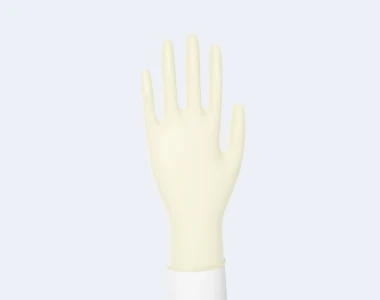
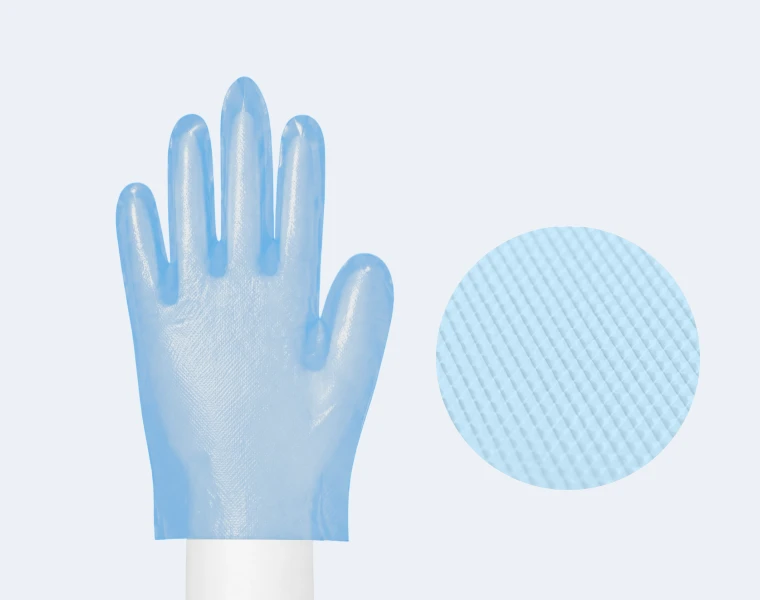
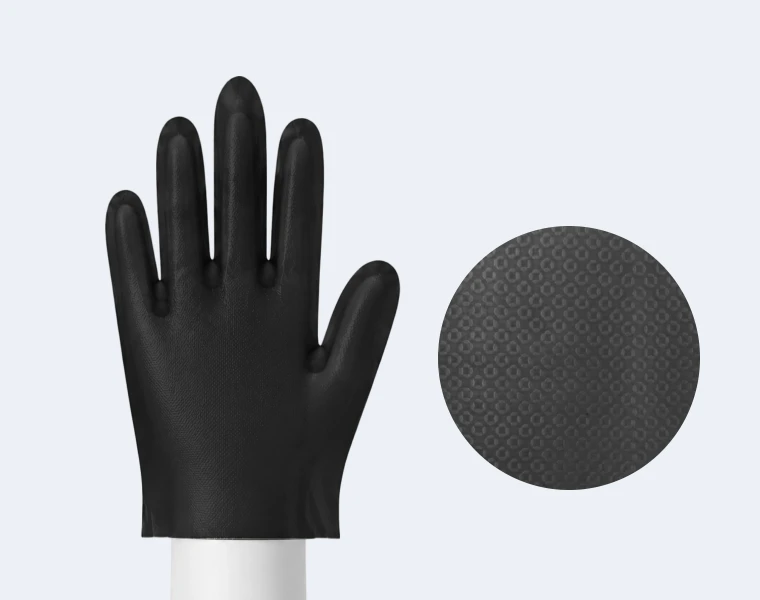
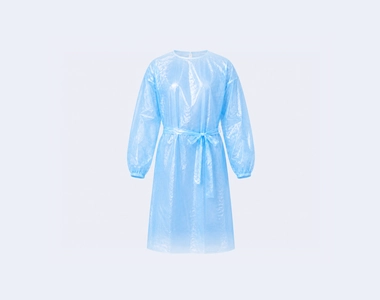
Medical Consumables & Infection Prevention: High-barrier protective wear and certified disposable nitrile exam gloves, designed for maximum tactile sensitivity and puncture resistance across emergency, surgical, and outpatient departments.
-
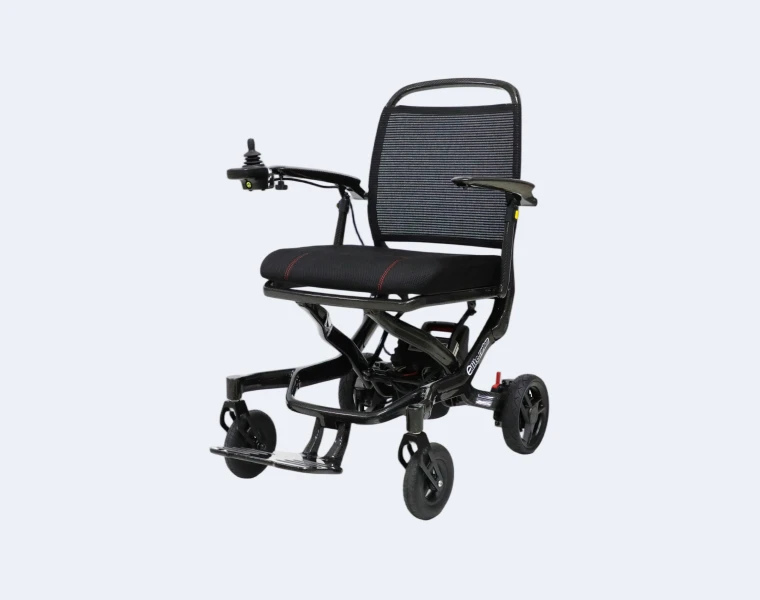
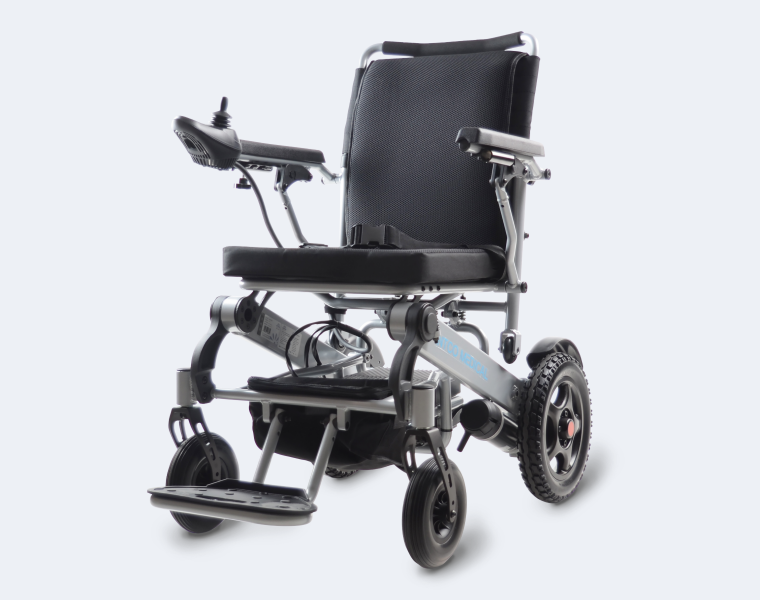
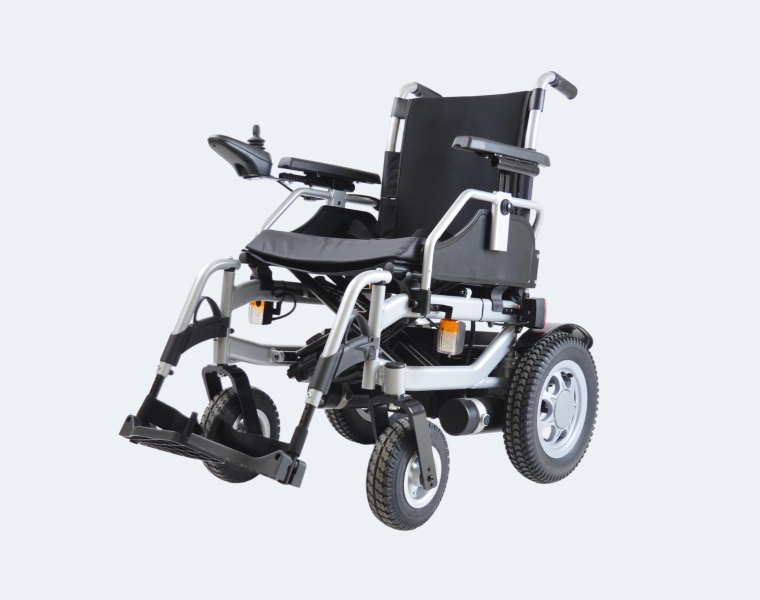
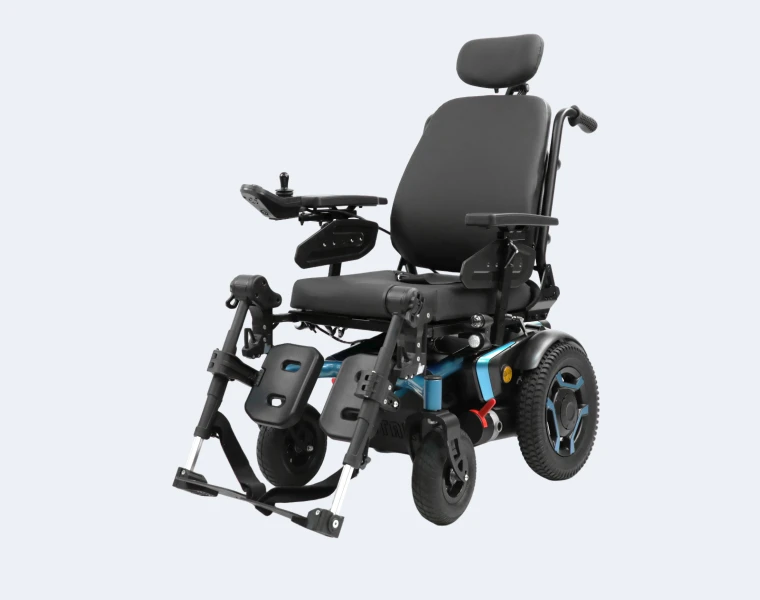
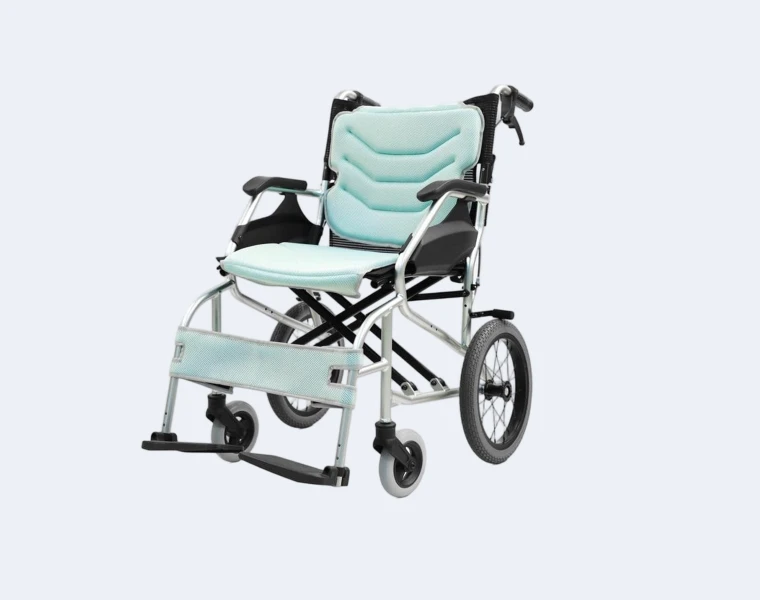
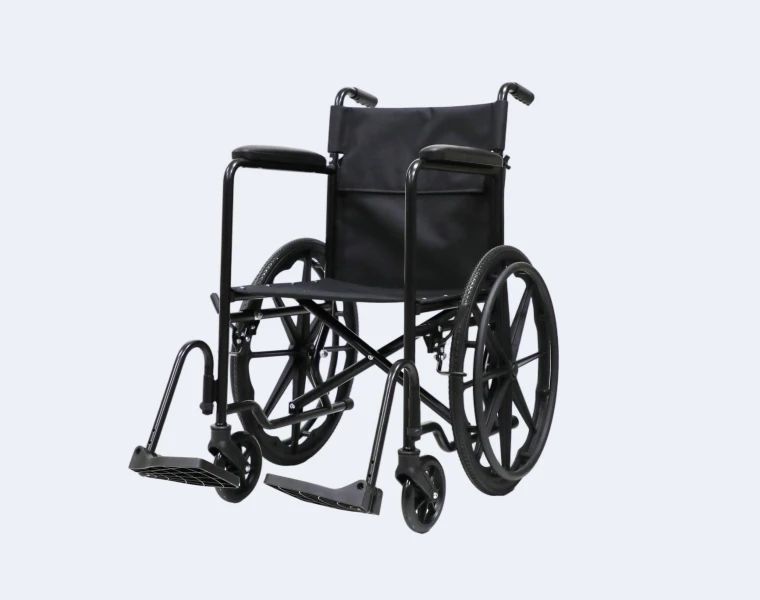
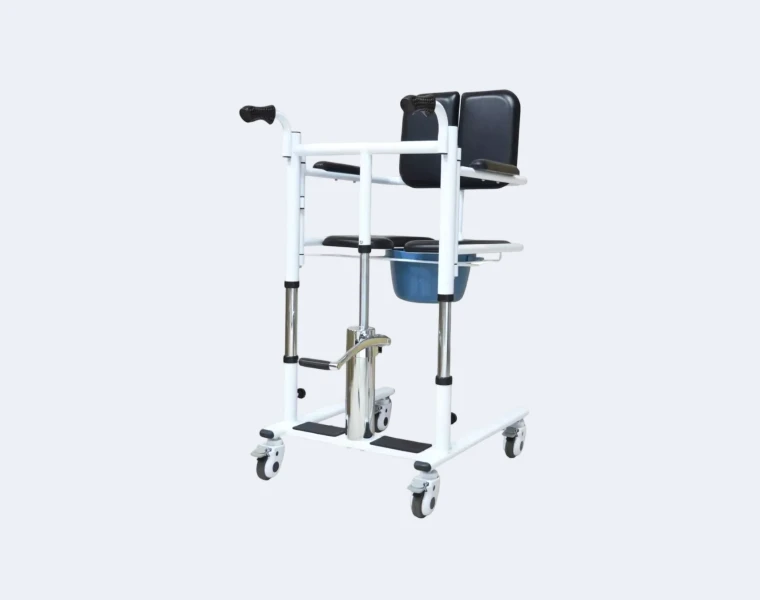
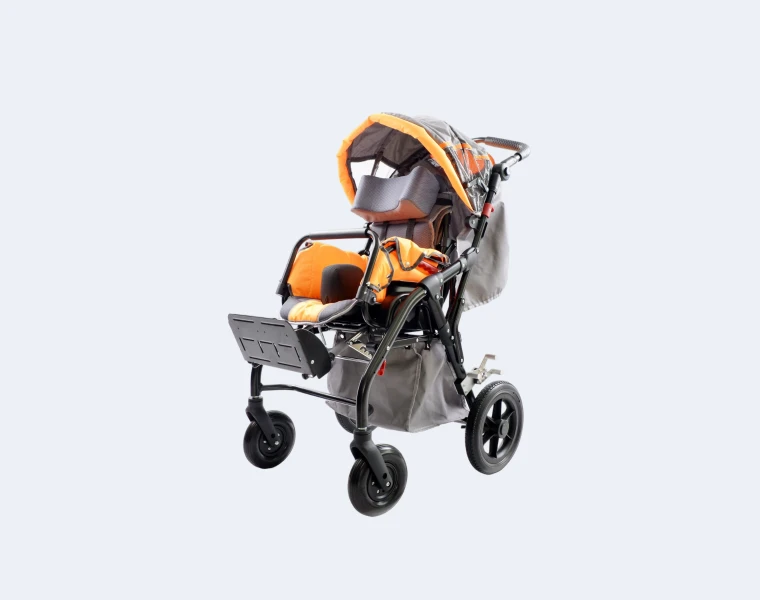
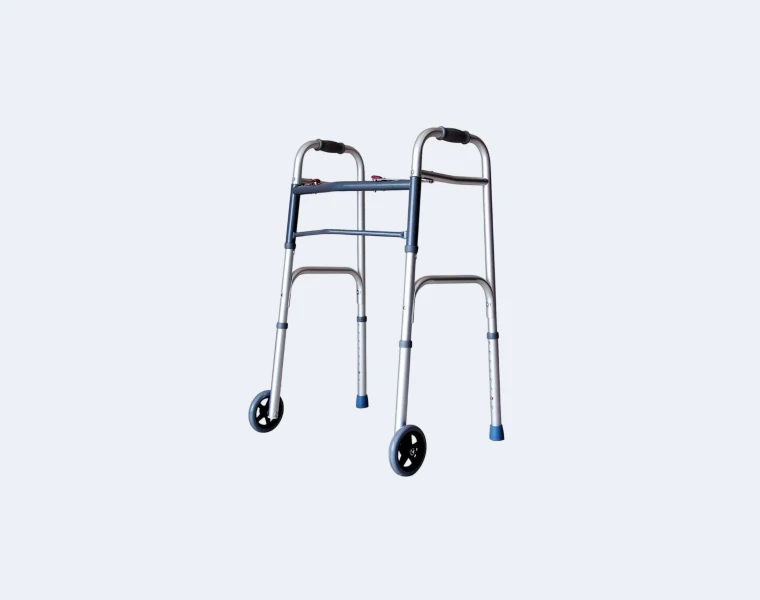
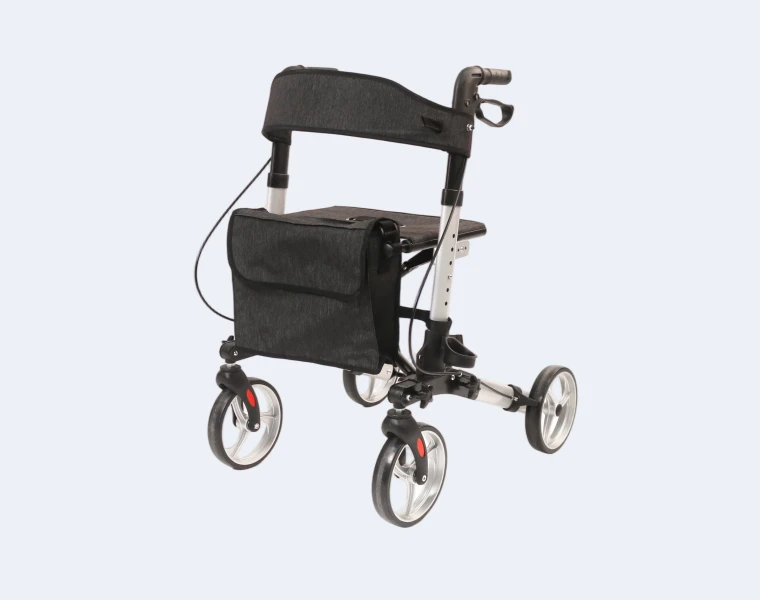
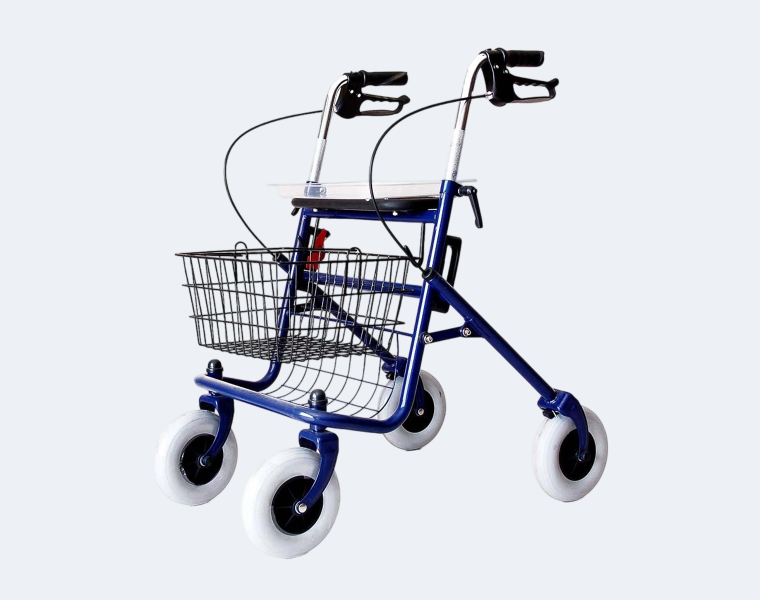
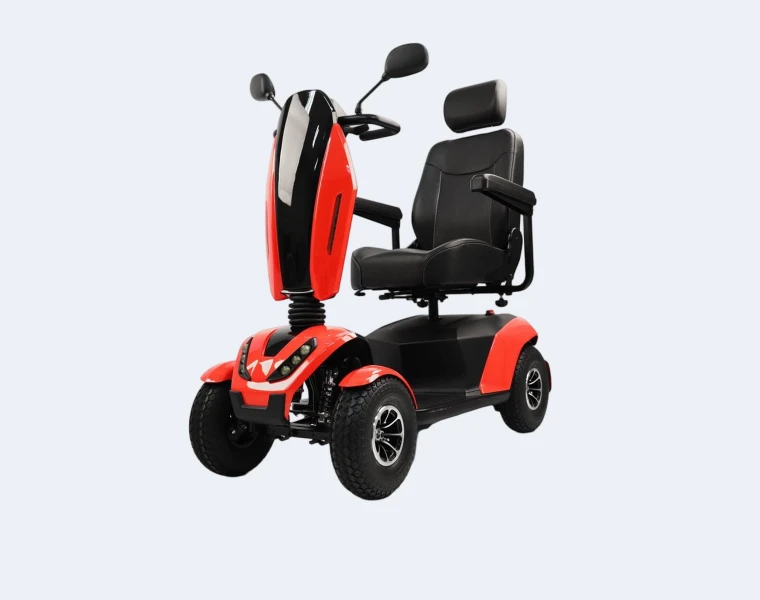
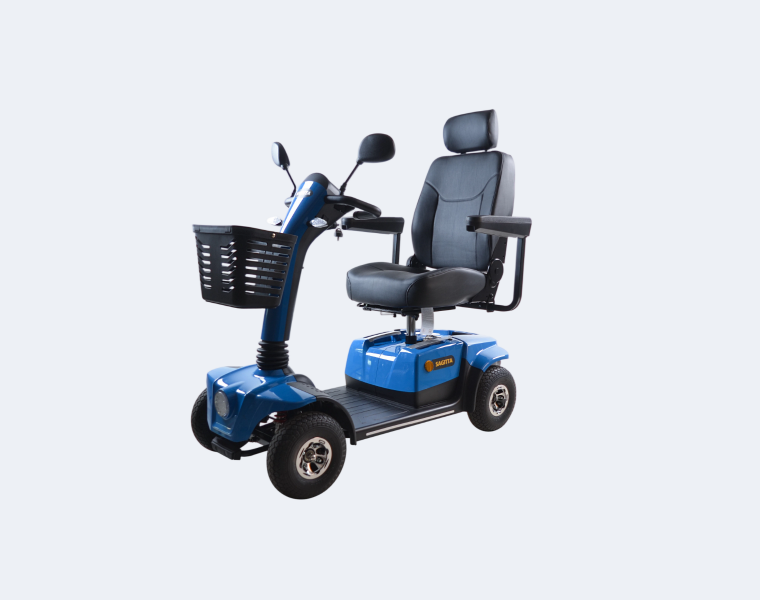
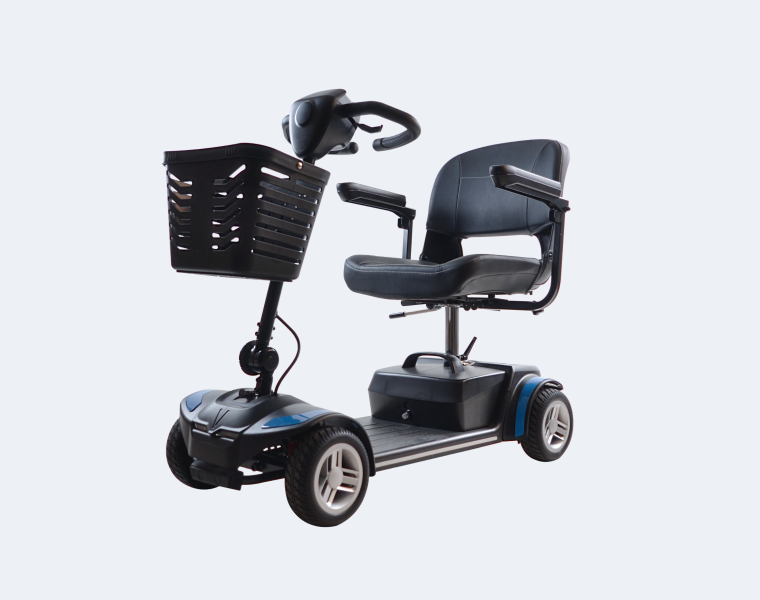
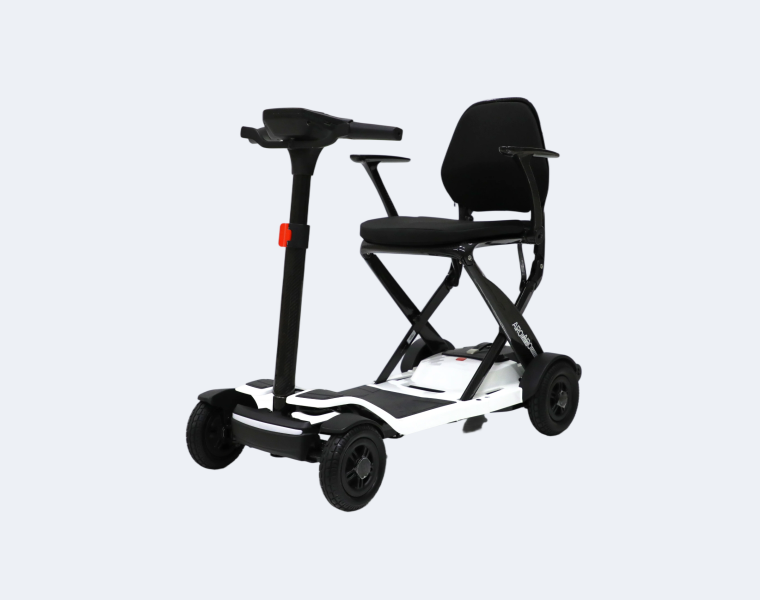
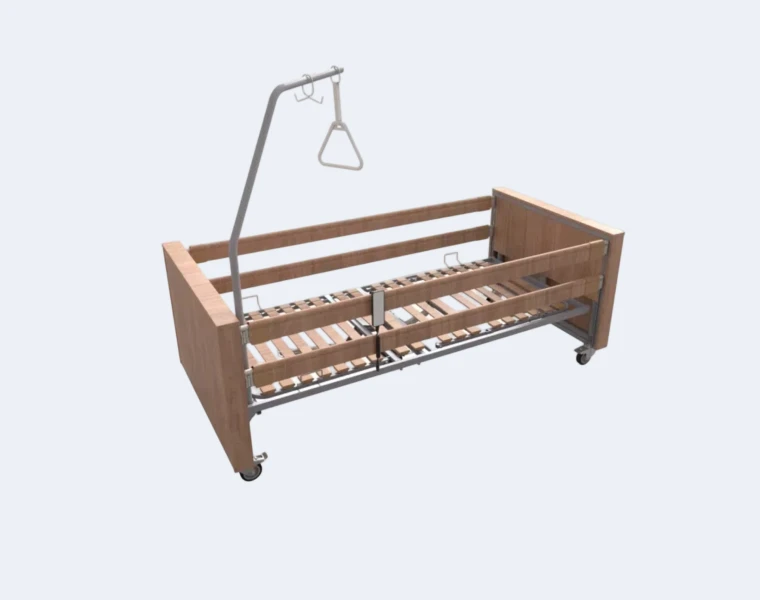
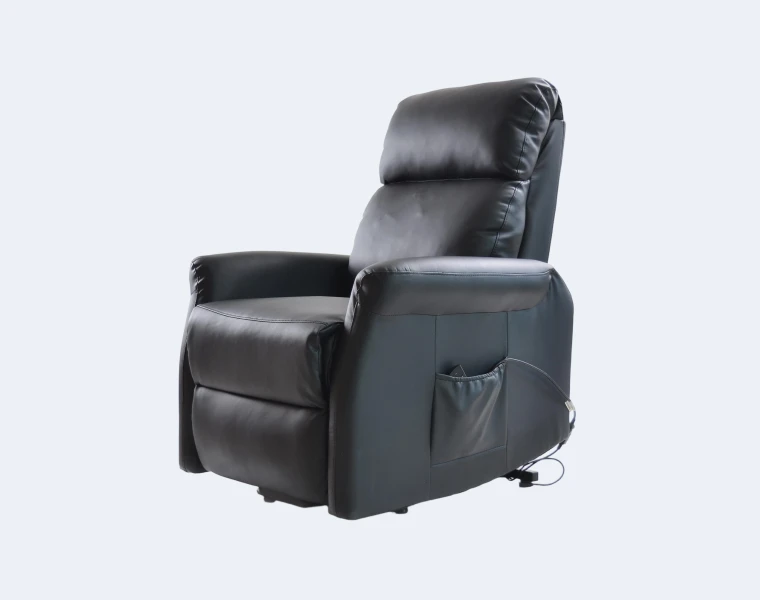
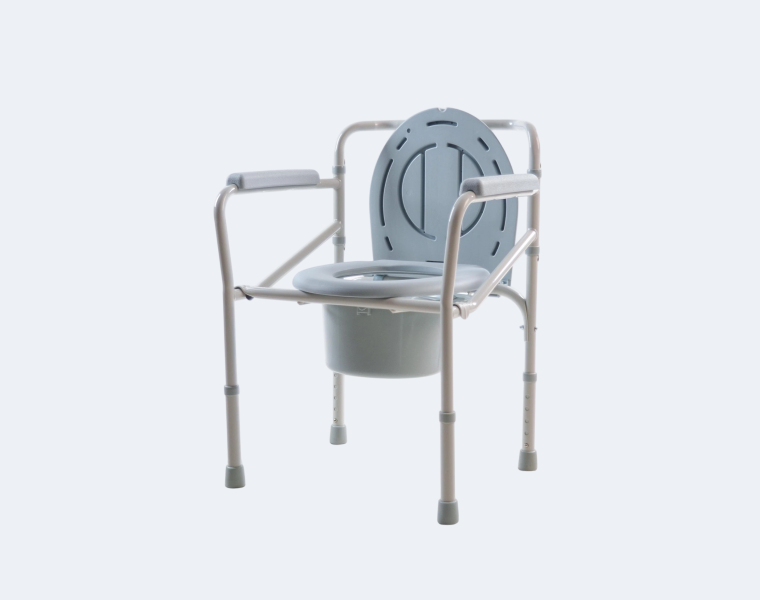
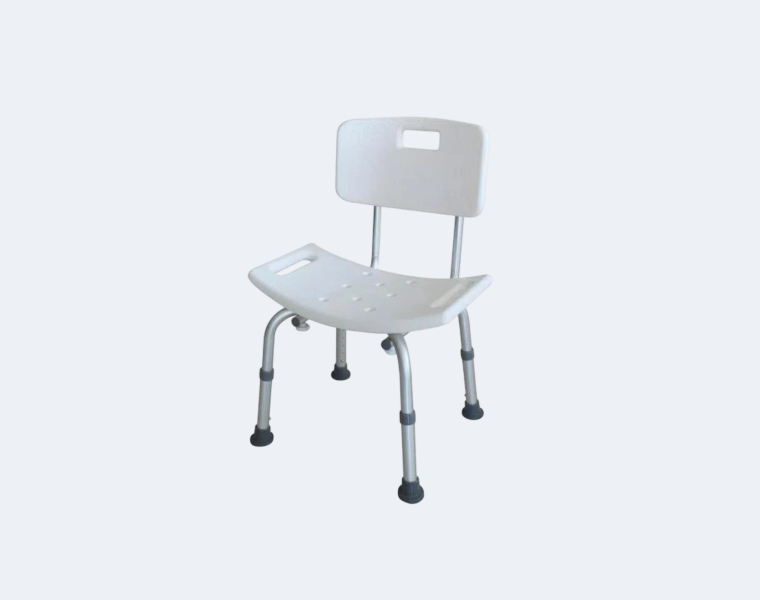
Rehabilitation & Patient Mobility Equipment: High-durability manual and electric wheelchairs, patient transfer devices, and ward mobility aids, available at rehabilitation equipment for specialized clinical rehabilitation teams.
-
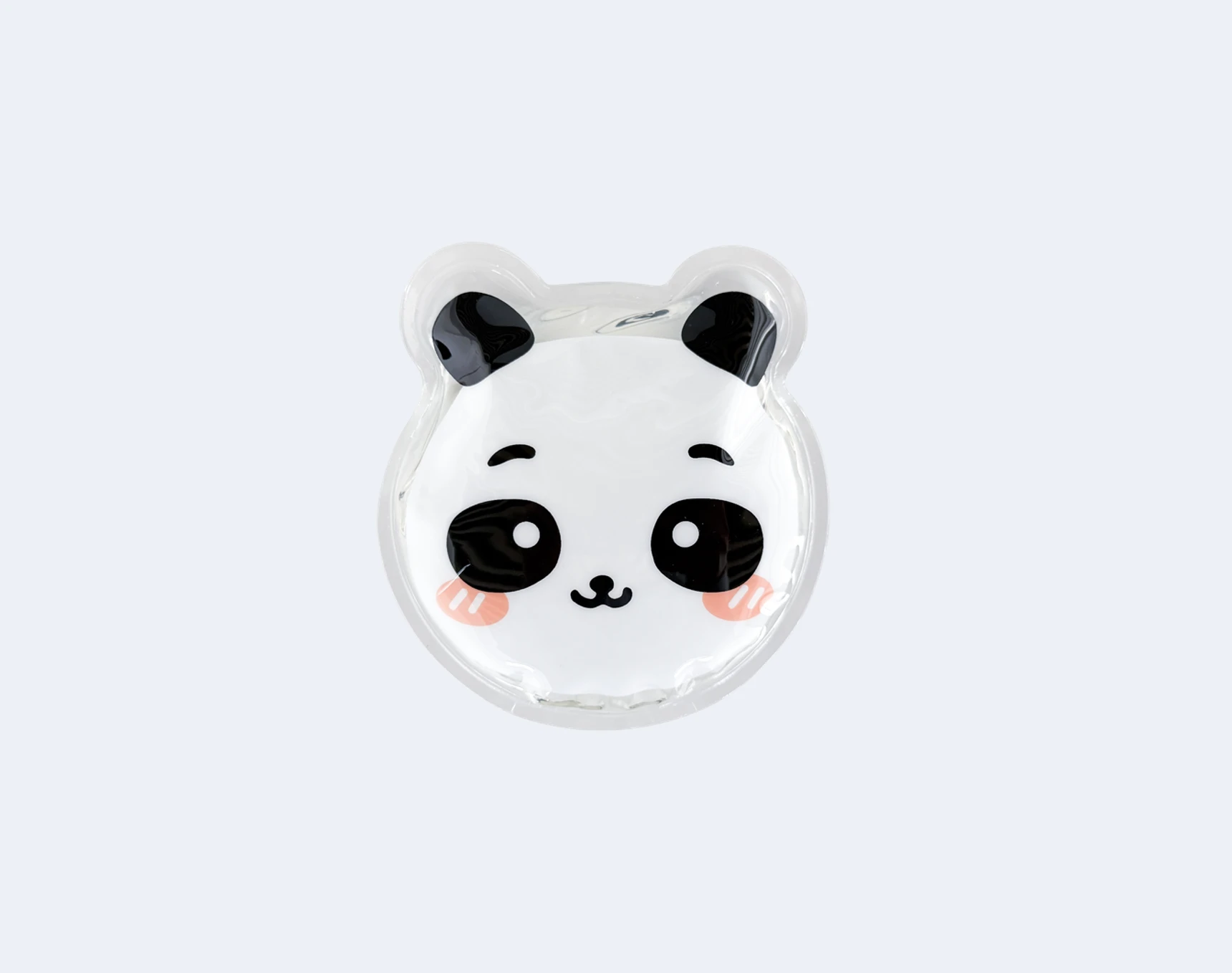
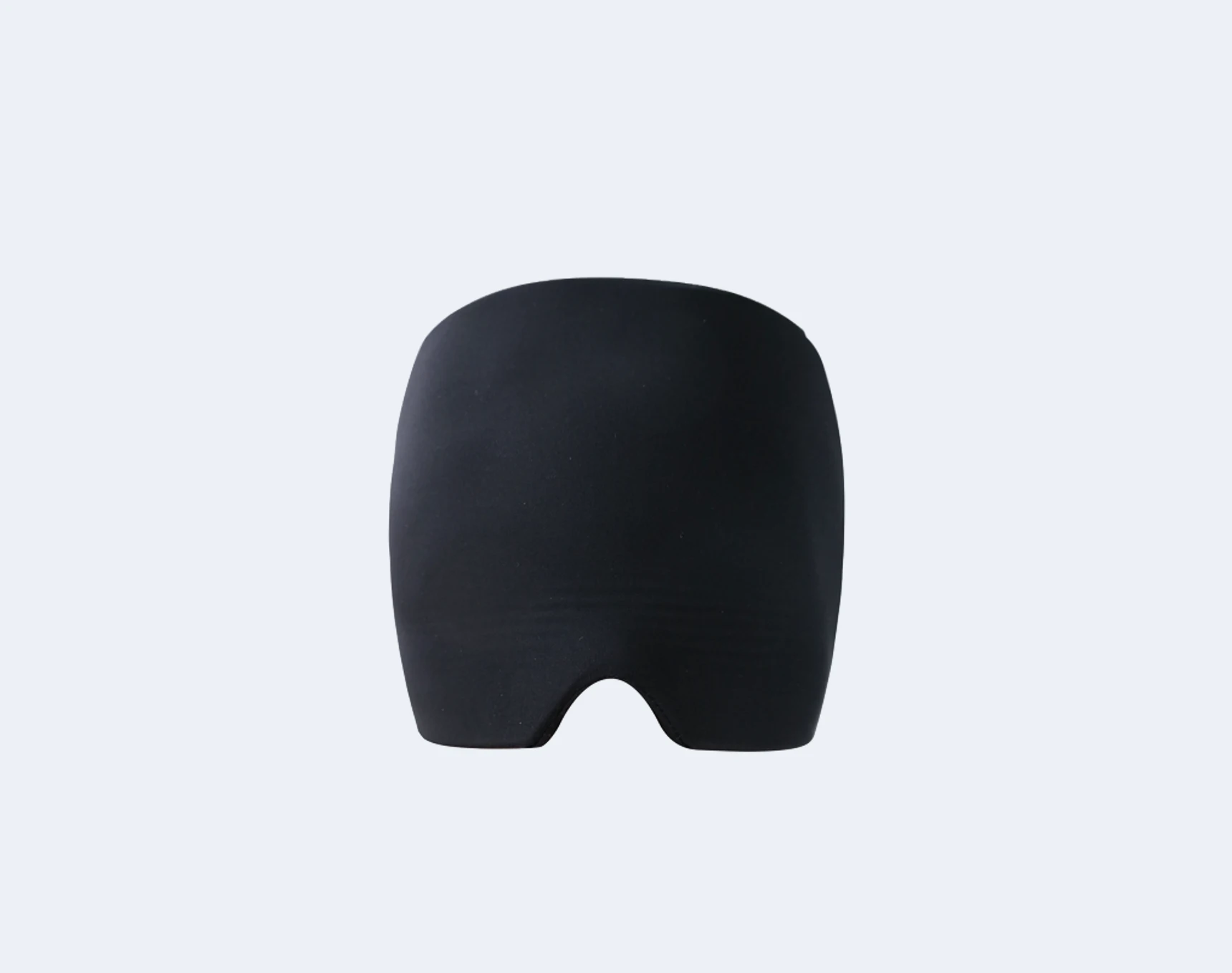
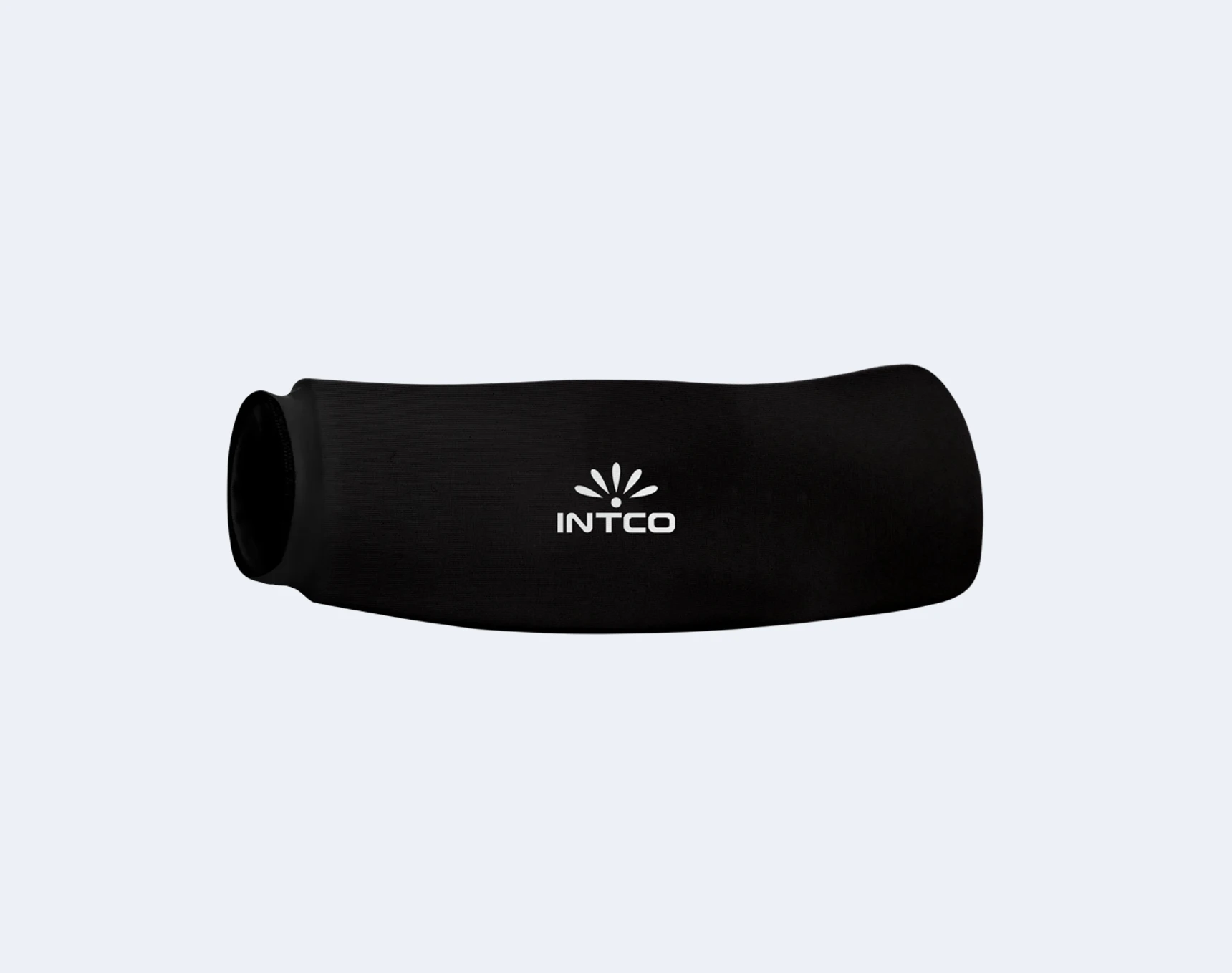
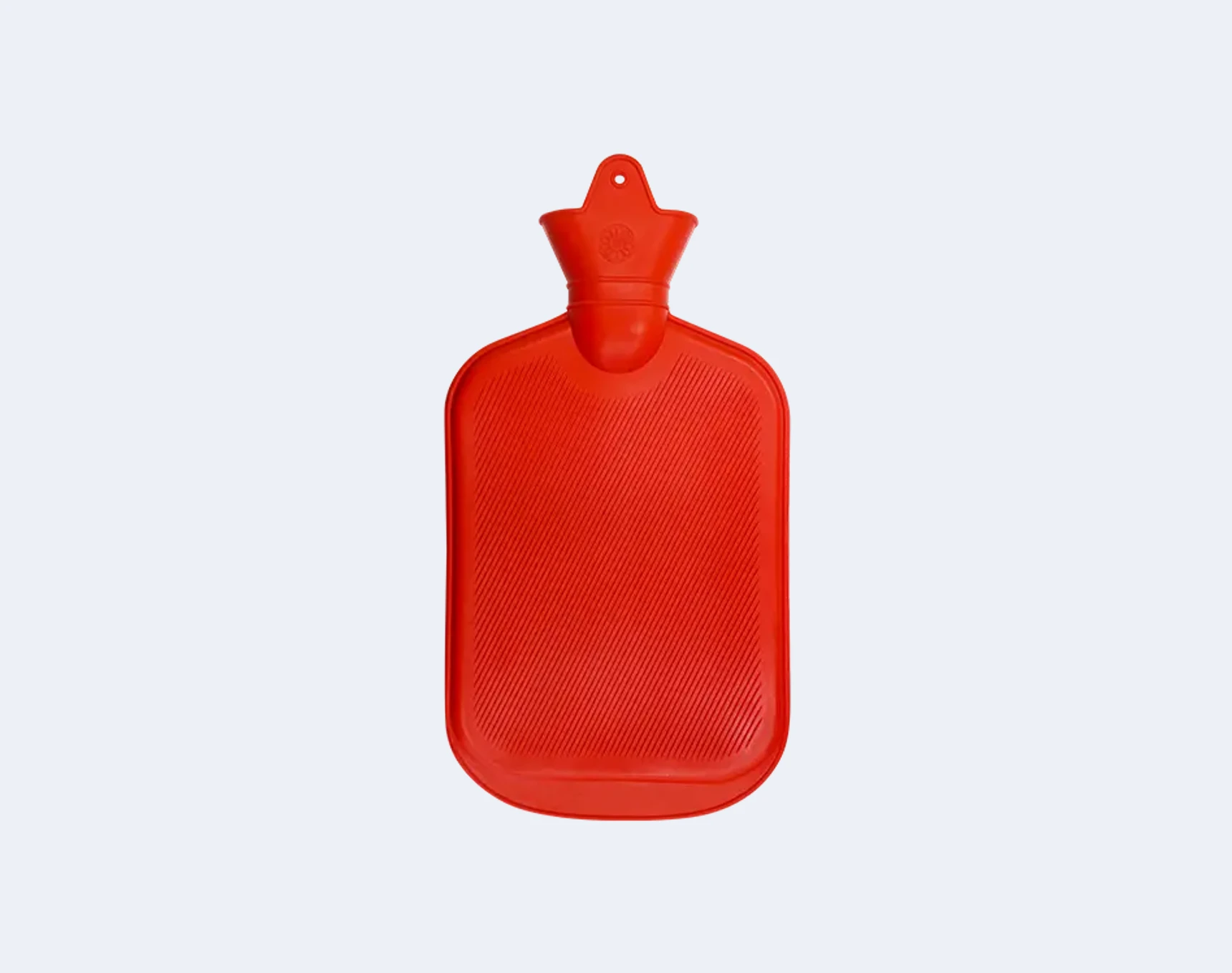
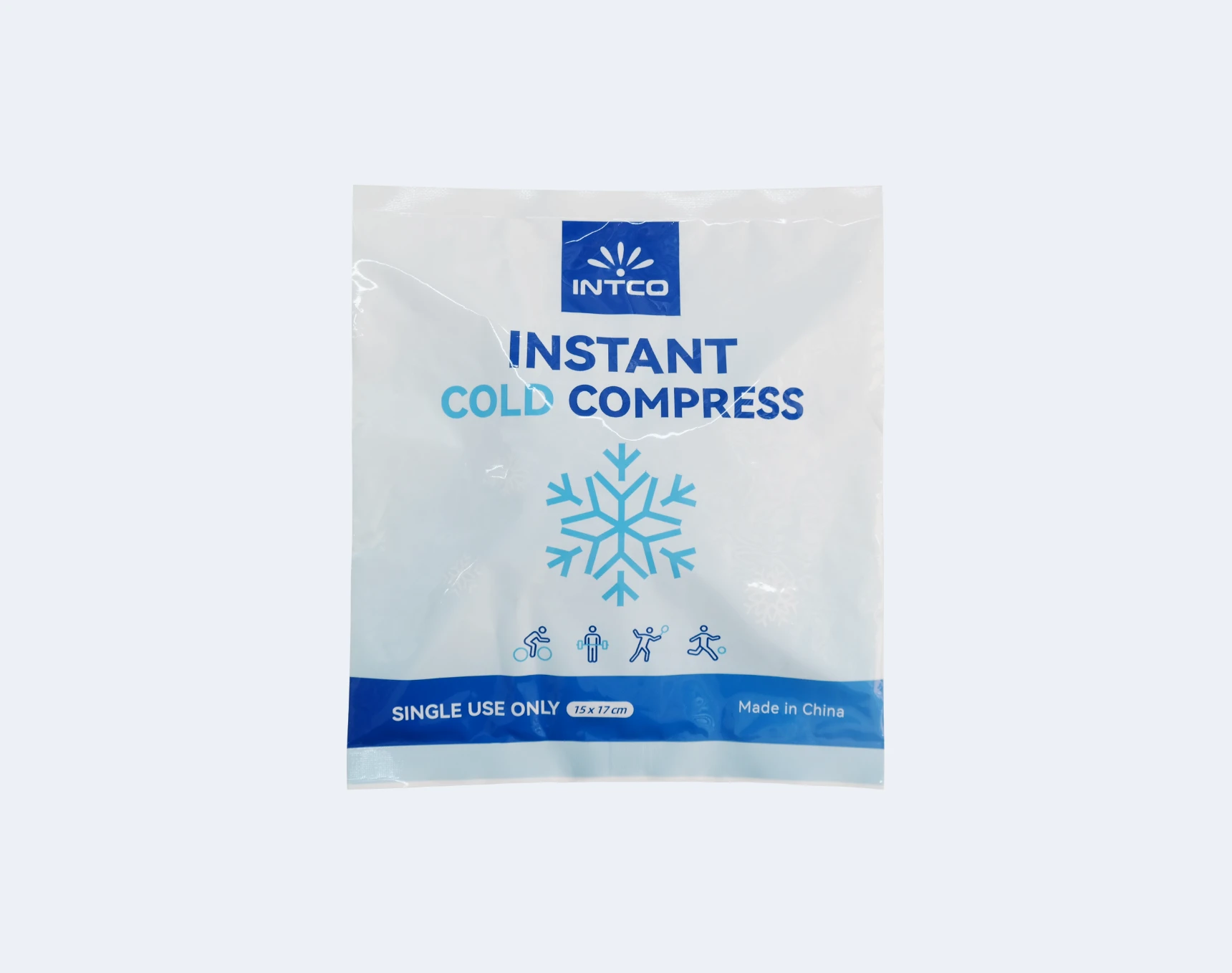
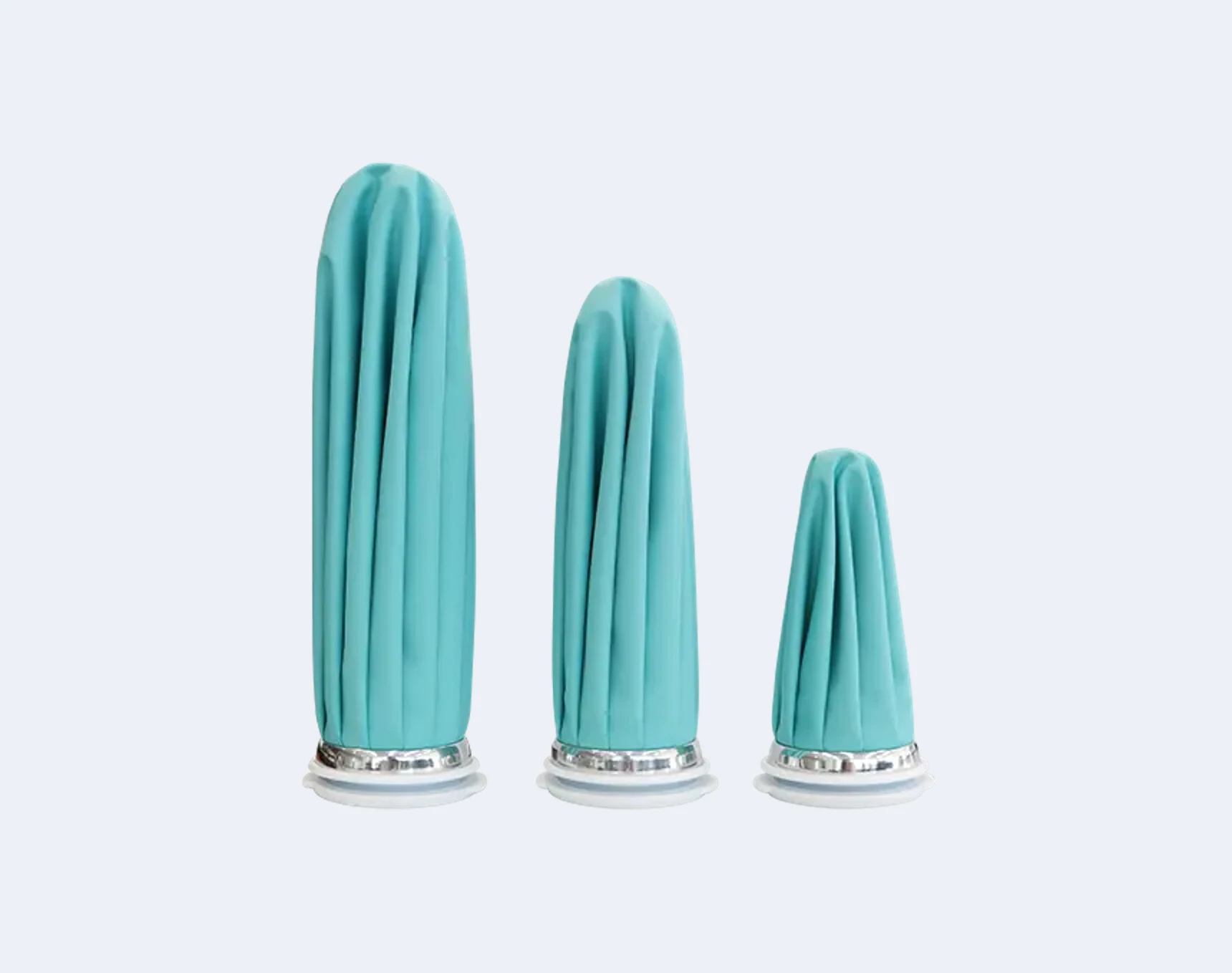
Physical Therapy & Comprehensive Healthcare Solutions: Cold/hot therapy care, wound treatment kits, and hospital-wide integrated supply packs accessible through comprehensive healthcare solutions, facilitating seamless multi-departmental ordering.
According to the AHA National Medical Supply Chain Resilience Report, balancing global manufacturing scale with dual-region production facilities provides the structural resilience necessary to safeguard national health systems against supply chain shocks.
Next Steps for Healthcare Supply Chain Leaders
Building a resilient, cost-effective procurement infrastructure requires moving beyond transactional spot-purchasing. By establishing a centralized one-stop procurement strategy, healthcare organizations streamline operations, protect clinical workflows, and achieve sustainable cost containment.
To evaluate your organization’s consolidation readiness:
-
Audit Current Vendor Rosters: Quantify administrative touchpoints and off-contract purchasing across departments.
-
Review Technical Certification Dossiers: Verify that high-volume consumable suppliers maintain full FDA 510(k) and ISO compliance documentation.
-
Evaluate Direct Manufacturing Partnerships: Explore strategic partnerships with vertically integrated healthcare manufacturers to secure guaranteed inventory allocations, high OTIF fill rates, and competitive long-term pricing.
-
Explore Category-Specific Products: For detailed technical specifications, certifications, and product catalogs, visit the specialized portals for medical gloves, rehabilitation equipment, and comprehensive healthcare solutions.
Frequently Asked Questions (FAQ)
What is a one-stop hospital medical supplies supplier?
A one-stop hospital medical supplies supplier is a single primary vendor or manufacturer that provides a comprehensive catalog of medical consumables, protective wear, wound care, and patient care products under a unified contractual, ordering, and logistics system.
How does vendor consolidation reduce overall hospital procurement costs?
Vendor consolidation reduces total cost of ownership by eliminating duplicate administrative tasks, unlocking volume-based pricing tiers, lowering shipping fees through consolidated freight, and reducing the holding costs associated with managing excessive SKUs.
Can a one-stop procurement model increase stockout risk if the vendor fails?
Stockout risk is mitigated rather than increased when partnering with a certified supplier that maintains multi-site manufacturing capacity, robust safety stock agreements, and guaranteed SLA fill rates (≥98%). Additionally, hospitals maintain secondary backup contracts for highly critical specialized items.
What quality certifications should a hospital require from a medical supply vendor?
Hospitals should require FDA 510(k) clearances for regulated medical devices and exam gloves, ISO 13485 certification for medical device quality management, ISO 9001 certification, CE mark documentation, and batch-level AQL inspection records (AQL 1.5 or stricter).