














Previous
Leading Disposable Vinyl Glove Manufacturers: Ensuring Safety and Affordability


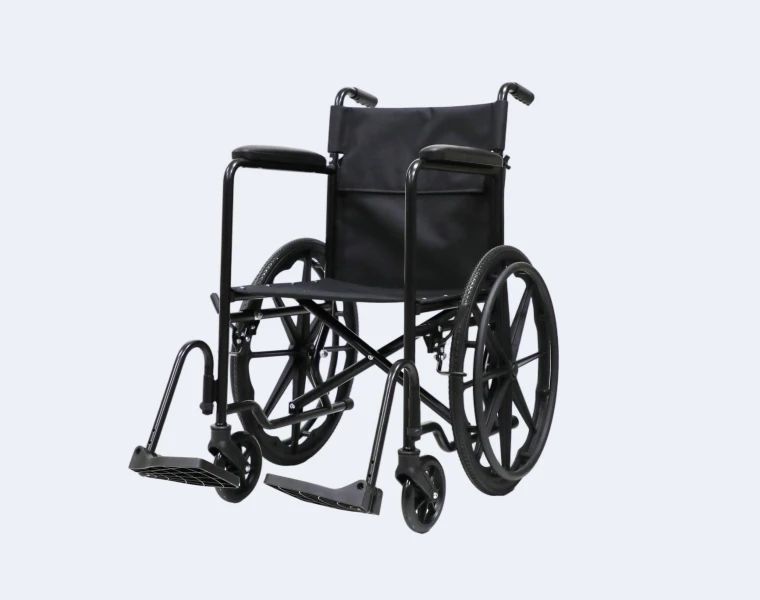
The global wheelchair market represents far more than mobility—it embodies independence, dignity, and healthcare innovation. At the core of this system are wheelchair factories, where design precision, engineering expertise, and quality materials converge to create life-enhancing mobility aids.
This article traces the full journey of wheelchair production, from raw material selection to final assembly and delivery. It also showcases how INTCO Medical, a global leader in rehabilitation equipment, advances this process through cutting-edge technology and strict quality standards.
Every wheelchair’s quality begins with the right raw materials. The composition of metals, plastics, fabrics, and electronics directly affects durability, comfort, and safety.
Metals: Steel offers strength and affordability, aluminum provides lightweight corrosion resistance, and carbon fiber serves as a high-performance material.
Plastics & Composites: Used for footrests, armrests, and other lightweight but sturdy components.
Fabrics: Breathable and flame-retardant materials ensure comfort and hygiene.
Electronics: Motors, batteries, and controllers in powered wheelchairs must meet rigorous international safety standards.
Factories operate under ISO 7176 to maintain consistency and global safety compliance (ISO, 2014).
Once materials are ready, precision fabrication begins:
CNC Cutting and Shaping: Computer-controlled machines cut and bend metal tubes for consistent structure.
Welding: Ensures a strong, stable frame.
Powder Coating: Adds a durable, eco-friendly finish to prevent rust and wear.
Design engineers apply ergonomic principles to improve posture support and mobility performance.

While frames are produced, parallel operations manufacture or source other parts:
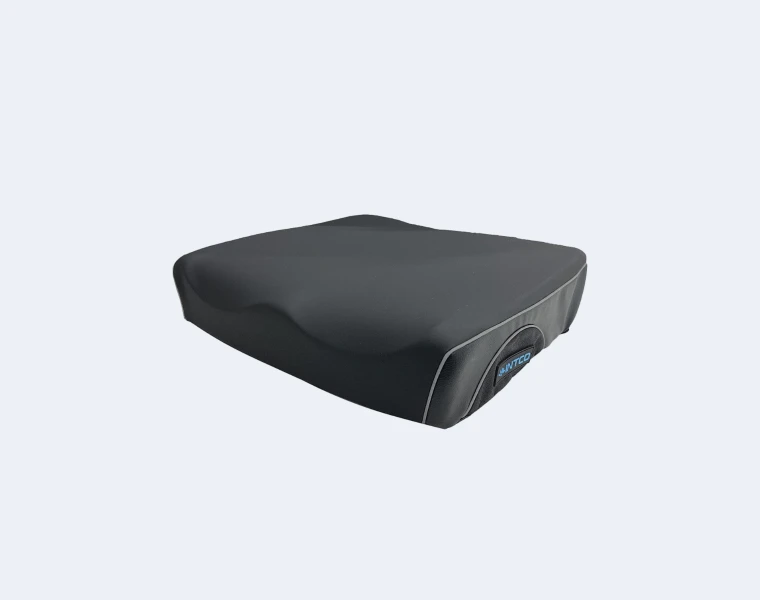
Seating Systems: Cushions and backrests designed for comfort and spinal alignment.
Wheels and Tires: Lightweight, durable, and easy to maneuver.
Braking and Control Systems: Mechanical brakes for manual wheelchairs, electronic controls for power models.
Customization: Adjustable seats, quick-release wheels, and tailored configurations for user needs.
Assembly unites all components into a complete wheelchair:
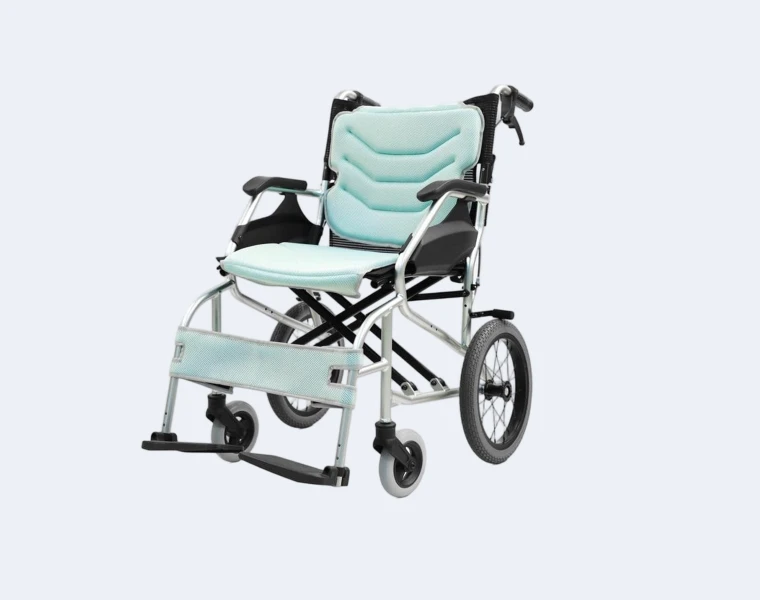
Manual Wheelchairs: Assembled with precise torque measurements for safety.
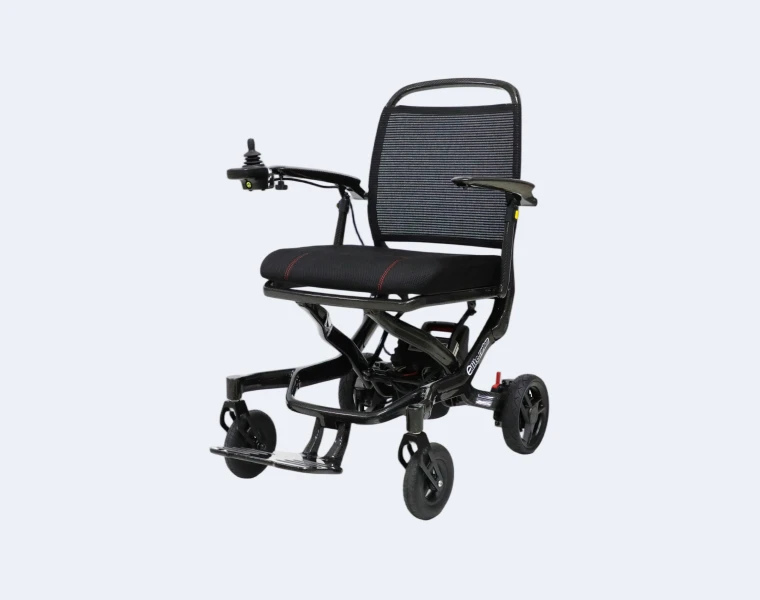
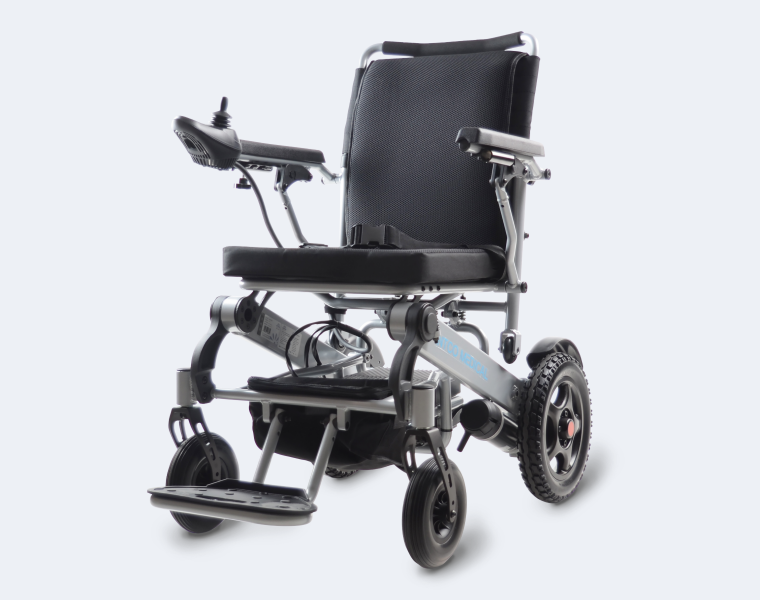
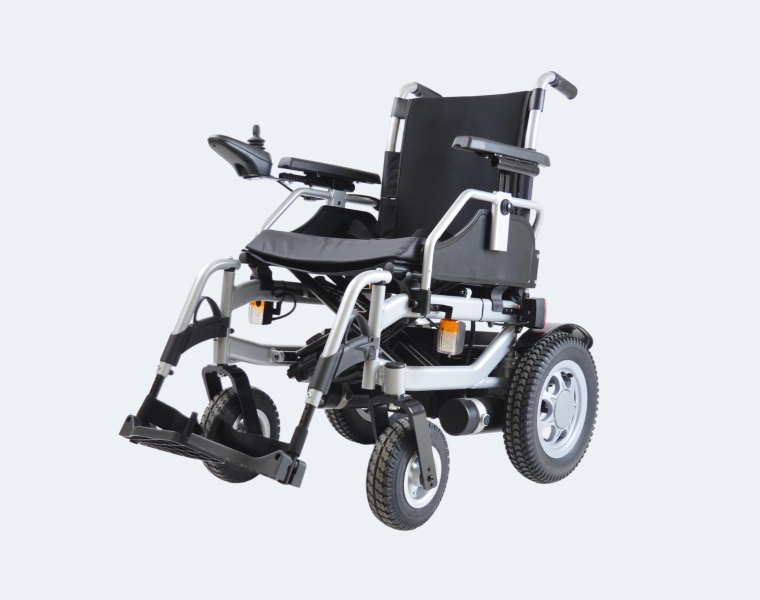
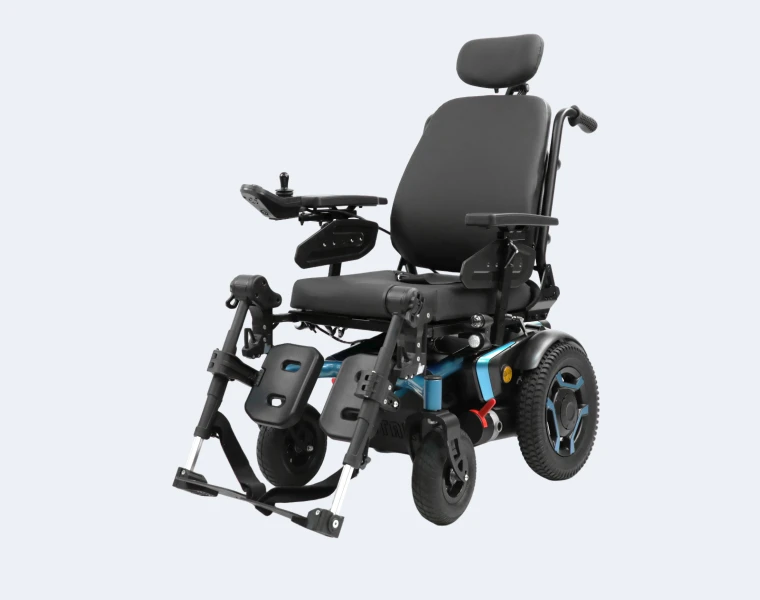
Electric Wheelchairs: Motors and control systems are installed and calibrated.
Quality Testing: Each model undergoes safety and endurance evaluations in compliance with ISO 7176 and RESNA standards.
Factories often adopt lean manufacturing techniques to improve workflow efficiency and minimize waste.
Every wheelchair must pass a series of rigorous evaluations:
Load and Fatigue Testing to simulate years of use.
Safety and Performance Checks for brakes, welds, and electronics.
Certifications: Products comply with ISO 7176, FDA, and CE standards.
The World Health Organization (WHO) includes wheelchairs on its Priority Assistive Products List, reinforcing their essential role in global healthcare (WHO, 2016).
INTCO Medical is a technology-driven manufacturer dedicated to producing high-quality medical consumables and rehabilitation equipment.
Its business spans medical consumables, rehabilitation devices, and physical therapy equipment, with products distributed in over 150 countries and regions across the Americas, Europe, Asia, Africa, and Oceania.
Serving over 10,000 clients worldwide, INTCO Medical stands out for its R&D-driven production, advanced facilities, and strong commitment to sustainability and innovation.
Following inspection, wheelchairs move to packaging and logistics:
Sustainable Packaging: Increasing use of recyclable and eco-friendly materials.
Local Distribution: Supplies hospitals, clinics, and retailers.
Export Compliance: Certified designs ensure smooth customs clearance and global trade.
Bulk Orders: Logistics systems enable efficient fulfillment for healthcare institutions.
The wheelchair industry continues to evolve with innovation and sustainability in focus:
Smart Wheelchairs: Integration of AI, IoT, and adaptive control systems.
Eco-friendly Manufacturing: Lower emissions and renewable materials.
User-Centered Customization: Modular systems that prioritize comfort and independence.
UNICEF continues to support global access to assistive technologies, including wheelchairs, to promote inclusivity and quality of life (UNICEF, n.d.).
Manufacturers employ several production strategies:
Mass Production: Efficient and cost-effective for standard designs.
Custom Production: Built to fit individual medical or ergonomic needs.
Hybrid Production: Balances scalability with personalization.
This flexibility enables wheelchair factories to meet diverse global healthcare requirements.
The journey from raw materials to a finished wheelchair reflects precision engineering and human compassion.
INTCO Medical exemplifies how modern wheelchair factories combine innovation, quality assurance, and sustainability to produce reliable mobility aids. As technology and accessibility advance, wheelchair manufacturing will continue empowering individuals worldwide toward greater independence and dignity.


