


 Medical Consumables
  Rehabilitation Equipment
  Physical Therapy
  Patient Monitoring & Electrosurgery
  Personal Care



When mobility counts, proper power wheelchair maintenance is the difference between dependable independence and unexpected downtime. By placing regular care at the heart of your mobility plan, you catch hidden issues early, avoid costly repairs and ensure that your power wheelchair stays safe and ready when you need it most. At the beginning of your journey, understanding this concept sets strong ground for peace of mind.
Why Maintenance Is Not Optional
In the world of powered mobility, skipping routine checks is a risk no one should take. A power wheelchair that hasn’t received ongoing maintenance is more prone to breakdowns, decreased battery life and even safety lapses. According to global guidelines, maintenance and follow-up are an integral part of wheelchair provision and use. For example, the World Health Organization cites equipment upkeep as essential to lasting mobility. By contrast, neglecting simple tasks like inspection, cleaning and adjustment often leads to compounding wear in batteries, motors, frame parts and other subsystems.
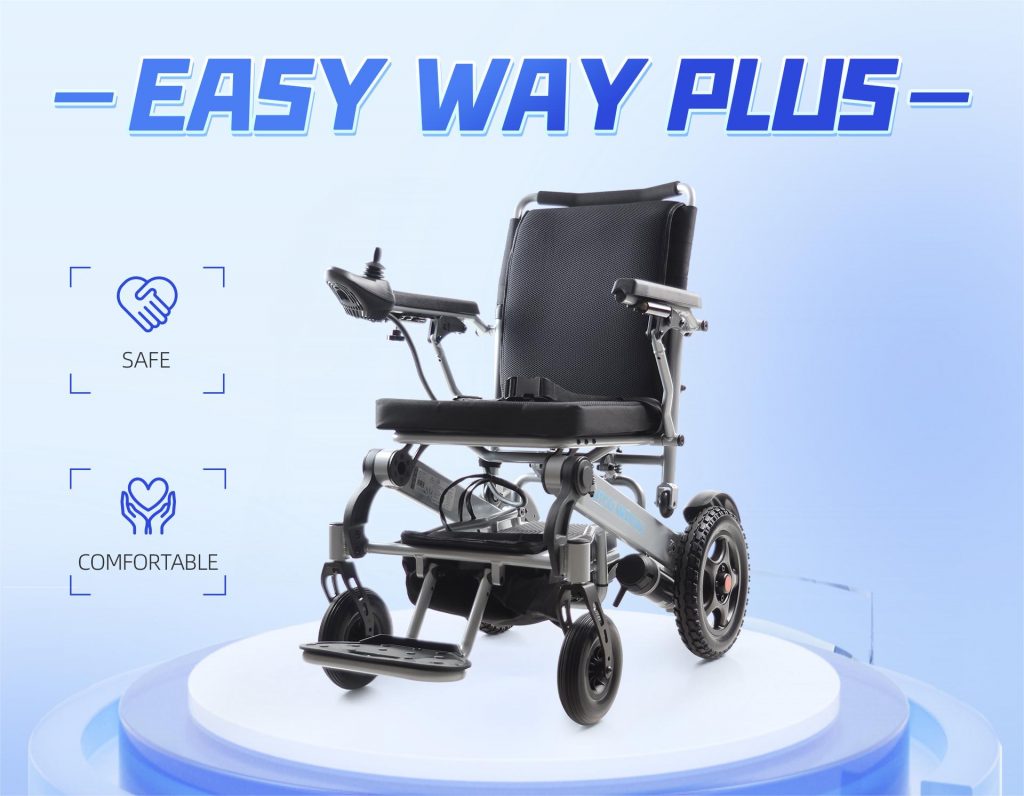
For people who rely on their equipment for daily freedom, this isn’t just about cost—it’s about the ability to move confidently every day. The sooner you embrace regular power wheelchair maintenance, the fewer surprises you’ll face.
Core Areas of Power Wheelchair Maintenance
Battery & Charging System Care
The battery is your mobility lifeline. It’s critical to:
-
Charge regularly before full depletion; repeated deep-discharge shortens usable life.
-
Avoid leaving the charger connected for extended periods or exposing the battery to excessive heat, which accelerates degradation.
-
Store the wheelchair and battery in a moderate-climate space when not in use — freezing reduces capacity, extreme heat damages cells.
-
Periodically clean the battery terminals and check for corrosion or loose connections.
By staying on top of these practices, you safeguard not just range but the overall performance of your device.
Tires, Wheels, Bearings & Frame Integrity
While electronics get much of the attention, the mechanical side deserves equal care. Solid or pneumatic tires need inspection: pressure, tread wear, cracks, flat spots. Wheel bearings and caster forks collect debris and hair—cleaning and lubrication keep steering smooth and reliable. Frame welds, joints and fasteners also need monitoring: fatigue or looseness here can lead to structural issues. A well-maintained mechanical base keeps the entire system running more efficiently.
Motors, Controllers & Wiring
Electronics are the “brain and heart” of your powered chair. Key steps include:
-
Keep motor housing, controller modules and wiring clean, dry and free of debris. Moisture intrusion or dirt can cause shorts or erratic behavior.
-
Listen and feel for changes: unusual vibration, sluggish steering, unexpected joystick response—all may signal wear or wiring damage.
-
Ensure wiring harnesses are secured, abrasion-free and insulated; exposed/bare wiring must be addressed promptly.
-
Avoid operating in very wet or harsh conditions without protection; electronics and damp environments don’t mix.
Maintaining these systems reduces the chance of sudden failure and enhances everyday safety.
Environmental & Storage Considerations
Climate, Location & Storage Conditions
Your environment plays a big role in longevity. Heat, cold, humidity and sun exposure all impact components differently:
-
Avoid leaving the wheelchair in direct sunlight or inside a hot vehicle for extended times; extreme heat degrades batteries and upholstery.
-
In colder climates, storing the chair in a temperature-controlled space helps maintain battery capacity and electronic reliability.
-
In humid or outdoor storage situations, use breathable covers, inspect for rust, and keep moving parts clean and dry.
Proper storage equals longer life.
Long-Term “Idle” Storage & Pre-Use Checks
If the device will be unused for weeks or months:
-
Consider disconnecting the battery to avoid parasitic drain.
-
Store the chair upright, on a clean surface, away from dust, debris or impact hazards.
-
Before resuming use, perform a full visual inspection: tires, battery health, brakes, wiring, controls.
Taking these steps ensures you come back to a ready-to-roll chair—not one needing overdue repairs.
Recognizing When It’s Time for Professional Service or Replacement
Even with the best maintenance routine, there comes a time when professional intervention or a new unit makes sense. Signs include:
-
Significant reduction in battery range despite proper care.
-
Repeated motor or controller glitches, or continual drift in steering/response.
-
Visible frame cracks, persistent weld fatigue or repeated fastener failures.
-
Repair cost approaching a substantial portion of a replacement.
Industry guidelines like ISO 7176‑14 (which defines power and control systems for powered wheelchairs) highlight that components wear, and safe replacement cycles matter.
If you observe any of these, scheduling a professional assessment is wise. It may reduce risks and ensure you maintain your mobility without compromise.

Trusted Manufacturers and Maintenance Support
When your powered wheelchair comes from a reputable manufacturer, you gain built-in support and design features that promote long life. For example, as a leading brand, INTCO Medical (the power wheelchair manufacturer) builds devices with maintenance-friendly accessibility in mind. Their online resources, user-friendly manuals and spare-parts availability simplify upkeep. Choosing such a brand means you’re not on your own when issues surface.
Reliable power wheelchair maintenance extends far beyond the occasional clean or check-up. It’s a mindset: ongoing, proactive and attentive. By treating your mobility device as the vital equipment it is, you invest in your independence, safety and peace of mind. Toward the end, we want to emphasise that INTCO Medical — the power wheelchair manufacturer — designs its devices with durability, serviceability and user-centric support in mind. Whether you’re outfitting for daily use or long-term reliability, aligning your care routine with their guidance ensures your equipment stays ready when it matters.
If you’d like schedules tailored to your model, user profile or usage pattern, feel free to reach out for customised guidance.