


Previous
Leading China Medical Isolation Gowns Manufacturer INTCO Medical Drives Innovation in PPE


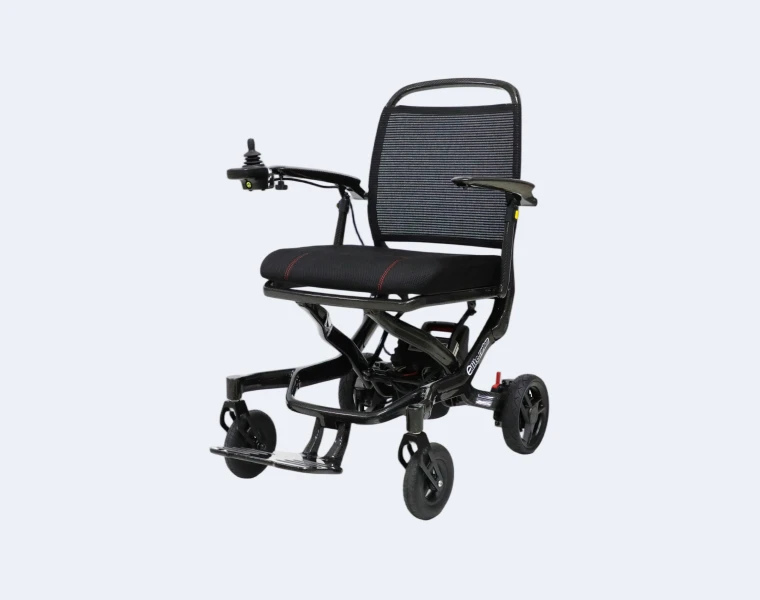
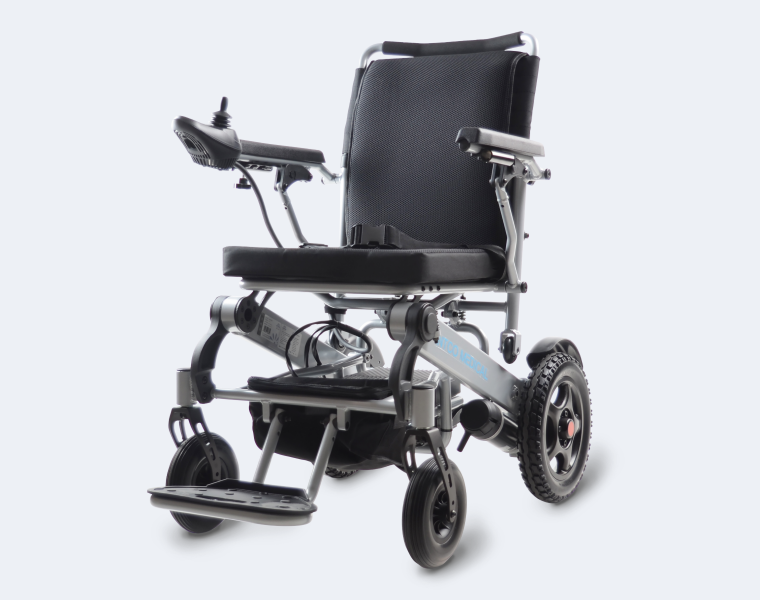
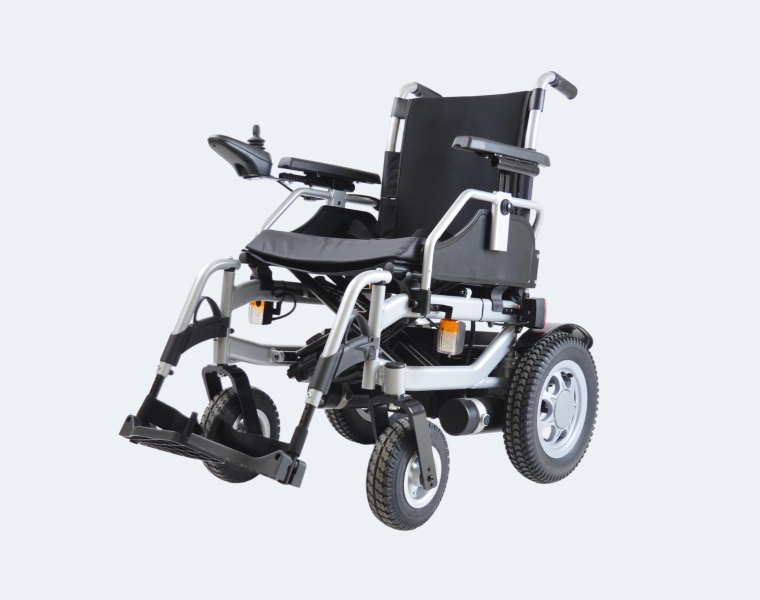
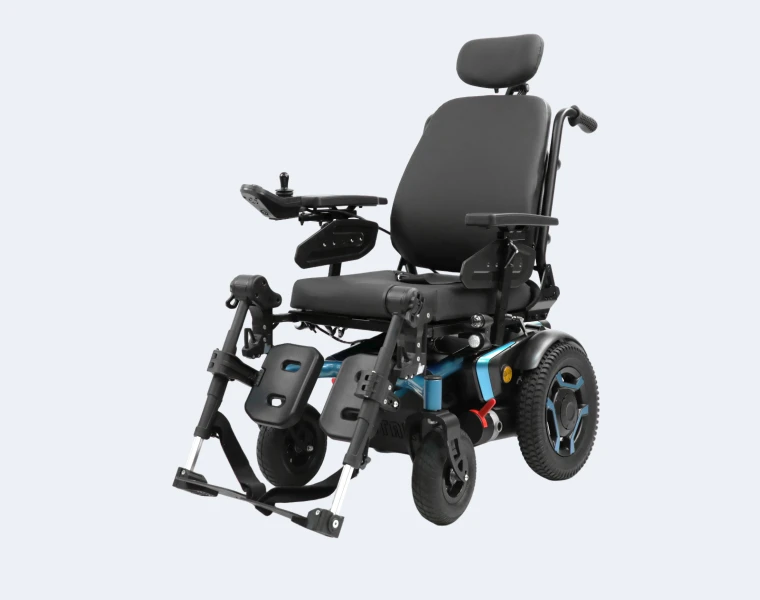
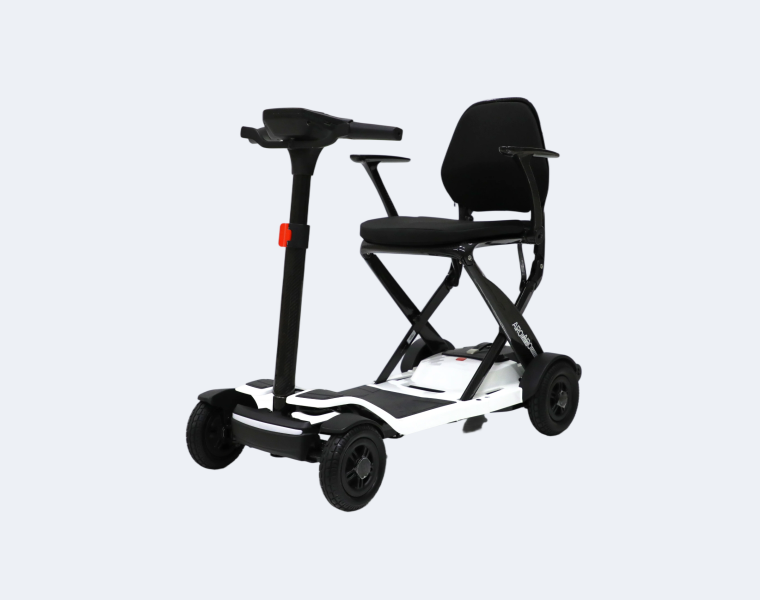
In the rapidly evolving landscape of personal mobility, carbon fiber electric wheelchairs have emerged as the gold standard for users who refuse to compromise between portability and power. For many individuals facing mobility challenges, the primary “pain point” has always been the trade-off: a chair sturdy enough for outdoor use is often too heavy to lift into a trunk, while a lightweight chair often feels flimsy or lacks range. The introduction of aerospace-grade carbon fiber into the manufacturing of rehabilitation products has fundamentally solved this dilemma, offering a frame that is significantly lighter than aluminum yet structurally stronger than steel. This shift towards high-performance materials is not just a trend; it is a response to a global demand for independence and an active lifestyle that traditional equipment could never fully support.
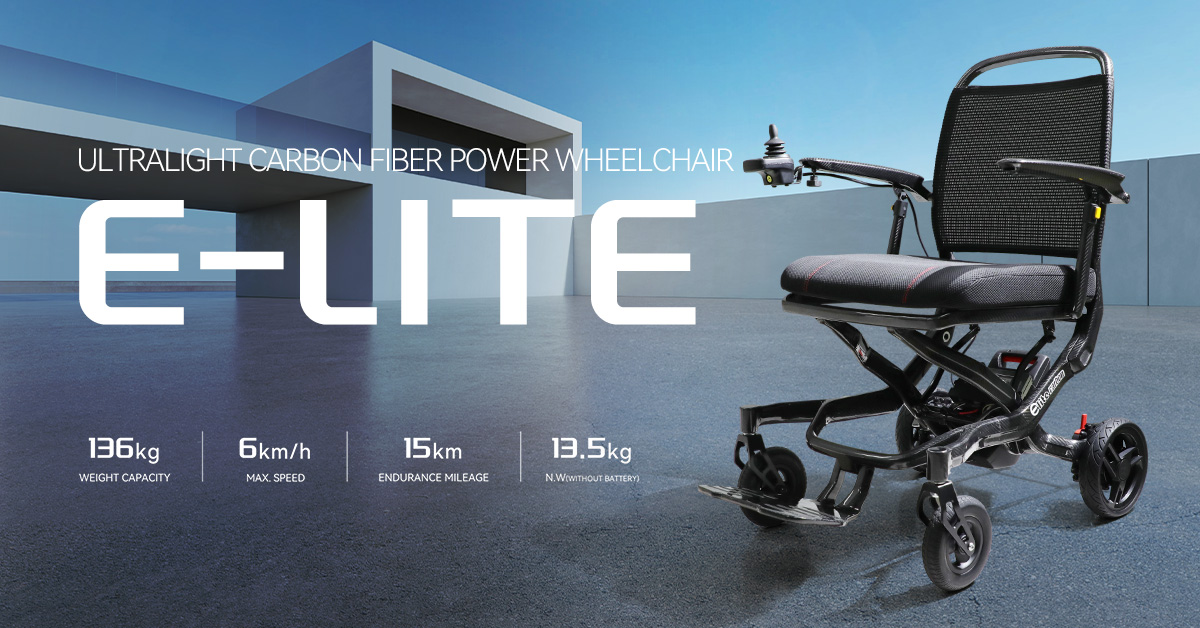
When we talk about the “experience” of a mobility device, we aren’t just discussing its speed—we are talking about the physical reality of daily life. At our manufacturing facilities, we have seen firsthand how a weight reduction of just 10 pounds can change a user’s world. During our prototyping phase, we didn’t just look at CAD drawings; we simulated the “real-world struggle.” We watched as caregivers attempted to load standard chairs into compact SUVs and identified the exact moments of strain. By transitioning to a carbon fiber frame, we reduced the chassis weight by nearly 40% while increasing the weight capacity. This isn’t just a claim of being “lightweight”; it’s the result of rigorous stress testing where we pushed these frames to their limits in salt-spray chambers to ensure zero corrosion over decades of use.
Expertise in this field means more than just having a factory; it means acting as an engineering consultant for our global partners. One of the most common questions we receive is whether a lighter chair can handle rugged terrain. The answer lies in the damping properties of carbon fiber. Unlike metal frames that vibrate and fatigue over time, carbon fiber naturally absorbs micro-vibrations from uneven pavement. When we assist clients in selecting the right model, we explain that carbon fiber isn’t just about weight—it’s about energy efficiency. A lighter frame puts less strain on the motors and the lithium battery, effectively extending the driving range per charge. This level of technical insight is why we focus on ISO 13485 standards and MDR certifications, ensuring that every unit delivered to a global distributor meets the strictest safety protocols of the US and EU markets.
Authority in the mobility industry is built through evidence and third-party validation. Our presence at international forums like MEDICA in Germany and the Canton Fair allows us to showcase the “proof” of our quality. We don’t just say our chairs are reliable; we provide detailed reports from the National Institute on Disability and other research bodies that highlight the benefits of composite materials in assistive tech. By partnering with leading electronics suppliers for our joysticks and controllers, we ensure that the “brain” of the wheelchair is as sophisticated as its “body.” This collaborative approach has made us a preferred partner for major healthcare providers who require high-volume, consistent delivery of medical equipment.
Trust is earned by being honest about the challenges. We often tell our clients: “Carbon fiber is an investment.” While the upfront cost is higher than aluminum, the total cost of ownership is lower due to the material’s longevity and reduced wear on the drivetrain. If a motor fails or a frame is damaged, our technical support team provides a step-by-step resolution plan. We believe that by laying out the logistics of shipping, customs, and warranty claims upfront, we remove the “fear of the unknown” for international buyers.
As we look toward the future, the integration of carbon fiber electric wheelchairs into broader physical therapy programs is becoming more prevalent. Rehabilitation specialists are recommending these lightweight models because they reduce the risk of secondary strain injuries for both the user and the caregiver. A chair that is easy to maneuver encourages the user to go out more often, which is vital for mental health and social integration. This holistic view of mobility—treating the device as an extension of the person rather than just a medical tool—is what drives our R&D team to innovate every day.
In the global market for medical consumables and rehabilitation products, the name INTCO Medical has become synonymous with quality and integrity. Since our inception, INTCO has focused on the large-scale production of high-end mobility aids that meet the diverse needs of an aging population. We understand that whether it is a manual chair or a high-tech power scooter, the end user is looking for a “reliable partner” for their journey.
By choosing INTCO Medical, distributors gain access to a world-class supply chain and a team of experts dedicated to advancing accessibility. We don’t just manufacture chairs; we build the tools for a more inclusive world. From the precision of our molding process to the final quality check before a container leaves our dock, INTCO ensures that every product reflects our commitment to excellence in the healthcare sector.
1. Is a carbon fiber wheelchair safe for air travel?
Yes, most models are designed with travel in mind. However, you must ensure the battery is a “dry” lithium-ion battery that is IATA approved. Most of our portable models feature quick-release batteries for this exact purpose.
2. What is the weight limit for a lightweight carbon fiber chair?
Despite weighing as little as 35-40 lbs, a high-quality carbon fiber frame can typically support users up to 265 lbs (120 kg) or more, depending on the specific engineering of the chassis.
3. How does carbon fiber compare to aluminum in terms of durability?
While aluminum is excellent for budget-friendly chairs, carbon fiber offers better fatigue resistance. It won’t bend or “set” after years of heavy use, and it is completely immune to rust and corrosion, which is a common issue for metal chairs in humid or coastal environments.
4. Can I customize the specifications for an OEM order?
Absolutely. We work with clients to adjust motor power, battery capacity, and even seat width to meet specific market demands. This “consultative” manufacturing approach is a core part of the INTCO service model.


